
Gorilla Annual Visitor Numbers Uganda: Understanding Gorilla Trekking Tourism Trends
Gorilla trekking has become one of Uganda’s most successful tourism activities and one of Africa’s leading wildlife experiences. Every year, thousands of visitors travel from around the world to explore the rainforests of southwestern Uganda and spend an unforgettable hour with endangered mountain gorillas. As demand for wildlife tourism continues to grow, many travelers, researchers, investors, and tourism professionals seek information about Uganda’s annual gorilla visitor numbers and what those figures reveal about the country’s tourism industry.
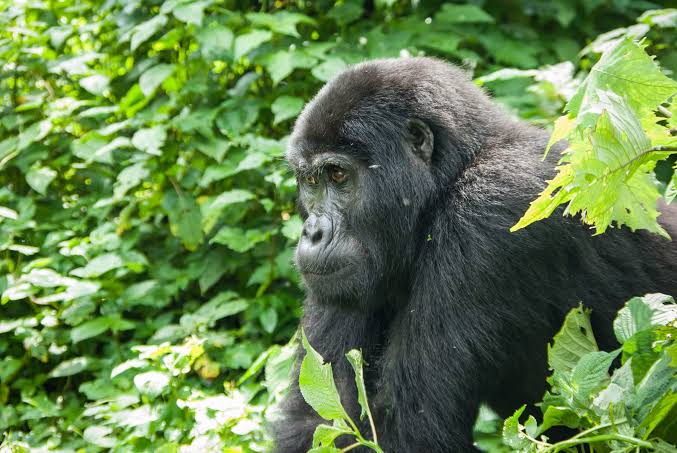
Uganda is home to more than half of the world’s remaining mountain gorilla population. The country offers gorilla trekking in Bwindi Impenetrable National Park and Mgahinga Gorilla National Park. These protected areas attract visitors interested in wildlife conservation, adventure tourism, photography, and unique safari experiences.
Examining annual visitor numbers helps explain the growth of gorilla tourism, the economic value of conservation, and the increasing global interest in sustainable wildlife travel.
Why Visitor Numbers Matter
Understanding gorilla annual visitor numbers Uganda provides valuable insights into the performance of Uganda’s tourism sector and conservation programs. Visitor statistics help tourism authorities evaluate demand, forecast future growth, and plan infrastructure improvements.
Conservation managers also rely on visitor data to balance tourism development with wildlife protection. Mountain gorillas require careful management because excessive human contact could increase stress levels and disease risks.
Tourism revenue generated through gorilla permits supports conservation activities, park operations, community projects, and ranger programs. As a result, visitor numbers directly influence funding available for protecting mountain gorillas and their habitats.
Tracking tourism trends therefore benefits both conservation and economic development.
Uganda’s Gorilla Trekking Destinations
Any discussion about gorilla annual visitor numbers Uganda begins with the country’s two gorilla trekking destinations. Bwindi Impenetrable National Park attracts the majority of visitors because it contains the largest population of habituated mountain gorilla families.
Bwindi is divided into several trekking sectors, including Buhoma, Ruhija, Rushaga, and Nkuringo. Each sector offers unique trekking experiences and contributes to overall visitor capacity.
Mgahinga Gorilla National Park receives fewer visitors but remains an important destination for gorilla trekking and golden monkey tracking. The park’s volcanic scenery and smaller visitor numbers appeal to travelers seeking a more exclusive experience.
Together, these parks form the foundation of Uganda’s gorilla tourism industry.
Growth of Gorilla Tourism in Uganda
The story of Uganda’s annual gorilla visitor numbers reflects the remarkable growth of wildlife tourism over the past several decades. Gorilla trekking began as a conservation strategy designed to generate revenue while protecting endangered mountain gorillas.
As awareness of the experience increased internationally, demand for permits expanded significantly. Improved infrastructure, better accommodation options, enhanced marketing efforts, and growing interest in ecotourism contributed to rising visitor numbers.
International travelers increasingly view gorilla trekking as a bucket-list wildlife experience comparable to witnessing the Great Migration or visiting the Serengeti.
This growing reputation has helped position Uganda as one of Africa’s premier wildlife destinations.
Factors Influencing Annual Visitor Numbers
Several factors affect gorilla annual visitor numbers in Uganda each year. Permit availability remains the most important factor because authorities strictly control the number of visitors allowed to see gorillas.
Each habituated gorilla family can only receive a limited number of trekkers per day. This conservation measure protects the animals while ensuring a high-quality visitor experience.
Global economic conditions, airline connectivity, marketing campaigns, travel regulations, and political stability also influence tourism demand. Seasonal travel patterns often affect visitor distribution throughout the year.
Special events, conservation milestones, and international media coverage can further increase interest in gorilla trekking.
These factors collectively shape annual tourism performance.
The Role of Gorilla Permits
Gorilla permits play a central role in determining Uganda’s annual gorilla visitor numbers because every visitor must secure a permit before participating in a trek.
Permit allocations establish the maximum number of visitors allowed to visit habituated gorilla families on any given day. As additional gorilla groups become habituated for tourism, overall visitor capacity can increase.
The permit system allows Uganda Wildlife Authority to manage tourism responsibly while generating conservation revenue. It also helps maintain exclusivity, which contributes to the premium nature of the gorilla trekking experience.
Permit demand often exceeds supply during peak travel periods, demonstrating the strong global interest in Uganda’s mountain gorillas.
Economic Impact of Visitor Numbers
The economic significance of gorilla annual visitor numbers in Uganda extends far beyond park entrance fees. Gorilla trekking generates substantial revenue that supports national tourism growth and local economic development.
Visitors spend money on accommodation, transportation, guiding services, meals, souvenirs, and additional safari activities. Communities located near national parks benefit through employment opportunities, tourism enterprises, and conservation-related projects.
Gorilla tourism also attracts international investment in hotels, lodges, transportation services, and tourism infrastructure. The industry supports thousands of jobs directly and indirectly throughout Uganda.
As visitor numbers increase, the economic benefits of conservation become increasingly visible.
Conservation Benefits of Gorilla Tourism
The relationship between Uganda’s annual gorilla visitor numbers and conservation remains one of the strongest examples of successful wildlife tourism in Africa. Revenue generated from visitors helps finance anti-poaching patrols, veterinary care, scientific research, and habitat protection.
Tourism income provides incentives for local communities to support conservation rather than activities that could threaten wildlife habitats. Community development projects funded through tourism help strengthen relationships between protected areas and neighboring residents.
The success of mountain gorilla conservation demonstrates how responsible tourism can contribute directly to species recovery and environmental protection.
Visitor numbers therefore represent more than tourism statistics; they reflect conservation success as well.
Challenges Associated With Increasing Visitor Numbers
Although growth in annual gorilla visitor numbers in Uganda brings many benefits, it also creates management challenges. Conservation authorities must ensure that tourism growth does not compromise gorilla welfare or environmental sustainability.
Infrastructure development requires careful planning to minimize habitat disturbance. Park managers must monitor visitor behavior, maintain trekking regulations, and enforce health protocols designed to protect gorillas from human diseases.
Balancing conservation priorities with economic opportunities remains an ongoing responsibility. Sustainable management ensures that future generations can continue enjoying gorilla trekking experiences.
These challenges highlight the importance of responsible tourism planning.
Future Trends in Gorilla Tourism
The future of Uganda’s annual gorilla visitor numbers appears promising as global demand for nature-based tourism continues to expand. Travelers increasingly seek authentic experiences that combine adventure, wildlife viewing, and conservation.
Improved transportation networks, digital marketing strategies, and growing awareness of mountain gorilla conservation are likely to support continued growth. However, conservation limits will remain essential to maintaining ecological sustainability.
Rather than pursuing unlimited visitor growth, Uganda’s tourism strategy focuses on high-value, low-impact tourism. This approach allows the country to maximize conservation benefits while protecting mountain gorillas and their habitats.
Sustainable growth remains the guiding principle for the future of gorilla tourism.
Why Uganda Remains a Leading Gorilla Destination
Several factors contribute to the continued strength of gorilla annual visitor numbers in Uganda. The country offers exceptional gorilla trekking opportunities, diverse safari experiences, and relatively competitive permit pricing compared to some neighboring destinations.
Visitors can combine gorilla trekking with chimpanzee tracking, wildlife safaris, birdwatching, cultural experiences, and adventure tourism activities. This diversity enhances Uganda’s appeal as a comprehensive safari destination.
Strong conservation efforts and growing international recognition continue attracting travelers from around the world. Uganda’s mountain gorillas remain one of the country’s most valuable tourism assets.
Their global appeal ensures continued interest in gorilla trekking experiences.
Conclusion
The story of Uganda’s annual gorilla visitor numbers reflects the remarkable success of gorilla conservation and sustainable tourism. Thousands of visitors travel to Uganda each year to experience mountain gorillas in their natural habitat, generating significant conservation and economic benefits.
Visitor numbers support wildlife protection, create employment opportunities, and strengthen community development initiatives. At the same time, careful management ensures that tourism growth remains compatible with conservation objectives.
As global interest in nature-based travel continues to increase, Uganda is well positioned to remain one of the world’s leading destinations for gorilla trekking while safeguarding its mountain gorilla population for future generations.



