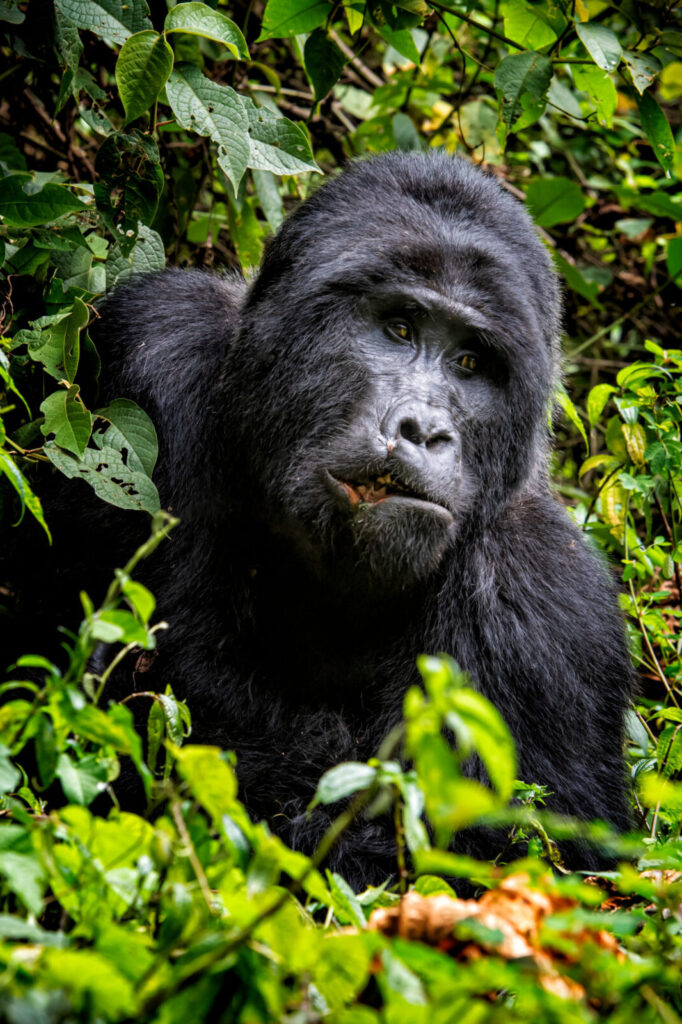
Gorilla beringei beringei (Mountain Gorilla)
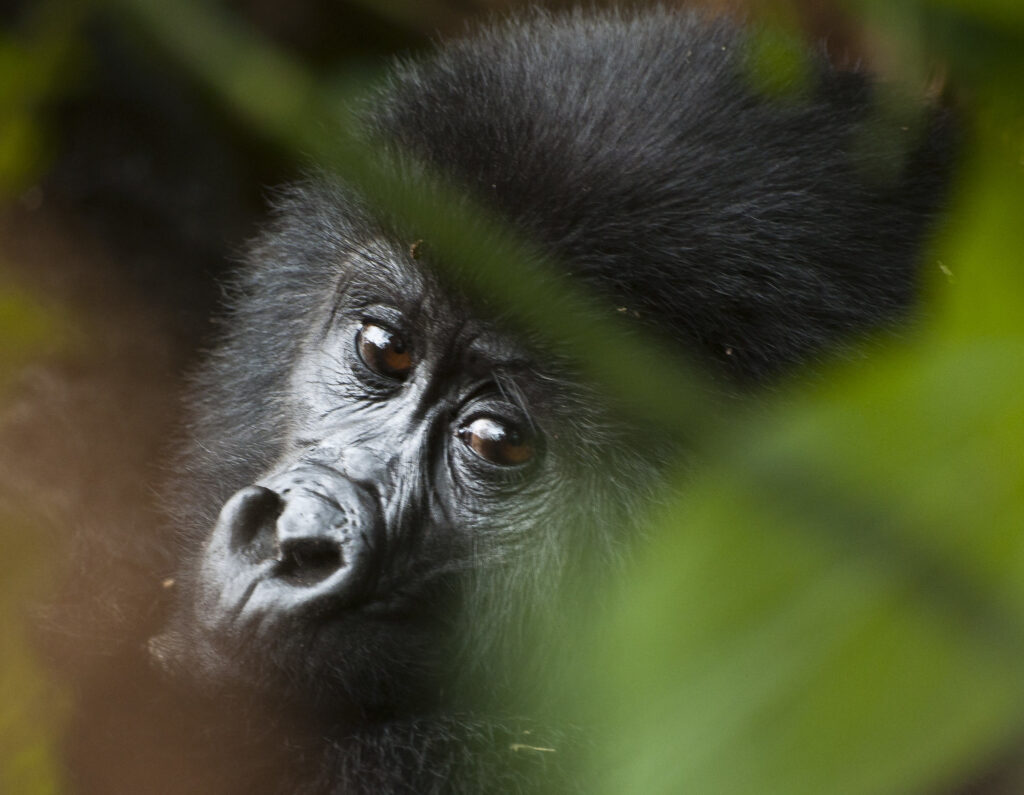
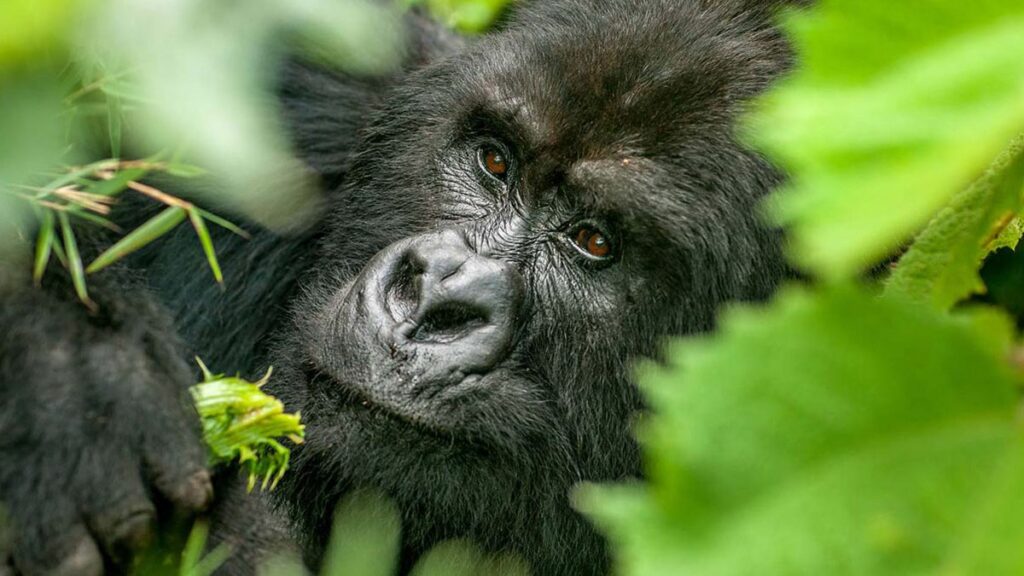
Gorilla beringei beringei, commonly known as the mountain gorilla, represents one of the most iconic and closely protected wildlife species in Africa. This subspecies lives only in a small region of East and Central Africa, yet it plays a major role in conservation, tourism, and scientific research. Its survival story reflects how focused protection and responsible tourism can reverse the fate of a critically endangered species.
This article explains the mountain gorilla in depth, covering its biology, behavior, habitat, and why it remains one of the most important primates on Earth.
Scientific Classification and Identity
Gorilla beringei beringei belongs to the Eastern gorilla species. Scientists distinguish it from other gorillas through genetics, physical traits, and geographic isolation. Unlike lowland gorillas, this subspecies evolved in high-altitude forests, which shaped its appearance and behavior.
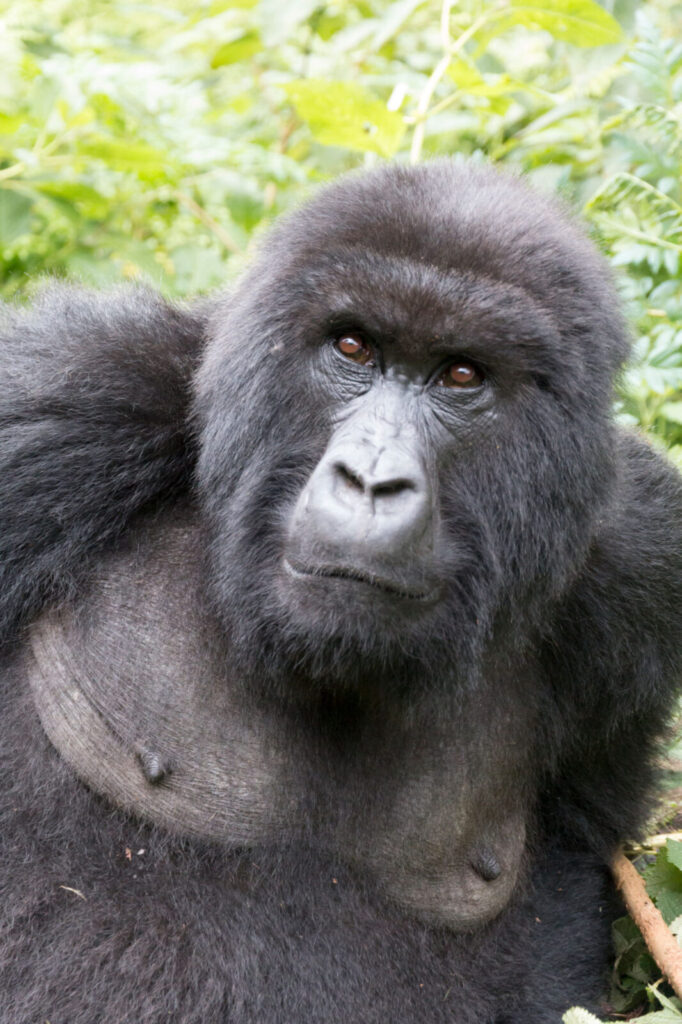
The mountain gorilla stands apart because of its thicker fur, larger chest cavity, and compact muscular build. These traits allow it to survive in cool, misty environments where temperatures often drop at night.
Physical Characteristics and Body Structure
Mountain gorillas rank among the largest primates in the world. Adult males, known as silverbacks, develop broad shoulders, massive arms, and pronounced sagittal crests on their skulls. These features support powerful jaw muscles used for processing tough vegetation.
Their long, dark fur grows thicker than that of other gorillas. This coat protects them from cold rain and fog common in mountainous regions. Females remain smaller but still show impressive strength and endurance, especially while carrying infants through steep terrain.
Natural Habitat and Geographic Range
Mountain gorillas live in two isolated populations. One population occupies the Virunga Mountains, spanning parts of Rwanda, Uganda, and the Democratic Republic of Congo. The other lives in Bwindi Impenetrable Forest in southwestern Uganda.
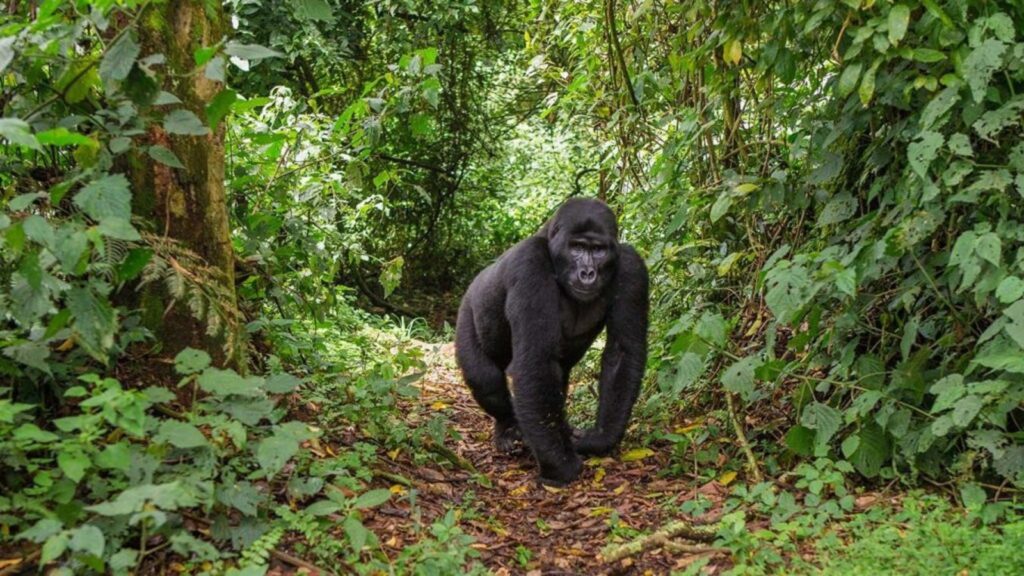
These habitats consist of bamboo zones, montane forests, and dense undergrowth. Steep slopes and thick vegetation dominate the landscape. The gorillas move daily in search of food, often climbing and descending large elevation changes within a single day.
Diet and Feeding Behavior
Gorilla beringei beringei feeds almost entirely on vegetation. Its diet includes leaves, shoots, stems, bark, roots, and seasonal bamboo. Fruit plays a minor role because it remains scarce at high altitude.
Mountain gorillas spend much of their day feeding. This constant foraging supports their large body size and energy needs. Their strong jaws and flat molars allow efficient processing of fibrous plants that many animals cannot digest.
Social Structure and Group Dynamics
Mountain gorillas live in stable family groups led by one dominant silverback. This leader controls group movement, protects members from danger, and mediates social interactions. Several females and their offspring form the core of the group.
Young males leave the group as they mature, either becoming solitary or forming new families. Social bonds remain strong within groups, expressed through grooming, play, and close physical contact. These behaviors maintain cohesion and reduce conflict.
Reproduction and Life Cycle
Females give birth to a single infant after a long gestation period. Mothers provide constant care, carrying infants on their bodies for several years. The slow reproductive rate makes population recovery challenging.
Infants rely heavily on group protection. Silverbacks play a key role by defending them from external threats and rival males. This protective system increases survival chances in a demanding environment.
Conservation Status and Protection Efforts
Mountain gorillas were once on the brink of extinction. Habitat loss, poaching, and civil unrest reduced their numbers drastically. Intensive conservation programs, ranger protection, veterinary intervention, and controlled tourism changed this trajectory.
Today, mountain gorilla numbers show gradual growth. Strict trekking rules limit visitor impact, while permit fees fund conservation and community development. Gorilla beringei beringei now stands as one of the strongest conservation success stories in Africa.
Importance to Ecotourism and Local Communities
Mountain gorilla tourism supports thousands of livelihoods in Uganda, Rwanda, and Congo. Communities benefit from employment, infrastructure development, and revenue-sharing programs linked to gorilla protection.
Visitors gain a rare opportunity to observe one of the world’s most endangered primates in its natural environment. This experience often builds long-term support for conservation beyond the region.
Plan Your Stay
Seeing Gorilla beringei beringei in the wild requires advance planning and physical preparation. Trekking conditions vary from moderate to challenging due to steep slopes and dense vegetation. Permits remain limited and must be booked early.
Choosing the right trekking sector, travel season, and accommodation enhances the experience. Responsible operators follow strict guidelines that protect gorillas while ensuring visitor safety. A well-organized trip allows meaningful observation while contributing directly to conservation and community support.