Ewaffe Cultural Village Uganda – A Living Cultural Experience Near Kampala
Ewaffe Cultural Village Uganda offers one of the most immersive cultural experiences near Kampala. Perched on the hills of Mukono District overlooking Lake Victoria, this community-run heritage site brings Uganda’s traditions to life through architecture, storytelling, music, food, and indigenous knowledge. The word “Ewaffe” means home in Luganda, and the experience reflects exactly that meaning. Visitors do not observe culture from a distance. They step directly into it.
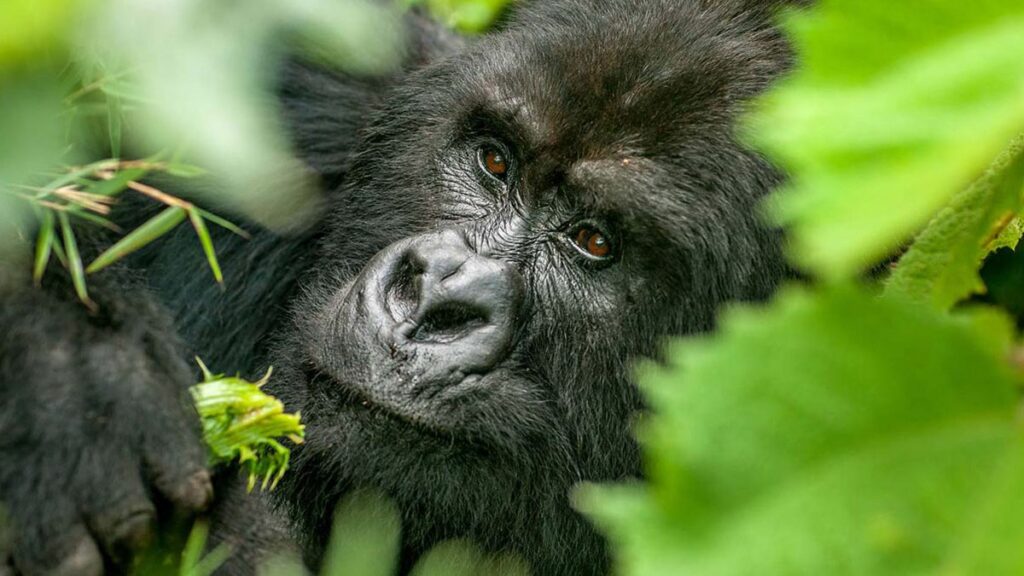
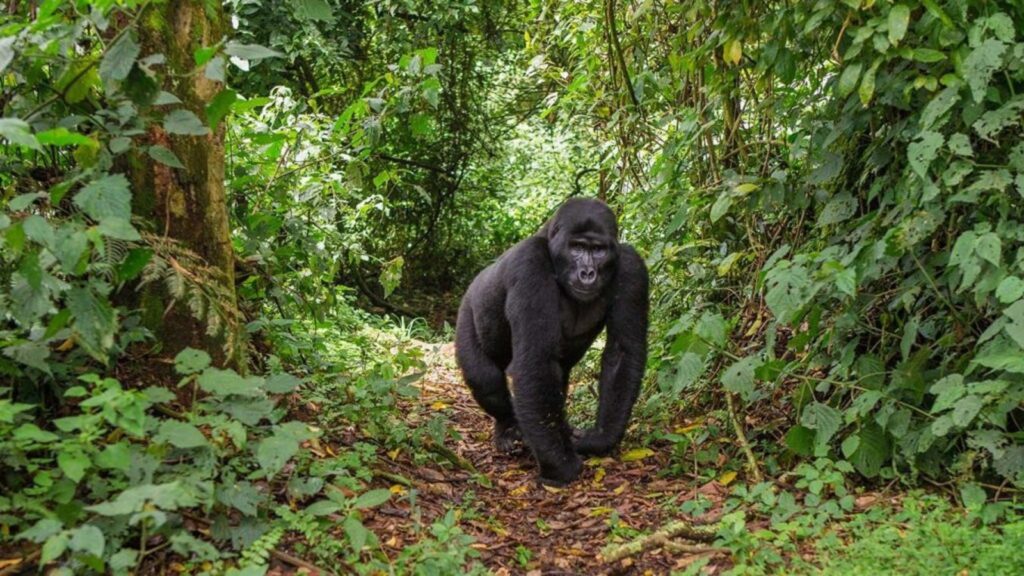
Many travelers visit Uganda for gorilla trekking in Bwindi Impenetrable National Park or wildlife safaris in Queen Elizabeth National Park. Yet culture shapes the identity of every landscape and community they encounter. Ewaffe Cultural Village provides that missing context. It introduces the structure of the Buganda Kingdom, the clan system, traditional food preparation, music, dance, and herbal medicine practices that continue to influence daily life across Uganda.
This cultural immersion fits perfectly at the beginning or end of a safari itinerary. It grounds visitors in local heritage before they explore national parks or offers a reflective cultural close to a wildlife adventure.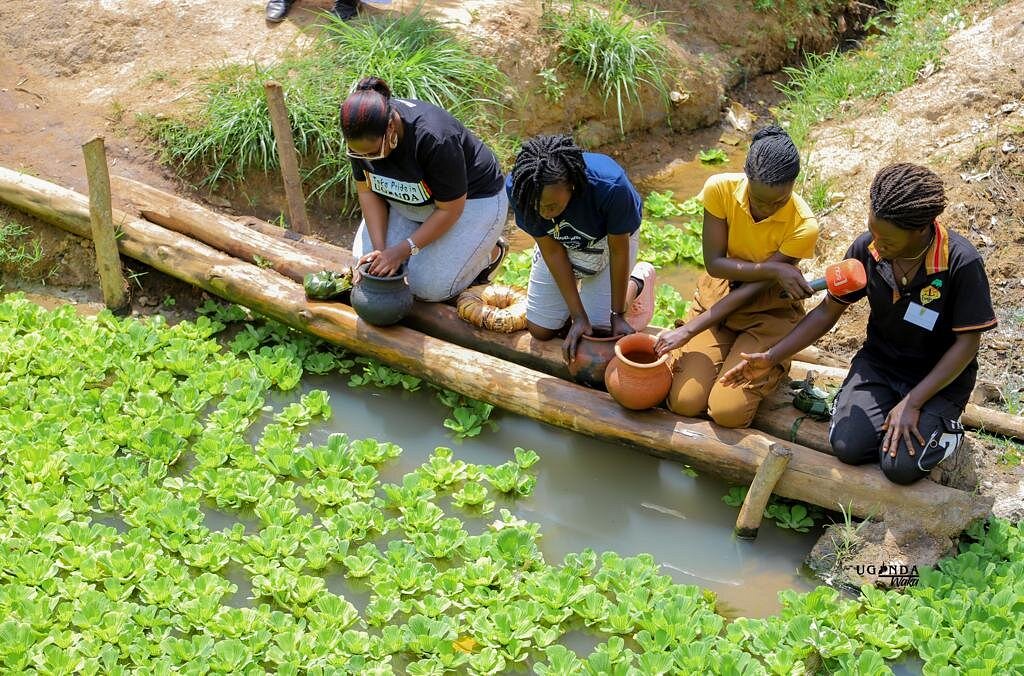
Location and Accessibility
Ewaffe Cultural Village sits approximately forty-five to sixty minutes from central Kampala, depending on traffic conditions. The drive moves away from the city’s busy streets into quieter rural landscapes defined by banana plantations, small trading centers, and rolling hills. As you approach the village, the scenery opens toward sweeping views of Lake Victoria.
Its proximity to Entebbe International Airport makes it convenient for travelers arriving in Uganda. Guests can schedule a half-day visit without long transfers, making it ideal for short stays or transit days. Despite its accessibility, the setting feels peaceful and removed from urban life.
The Cultural Concept Behind Ewaffe
Ewaffe Cultural Village functions as a living cultural space rather than a static museum. The structures replicate traditional Buganda homesteads built using indigenous materials such as clay, reeds, wood, and thatch. Each building represents a specific role within the community, including the royal court setting, family houses, traditional kitchens, and community gathering areas.
Guides explain the historical and social organization of the Buganda Kingdom. They describe the role of the Kabaka, the significance of clans, and the responsibilities tied to clan totems. Visitors gain insight into marriage customs, leadership structures, and social expectations that shape family life. This understanding becomes particularly meaningful for those who later visit heritage landmarks such as the Kasubi Tombs.
The experience unfolds through guided storytelling rather than staged narration. Every explanation connects history to present-day Uganda, allowing guests to see how tradition continues to influence modern society.
Traditional Architecture and Daily Life
Walking through the village reveals how communities once organized their homes and daily routines. Traditional kitchens demonstrate how families prepared meals over firewood using clay pots. Storage huts show how grain and harvests were preserved. Royal court structures illustrate authority and social hierarchy within the kingdom.
The architectural design emphasizes function, symbolism, and environmental adaptation. Thatched roofs regulate temperature, while clay walls provide insulation. Visitors see how indigenous construction techniques align with sustainability principles that modern eco-lodges now embrace.
This section of the visit provides practical cultural understanding rather than abstract history. Guests begin to appreciate how environment, belief systems, and daily survival shaped architectural choices.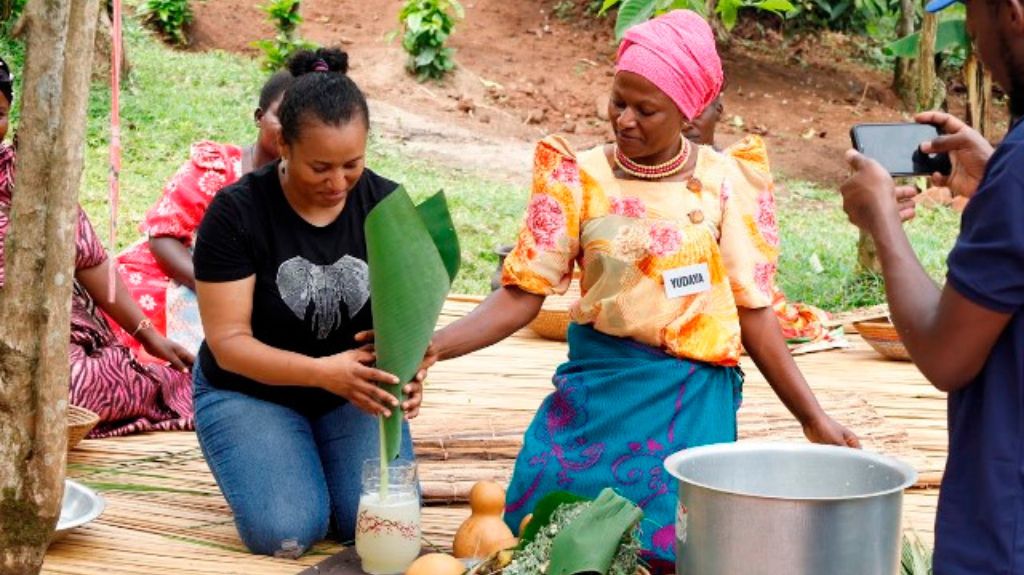
Traditional Music, Dance, and Performance
Music forms the heartbeat of Ugandan culture, and Ewaffe Cultural Village showcases this heritage through live performances. Drumming rhythms echo across the hilltop as dancers perform traditional Buganda dances along with selections from other regions of Uganda. The performances express courtship rituals, celebration, storytelling, and communal identity.
The energy feels genuine and participatory. Guests often join the dance circle and learn simple movements guided by performers. This interaction transforms the performance into a shared cultural moment rather than a passive spectacle. For photographers and videographers, the vibrant costumes and expressive movement create dynamic visual storytelling opportunities.
Authentic Ugandan Cuisine and Food Traditions
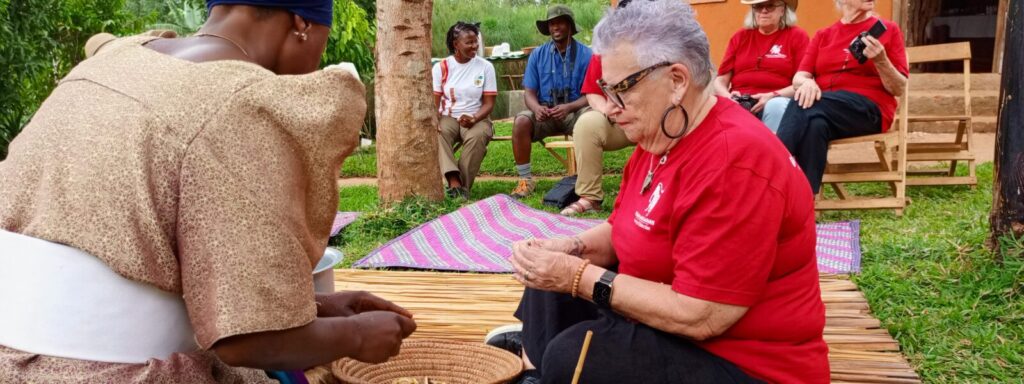
Food preparation at Ewaffe Cultural Village reflects ancestral knowledge passed down through generations. Visitors observe how matooke, groundnut sauce, smoked fish, cassava, and seasonal vegetables are prepared using traditional techniques. Cooking over open firewood introduces guests to the sensory aspects of local cuisine, from the aroma of steaming bananas to the texture of hand-processed ingredients.
Guides explain the social significance of communal meals. Food represents hospitality, respect, and unity within Ugandan households. Understanding these customs deepens appreciation for rural life and community values. For international travelers, the culinary experience often becomes one of the most memorable highlights of the visit.
Indigenous Herbal Medicine and Knowledge Systems
One of the most educational segments focuses on traditional herbal medicine. Local guides demonstrate how specific plants, roots, and tree bark treat common ailments. They describe preparation methods and the cultural beliefs surrounding healing practices.
This knowledge reflects Uganda’s deep connection between people and nature. For travelers interested in sustainability and indigenous wisdom, the session reveals how communities relied on natural resources long before modern healthcare systems developed. It also highlights the importance of preserving biodiversity, which directly connects to conservation efforts in Uganda’s protected areas.
Best Time to Visit
Ewaffe Cultural Village operates throughout the year. Dry seasons from June to September and December to February provide comfortable weather for walking tours and clearer views over Lake Victoria. Morning visits offer cooler temperatures, while late afternoons provide warm golden light ideal for photography.
Rainy seasons do not prevent visits since most activities take place within sheltered traditional structures. The experience remains engaging regardless of weather conditions.
Who Should Visit Ewaffe Cultural Village Uganda
This cultural immersion suits travelers seeking depth beyond wildlife encounters. It benefits first-time visitors who want context before exploring rural regions, families interested in educational travel, students studying African heritage, and photographers drawn to traditional architecture and performance art.
For safari guests heading toward western Uganda or returning from gorilla trekking, Ewaffe adds balance to the itinerary. It ensures that cultural understanding accompanies wildlife experiences.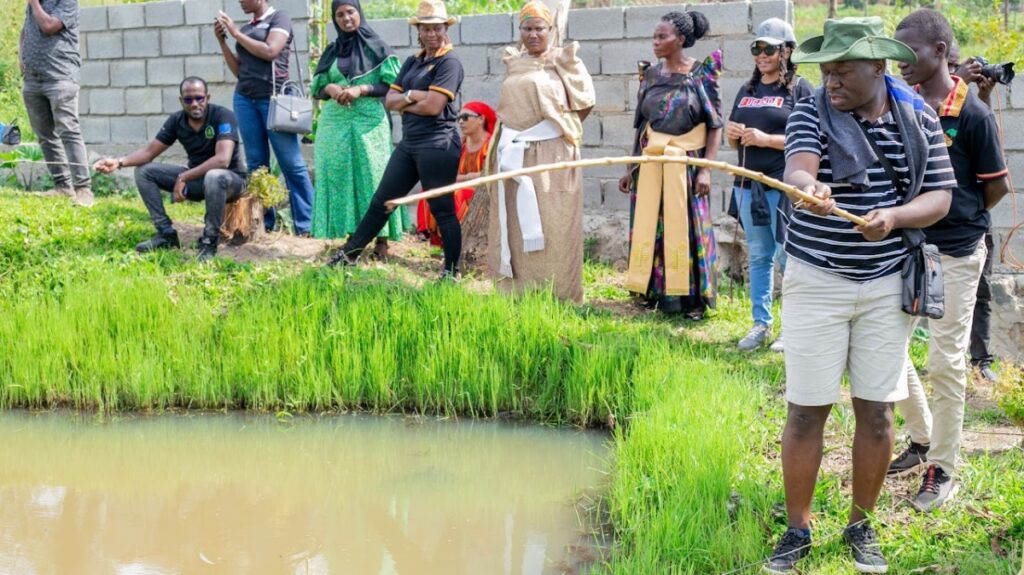
How to Include It in Your Uganda Itinerary
Ewaffe Cultural Village works best as a half-day or full-day cultural excursion from Kampala or Entebbe. Many travelers include it on arrival day to gain early cultural orientation. Others visit at the end of their journey as a reflective conclusion to their safari experience.
Combining Ewaffe with a city tour or Lake Victoria excursion creates a well-rounded introduction to Uganda. Tour operators such as Gecko Safaris Africa integrate cultural experiences into broader itineraries to ensure travelers connect with both landscapes and communities.
Plan Your Cultural Experience in Uganda
Ewaffe Cultural Village Uganda preserves heritage while creating meaningful engagement between visitors and local communities. It strengthens any safari itinerary by adding depth, authenticity, and human connection. When you plan your Uganda journey, consider pairing wildlife adventures with immersive cultural encounters that reveal the country’s living traditions.