Eco-Tourism Success: Rwanda’s Gorilla Conservation Model
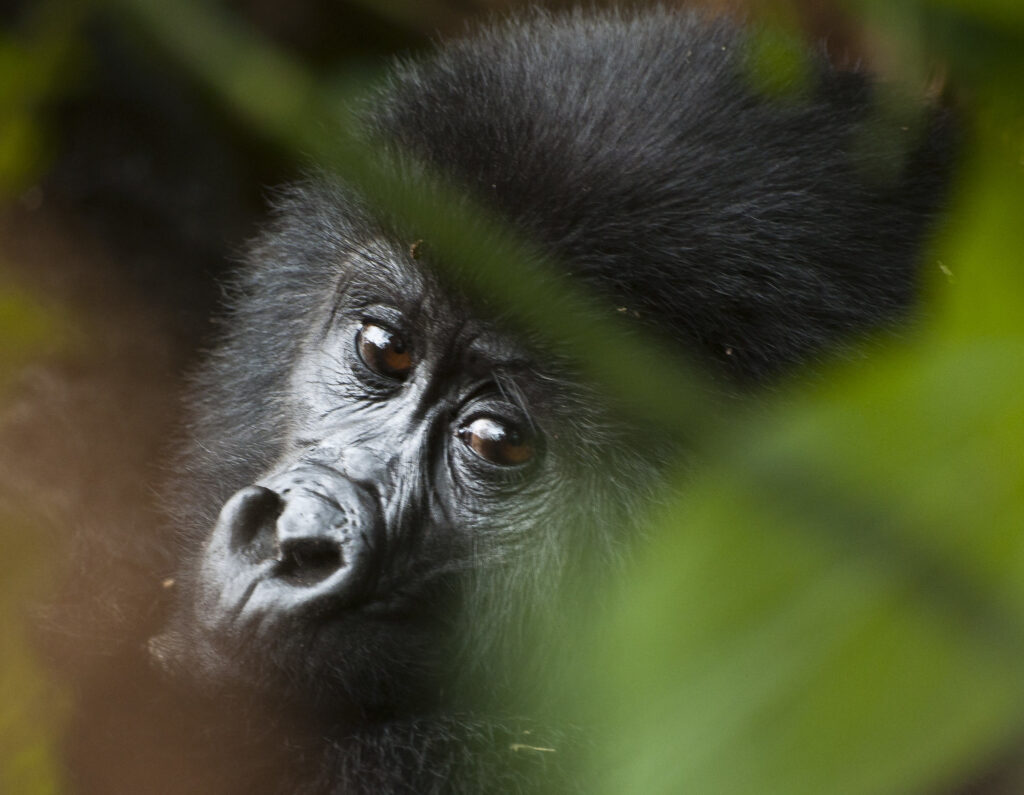
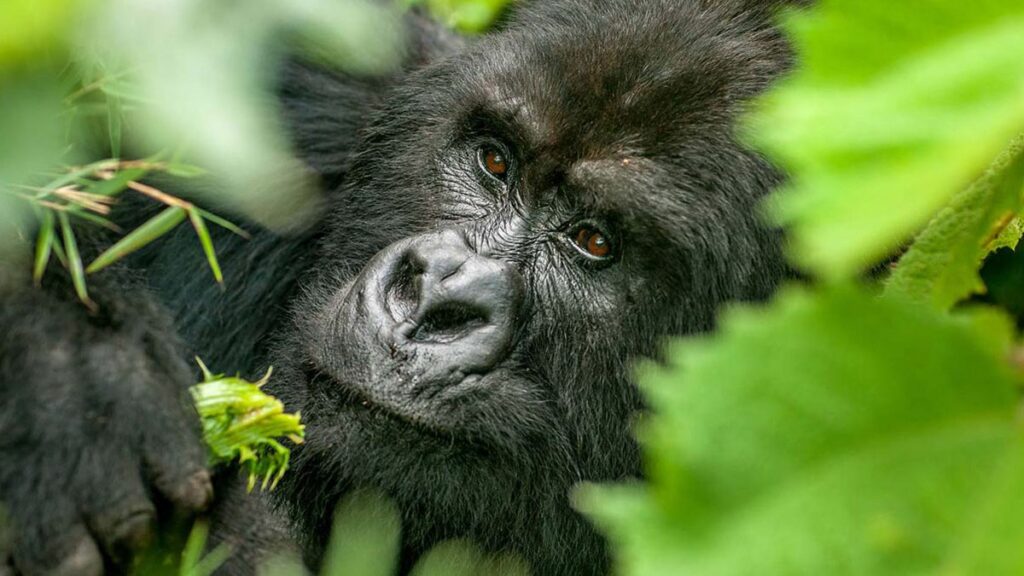
Rwanda’s gorilla conservation model stands among the strongest ecotourism success stories in the world. The country transformed mountain gorilla protection into a sustainable system that supports wildlife, communities, and national development. What once looked like a fragile future for the species now shines as a global example of responsible tourism. Rwanda built a structure where visitors enjoy intimate wildlife encounters while directly contributing to conservation. This balance between protection and tourism reshaped the entire region and inspired other nations to follow the same path.
A Conservation System Rooted in Responsibility
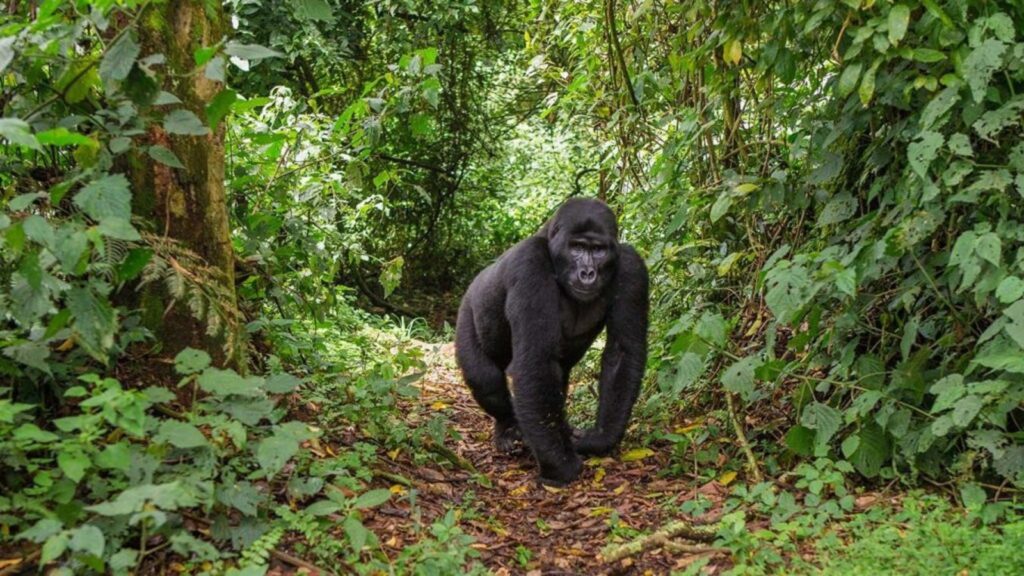
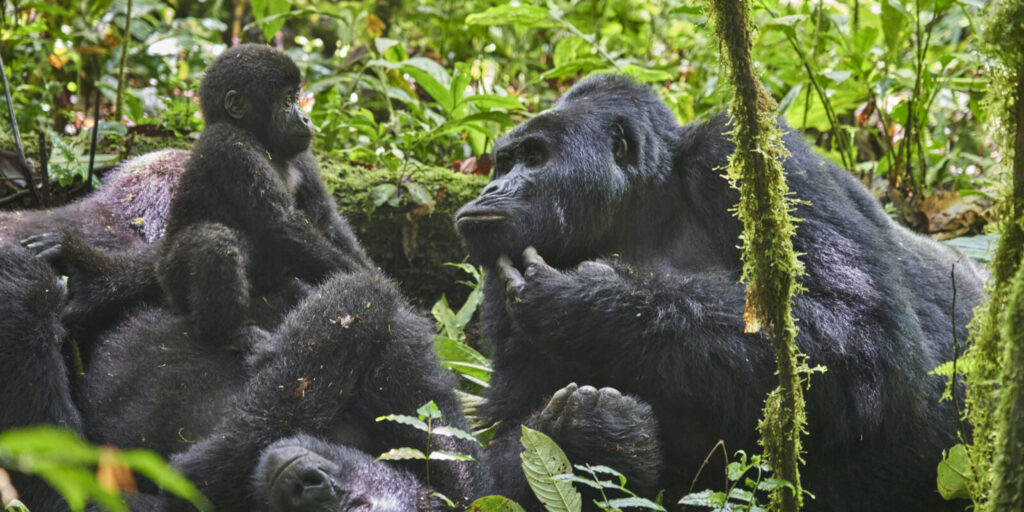
Rwanda created a tourism model that limits visitor numbers and protects gorillas from stress. Strict rules guide every trek, from group size to viewing distance. Rangers monitor gorilla families throughout the day, ensuring that each group remains healthy and undisturbed. Visitors approach the gorillas quietly, learn about their behavior, and follow protocols that guard the animals from human illness. These measures protect the species and maintain the quality of each trekking experience. Rwanda proved that controlled tourism can protect wildlife more effectively than strict isolation.
Gorilla Permits That Fund Meaningful Protection
The cost of a gorilla permit forms the backbone of Rwanda’s conservation system. This revenue supports ranger patrols, veterinary care, ecological research, and daily monitoring of gorilla families. Rangers rely on these funds for training, equipment, and field gear as they safeguard the forest. Veterinary teams respond quickly to injured or sick gorillas because permit revenue sustains their work. Research teams also receive support that helps them track long-term gorilla health and behavior. Every trekker becomes part of a system that funds real, essential conservation action.
Community Partnership at the Core of the Model
Rwanda shares a percentage of gorilla tourism revenue with communities living near Volcanoes National Park. This decision changed the relationship between people and wildlife. Schools, health centers, clean water systems, and local roads all rose from tourism income. Community members now benefit directly from the presence of gorillas, and this creates strong protection from the ground up. When local families see progress in their daily lives, they support conservation with pride and commitment. This partnership ensures that communities become guardians of the forest rather than competitors for land.
Employment That Reduces Pressure on the Forest
Eco-tourism created jobs in guiding, tracking, hospitality, transport, and artisanal craft production. Local residents earn stable income and rely less on activities that harm the environment. Young people gain new opportunities, families enjoy financial security, and communities grow stronger. When people earn a living through conservation, they protect the forest because their future depends on it. This shift reduced poaching, charcoal production, and habitat encroachment around the park.
A Global Reputation That Strengthens Conservation
Rwanda’s commitment to ecotourism built a strong international reputation. Travelers describe safe treks, skilled rangers, and well-managed tourism systems. Conservation organizations praise Rwanda’s approach and partner in long-term projects. This global recognition attracts more visitors and increases investment in conservation. Rwanda’s image as a clean, safe, and forward-thinking nation strengthens both tourism and environmental protection. The success of gorilla conservation became part of the country’s identity and national pride.
A Sustainable Vision for the Future
Rwanda continues to refine its ecotourism model by investing in new infrastructure, expanding community projects, and supporting scientific research. The country works toward long-term habitat protection through reforestation, land restoration, and responsible tourism policies. The conservation system evolves with each generation, guided by lessons from decades of experience. Rwanda proves that economic growth and wildlife protection can move together when tourism remains responsible, inclusive, and community-centered.
Why Rwanda’s Model Inspires the World
Rwanda turned conservation into a national success story. The country protected mountain gorillas, uplifted communities, and built a stable economy around ecotourism. This system shows that wildlife thrives when people thrive. Visitors leave Rwanda with unforgettable memories and the knowledge that their presence contributed to the survival of an endangered species. Rwanda’s ecotourism model continues to inspire nations seeking sustainable ways to protect their natural heritage.
Plan a Safari That Supports Rwanda’s Conservation Model
Your visit contributes to the continued success of Rwanda’s ecotourism journey. When you choose responsible gorilla trekking, you support communities, protect habitats, and strengthen long-term conservation. Our team helps you secure permits, plan your route, and enjoy a meaningful encounter with the gorillas.
Inquire and book your Rwanda gorilla trekking adventure at https://www.gorilla-permits.com.