Cultural Etiquette for Travelers Visiting Gorilla Regions
Visiting gorilla regions in Uganda and Rwanda offers far more than wildlife encounters. These landscapes are home to communities with deep cultural roots, strong traditions, and lived relationships with the forests you have come to explore. Understanding cultural etiquette before arrival helps travelers build respectful connections, avoid unintentional offense, and experience the destination more meaningfully.
Cultural awareness does not require perfection. It requires openness, humility, and a willingness to observe and learn.
Why Cultural Etiquette Matters in Gorilla Regions
Gorilla parks sit alongside rural communities whose lives intertwine with conservation. Tourism brings opportunity, but it also brings exposure. Travelers who respect local norms contribute positively to community wellbeing and help ensure tourism remains welcome.
In areas surrounding Bwindi Impenetrable National Park and Volcanoes National Park, visitors are guests in working villages, not open-air museums. Etiquette reflects respect for that reality.
Greetings and Everyday Interaction
Greetings hold great importance in East African culture. Taking time to greet people politely before asking questions or taking photos shows respect. Simple greetings, smiles, and patience go a long way, even when language barriers exist.
Rushing conversations or ignoring greetings can feel dismissive. Slowing down, acknowledging people, and showing interest in daily life creates positive interactions that locals appreciate.
Dress Code and Personal Presentation
Dress expectations in rural gorilla regions tend toward modesty. While no strict dress code exists, clothing that covers shoulders and knees is generally considered respectful, especially in villages and community spaces.
Practical safari clothing often aligns well with local norms. Avoiding overly revealing attire shows awareness of cultural values and helps travelers blend in comfortably rather than standing out awkwardly.
Photography and Permission
Photography carries responsibility. People value privacy and dignity, and not everyone wishes to be photographed. Always ask permission before taking photos of individuals, homes, or community activities.
In cultural visits, guides usually explain when photography is appropriate. Respecting these boundaries builds trust and avoids turning communities into backdrops rather than living spaces.
Visiting Indigenous and Local Communities
Some travelers visit Indigenous communities such as the Batwa near Bwindi as part of organized cultural experiences. These visits should be approached as learning opportunities rather than performances.
Listening, asking thoughtful questions, and following guide instructions ensure interactions remain respectful. Avoid treating traditions as entertainment. These experiences represent real histories, resilience, and ongoing cultural identity.
Language, Tone, and Body Language
English is widely spoken in tourism areas, but tone and body language matter as much as words. Speaking calmly, avoiding raised voices, and using open body language fosters comfort.
Direct confrontation or impatience can cause discomfort. Politeness and patience align well with local communication styles and help avoid misunderstandings.
Money, Gifts, and Expectations
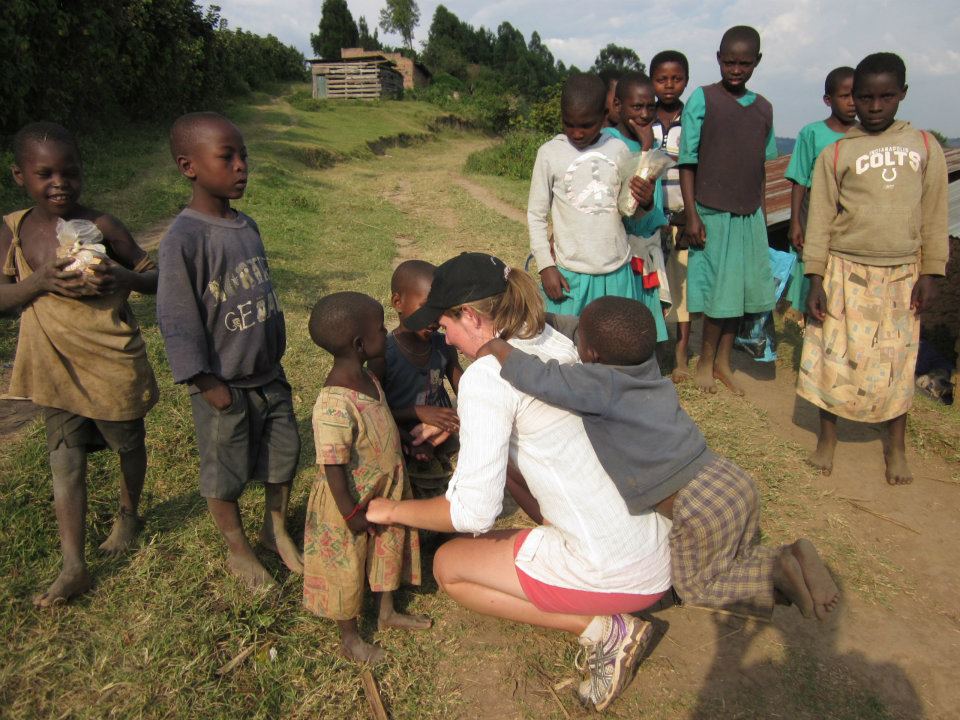
Giving money or gifts directly to children can create long-term problems for communities. Instead, support communities through structured programs, local guides, cooperatives, or approved cultural visits.
If you wish to support education or local initiatives, ask your guide or lodge for appropriate channels. Responsible giving strengthens communities without creating dependency.
Dining Etiquette and Shared Spaces
When sharing meals in community settings, wait for guidance on seating and eating customs. In many areas, communal meals emphasize sharing and patience rather than speed.
Expressing appreciation for food and hospitality matters deeply. Even simple gestures of gratitude are noticed and valued.
Respecting Time and Daily Rhythms
Life in rural gorilla regions follows natural rhythms rather than strict schedules. Patience matters. Delays do not signal disrespect; they reflect different priorities shaped by environment and lifestyle.
Adapting to this pace reduces frustration and allows travelers to engage more authentically with local life.
Cultural Etiquette and Conservation Respect
Cultural respect extends to conservation attitudes. Many communities live alongside protected forests with complex histories involving land use and displacement. Listening without judgment and avoiding assumptions shows respect for these realities.
Understanding that conservation affects people as well as wildlife deepens appreciation for the region as a whole.
Common Mistakes Travelers Should Avoid
Common missteps include taking photos without permission, dressing inappropriately in villages, or treating cultural visits as staged attractions. These actions often come from lack of awareness rather than bad intent.
Learning etiquette in advance helps travelers avoid these situations and engage more thoughtfully.
Plan Your Safari With Us
Cultural understanding enriches every safari. We prepare travelers not only for gorilla trekking but also for respectful interaction with the communities that host them. Our itineraries include responsible cultural experiences guided by local experts who ensure visits remain meaningful and ethical.
Enquire now and let us plan a gorilla safari that honors wildlife, people, and culture with equal respect.