Coffee, Culture, and Conservation
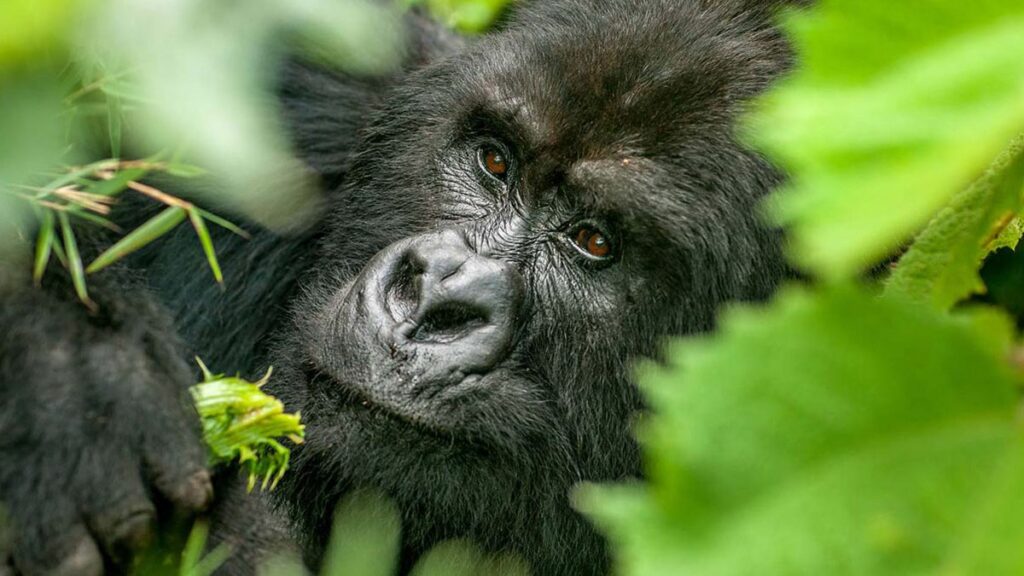
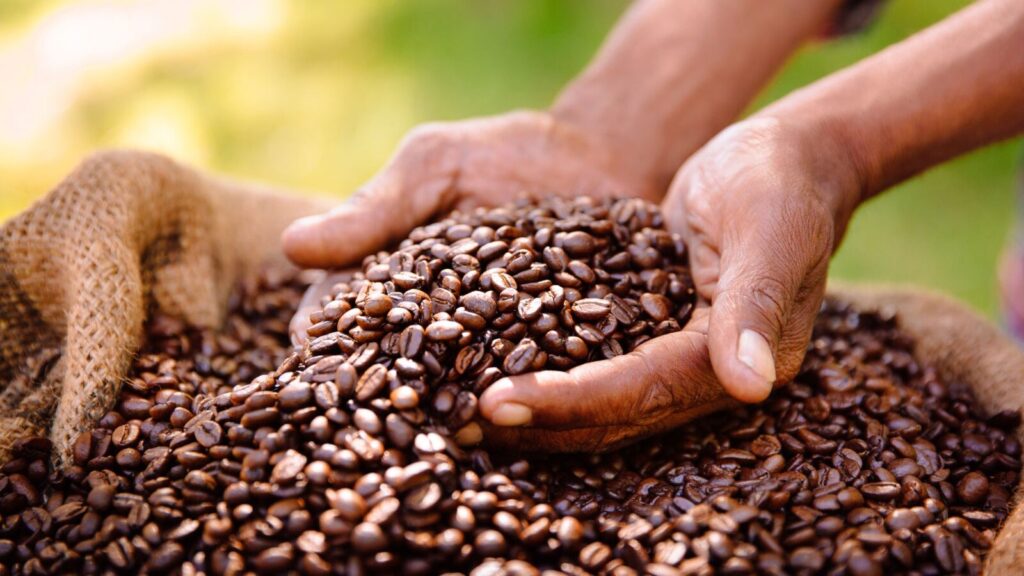
In the gorilla highlands of East Africa, coffee is not just a crop. It is a lifeline. It shapes daily routines, pays school fees, funds healthcare, and quietly supports conservation in landscapes where people and wildlife live side by side.
Around gorilla parks, coffee connects culture and conservation in ways most travelers do not expect. One cup carries the story of land, labor, and coexistence.
Coffee Grows Where Forests Matter Most
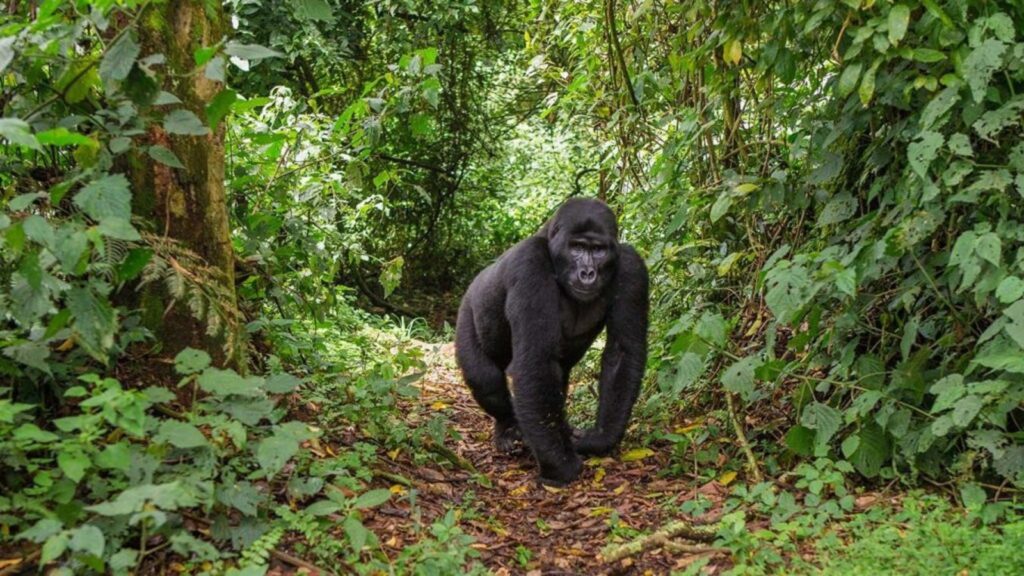
The regions surrounding Bwindi Impenetrable National Park and Volcanoes National Park sit at high altitude, with volcanic soils and steady rainfall. These same conditions that support dense forests and gorilla habitat also produce exceptional Arabica coffee.
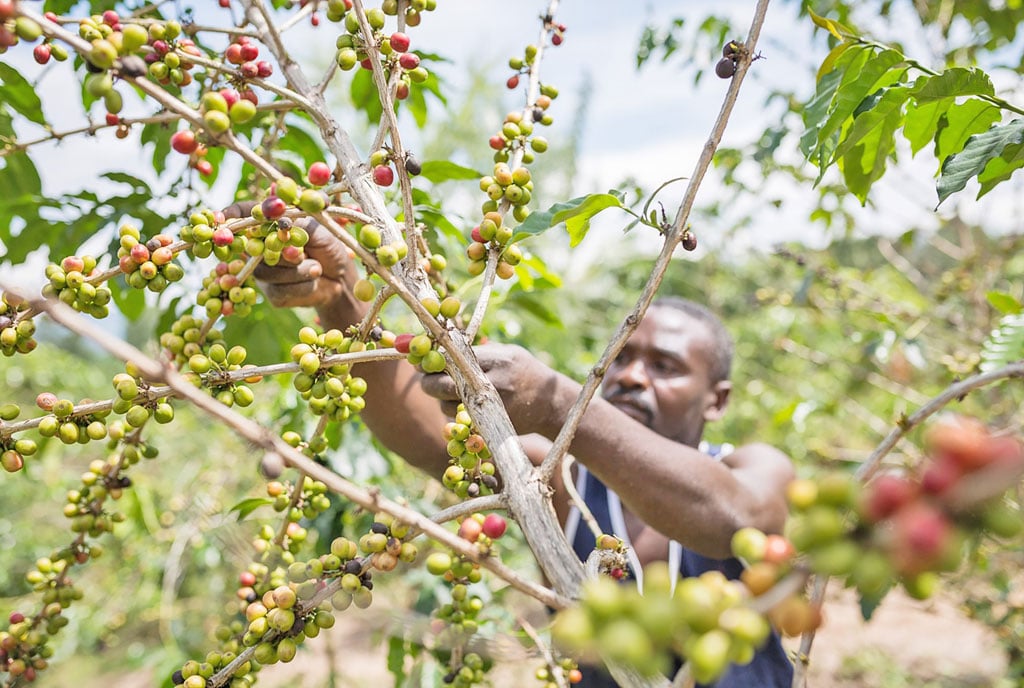
Smallholder farms dominate the landscape. Coffee trees grow on steep hillsides, often beneath shade trees that protect soil and retain moisture. These farms form a buffer between villages and protected forests. When coffee thrives, pressure on the forest eases.
Coffee as an Alternative to Forest Exploitation
In gorilla regions, conservation success depends on livelihoods. When families lack income, forests suffer. Coffee changes that equation.
Reliable coffee income reduces dependence on charcoal burning, illegal logging, and hunting. Farmers protect the land because their future depends on it. Conservation becomes practical rather than abstract.
Many conservation organizations actively support coffee cooperatives because they understand this link. A productive farm can protect a forest more effectively than enforcement alone.
Coffee and Daily Life in Gorilla Communities
Coffee shapes daily life in subtle ways. Mornings begin with farm work. Harvest seasons bring shared labor, conversation, and movement across the hills. Processing days turn into social gatherings.
In villages near Bwindi, coffee cherries dry on raised racks outside homes. In Rwanda’s Musanze region, farmers deliver harvests to washing stations where quality control and collective processing improve value.
Coffee is woven into routine, identity, and pride.
Rwanda’s Coffee Cooperatives and Cultural Renewal
Near Volcanoes National Park, coffee cooperatives play a major role in community resilience. Washing stations do more than process beans. They create shared ownership and stability.
Farmers learn quality standards. Women gain leadership roles. Youth find work close to home. Income becomes predictable.
For visitors, these cooperatives reveal how culture adapts without disappearing. Traditional farming knowledge blends with modern processing, creating a future rooted in place.
Coffee Experiences for Travelers
Coffee experiences near gorilla parks feel personal and unpolished in the best way. Farmers guide visitors through plantations, explaining how weather, altitude, and soil affect flavor.
You watch beans ferment, dry, and roast. You taste coffee at the source, often brewed simply over a fire. Conversations flow easily because the setting feels familiar rather than staged.
These moments slow travel down. They ground it.
Coffee and Conservation in the Virunga Landscape
Around Virunga National Park, coffee plays an even more critical role. Here, farming offers stability in a complex conservation landscape.
Virunga-linked coffee initiatives support communities living alongside one of Africa’s most biologically important parks. Coffee income strengthens conservation partnerships and reduces vulnerability.
Each purchase supports both people and one of the world’s most threatened ecosystems.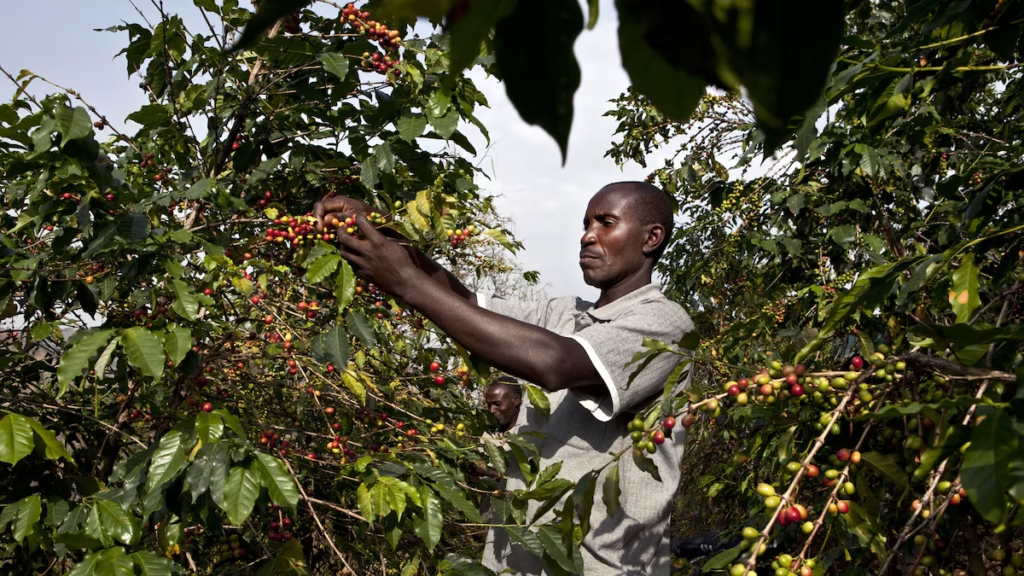
Why Coffee Tells a Conservation Story Better Than Words
Coffee shows how conservation works when it aligns with human needs. It does not ask communities to sacrifice livelihoods. It provides them.
Forests protect water and soil. Coffee depends on healthy ecosystems. Gorillas survive because forests remain standing. The cycle reinforces itself.
This relationship feels organic, not imposed.
How This Experience Feels as a Visitor
Coffee experiences do not overwhelm. They settle quietly into your journey. They offer rest after physical treks and reflection after emotional encounters.
You begin to understand conservation not as a policy, but as daily choice. The cup in your hands represents effort, patience, and long-term thinking.
That understanding stays with you longer than most souvenirs.
Responsible Coffee Tourism Matters
Not all coffee tourism benefits communities equally. Responsible experiences work through cooperatives and local guides. They avoid exploitation and respect farmers’ time and labor.
Buying locally roasted coffee or supporting cooperative sales ensures money returns to the source. Small actions reinforce sustainable systems.
Travelers become participants, not spectators.
Why Coffee Belongs in Gorilla Itineraries
Gorilla trekking shows you what is protected. Coffee shows you how protection becomes possible.
Together, they tell a complete story. Wildlife conservation succeeds when communities thrive. Coffee proves that coexistence works when value flows both ways.
In gorilla regions, conservation often begins with a seed planted in fertile soil.
Final Reflection
Coffee, culture, and conservation meet quietly in East Africa’s highlands. No fences separate them. No signs announce their connection.
You taste it instead.
In every cup shared near a gorilla forest, there is land preserved, culture sustained, and a future protected—one harvest at a time.