Border Crossing from Rwanda to Uganda for Gorilla Trekking
Crossing from Rwanda into Uganda for gorilla trekking is a common and efficient route for travelers visiting the Virunga region. Many visitors choose Rwanda as their entry point because of smooth roads, shorter driving distances, and easy access to Uganda’s gorilla parks. With the right preparation, the border crossing itself is straightforward and rarely stressful.
This guide explains what to expect when crossing from Rwanda to Uganda, which borders are commonly used, and how to plan the process smoothly for your gorilla trekking safari.
Why Travelers Cross from Rwanda to Uganda
Uganda offers more affordable gorilla permits and a wider range of trekking sectors, especially in Bwindi and Mgahinga. Rwanda, on the other hand, provides excellent road infrastructure and a convenient international airport in Kigali.
Combining these advantages allows travelers to land in Rwanda, drive across the border, and trek gorillas in Uganda with less travel time than approaching from Kampala. This route works particularly well for travelers with limited time or those planning multi-country safaris. 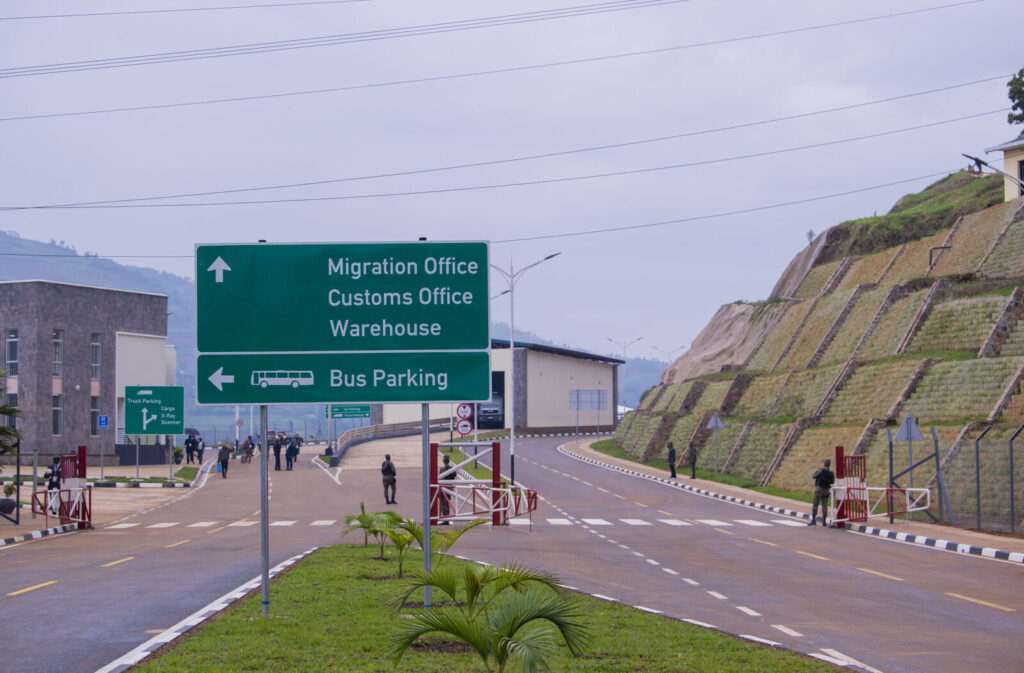
Main Border Crossings Used for Gorilla Trekking
Two border crossings are most commonly used by gorilla trekkers traveling from Rwanda into Uganda.
The Cyanika Border lies closest to Mgahinga Gorilla National Park and southern Bwindi sectors such as Rushaga and Nkuringo. This border is the preferred option for travelers trekking in these areas because it minimizes driving time after crossing.
The Katuna–Gatuna Border serves travelers heading toward Kabale, Ruhija, or northern Bwindi sectors. It is larger and busier, but still well organized and reliable for tourist crossings.
Choosing the correct border matters, as crossing at the wrong point can add several hours of driving through mountainous terrain.
The Border Crossing Process Explained
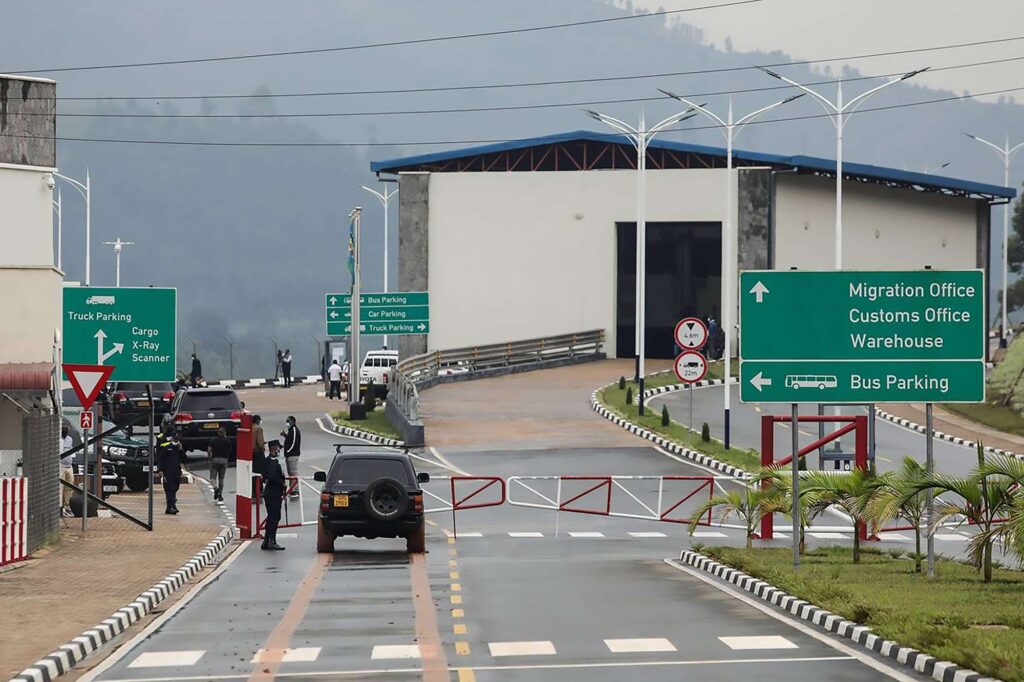
Border crossings between Rwanda and Uganda follow a clear and structured process. Travelers stop at exit immigration on the Rwandan side, complete passport checks, then proceed to Ugandan immigration for entry formalities.
Officials are accustomed to handling tourists, especially those on safari, and the process usually takes between thirty minutes and one hour under normal conditions. Politeness, patience, and having documents ready help the process move smoothly.
Visa and Entry Requirements
Most travelers require an entry visa for Uganda. The East Africa Tourist Visa is a popular option, as it allows multiple entries between Rwanda, Uganda, and Kenya using a single visa. This makes it ideal for travelers crossing borders during a regional safari.
Passports should be valid for at least six months, with sufficient blank pages for stamps. Carrying printed copies of visa confirmations and onward travel details is strongly recommended, even if visas are obtained electronically.
Health and Documentation Considerations
Travelers may be asked for proof of yellow fever vaccination when entering Uganda. This requirement applies regardless of where you start your journey, so carrying the yellow fever certificate is essential.
Keeping travel insurance details, gorilla permit confirmations, and accommodation bookings easily accessible also helps if questions arise at the border.
Road Conditions After the Border
Once across the border, road conditions vary depending on your destination. From Cyanika, the drive toward Kisoro, Mgahinga, and southern Bwindi sectors is relatively short but includes winding mountain roads. From Katuna, the drive toward Kabale and Ruhija follows paved roads before branching into hillier terrain.
Allow enough time after crossing to reach your lodge without rushing, especially during rainy seasons when visibility and road conditions can slow travel.
Timing Your Border Crossing
Crossing the border earlier in the day is always advisable. Morning crossings reduce waiting time, avoid afternoon congestion, and provide buffer time for unexpected delays.
Travelers planning to trek gorillas the following morning should aim to cross the border at least one day before trekking. Same-day crossings on trekking day are risky and strongly discouraged.
Guided Transfers and Local Support
Traveling with a professional safari driver or tour operator simplifies border crossings significantly. Drivers know which offices to visit, how to handle vehicle documentation, and how to coordinate timing efficiently.
For self-drive travelers, border crossings are still manageable, but extra time should be allowed for vehicle paperwork and navigation.
Common Mistakes to Avoid
Some travelers underestimate the importance of border choice and timing. Others arrive without printed documents or forget vaccination certificates, which causes delays.
Proper planning prevents these issues and ensures the border crossing feels like a seamless part of the journey rather than a hurdle.
Plan Your Safari With Us
Crossing from Rwanda to Uganda for gorilla trekking requires precise routing, correct documentation, and careful timing. We plan your border crossing based on your trekking sector, lodge location, and travel schedule. From visa advice to driver coordination, we handle every detail so your journey remains smooth and stress-free.
Enquire now and let us plan a gorilla safari where crossing borders feels simple, efficient, and perfectly aligned with your trekking experience.