Beyond Gorillas: Other Wildlife in Volcanoes National Park
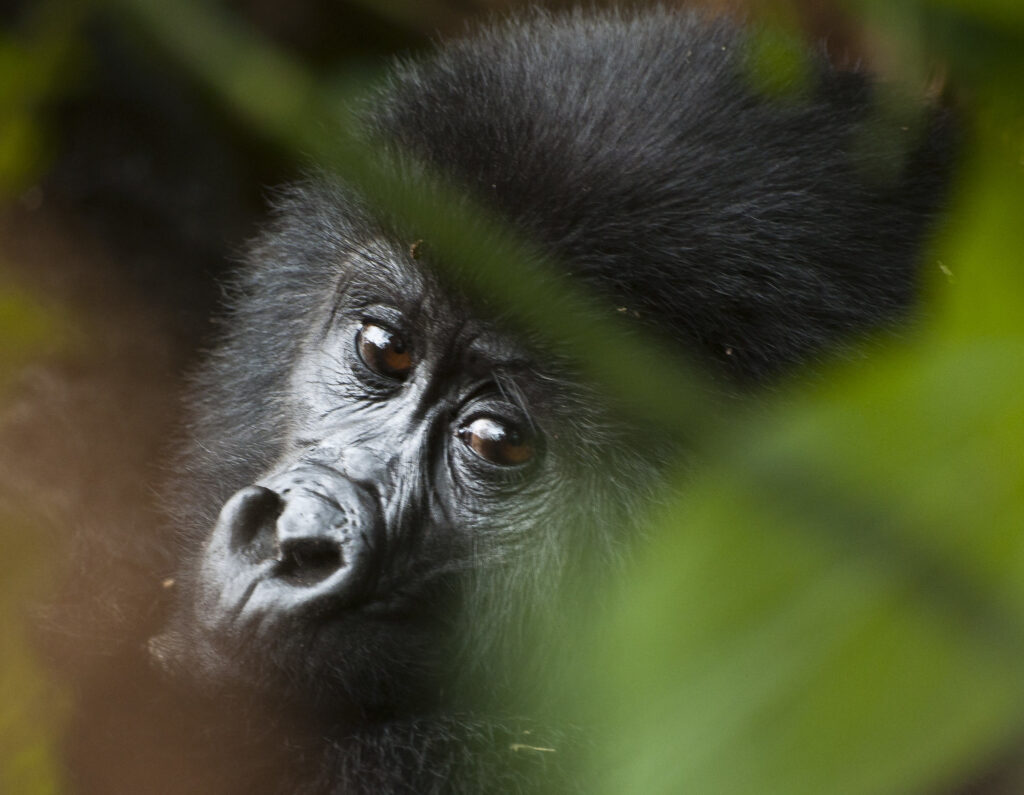
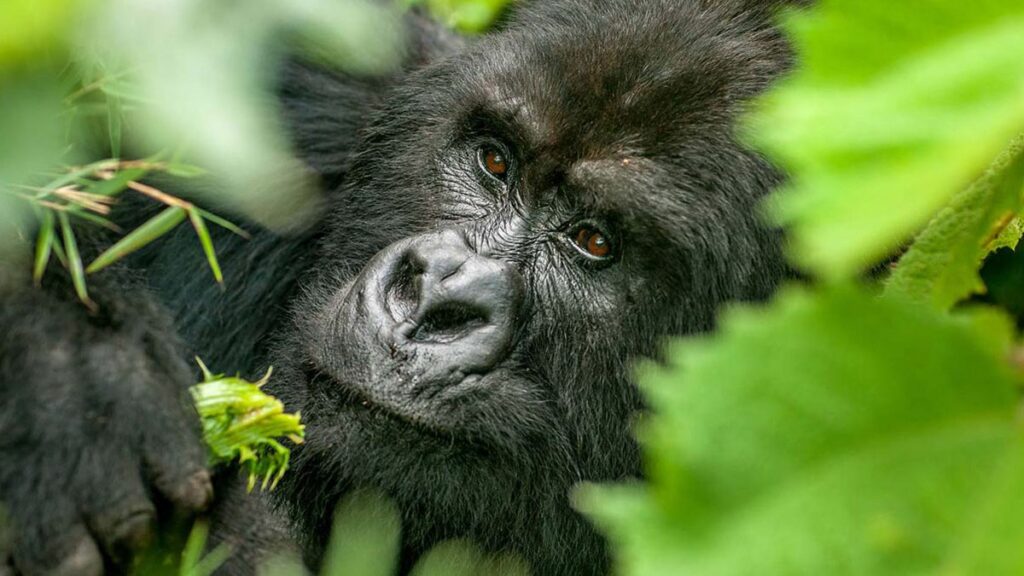
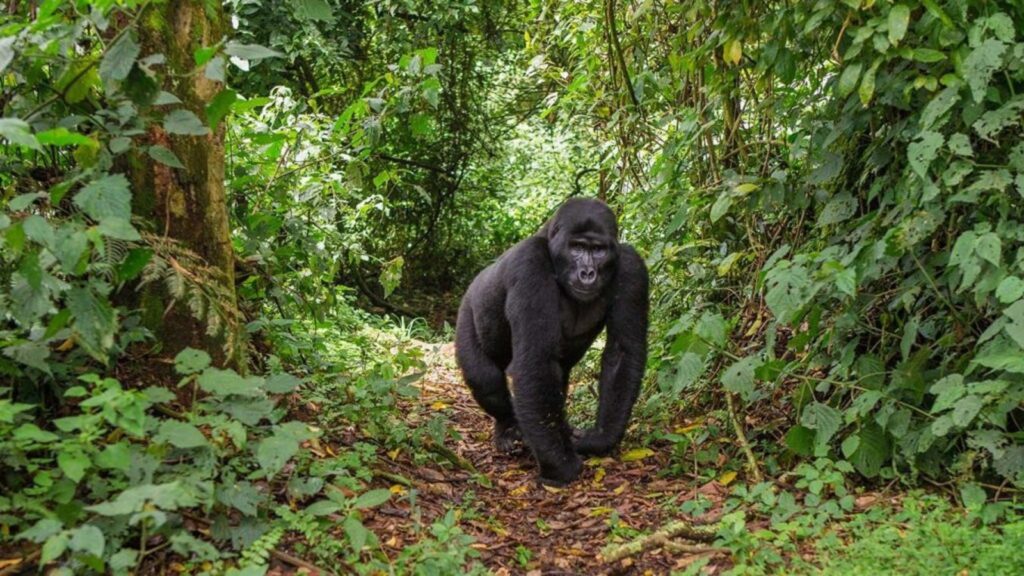
Wildlife in Volcanoes National Park. Volcanoes National Park is famous for its mountain gorillas, yet the forest holds much more than these gentle giants. The park shelters rare primates, secretive mammals, colorful birds, and unique high-altitude species. Exploring these forests gives trekkers a deeper view of Rwanda’s wild side.
The Rich Biodiversity of Volcanoes National Park
The park sits in the Virunga Massif, a region known for deep volcanic soils, thick forests, and high rainfall. This landscape supports a rich mix of wildlife. Trekkers see movement in the bamboo, hear bird calls above the canopy, and spot tracks along the trails. The forest stays alive with color, sound, and motion.
Golden Monkeys
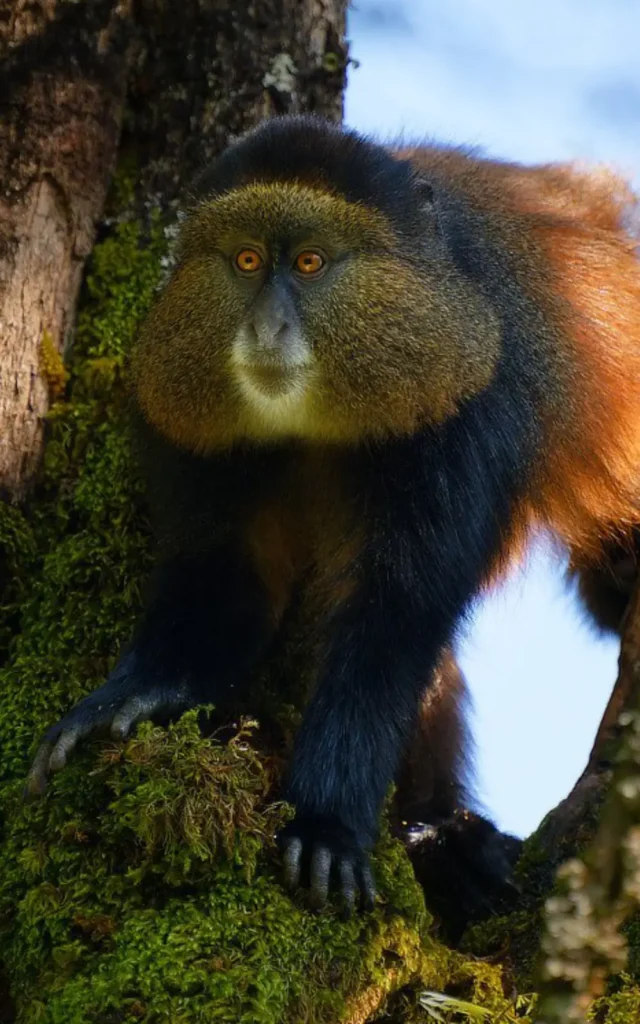
Golden monkeys add color to the park with bright orange and golden fur. They live in large groups and move quickly through the bamboo. Their playful nature makes the golden monkey trek fun and lively. Trekkers watch them jump between branches, feed on bamboo shoots, and interact with each other.
Forest Elephants
Small forest elephants roam the deeper parts of the park. They move quietly and leave deep tracks in soft ground. Rangers often see signs of their movement even though the animals avoid trekkers. These elephants prefer dense vegetation and use hidden paths across the slopes.
Buffaloes
Buffaloes graze in the lower forest zones. They stay alert and move in small groups. Trekkers often spot footprints, dung, or fresh grazing paths. Rangers guide groups safely when buffaloes move near the trails.
Hyenas
Spotted hyenas live in the park’s lower edges. They hunt at night and rest during the day. Their calls echo across villages and forest clearings. Although they stay away from trekking groups, their presence adds to the park’s diversity.
Duikers
Duikers are small antelopes that live in thick vegetation. They move fast and hide easily. Their shy nature makes sightings rare, but trekkers sometimes catch quick glimpses as they cross the path. Blue duikers and black-fronted duikers live in these forests.
Birdlife in the High Forest
Volcanoes National Park attracts bird lovers with over 200 species. Many of these birds live only in the Albertine Rift. Ruwenzori turacos flash bright red wings in flight. Handsome francolins call from the undergrowth. Cinnamon-chested bee-eaters hover along forest edges. The high altitude also supports sunbirds, robins, and warblers.
Reptiles and Amphibians
The wet volcanic soils support several reptiles and amphibians. Chameleons cling to twigs and change color in the mist. Frogs call after afternoon rain. These small creatures add detail to the forest’s ecosystem.
Butterflies and Insects
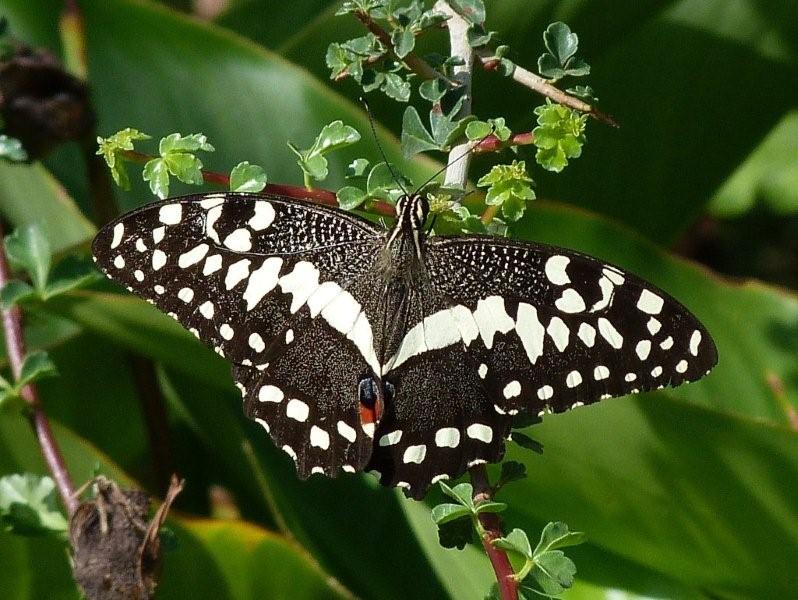
The park hosts vibrant butterflies and rare insect species. Many gather around forest flowers after rainfall. Their colors brighten the dark undergrowth and add beauty to the trek.
Unique Plant Life That Supports Wildlife
The forest plants create food and shelter for many animals. Bamboo feeds gorillas and golden monkeys. Hagenia trees drop flowers that attract birds. Alpine plant species grow higher up, where the terrain becomes rocky and cool. Every plant zone supports different animal groups.
The Importance of Conservation
Wildlife in Volcanoes National Park depends on strong conservation. Rangers monitor the forest daily. Community projects support the protection of animals and reduce conflict. Tourism creates jobs and strengthens conservation across the region. Every trek contributes to this effort.
Plan Your Wildlife Adventure
Gorillas may draw most travelers to Volcanoes National Park, but the forest holds a wide range of wildlife that completes the experience. Trekkers who explore deeper enjoy a richer and more varied journey. For wildlife tours, gorilla permits, and lodge bookings, inquire and book with us at https://www.gorilla-permits.com.