Best Time of Year to Visit Uganda, Rwanda & Congo
Choosing the best time of year to visit Uganda, Rwanda, and the Democratic Republic of Congo depends on what you want to experience, how comfortable you are with varying weather conditions, and how important crowd levels and costs are to your travel plans. These three countries sit along the equator, which means temperatures remain fairly consistent throughout the year, but rainfall patterns play a major role in shaping travel conditions.
For gorilla trekking, wildlife safaris, and broader nature-based travel, understanding the seasonal rhythms of the region helps you plan a smoother and more rewarding journey.
Understanding Seasons in the Great Lakes Region
Uganda, Rwanda, and eastern Congo share a similar equatorial climate with two main dry seasons and two wet seasons. Instead of extreme summer and winter changes, the region experiences alternating periods of rainfall and sunshine that influence trail conditions, road access, and visitor numbers.
Temperatures generally range between 18°C and 28°C depending on altitude, with cooler conditions in mountainous gorilla habitats such as Bwindi, Volcanoes National Park, and Virunga National Park.
Dry Season: The Most Popular Time to Visit
The dry seasons, which typically run from June to September and December to February, are widely considered the best time to visit Uganda, Rwanda, and Congo. During these months, rainfall is lower, trails are less muddy, and trekking conditions are more comfortable.
Gorilla trekking during the dry season is physically easier, especially in steep forested terrain. Wildlife viewing in savannah parks such as Queen Elizabeth National Park in Uganda or Akagera National Park in Rwanda also improves as animals gather around water sources.
Because of these favorable conditions, the dry season attracts the highest number of visitors. Gorilla permits and lodges sell out quickly, and prices tend to be higher. Early planning becomes essential if you intend to travel during this period.
Wet Season: Fewer Crowds and Lush Landscapes
The wet seasons usually occur from March to May and October to November. These months bring heavier rainfall, especially in forested regions, which can make trekking more challenging. Trails may become slippery, and hikes can take longer.
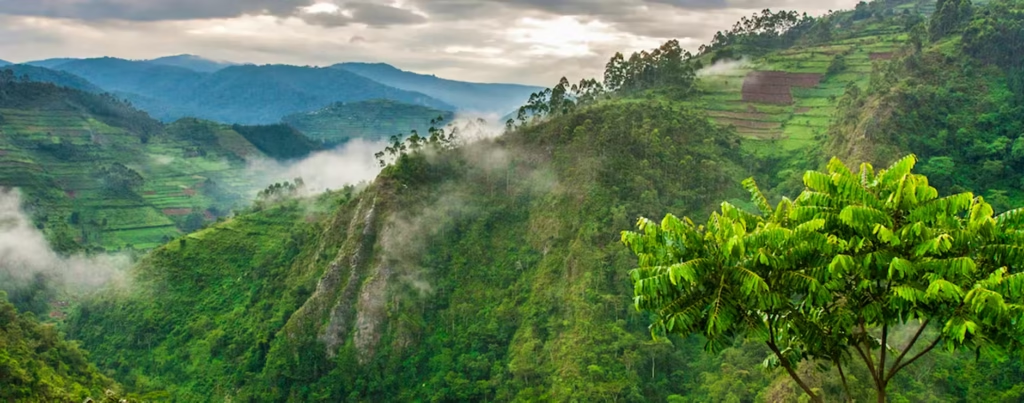
Despite this, the wet season has its advantages. Forests are lush and vibrant, gorilla movements are often shorter due to abundant vegetation, and visitor numbers drop significantly. For travelers seeking a quieter and more intimate experience, this period can be very rewarding.
Permit availability is generally better, and accommodation rates may be lower, making the wet season appealing for budget-conscious or flexible travelers.
Best Time for Gorilla Trekking by Country
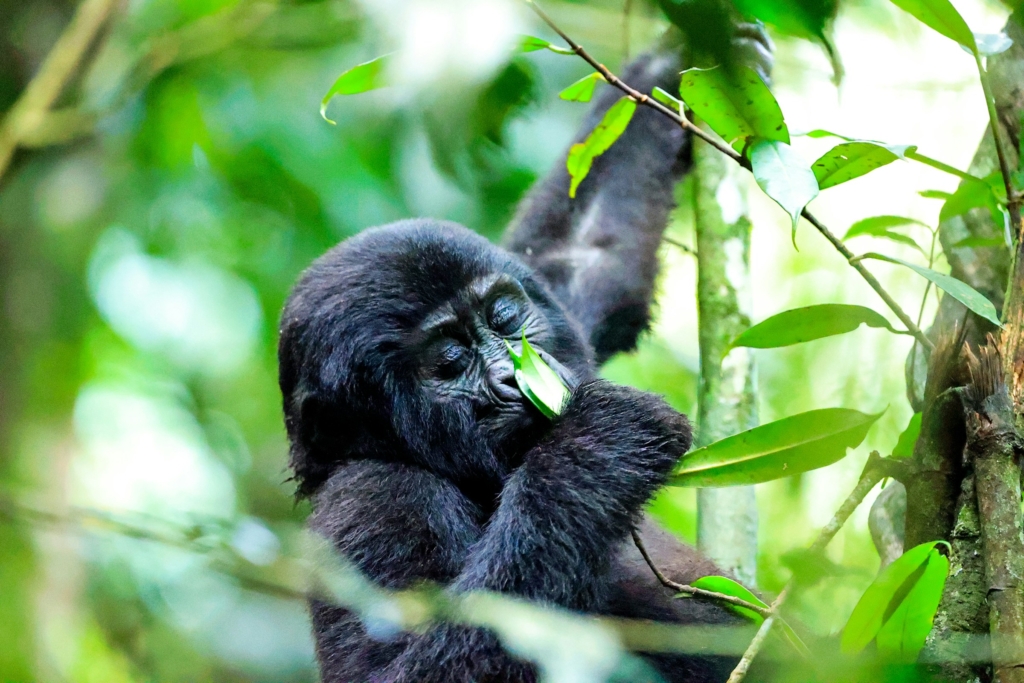
In Uganda, gorilla trekking in Bwindi Impenetrable Forest and Mgahinga Gorilla National Park is best from June to September and December to February. These months offer more stable hiking conditions, though trekking remains possible year-round.
In Rwanda, Volcanoes National Park is accessible throughout the year, but the dry seasons remain the most comfortable. Rwanda’s shorter travel distances and well-maintained infrastructure make it slightly easier to manage even during wetter months.
In Democratic Republic of Congo, the best time to visit eastern parks such as Virunga National Park is during the drier months, particularly June to September. Road conditions and park access can become difficult during heavy rains, making seasonality more critical for Congo travel.
Best Time for Wildlife Safaris Beyond Gorillas
For classic wildlife safaris, the dry season also stands out as the prime time. Grass is shorter, visibility improves, and animals concentrate near rivers and waterholes. This applies to parks like Murchison Falls and Queen Elizabeth in Uganda, as well as Akagera in Rwanda.
Birdwatching, however, can be excellent during wetter months when migratory species are present and breeding activity is high.
When Is the Cheapest Time to Visit?
The most affordable time to visit Uganda, Rwanda, and Congo is generally during the long rainy season from March to May. During this period, lodges often offer discounted rates, and gorilla permits are easier to secure.
While conditions may be wetter, travelers who are well-prepared and flexible can enjoy excellent value without compromising the quality of wildlife encounters.
Final Perspective
There is no single perfect month to visit Uganda, Rwanda, and Congo. The dry season offers ease, comfort, and peak wildlife viewing, while the wet season delivers lush scenery, fewer crowds, and better value. Gorilla trekking remains exceptional throughout the year, as sightings are not seasonal.
The best time to go ultimately depends on your priorities, whether that is comfort, budget, solitude, or flexibility. With proper planning, any season can deliver a deeply rewarding African safari experience.