Best Time for Photography and Clear Views During Gorilla Trekking
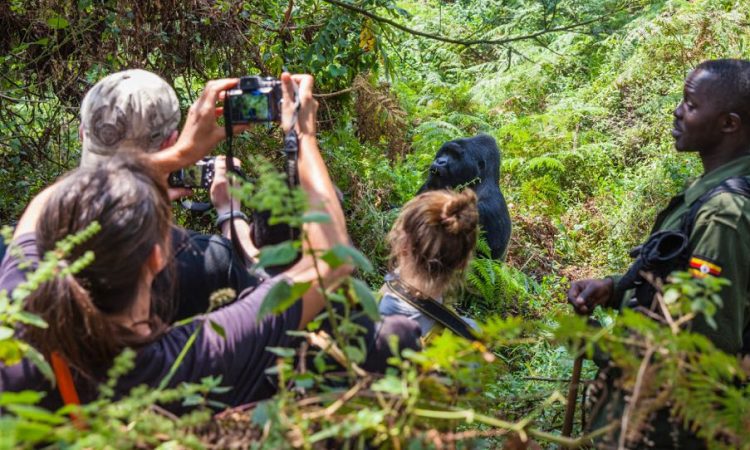
Gorilla trekking photography season. Gorilla photography rewards patience, timing, and a clear understanding of weather patterns. Light, visibility, forest density, and moisture levels all shape the final image. While gorilla encounters happen year-round, certain months consistently deliver clearer views, better lighting, and easier camera handling.
This guide explains the best times for photography-focused gorilla trekking in Bwindi Impenetrable National Park and Volcanoes National Park, helping photographers plan with precision rather than guesswork.
What Makes Gorilla Photography Successful
Strong gorilla images depend on three key elements: visibility, light quality, and stability. Dense foliage blocks sightlines, heavy rain limits lens performance, and low light forces higher ISO settings. When these factors align, photographers capture sharp, expressive images that reflect the true power of a gorilla encounter.
Timing your trek around these elements increases your chances of clear, intimate shots.
Dry Season: The Best Window for Clear Views
June to September: Prime Photography Months
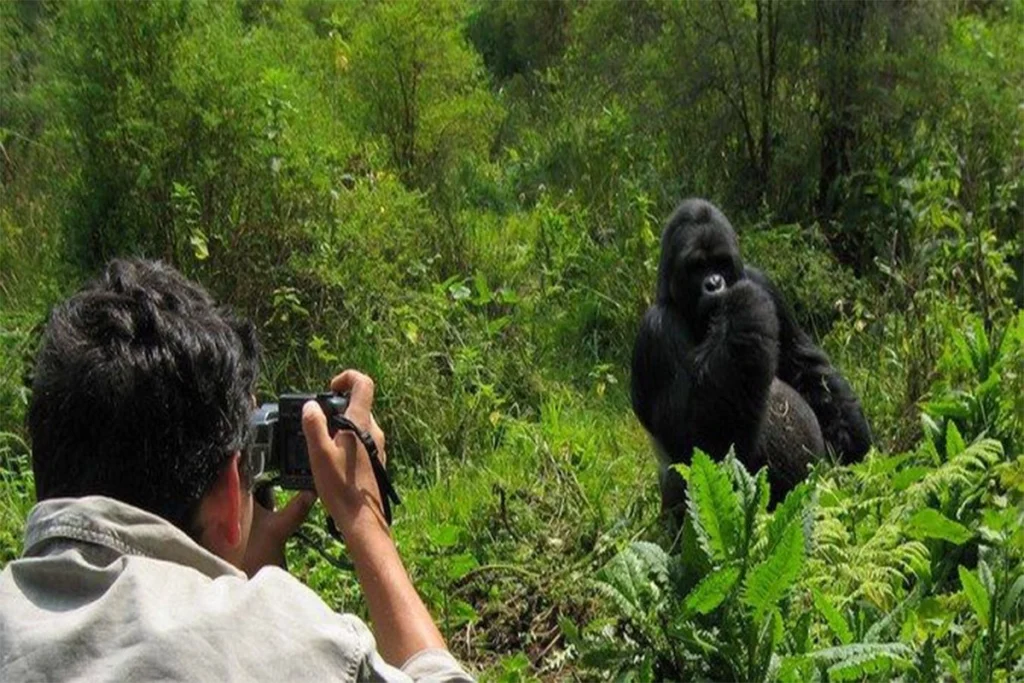
June through September offers the most consistent conditions for photography. Rainfall drops, vegetation thins slightly, and trails dry out. Clear mornings improve visibility inside the forest, allowing better framing and faster autofocus.
Light during this period stays soft and diffused due to altitude and light cloud cover. This balance prevents harsh shadows while keeping shutter speeds high enough for sharp images.
These months suit photographers who prioritize clarity, detail, and ease of movement.
December to February: Bright and Balanced Conditions
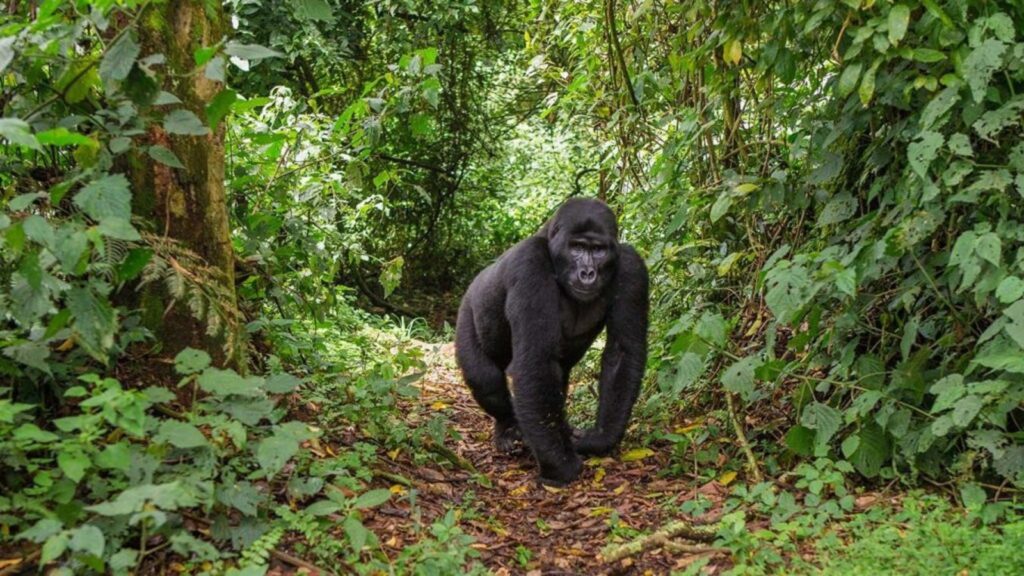
December to February delivers another strong photography window. Rainfall remains low, and forests open up just enough to improve sightlines without losing their lush character.
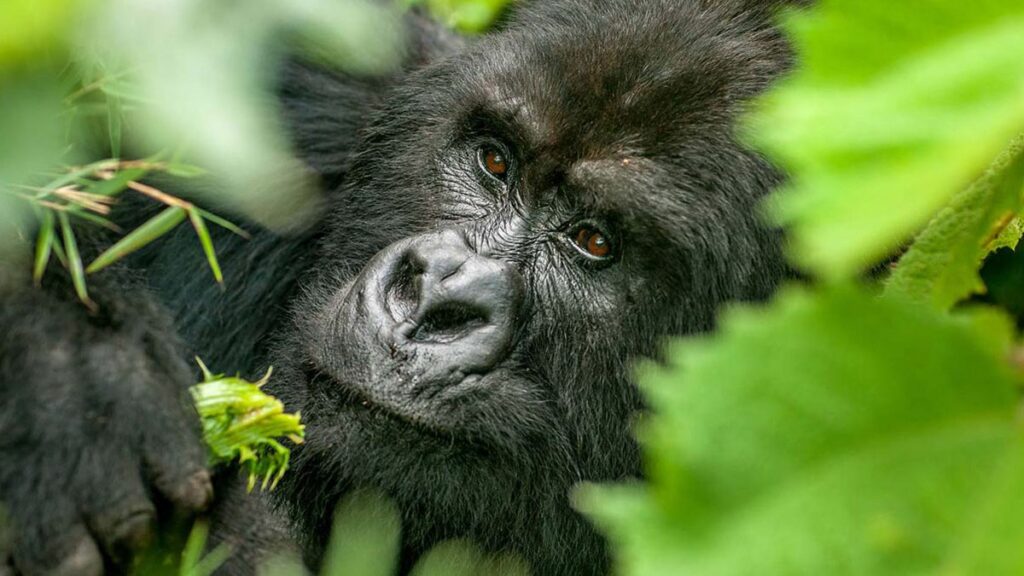
Morning light during these months feels warmer, which adds natural tones to gorilla fur and skin texture. These conditions work especially well for portrait-style images that emphasize facial expression and eye contact.
Rainy Season: Atmospheric but Challenging
March to May: Lush Forests and Moody Light
Heavy rains transform the forest into a deep green environment filled with mist and reflections. While visibility decreases, the atmosphere becomes dramatic and cinematic.
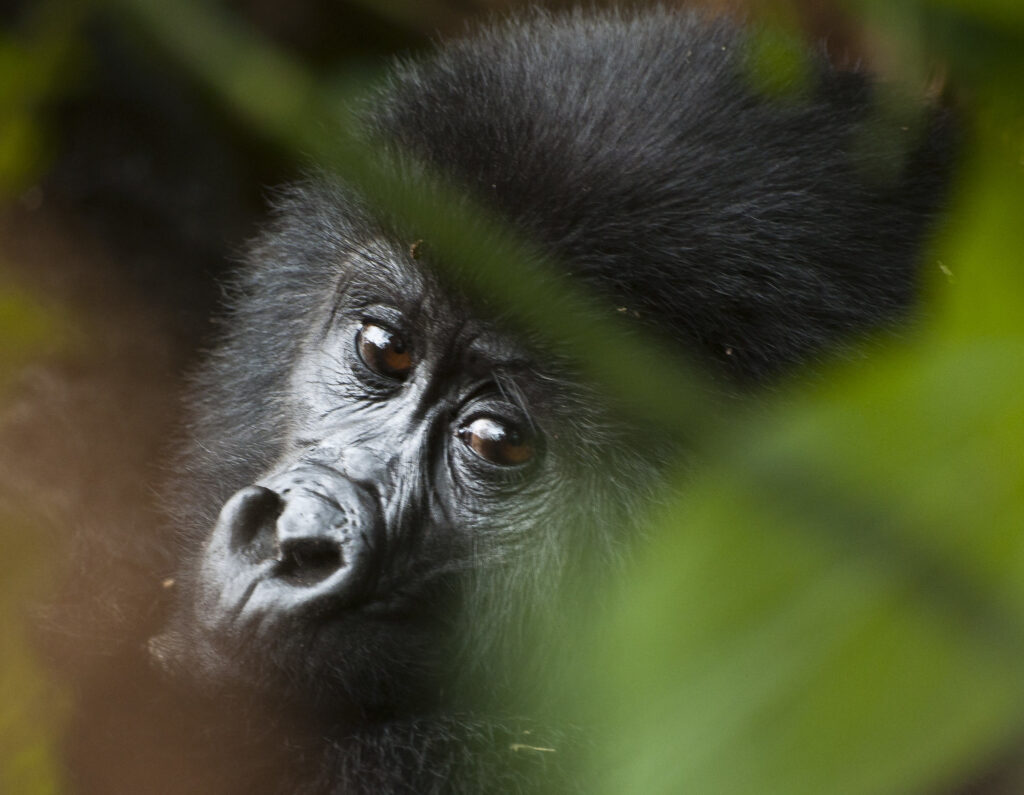
Photographers who enjoy storytelling images thrive during this period. Wet fur textures, mist-filled backgrounds, and softened contrast create emotionally rich compositions. However, camera protection becomes essential, and movement slows due to muddy trails.
October to November: Short Rains and Selective Opportunities
Short rains return during October and November, often in the afternoons. Morning treks still offer windows for clear photography before clouds build.
This season suits flexible photographers who want fewer crowds and are willing to adapt quickly to changing light conditions.
Gorilla Behavior and Photography Timing
Gorillas remain active throughout the year, but weather influences where they feed and rest. During wetter months, gorillas often stay on lower slopes where food grows abundantly. This behavior can shorten trekking distances and allow longer shooting windows once you reach them.
Dry months may require longer hikes but often deliver more stable shooting conditions once you arrive.
Best Time of Day for Gorilla Photography
Most gorilla treks start early in the morning. Morning light offers the best balance between brightness and softness. By midday, forest light becomes patchier as the sun rises overhead.
Photographers benefit from keeping cameras ready immediately after locating the gorillas, as early moments often provide the best angles before vegetation or movement shifts the scene.
Crowd Levels and Shooting Space
Dry seasons attract more visitors, which can limit movement around the gorillas. Rainy seasons reduce crowd pressure, giving photographers more freedom to reposition quietly.
Choosing less busy months can improve shooting angles, even if conditions feel slightly more challenging.
Photography Gear and Preparation
Weather-resistant cameras perform best in gorilla regions. Fast lenses help manage low-light forest conditions. Simple protection like rain covers and microfiber cloths keep equipment functional throughout the trek.
Hiring a porter helps photographers focus fully on shooting rather than balance or terrain.
So, When Is the Best Time Overall?
For clear views and technical ease, June to September stands out as the best time for gorilla photography. For creative, atmospheric images, March to May offers unmatched mood and depth.
The best time depends on whether you value clarity or emotion more in your photography.
Plan Your Safari With Us
Photography-focused gorilla safaris demand smart timing, flexible planning, and the right lodge locations. We help photographers choose ideal travel months, secure permits, and design itineraries that maximize shooting opportunities. Our team understands light, terrain, and logistics inside gorilla forests.
Enquire today, and let us plan a gorilla photography safari that delivers clear views, strong light, and unforgettable images.