Best Time for Birdwatching and Nature Walks in Gorilla Regions
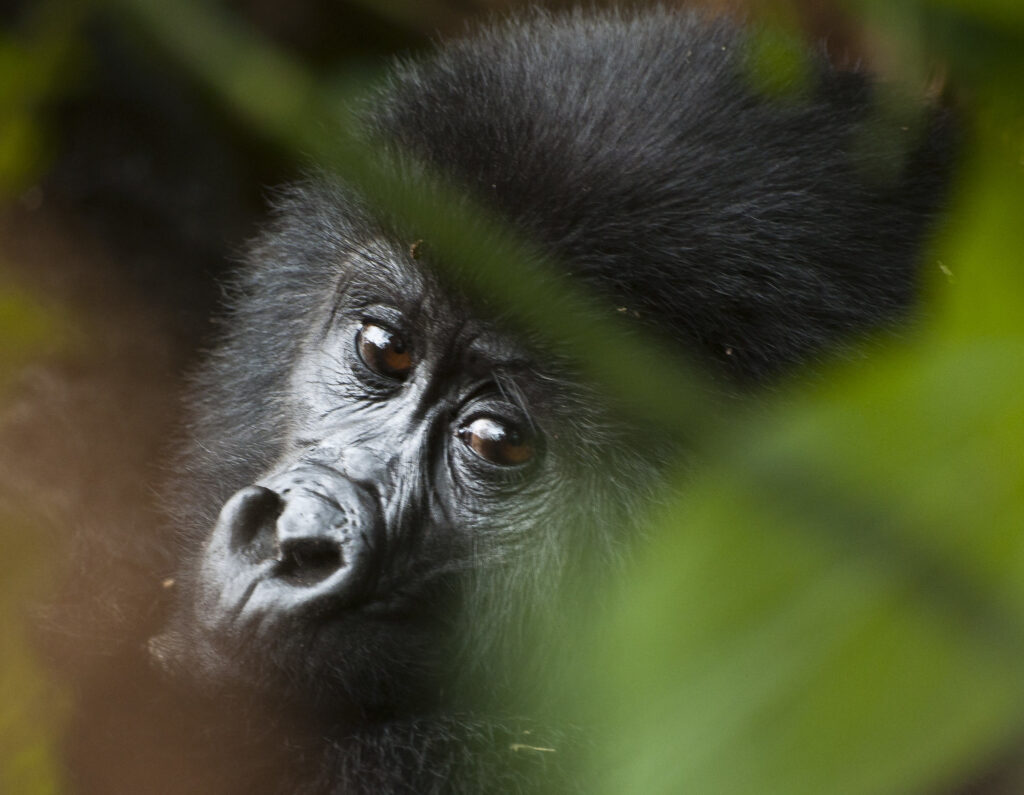
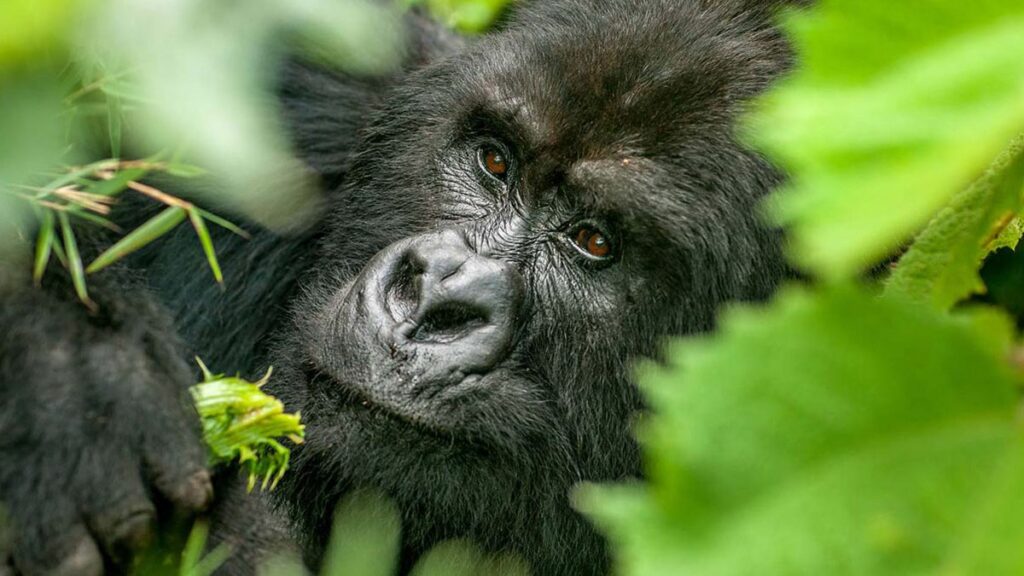
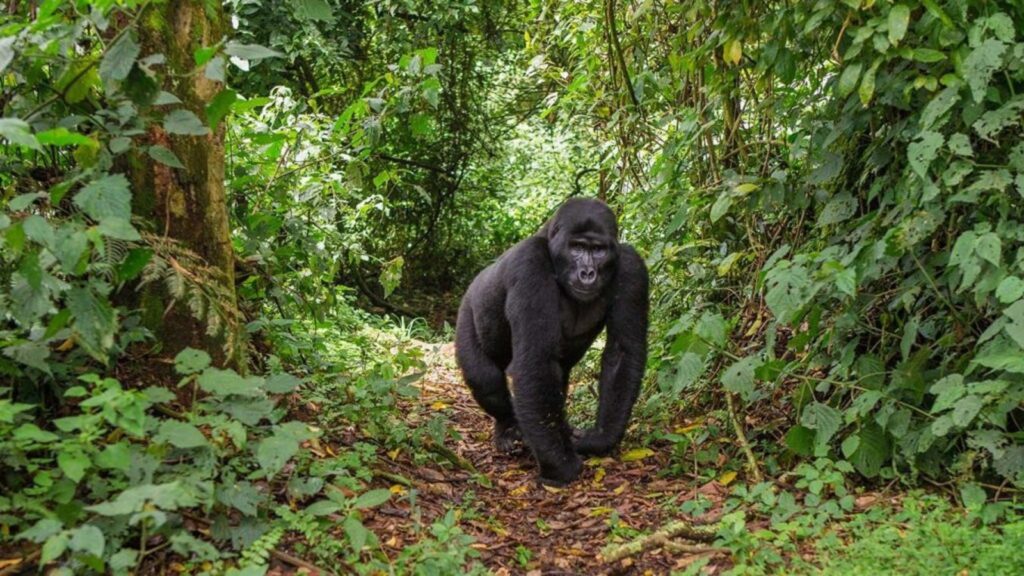
Birdwatching and guided nature walks reveal a quieter, more detailed side of gorilla parks. While many visitors focus on gorilla trekking, these forests also shelter hundreds of bird species, rare plants, butterflies, and small mammals. Timing your visit well improves sightings, walking comfort, and overall immersion in nature.
This guide explains the best times for birdwatching and nature walks in Bwindi Impenetrable National Park, Mgahinga Gorilla National Park, and Volcanoes National Park.
Why Timing Matters for Birding and Nature Walks
Bird activity depends heavily on rainfall, food availability, and breeding cycles. Weather also affects walking conditions, visibility, and comfort. Unlike gorilla trekking, which follows fixed rules and schedules, birdwatching and nature walks reward flexibility and patience.
Choosing the right season increases vocal activity, visual sightings, and walking ease.
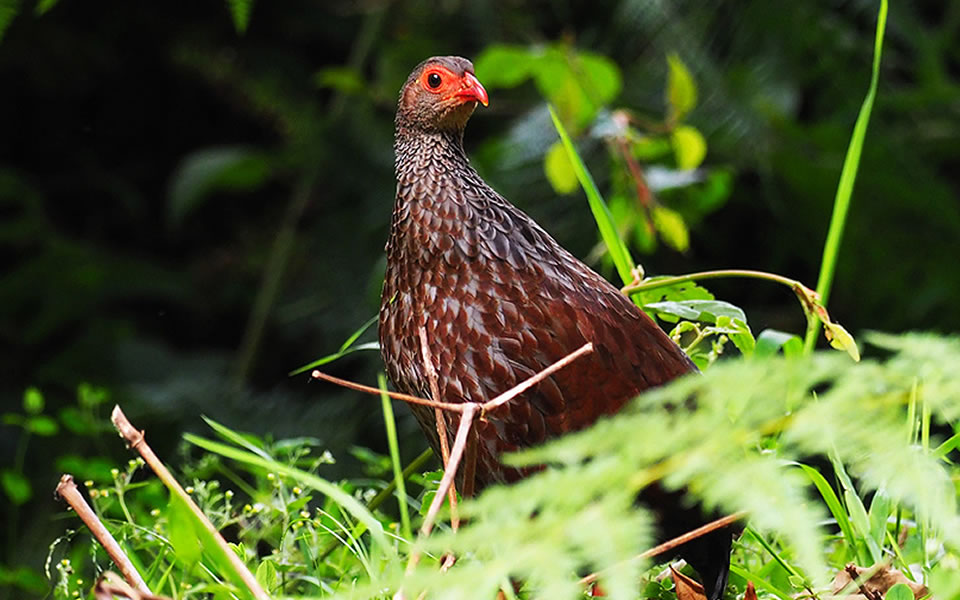
Best |for Birdwatching: The Green Months
March to May and October to November
The green season offers the best birdwatching of the year. Rain triggers breeding behavior, nest building, and frequent calling. Birds sing more actively, which makes identification easier even in dense forest.
Migratory species arrive during these months, especially from October to April, increasing overall diversity. Forests feel alive with sound, movement, and color.
In Bwindi alone, birders can record well over 300 species during the green season, including many Albertine Rift endemics.
Dry Season: Better Walking, Quieter Birds
June to September and December to February
Dry months improve trail conditions for walking. Paths stay firm, and longer nature walks feel easier on the body. Visibility also improves as foliage thins slightly.
However, bird vocal activity drops during dry periods. Sightings still happen, but they rely more on visual tracking rather than sound. This season suits travelers who prioritize relaxed walking over intensive birding.
Best Time of Day for Birdwatching and Walks
Early mornings deliver the highest bird activity. Birds feed, sing, and move actively just after sunrise. Nature walks scheduled between 6:30 am and 10:00 am usually produce the best results.
Late afternoons also offer good opportunities, especially near forest edges and wetlands, though activity rarely matches morning levels.
Park-by-Park Experience
Bwindi Impenetrable National Park
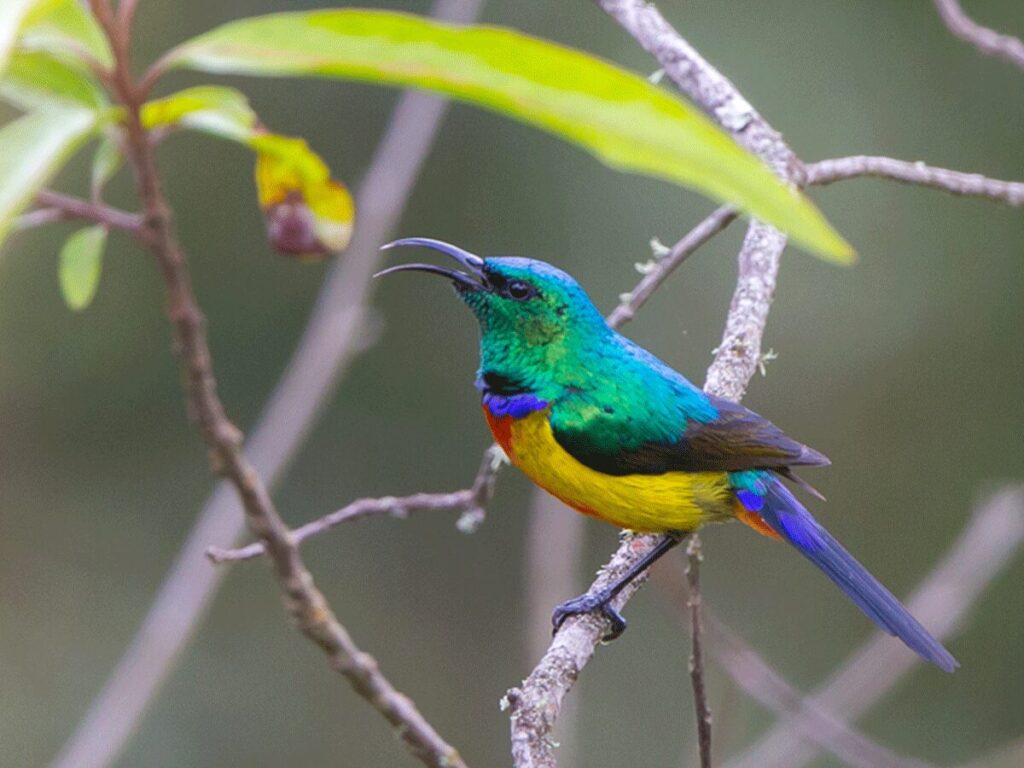
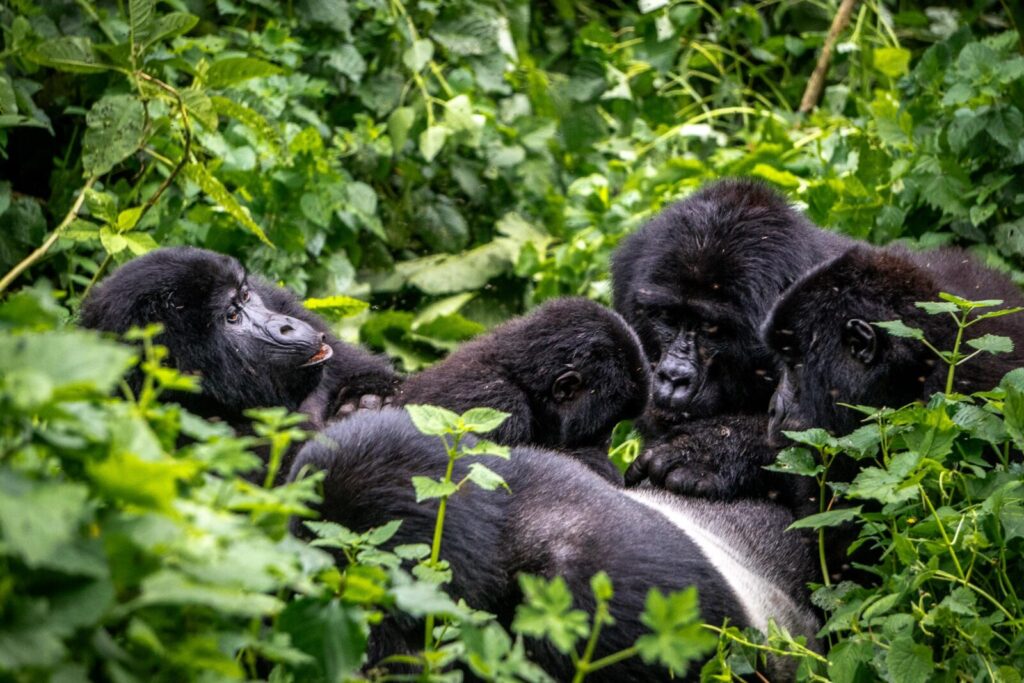
Bwindi stands as one of Africa’s top birding destinations. Its varied altitude creates multiple habitats, from lowland forest to montane zones. Guided forest walks reveal colorful sunbirds, turacos, and rare forest specialists.
Green season walks feel rich and musical, while dry season walks feel easier and more scenic.
Mgahinga Gorilla National Park
Mgahinga offers open trails and volcanic landscapes that make walking more comfortable year-round. Birdwatching here includes montane species and alpine-zone birds not found in Bwindi.
Dry months suit longer walks, while green months increase bird activity around bamboo zones and forest edges.
Volcanoes National Park
Birding in Volcanoes National Park feels more specialized and scenic. Misty slopes and bamboo forests host unique species adapted to higher altitude. Rainy months boost bird calls and movement, while dry months offer clearer views and easier pacing.
Nature walks here combine birding with strong landscape photography opportunities.
Weather, Light, and Photography
Green season light feels softer due to cloud cover, which helps with bird photography by reducing harsh shadows. Wet leaves reflect color beautifully, adding depth to images.
Dry season light feels brighter and more direct, which improves long-distance visibility but requires careful exposure control.
What to Wear |Birding and Nature Walks
Lightweight, neutral-colored clothing works best. Long sleeves protect against insects and vegetation. Waterproof footwear remains important, especially in the green season.
Binoculars with good low-light performance enhance forest birding, where light often filters unevenly through the canopy.
Crowd Levels and Experience Quality
Birdwatching and nature walks attract fewer visitors than gorilla trekking. During the green season, trails feel especially quiet, creating peaceful, immersive experiences.
Dry season brings slightly more walkers, but crowding rarely becomes an issue compared to gorilla trekking routes.
Who Should Focus on Birding and Nature Walks?
These activities suit travelers who enjoy slow exploration, photography, and ecological learning. They work well for repeat visitors, families, and travelers who prefer low-impact activities alongside gorilla trekking.
Plan Your Safari With Us
Birding and nature walks deserve just as much planning as gorilla trekking. We help you choose the best months, secure expert guides, and design itineraries that balance walking, wildlife, and comfort. Our team understands seasonal bird behavior and trail conditions across Uganda and Rwanda.
Enquire now and let us plan a safari that brings you closer to birds, forests, and nature—step by step.