Are Mountain Gorillas Getting Extinct?
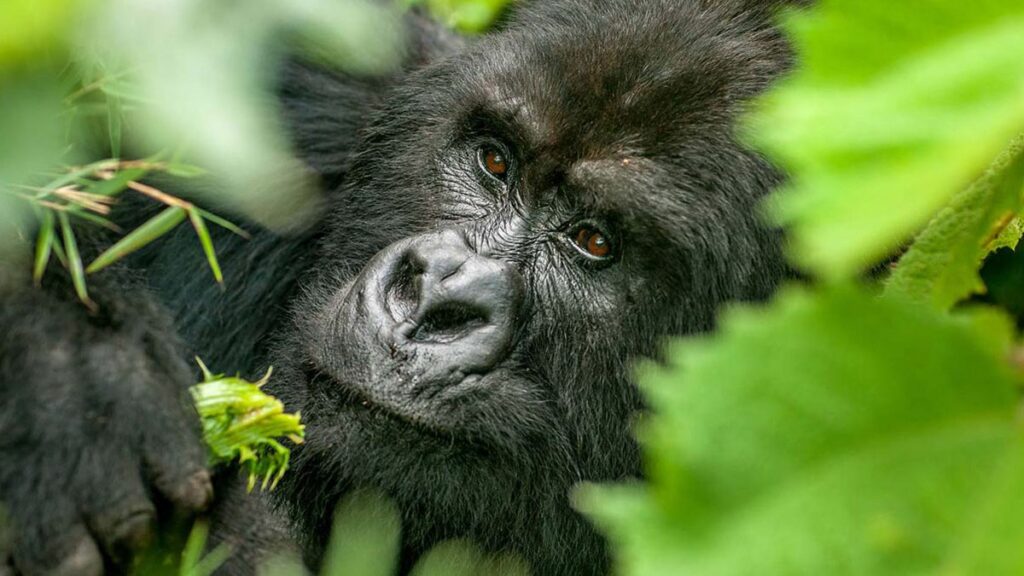
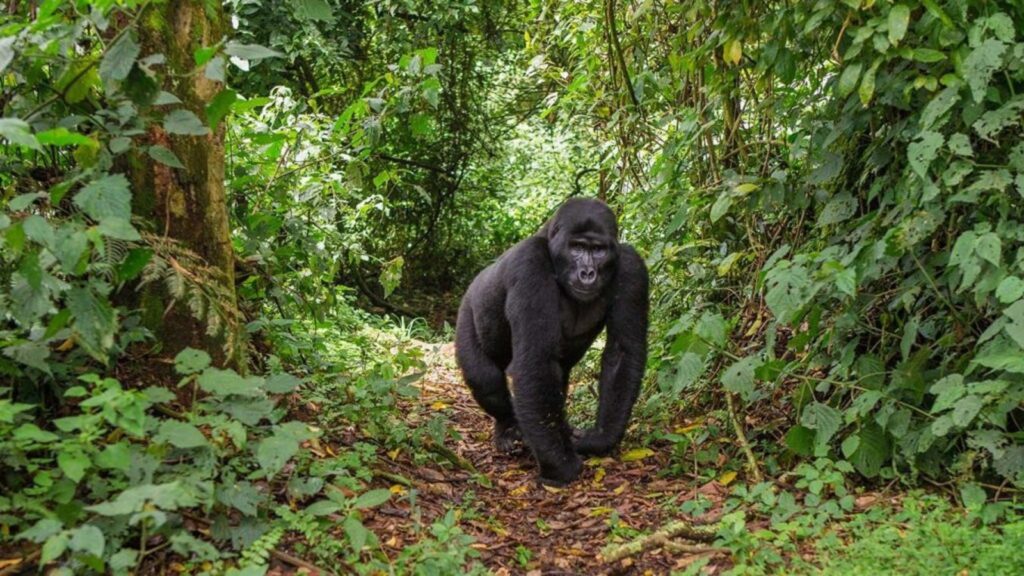
Mountain gorilla extinction. Mountain gorillas once stood at the edge of extinction, and for many years, their survival remained uncertain. Habitat loss, poaching, disease, and human conflict pushed their population to dangerously low numbers. Today, their situation has improved, but the risk has not disappeared. Mountain gorillas are no longer declining at the same alarming rate, yet they still depend heavily on continuous protection.
Understanding their current status requires looking at where they came from, what nearly wiped them out, and what keeps them alive today.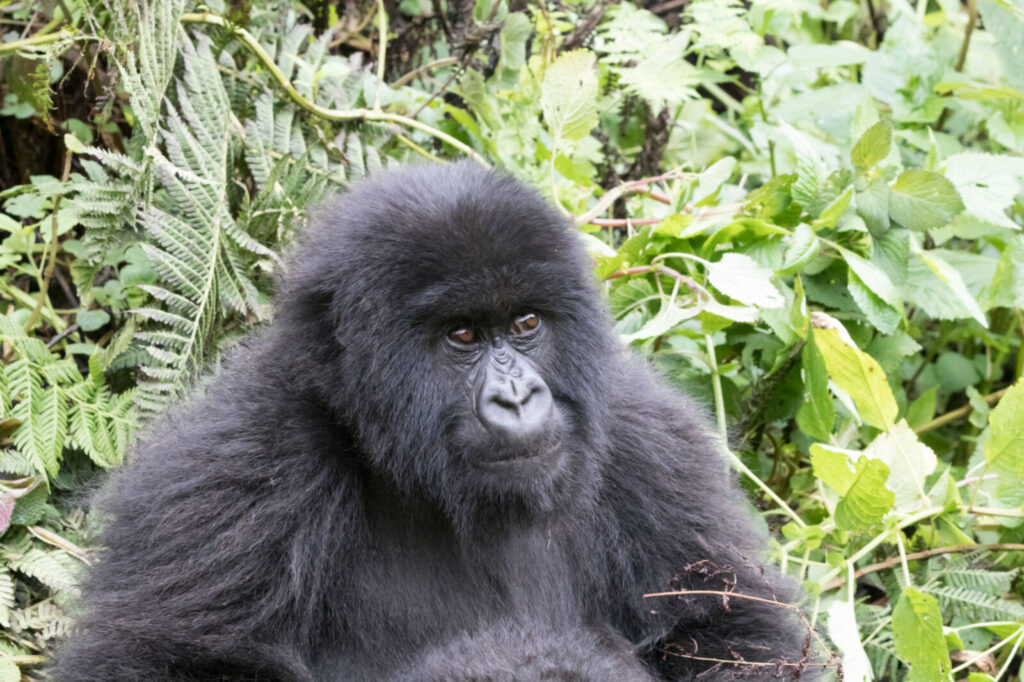
The Past Threat of Extinction
In the late twentieth century, mountain gorilla numbers dropped sharply. Forest clearing reduced their habitat. Poachers targeted wildlife in gorilla forests, sometimes killing gorillas directly and sometimes through snares meant for other animals. Armed conflict in parts of Central Africa disrupted conservation work and ranger patrols.
By the 1980s, fewer than 300 mountain gorillas remained in the wild. At that point, extinction felt like a real and immediate possibility. Conservationists considered the species one of the most endangered mammals on Earth.
Current Population Status
Mountain gorilla numbers have increased slowly over the past few decades. Intensive protection, scientific monitoring, and controlled tourism changed their trajectory. Recent surveys show that the total population now exceeds one thousand individuals.
This growth marks a major conservation success. It also makes mountain gorillas the only great ape species whose population is increasing rather than declining. However, this improvement does not mean they are safe from extinction.
Why Mountain Gorillas Are Still at Risk
Despite population growth, mountain gorillas remain highly vulnerable. They live in small, isolated forest areas with no room for expansion. Any major disease outbreak could spread quickly through groups because of close social contact.
Human pressure around parks continues to grow. Communities depend on land for farming and resources, which increases the risk of habitat encroachment. Climate change also affects forest vegetation, altering food availability over time.
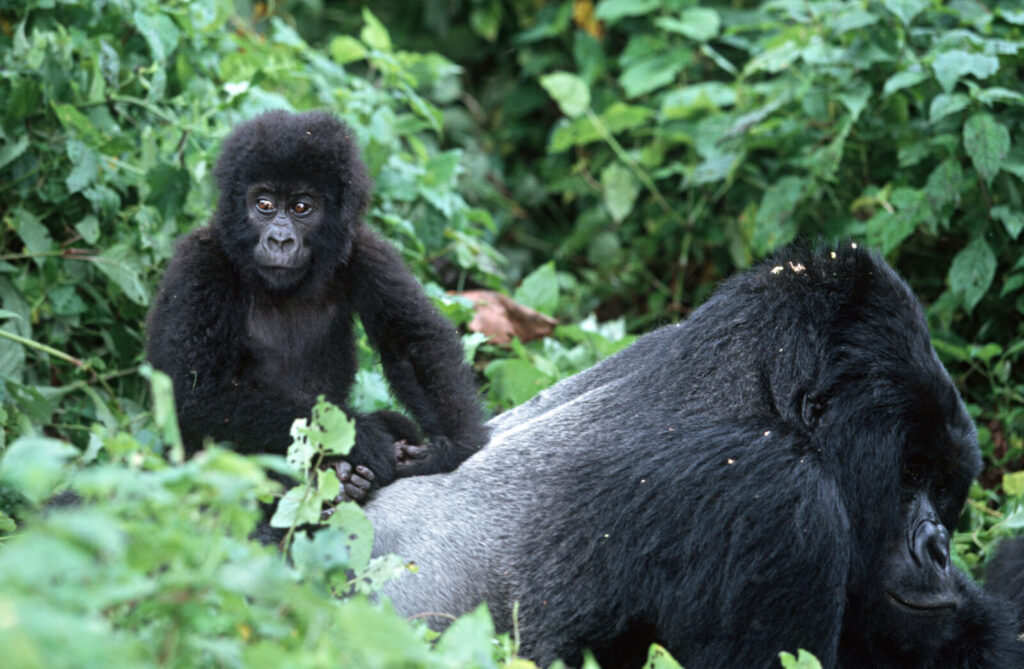
Their slow reproduction rate adds another challenge. Females give birth only once every several years. This means recovery remains slow even under ideal conditions.
The Role of Conservation and Tourism
Mountain gorilla survival depends on constant protection. Ranger patrols prevent poaching and illegal activities. Veterinary teams intervene when gorillas suffer from injuries or illness, often caused by human activity.
Responsible gorilla trekking plays a major role in this success. Permit fees fund conservation programs, park management, and community projects. Local communities benefit directly, which reduces conflict between people and wildlife.
Tourism works because it follows strict rules. Visitors keep distance, limit group size, and spend only a short time with gorillas. These measures reduce stress and disease transmission.
What Would Happen Without Protection
Without continued conservation, mountain gorilla numbers would decline again. Habitat loss would accelerate. Poaching pressure would return. Disease outbreaks would become harder to control.
Their limited range means they have nowhere else to go. Unlike some species, they cannot relocate to new forests. Protection remains their only safeguard.
Are Mountain Gorillas Safe Today?
Mountain gorillas are not extinct, and they are not currently declining. However, they still qualify as endangered and remain conservation-dependent. Their survival relies on daily effort from rangers, scientists, governments, and local communities.
Their story shows that extinction can be reversed, but only with long-term commitment.
Plan Your Stay
Visiting mountain gorillas in the wild offers more than a wildlife encounter. It directly supports their survival. Trekking destinations in Uganda, Rwanda, and Congo operate under strict conservation guidelines that protect gorillas and their habitat.
Travelers should plan permits early, prepare for forest conditions, and choose operators committed to responsible tourism. A well-planned visit allows meaningful observation while contributing to one of the world’s most important conservation success stories.