African Countries with Mountain Gorillas
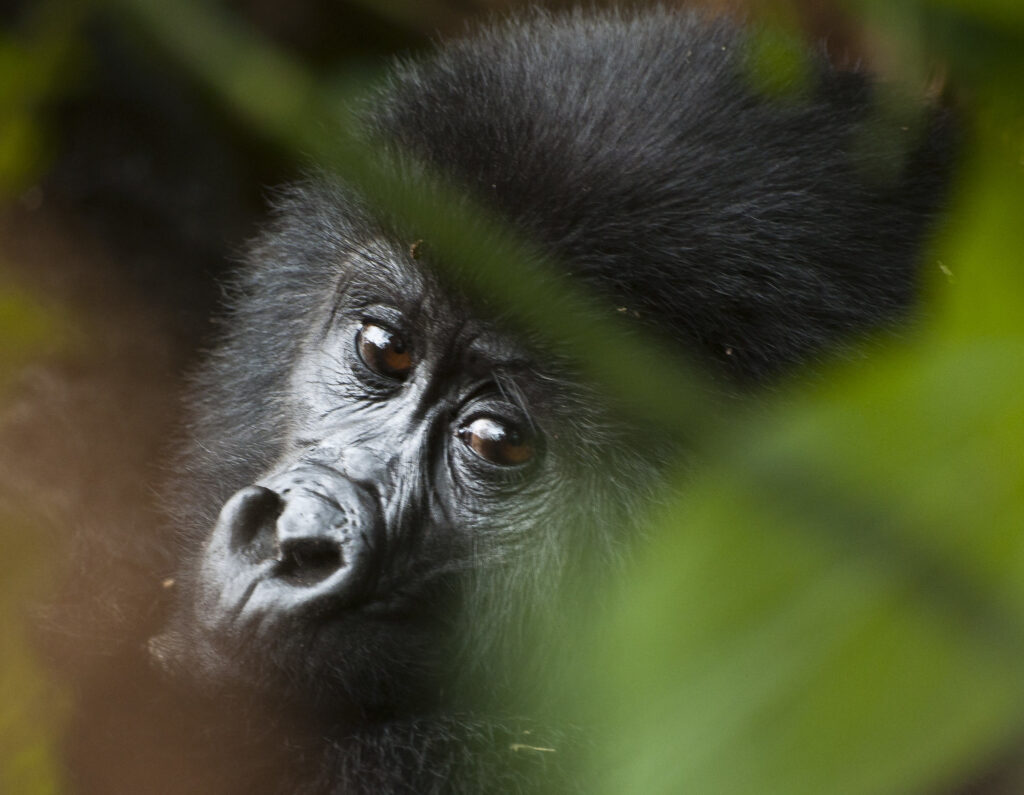
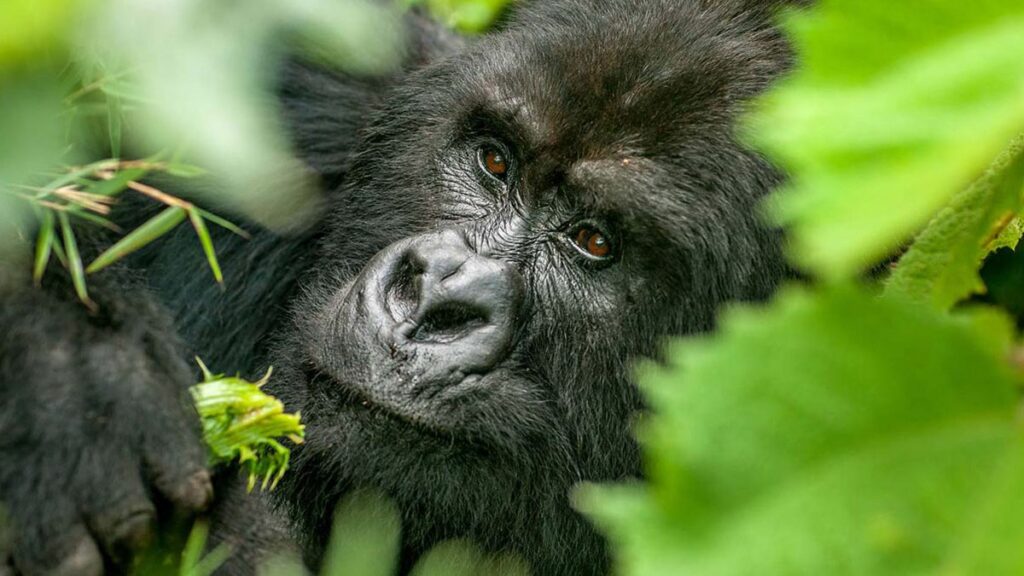
Mountain gorillas live in only a few places on Earth. Their entire wild population survives within a small region of East and Central Africa. These gorillas do not roam across the continent. Instead, they depend on specific high-altitude forests with cool temperatures, dense vegetation, and year-round food availability.
Today, only three African countries host wild mountain gorillas. Each country protects them within carefully managed national parks.
Uganda
Uganda holds nearly half of the world’s mountain gorilla population. The country plays a central role in global mountain gorilla conservation and research.
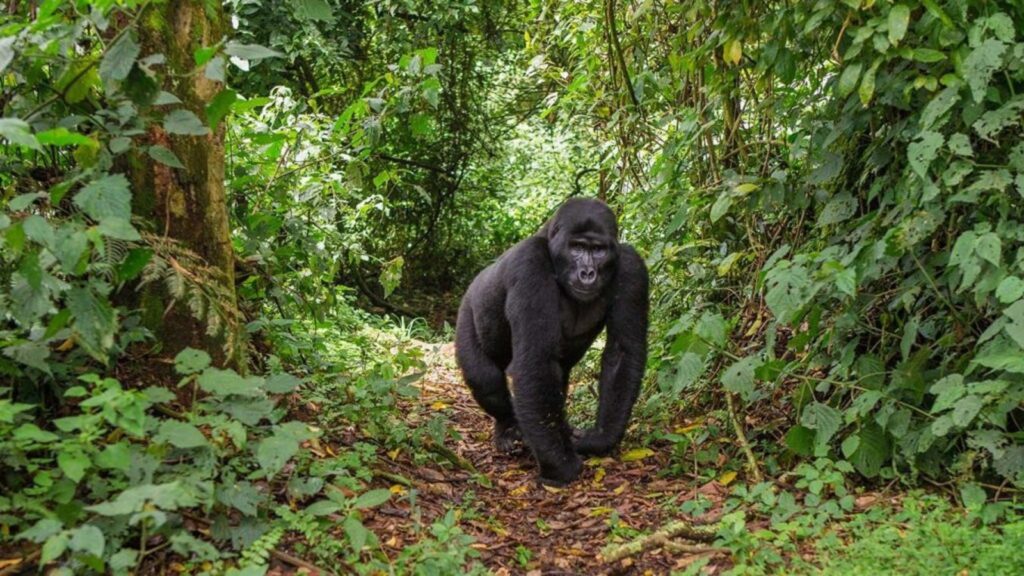
Mountain gorillas in Uganda live in Bwindi Impenetrable Forest National Park and Mgahinga Gorilla National Park. Bwindi alone supports several habituated gorilla families spread across different sectors. The forest’s dense vegetation and steep terrain create ideal conditions for gorilla feeding and shelter.
Uganda operates a highly regulated gorilla trekking program. Permit revenue supports conservation, ranger patrols, veterinary care, and community development. Because of its population size and accessibility, Uganda remains one of the most important strongholds for mountain gorillas.
Rwanda
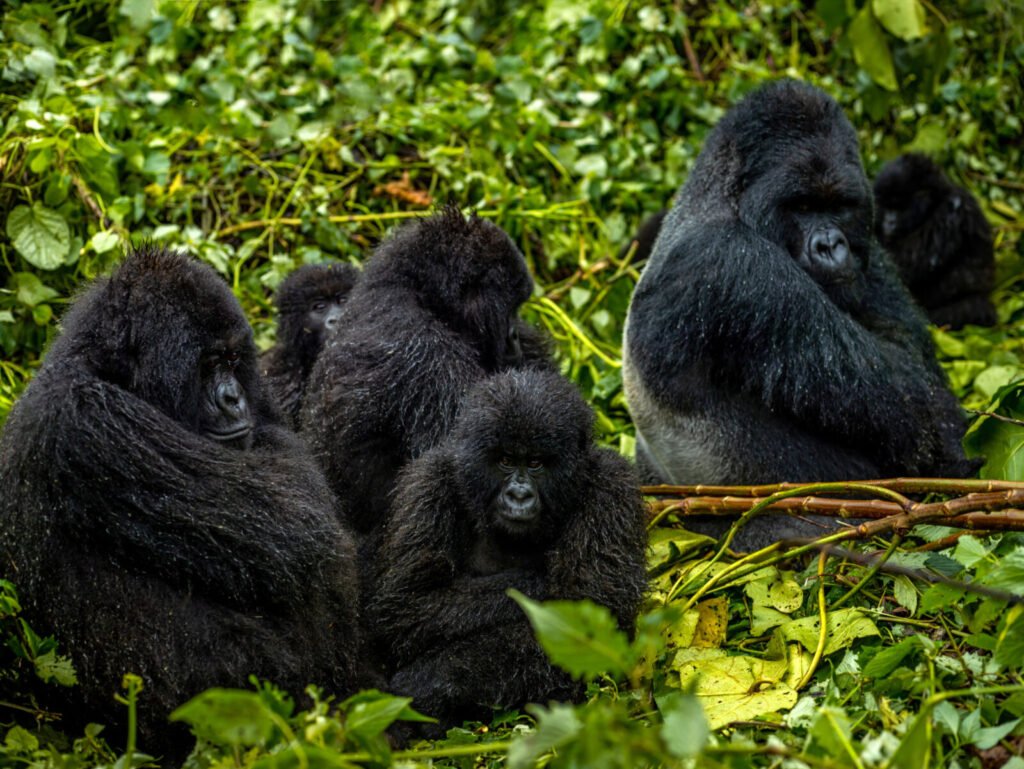
Rwanda hosts mountain gorillas in Volcanoes National Park, part of the larger Virunga mountain range. This park lies in the northwest of the country and consists of bamboo forests, volcanic slopes, and montane vegetation.
Although Rwanda covers a smaller area than Uganda, its conservation model has achieved strong protection results. Gorilla groups here benefit from intensive monitoring and strict tourism controls. Treks often involve shorter distances, making the experience accessible to a wide range of visitors.
Rwanda positions mountain gorilla conservation as a high-value, low-impact tourism product, ensuring continued funding for protection efforts.
Democratic Republic of Congo
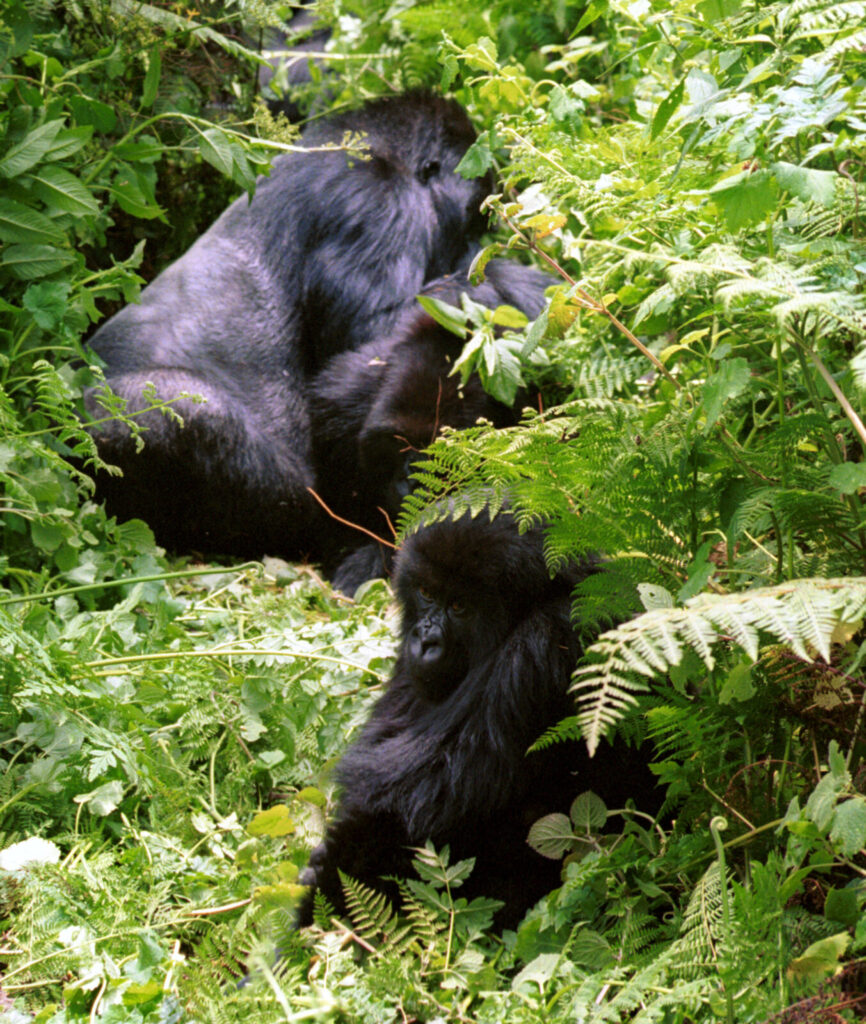
The Democratic Republic of Congo hosts mountain gorillas within Virunga National Park, Africa’s oldest national park. This region forms the western part of the Virunga Mountains and supports several gorilla families.
Virunga’s forests offer rich biodiversity and complex ecosystems. Mountain gorillas here share space with other wildlife and volcanic landscapes. Conservation work continues despite challenges linked to security and land pressure. Congo remains essential to mountain gorilla survival because the Virunga ecosystem spans across borders. Protection in one country directly affects gorillas in neighboring states.
Why Only These Three Countries Have Mountain Gorillas
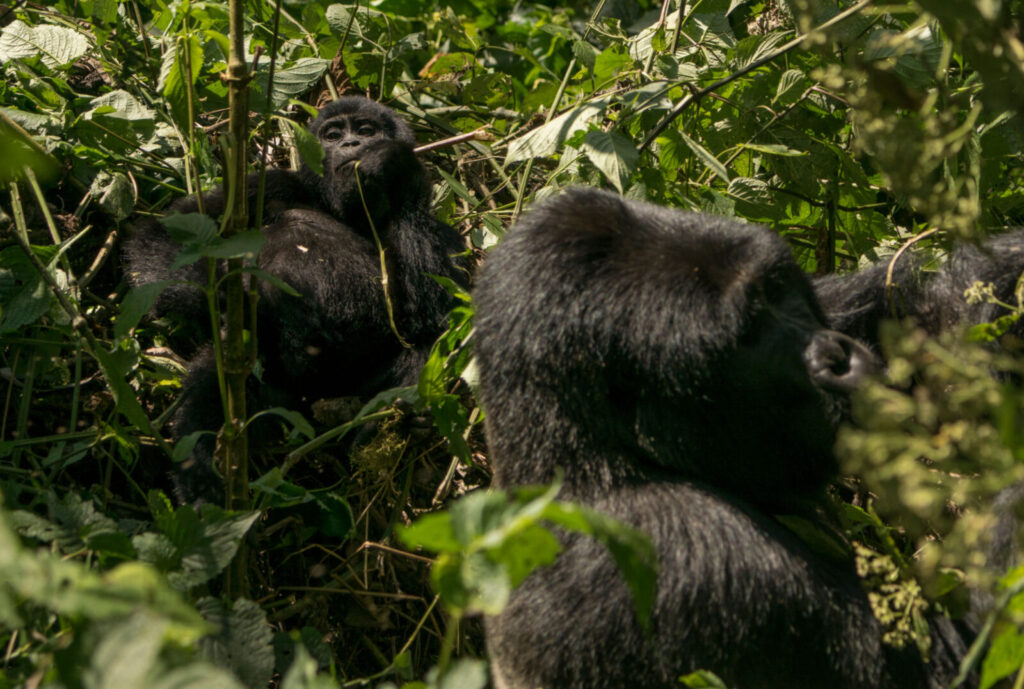
Mountain gorillas evolved in high-altitude forests formed by volcanic activity. These conditions exist only in the Virunga Mountains and Bwindi region. No other part of Africa provides the same combination of elevation, climate, and vegetation.
Because mountain gorillas never migrated beyond this zone, their range remains extremely limited. This restriction makes protection within these three countries critical.
Shared Responsibility Across Borders
Mountain gorillas move naturally within forest corridors that cross national boundaries. Conservation therefore depends on cooperation between Uganda, Rwanda, and Congo. Joint monitoring, research, and disease control help maintain stable populations.
This shared responsibility explains why regional conservation strategies focus on ecosystem-wide protection rather than isolated parks.
Plan Your Stay
Travelers who wish to see mountain gorillas can choose between Uganda, Rwanda, and Congo, depending on travel style, budget, and trekking preference. Each country offers a distinct experience shaped by terrain, permit systems, and conservation models.
Early permit booking remains essential due to limited daily visitor numbers. Choosing responsible tour operators supports conservation and local communities while ensuring safe and respectful gorilla encounters.
A well-planned visit contributes directly to the survival of mountain gorillas in all three African countries.