Gorilla Trekking from Spain: Complete Planning Guide
Gorilla trekking from Spain offers Spanish travelers an opportunity to combine a journey from Europe with one of Africa’s most extraordinary wildlife experiences. Mountain gorilla trekking takes place in Uganda and Rwanda, where visitors enter protected mountain forests to observe habituated gorilla families in their natural environment. For travelers from Madrid, Barcelona, Valencia, Seville, and other Spanish cities, the journey involves reaching East Africa by international flight and then continuing to the appropriate gorilla trekking destination.
Uganda and Rwanda are the two main destinations to consider when planning a gorilla safari from Spain. Uganda offers gorilla trekking in Bwindi Impenetrable National Park and Mgahinga Gorilla National Park, while Rwanda offers trekking in Volcanoes National Park. Each destination has different travel logistics, permit prices, accommodation options, and opportunities for combining gorilla trekking with other African experiences.
This guide explains how to plan gorilla trekking from Spain, including flights, permits, visas, transportation, accommodation, health preparation, trekking expectations, packing, budgeting, travel insurance, and ways to combine your gorilla experience with a wider African safari.
Can You Go Gorilla Trekking from Spain?
Yes. Spanish citizens can travel to Uganda or Rwanda for mountain gorilla trekking. However, Spain does not have mountain gorilla trekking because the species lives naturally in a restricted region of East-Central Africa.
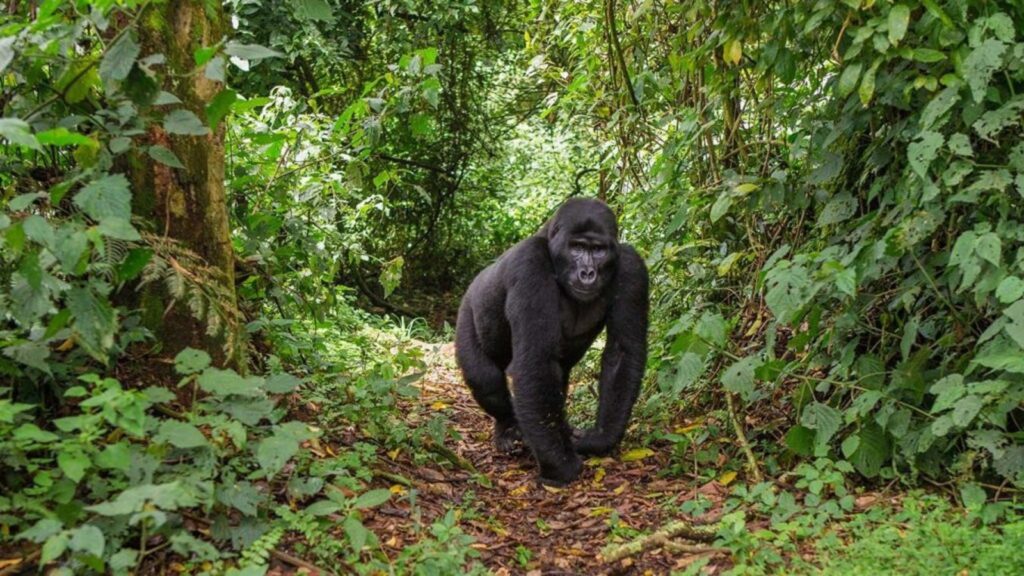
Uganda protects mountain gorillas in Bwindi Impenetrable National Park and Mgahinga Gorilla National Park. Bwindi contains several trekking sectors, including Buhoma, Ruhija, Rushaga, and Nkuringo. Mgahinga forms part of the larger Virunga mountain ecosystem and provides another opportunity for gorilla trekking.
Rwanda offers gorilla trekking in Volcanoes National Park, located in the Virunga Mountains. The park is relatively close to Kigali, making it a convenient option for travelers with shorter itineraries.
Spanish travelers can therefore choose between two established gorilla trekking destinations depending on their preferred itinerary, budget, travel time, and other African destinations they want to visit.
Choosing Uganda or Rwanda from Spain
Choosing between Uganda and Rwanda is an important decision when planning gorilla trekking from Spain. Both countries provide regulated gorilla trekking experiences, but their travel arrangements and surrounding attractions differ.
Uganda can suit travelers who want to combine gorilla trekking with a longer wildlife itinerary. Visitors can explore Bwindi before or after visiting Queen Elizabeth National Park, Kibale National Park, Lake Mburo National Park, or other Ugandan destinations.
Rwanda provides a more compact gorilla trekking itinerary for travelers who want to minimize the amount of road travel after arriving in East Africa. Volcanoes National Park is accessible from Kigali, allowing visitors to combine the trek with a stay in Rwanda’s capital.
The cost of gorilla permits also differs between the countries. Travelers should check the current official prices before booking because wildlife authorities can change tariffs.
Rather than choosing solely on permit price, compare the entire trip, including flights, transportation, accommodation, activities, and available vacation time.
Flights from Spain to East Africa
Most travelers planning gorilla trekking from Spain will begin their journey from Madrid-Barajas Airport or Barcelona-El Prat Airport. Both cities provide extensive international connections, while travelers from other Spanish cities can connect through Madrid, Barcelona, or another European hub.
Depending on the itinerary, travelers can fly toward Entebbe in Uganda or Kigali in Rwanda. Some routes require one or more connections through European, Middle Eastern, or African airports.
Flight schedules vary throughout the year, so travelers should check current schedules when booking. Connection times also matter because a very long layover can add considerable time to an already lengthy journey.
When comparing flights, consider the arrival time as well as the ticket price. Arriving early enough to continue toward the gorilla trekking region can make the overall itinerary easier to manage.
Traveling from Madrid or Barcelona to Uganda
Travelers choosing Uganda normally fly to Entebbe International Airport. Entebbe provides Uganda’s main international gateway and connects travelers with safari destinations throughout the country.
After arrival, travelers heading toward Bwindi or Mgahinga can continue by road or investigate domestic and charter flight options to suitable airstrips in southwestern Uganda.
The road journey from Entebbe toward the gorilla trekking region can be long. A private safari vehicle allows travelers to break up the journey and potentially include other attractions along the route.
Travelers should ideally arrive in the gorilla trekking region at least one day before the trek. This provides time to rest after the international journey and prepare for the early-morning briefing.
Traveling from Spain to Rwanda
Rwanda can provide a convenient alternative for Spanish travelers. International visitors arrive through Kigali International Airport before continuing by road toward Volcanoes National Park.
The journey from Kigali to the gorilla trekking region is considerably shorter than the overland journey from Entebbe to southwestern Uganda. This can make Rwanda useful for travelers with limited vacation time.
Travelers can spend a night in Kigali before continuing toward Volcanoes National Park. This provides an opportunity to recover from the international flight and explore Rwanda’s capital.
Those with more time can extend the itinerary with additional Rwandan attractions before or after gorilla trekking.
How Long Should You Spend on the Trip?
The ideal duration for gorilla trekking from Spain depends on the purpose of your trip. A traveler interested only in gorilla trekking can organize a relatively short itinerary, while someone seeking a broader African adventure may spend two weeks or more exploring several destinations.
A short gorilla trip should still include sufficient time for international flights, transfers, accommodation, and the trek itself. Building the schedule too tightly can create problems if flights or road transfers are delayed.
A longer Uganda itinerary can combine gorilla trekking with chimpanzee tracking and traditional wildlife safaris. Rwanda also provides opportunities to combine gorilla trekking with other national parks and cultural experiences.
Travelers should also consider jet lag and physical recovery. Spending at least one night near the trekking destination before entering the forest provides a more comfortable start to the experience.
Gorilla Permit Costs for Travelers from Spain
The gorilla permit is one of the most important expenses when planning gorilla trekking from Spain. Permit costs depend on the country, visitor category, and tariff applicable to the trekking date.
Spanish citizens traveling for tourism should confirm the current foreign visitor permit rate before booking. Uganda’s gorilla permit tariffs can change, and Rwanda operates a separate permit system.
Travelers should also distinguish between the gorilla permit and the total safari price. The permit is only one part of the overall budget. Flights, accommodation, transportation, meals, insurance, visas where applicable, and optional activities create additional costs.
Travelers should request a complete quotation from their tour operator so that they understand which services are included and which expenses they must pay separately.
How to Book a Gorilla Permit from Spain
Travelers should secure the gorilla permit before committing to a fixed itinerary. Gorilla trekking permits are limited because authorities control the number of visitors who can visit habituated gorilla families each day.
Spanish travelers visiting Uganda can work with a licensed tour operator to arrange the permit and coordinate the rest of the safari. A reputable operator can help match the permit sector with suitable accommodation and transportation.
Travelers visiting Rwanda can use official tourism booking channels or work with a reputable safari operator.
Before making payment, confirm the exact trekking date, destination, visitor category, permit cost, and booking conditions. Keep copies of all reservation documents and payment records.
Booking early can also make it easier to secure accommodation in the appropriate trekking sector.
Visa and Entry Requirements for Spanish Travelers
Visa and entry requirements should be checked before booking gorilla trekking from Spain. Requirements depend on your nationality, destination, and the countries included in your itinerary.
Spanish travelers should check Uganda’s current immigration requirements if they intend to trek in Uganda. Those traveling to Rwanda should similarly verify Rwanda’s current entry requirements.
Your passport should meet the relevant validity requirements and have sufficient space for immigration formalities where required.
If your itinerary includes Kenya, Tanzania, Uganda, or Rwanda, check the entry rules for every country rather than assuming that permission to enter one country applies to all of them.
Travel regulations can change, so travelers should use official immigration sources when preparing for departure.
Health Preparation Before Gorilla Trekking
Health preparation is an important part of planning a gorilla safari from Spain. The mountain forests can be humid, muddy, steep, and physically demanding.
Spanish travelers should consult a qualified travel-health professional before departure. The advice should consider the entire itinerary and the destinations included in the trip.
Physical preparation can also improve the experience. Regular walking, hiking, stair climbing, and cardiovascular exercise can help travelers prepare for several hours of movement through uneven terrain.
Travelers taking regular medication should carry enough supplies for the journey and keep important medical information accessible.
Travel insurance should provide appropriate medical and emergency coverage for the countries and activities included in the itinerary.
Accommodation Before Gorilla Trekking
Accommodation should match the exact trekking sector. This is particularly important in Uganda because Bwindi’s trekking sectors cover different parts of the forest.
Travelers with permits for Buhoma, Ruhija, Rushaga, or Nkuringo should stay near the appropriate sector. Selecting a lodge far from the briefing point can result in an unnecessarily early start.
Travelers trekking in Mgahinga should select accommodation with convenient access to the park headquarters.
In Rwanda, visitors trekking in Volcanoes National Park can choose from several accommodation categories around the park.
Booking accommodation after securing the gorilla permit helps ensure that the lodge location matches the trekking arrangements.
Transportation During the Gorilla Safari
Transportation is an important part of gorilla trekking from Spain because the international flight only covers the first stage of the journey.
In Uganda, travelers can use private safari vehicles, scheduled transfers, or domestic flights where available. Private transportation provides flexibility and makes it easier to include other safari destinations.
In Rwanda, travelers can travel from Kigali toward Volcanoes National Park by road.
Travelers should avoid arranging the gorilla trek immediately after a long international flight. Arriving at least one day before trekking allows time to rest and prepare.
Those combining gorilla trekking with a wider safari should also allow enough time between destinations to accommodate road conditions and possible delays.
What to Expect on Gorilla Trekking Day
Gorilla trekking normally begins early in the morning at the park headquarters. Visitors register, receive a briefing, and learn the rules for interacting with the gorillas before entering the forest.
The trek can vary considerably in length and difficulty. Some visitors may find their assigned gorilla family relatively close to the starting point, while others may walk for several hours.
The forest terrain can include steep slopes, mud, dense vegetation, and narrow trails. Rainfall can also occur unexpectedly.
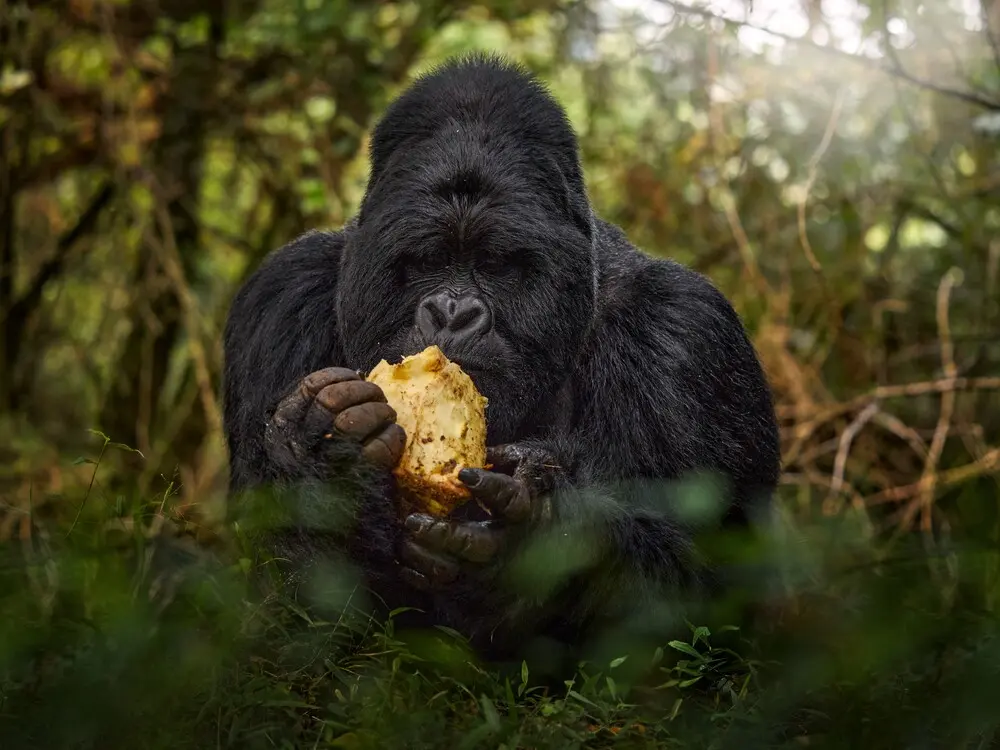
Once the gorillas are located, visitors observe the family under the guidance of trained park personnel. The gorillas may feed, rest, climb, play, or move through the forest.
Every encounter is different because the animals behave naturally within their habitat. Travelers should remain attentive to their guides throughout the experience.
Gorilla Trekking Etiquette
Respect for the animals is central to responsible gorilla trekking. Spanish travelers should follow all instructions provided by guides and trackers.
Visitors should remain calm around the gorillas and avoid sudden movements. Touching the animals is not permitted, even when a gorilla approaches very closely.
Travelers should avoid loud conversations and unnecessary movements during the encounter. They should also follow photography rules and never leave rubbish in the forest.
Health precautions are equally important. Visitors who are unwell before trekking should inform their tour operator or park authorities rather than concealing their symptoms.
Following these guidelines helps protect mountain gorillas and supports sustainable tourism.
What to Pack for Gorilla Trekking from Spain
Packing for gorilla trekking from Spain requires preparation for a humid and sometimes wet forest environment. The clothing you use in Spanish cities will not necessarily be suitable for mountain forest trekking.
Waterproof hiking boots provide better traction on muddy trails. Long trousers and long-sleeved shirts provide protection from vegetation and insects.
A waterproof jacket is essential because rain can occur at short notice. Travelers should also carry a small daypack containing water, snacks, personal medication, a camera, and other essential items.
Walking poles can provide useful support on steep or slippery sections.
Avoid carrying unnecessary equipment because a heavy backpack can make the trek more difficult.
Porters are available in many trekking areas and can carry bags while also providing an important source of income for local communities.
Best Time for Gorillas Trekking from Spain
Gorilla trekking is available throughout the year, although weather conditions can affect trail conditions.
Relatively dry periods can make some trails easier to navigate, while wetter periods can produce muddy and slippery conditions. Rain remains possible throughout the year because the gorilla habitats are mountainous forest ecosystems.
Spanish travelers should consider their entire African itinerary when choosing travel dates. If the trip includes Kenya, Tanzania, Uganda, or Rwanda, the timing of those activities should also influence the final schedule.
Permit availability can be more important than weather when travelers have fixed vacation dates.
The best approach is to coordinate the gorilla permit, flights, accommodation, transportation, and other safari activities before making final bookings.
Combining a Spain Gorilla Trip with an African Safari
Travelers from Spain can turn their gorilla adventure into a much larger African holiday. Uganda provides several opportunities to combine gorilla trekking with wildlife and primate experiences.
After trekking in Bwindi, visitors can continue toward Queen Elizabeth National Park, where they can search for elephants, buffaloes, lions, hippos, and other wildlife.
Kibale National Park provides another option for travelers interested in chimpanzee tracking and forest ecosystems.
Travelers choosing Rwanda can combine Volcanoes National Park with Akagera National Park or other attractions.
Those with more time can combine their gorilla experience with Kenya or Tanzania. A multi-country itinerary can include savannah safaris, mountain forests, cultural experiences, and coastal destinations.
Budgeting for Gorilla Trekking from Spain
The total cost of gorilla trekking from Spain depends on the complete itinerary. Travelers should consider the gorilla permit alongside international flights, accommodation, transportation, meals, insurance, visas where applicable, and additional activities.
Transportation can represent a significant expense. Uganda’s gorilla destinations require a longer transfer from Entebbe, while Rwanda’s Volcanoes National Park can be reached by road from Kigali.
Accommodation also influences the final price. Luxury lodges can significantly increase the total cost, while mid-range and budget accommodation can reduce expenses.
Spanish travelers should request a detailed safari quotation that clearly explains what is included. Comparing complete itineraries provides a more accurate picture than comparing permit prices alone.
Travel Insurance for Spanish Travelers
Travel insurance is worth considering for a gorilla safari because the journey involves international flights, regional transportation, and physically demanding activities.
Travelers should check whether their policy covers Uganda or Rwanda and the activities included in the itinerary. Medical treatment, emergency evacuation, trip cancellation, travel delays, and baggage problems may all be relevant.
Emergency evacuation coverage deserves particular attention because gorilla trekking takes place in remote forest environments.
Keep digital copies of your insurance documents and important travel information throughout the journey.
Why You Should Book Early
Early planning is particularly important for gorilla trekking from Spain because the journey involves several arrangements that need to work together.
The gorilla permit must match the correct trekking date and destination. Accommodation needs to be near the relevant trailhead, while flights and ground transportation must fit the trekking schedule.
Early booking also provides more opportunities to include additional African destinations. Waiting until the last minute can reduce the availability of suitable permits, accommodation, and regional flights.
Starting your planning several months before departure provides more flexibility and gives your tour operator enough time to coordinate the different components of the safari.
Frequently Asked Questions
Can Spanish citizens go gorilla trekking in Uganda?
Yes. Spanish citizens can travel to Uganda for mountain gorilla trekking, provided they meet the country’s current entry requirements and obtain the appropriate gorilla permit.
Can I travel from Madrid to Rwanda for gorilla trekking?
Yes. Travelers can fly from Spain toward Kigali and then continue by road to Volcanoes National Park, where Rwanda’s mountain gorilla trekking takes place.
Is Uganda or Rwanda easier to reach from Spain?
Both destinations can be reached through international flight connections. Rwanda can offer a shorter transfer between Kigali and the gorilla trekking area, while Uganda provides access to two gorilla destinations and a wider range of safari routes.
Can I combine gorilla trekking with a Uganda safari?
Yes. Spanish travelers can combine gorilla trekking with Queen Elizabeth National Park, Kibale National Park, Lake Mburo National Park, and other Ugandan destinations.
How difficult is gorilla trekking?
Difficulty varies according to the gorilla family’s location, terrain, weather, and individual fitness. Some treks are relatively short, while others require several hours of walking through steep forest terrain.
How far in advance should I book a gorilla permit?
Booking several months ahead is advisable, particularly for travelers with fixed dates. Early planning provides more flexibility with permits, accommodation, transportation, and flights.
Conclusion
Gorilla trekking from Spain provides Spanish travelers with an opportunity to experience one of Africa’s most remarkable wildlife encounters while exploring Uganda or Rwanda. Although mountain gorillas do not live in Spain, travelers can reach their protected forest habitats through international connections to East Africa.
Uganda offers gorilla trekking in Bwindi Impenetrable National Park and Mgahinga Gorilla National Park, while Rwanda provides the experience in Volcanoes National Park. Each destination offers different transportation arrangements, accommodation choices, safari opportunities, and permit costs.
The key to a successful trip is careful preparation. Travelers should secure their gorilla permit early, choose accommodation near the correct trekking sector, arrange reliable transportation, prepare physically, and confirm current entry requirements before departure.
For travelers from Madrid, Barcelona, Valencia, and other parts of Spain, the journey may be long, but combining a gorilla trek with a wider East African safari can transform it into an exceptional African adventure.