Gorilla Trekking from Australia: Complete Planning Guide
Gorilla trekking from Australia is a remarkable adventure that takes travelers from the southern hemisphere to the mountain forests of East Africa. For Australians who love wildlife, photography, nature, and adventure travel, seeing endangered mountain gorillas in their natural habitat can become one of the most memorable experiences of an African safari. However, the distance between Australia and East Africa means that successful planning requires careful attention to flights, gorilla permits, visas, accommodation, transportation, travel insurance, fitness, and the overall safari itinerary.
Uganda and Rwanda are among the most popular destinations for travelers interested in mountain gorilla trekking. Uganda offers gorilla trekking in Bwindi Impenetrable National Park and Mgahinga Gorilla National Park, while Rwanda offers trekking in Volcanoes National Park. The two destinations provide different travel experiences and can suit different budgets and schedules. This gorilla trekking from Australia planning guide explains how Australian travelers can prepare for the journey, choose the right destination, arrange their gorilla permit, plan international and local transportation, select accommodation, prepare for the forest environment, and combine the gorilla experience with a wider African safari.
Choosing Uganda or Rwanda for Gorilla Trekking
The first major decision when planning gorilla trekking from Australia is choosing between Uganda and Rwanda. Both countries provide opportunities to see mountain gorillas, but their locations, tourism infrastructure, safari possibilities, and travel logistics differ.
Uganda is an excellent choice for Australians who want to combine gorilla trekking with a broader wildlife adventure. Bwindi Impenetrable National Park contains several trekking sectors, including Buhoma, Ruhija, Rushaga, and Nkuringo. Uganda also provides opportunities to combine gorilla trekking with chimpanzee trekking in Kibale National Park and traditional wildlife safaris in destinations such as Queen Elizabeth National Park and Lake Mburo National Park. This makes Uganda particularly attractive for travelers who have two weeks or more available for their African adventure.
Rwanda can appeal to Australians who prefer a more compact itinerary. Volcanoes National Park is relatively close to Kigali, reducing the amount of time spent traveling from the international airport to the gorilla trekking area. Rwanda also has a strong luxury tourism sector, with high-end lodges and safari services available around the park.
Your choice should depend on your available vacation time, budget, preferred accommodation, interest in other wildlife, and tolerance for long road transfers.
Flights from Australia to East Africa
International flights are one of the most important considerations when planning a gorilla safari from Australia. The journey can involve several flight segments and connections because there are generally no simple direct routes from Australia’s major cities to Uganda or Rwanda.
Australian travelers may begin their journey from Sydney, Melbourne, Brisbane, Perth, Adelaide, or another Australian city before connecting through an international aviation hub. The exact route depends on airline schedules, seasonal services, ticket prices, and the chosen destination.
Travelers heading to Uganda generally arrive at Entebbe International Airport. Those choosing Rwanda normally arrive at Kigali International Airport.
Because the journey from Australia can be lengthy, travelers should avoid creating a tightly packed itinerary immediately after arrival. A delayed flight or missed connection could affect subsequent travel arrangements. Spending at least one night after arriving before beginning a long overland transfer provides a useful buffer and allows travelers to recover from the journey.
Australians should also consider total travel time when comparing airfares. A slightly more expensive itinerary with convenient connections may provide a much more comfortable start to the safari than an itinerary with multiple lengthy layovers.
How Long Should Australians Spend in Africa?
The long distance between Australia and East Africa makes trip length an important consideration. While it is possible to organize a short gorilla-focused trip, many Australians will find a longer itinerary more rewarding because the international journey itself takes considerable time.
A four- to six-day itinerary may work for travelers with very limited vacation time, particularly when choosing Rwanda because of its convenient access to Volcanoes National Park. However, travelers with one or two weeks can experience a much broader range of wildlife and landscapes.
Uganda is especially suitable for extended itineraries. A traveler could combine chimpanzee trekking in Kibale, wildlife viewing in Queen Elizabeth National Park, gorilla trekking in Bwindi, and additional experiences before returning to Entebbe.
Australians with more time could also add cultural experiences, nature walks, or other destinations depending on the route.
The objective should be to create an itinerary that feels comfortable rather than attempting to see too much in a short period. Long international travel followed by constant road transfers can become exhausting, so reasonable rest periods can significantly improve the experience.
Gorilla Permits for Australian Travelers
A gorilla permit is essential for participating in a standard mountain gorilla trek. Every visitor requires an individual permit, while wildlife authorities limit the number of visitors allowed to visit habituated gorilla families each day.
For Australians, securing the permit early should be one of the first steps after deciding on the destination and approximate travel dates. The permit determines the trekking date, and the trekking date can then influence accommodation, transportation, and other safari arrangements.
Permit prices differ between countries and can change when wildlife authorities introduce new policies. Australian travelers should therefore confirm the current permit price before finalizing their safari budget.
The gorilla permit represents only one part of the total trip cost. International flights from Australia, accommodation, airport transfers, safari vehicles, meals, visas, insurance, tips, and optional activities can add substantially to the overall budget.
Your related gorilla permit price is 2026; buy a gorilla permit online, and gorilla permit availability guides can provide useful supporting information for travelers researching permits.
Visa and Entry Preparation
Australian travelers should check the current immigration requirements before traveling to Uganda or Rwanda. Each country has its own entry procedures, and immigration policies can change over time.
Travelers should ensure that their Australian passport meets the applicable validity requirements and that they have the necessary documentation for their itinerary. Keeping copies of passport information, flight bookings, accommodation confirmations, travel insurance, and safari documents can make international travel easier.
It is best to check official immigration information before departure rather than relying on information from an old travel article. Requirements that applied several years ago may no longer apply.
Travelers booking through a professional safari operator can also ask for assistance in understanding the documentation required for their particular itinerary.
Preparing entry documentation well before departure gives travelers time to address unexpected issues rather than discovering a problem at the airport.
Health Preparation Before Leaving Australia
Health preparation should form part of the planning process for Australians traveling to East Africa. Travelers should seek professional travel-health advice well before departure to discuss destination-specific recommendations, vaccinations, medications, and other precautions relevant to their itinerary.
Gorilla trekking also requires physical preparation. Bwindi and Mgahinga are mountainous forest environments, and trails can become steep, muddy, slippery, and uneven. The length of the trek varies depending on the location of the gorilla family.
Australian travelers can improve their preparation by regularly walking, hiking, or participating in other endurance activities before the safari. This does not mean every traveler needs intensive athletic training, but reasonable fitness can make long forest walks more enjoyable.
Travel insurance also deserves careful attention. Travelers should check whether their policy covers medical treatment, emergency evacuation, trip interruption, travel delays, and trekking activities. Coverage varies between insurers and policies, so travelers should carefully examine the terms before departure.
Choosing Accommodation Near the Gorilla Trekking Area
Accommodation should be selected based on the location of the gorilla trekking sector. This is particularly important in Uganda because Bwindi’s trekking sectors are spread across different areas.
An Australian traveler assigned to Buhoma should ideally stay near Buhoma, while someone trekking from Ruhija should choose accommodation that provides convenient access to the Ruhija trailhead.
Rwanda offers a range of accommodation options around Volcanoes National Park. Travelers can choose from guesthouses and mid-range lodges to luxury properties, depending on their budget and travel preferences.
Accommodation quality can have a major effect on the safari experience. After spending several hours walking through the forest, travelers will appreciate comfortable rooms, good meals, warm showers, and a relaxing environment.
Australians should also inform their lodge about dietary requirements before arrival. Early communication can help accommodation providers prepare suitable meals and services.
Transportation to Bwindi or Volcanoes National Park
The journey from the international airport to the gorilla trekking region requires careful planning. In Uganda, the journey from Entebbe to southwestern Uganda can involve a lengthy road transfer, depending on the chosen trekking sector.
Some travelers choose domestic flights to reduce road travel, followed by a shorter transfer to the lodge. Others prefer a road safari because the journey allows them to experience more of Uganda’s countryside and wildlife.
Rwanda generally provides a shorter road connection between Kigali and Volcanoes National Park. This makes it attractive to Australians who want to spend less time traveling overland.
A reliable safari vehicle and experienced driver can make a substantial difference, especially on longer routes. Travelers should also allow sufficient time between flights and road transfers because traffic, weather, and other conditions can affect travel schedules.
A well-planned itinerary should always include reasonable time buffers rather than assuming that every journey will take exactly as long as estimated.
What to Pack for Gorilla Trekking
The mountain forests of Uganda and Rwanda differ significantly from the urban and coastal environments many Australian travelers are accustomed to. Packing should therefore focus on wet, muddy, mountainous, and changing conditions.
Sturdy hiking boots with good traction are among the most important items. Long trousers and long-sleeved shirts can provide useful protection from vegetation and insects, while waterproof clothing can help during rainfall.
A lightweight backpack can carry water, snacks, personal items, camera equipment, and waterproof storage. Australian travelers should also protect phones, cameras, and other electronics from moisture.
It is advisable to wear hiking boots before leaving Australia rather than arriving in Africa with completely new footwear. Familiar footwear reduces the risk of blisters and discomfort during the trek.
Travelers should avoid packing unnecessary equipment. A lighter backpack makes walking through steep forest terrain easier and allows visitors to focus more attention on the gorilla experience.
What to Expect During the Gorilla Trek
The gorilla trekking day normally begins early at the designated park headquarters. Travelers receive a briefing before entering the forest, with guides explaining safety procedures, conservation rules, and appropriate behavior around gorillas.
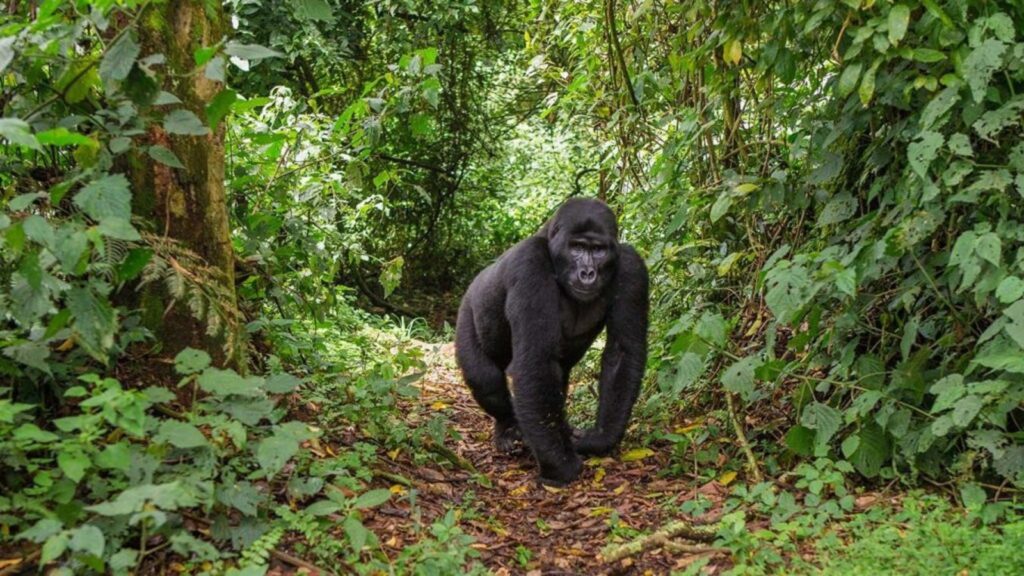
After the briefing, trekking groups enter the forest and begin searching for their assigned gorilla family. The walking time varies because gorillas move naturally through their habitat.
Some travelers may reach the gorillas relatively quickly, while others may walk for several hours. This uncertainty is part of the adventure and makes suitable footwear, water, clothing, and physical preparation particularly important.
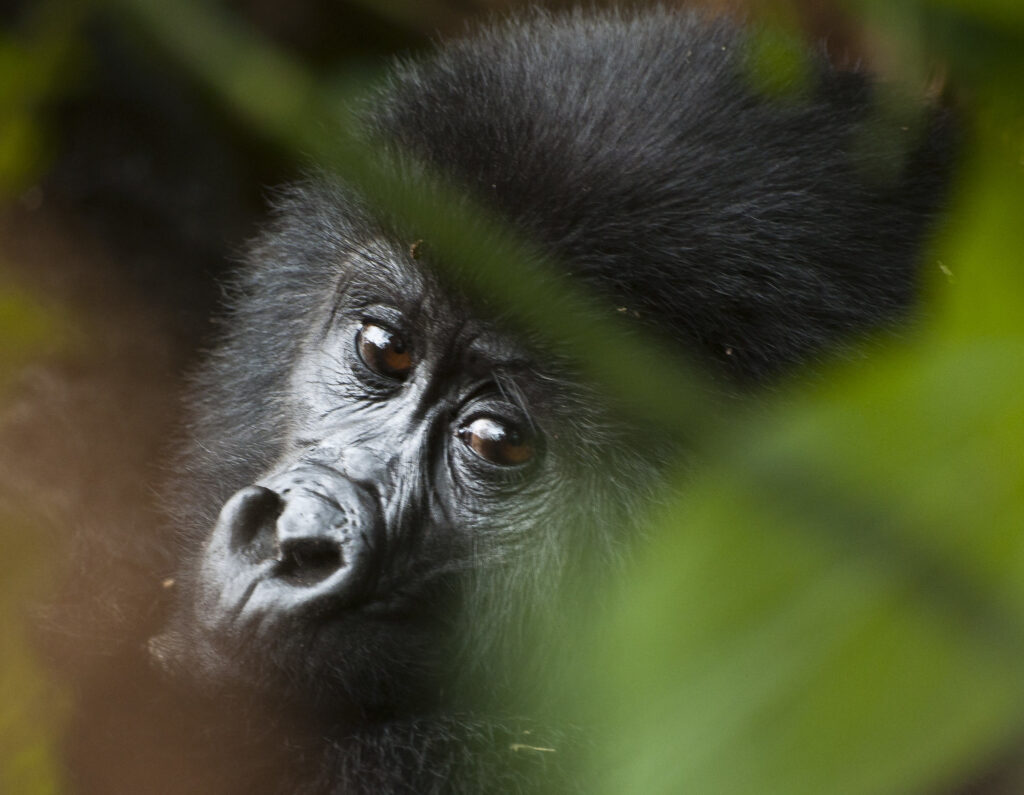
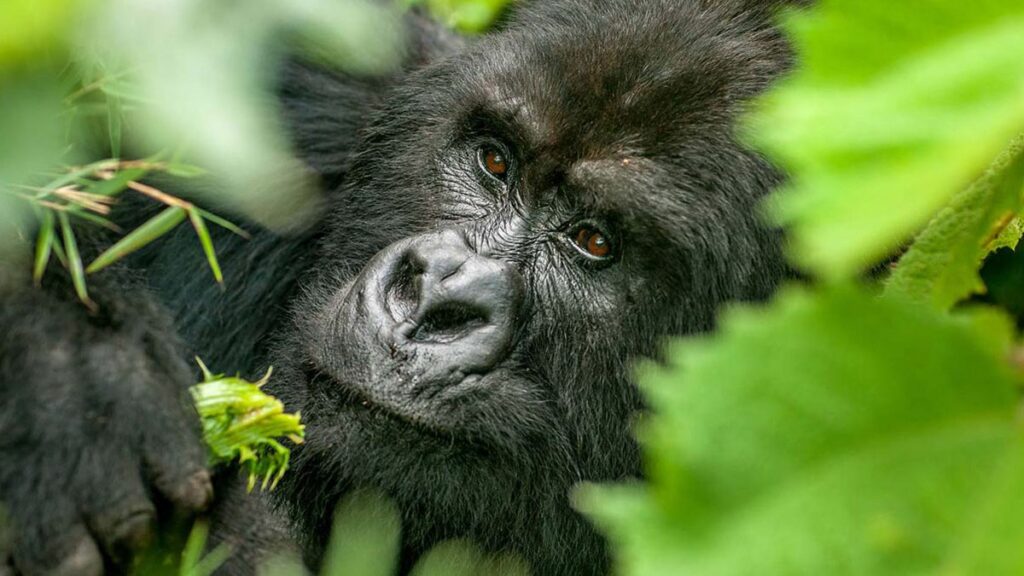
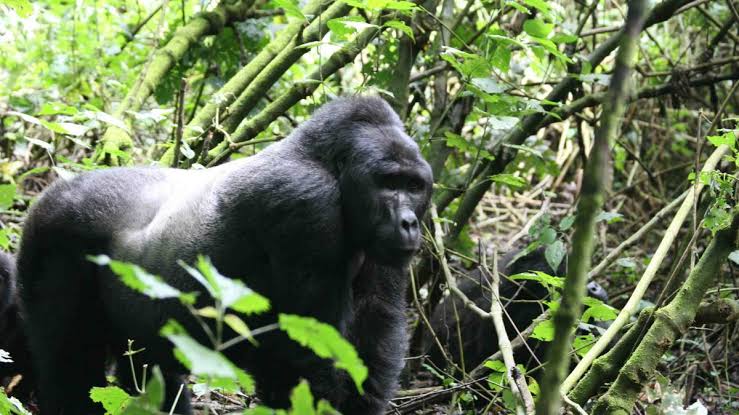
Once the gorillas are located, visitors follow the instructions of the guides and trackers. The encounter allows travelers to observe natural behavior such as feeding, resting, grooming, playing, and movement through the vegetation.
The observation period is limited to reduce disturbance to the gorillas. Visitors should remain calm, avoid sudden movements, follow the required distance, and never attempt to touch or feed the animals.
Gorilla Trekking Etiquette for Australians
Australian travelers should approach gorilla trekking with the same respect they would show any protected wildlife experience. The gorillas are wild animals, and conservation authorities establish rules to protect their health and welfare.
Visitors should listen carefully to guides and trackers because they determine how the group approaches and observes the gorillas. Photography should never take priority over conservation requirements.
Travelers should also avoid littering, feeding animals, shouting, or making unnecessary movements. Visitors who become ill should follow the current guidance provided by park authorities and their tour operator.
Respect should extend to the people who make gorilla tourism possible. Guides, trackers, rangers, porters, drivers, lodge staff, and nearby communities all contribute to the experience.
Responsible behavior helps protect the gorillas while supporting the communities and tourism workers whose livelihoods benefit from conservation tourism.
Budgeting for Gorilla Trekking from Australia
The total cost of gorilla trekking from Australia depends on numerous factors. International airfare will usually represent a major expense because of the distance between Australia and East Africa.
Other costs include the gorilla permit, accommodation, safari transportation, meals, visas, travel insurance, tips, domestic flights where applicable, and optional activities.
Australian travelers should compare complete safari quotations rather than focusing only on the permit price. A package that initially appears cheaper may exclude transportation, meals, accommodation upgrades, or other important services.
Uganda provides options across budget, mid-range, and luxury categories, allowing travelers to design a safari around different budgets. Rwanda is particularly well known for its luxury tourism options, although different accommodation levels are also available.
Creating a complete budget before booking can help travelers understand the real cost of the trip and avoid unexpected expenses once they arrive in Africa.
Best Time to Travel From Australia
Gorilla trekking takes place throughout the year, so Australians can choose their travel dates according to vacation availability, permit availability, budget, and weather preferences.
Some periods generally provide more favorable trekking conditions, while wetter periods can bring their own advantages. However, travelers should remember that gorilla trekking occurs in a rainforest environment, where rain can occur even during traditionally drier periods.
Australian travelers should therefore prepare for wet conditions regardless of the month. Waterproof clothing, suitable boots, and protective bags for electronics remain useful throughout the year.
Instead of focusing exclusively on finding a month with perfect weather, travelers should prioritize securing a suitable permit, choosing an itinerary that matches their schedule, and allowing enough time to enjoy the experience without rushing.
Combining Gorilla Trekking With an African Safari
For Australians making the long journey to East Africa, combining gorilla trekking with other wildlife experiences can provide exceptional value.
Uganda offers particularly strong opportunities for multi-destination safaris. A traveler can combine gorilla trekking in Bwindi with chimpanzee trekking in Kibale and game drives in Queen Elizabeth National Park. Lake Mburo and other destinations can also be added depending on the route and available time.
Rwanda provides opportunities to combine gorilla trekking with cultural experiences, Kigali sightseeing, and other wildlife activities.
Combining several experiences also allows Australian travelers to see the contrast between tropical forests, savannah landscapes, mountain environments, and local communities.
Rather than treating gorilla trekking as a standalone activity, travelers can make it the centerpiece of a larger African safari that provides a more complete experience of the region.
Travel Insurance for Australian Gorilla Trekkers
Travel insurance is an important part of preparing for an international gorilla trekking adventure. Australian travelers should review their policy carefully before departure and confirm that the activities included in their itinerary fall within the coverage.
Depending on the policy, insurance may provide protection against emergency medical treatment, evacuation, trip cancellation, delays, baggage problems, and interruptions.
Trekking can sometimes fall under special activity classifications, so travelers should not assume that every standard travel insurance policy provides identical coverage.
It is useful to keep policy information accessible throughout the trip. Digital copies can be stored securely online, while important emergency information can also be kept in a physical travel document.
Frequently Asked Questions
Is gorilla trekking from Australia worth the long journey?
For travelers who have a strong interest in wildlife, conservation, adventure, and nature, gorilla trekking can be worth the long journey. The opportunity to observe mountain gorillas in their natural habitat is extremely unusual and can become the highlight of an African safari.
How do Australians get to Uganda for gorilla trekking?
Australians normally fly internationally to Entebbe International Airport before continuing to the gorilla trekking region by road, domestic flight, or a combination of both.
How do Australians get to Rwanda?
Travelers normally fly to Kigali International Airport and continue by road toward Volcanoes National Park.
How far in advance should Australians book gorilla permits?
Early booking is recommended because the number of gorilla permits available each day is limited. Travelers with fixed dates should begin planning several months in advance, particularly for busy travel periods.
How difficult is gorilla trekking?
The difficulty varies depending on the gorilla family’s location and the terrain. Some treks are relatively manageable, while others can involve several hours of walking through steep, muddy, and uneven forest terrain.
Can Australians combine gorilla trekking with a safari?
Yes. Uganda is particularly suitable for combining gorilla trekking with chimpanzee trekking and traditional wildlife safaris. Rwanda can also be combined with cultural and wildlife experiences.
What should Australians wear for gorilla trekking?
Travelers should prepare for wet and muddy forest conditions. Comfortable hiking clothing, sturdy boots, waterproof outerwear, and layers are useful for dealing with changing conditions.
Conclusion
Gorilla trekking from Australia requires more preparation than an ordinary overseas holiday because travelers must cover a considerable distance before reaching the mountain forests of East Africa. However, careful planning can transform the long journey into an extraordinary wildlife adventure.
Australian travelers should begin by choosing between Uganda and Rwanda based on their budget, available vacation time, preferred accommodation, and interest in combining gorilla trekking with other safari experiences. They should then secure their gorilla permit, arrange flights and transportation, confirm entry requirements, choose suitable accommodation, obtain appropriate travel insurance, and prepare physically for the forest environment.
Uganda is particularly appealing to Australians who want a longer and more diverse safari, while Rwanda can offer a convenient option for travelers seeking shorter transfers and high-end tourism services. Whichever destination you choose, early preparation and responsible wildlife behavior will help create a memorable and meaningful gorilla trekking experience.
With the right itinerary, Australians can turn a long journey across the world into an unforgettable encounter with mountain gorillas while contributing to conservation and supporting communities surrounding these remarkable forests.