Gorilla Trekking Testimonials Real Stories: Experiences from Gorilla Trekkers
Gorilla trekking is an experience that many travelers describe as one of the most emotional and unforgettable adventures they have ever had. Reading gorilla trekking testimonials and real stories can help future travelers understand what the experience actually feels like beyond photographs, advertisements, and travel brochures. Every trek is different because gorilla families move through the forest, weather conditions change, and each traveler approaches the experience with different expectations.
Real stories from trekkers often reveal details that travelers may not consider when planning their safari. Some visitors remember the difficult hike more than anything else, while others remember the moment they first saw a silverback watching them from the vegetation. Others describe the silence of the forest, the excitement of following fresh gorilla trails, or the emotional reaction they experienced during their one-hour encounter.
These personal experiences provide valuable insight into what gorilla trekking is really like. They also help travelers prepare mentally and physically for an adventure that combines wildlife observation, hiking, conservation, and cultural experiences.
Why Gorilla Trekking Testimonials Matter
Travelers increasingly look for personal experiences before booking major wildlife adventures. Official tourism information can explain permits, trekking regulations, park locations, and accommodation options, but personal stories often explain the emotional side of the journey. This makes gorilla trekking testimonials—real stories—particularly useful for people who have never visited a mountain gorilla habitat.
A testimonial can answer questions that travelers may hesitate to ask. Was the trek difficult? How did the forest feel? What happened when the gorillas appeared? Did the experience justify the cost? How close were the visitors to the gorillas? What emotions did travelers experience afterward?
Real experiences also demonstrate how unpredictable wildlife encounters can be. One group may reach a gorilla family after a relatively short hike, while another may spend several hours following trackers through steep forest terrain. The uncertainty becomes part of the adventure.
For this reason, testimonials should not be treated as guarantees of what every visitor will experience. Instead, they provide different perspectives that help travelers build realistic expectations.
“The First Gorilla I Saw Changed Everything”
One of the most common themes in gorilla trekking testimonials and real stories is the emotional reaction people experience when they see their first gorilla. Many travelers spend months planning their safari, but the actual encounter can feel completely different from what they imagined.
A typical story begins with a long morning of preparation. Visitors arrive at the trekking headquarters, receive a briefing, meet their guides and trackers, and begin walking into the forest. At first, the experience may feel like an ordinary forest hike. The group follows trails, listens to birds, crosses vegetation, and gradually moves deeper into the habitat.
Then the trackers indicate that the gorillas are nearby. Conversation becomes quieter, cameras are prepared, and everyone begins watching the vegetation carefully. Suddenly, a gorilla appears through the leaves. The animal may be sitting calmly, feeding, climbing, resting, or watching the visitors.
For many trekkers, that first sight creates an emotional moment that photographs cannot fully capture. The realization that the animal is wild, powerful, intelligent, and only a short distance away can make the entire journey feel worthwhile.
“The Trek Was Harder Than I Expected”
Another common theme in real gorilla trekking stories involves the physical challenge. Some travelers arrive expecting a simple wildlife walk and discover that the forest terrain can be demanding.
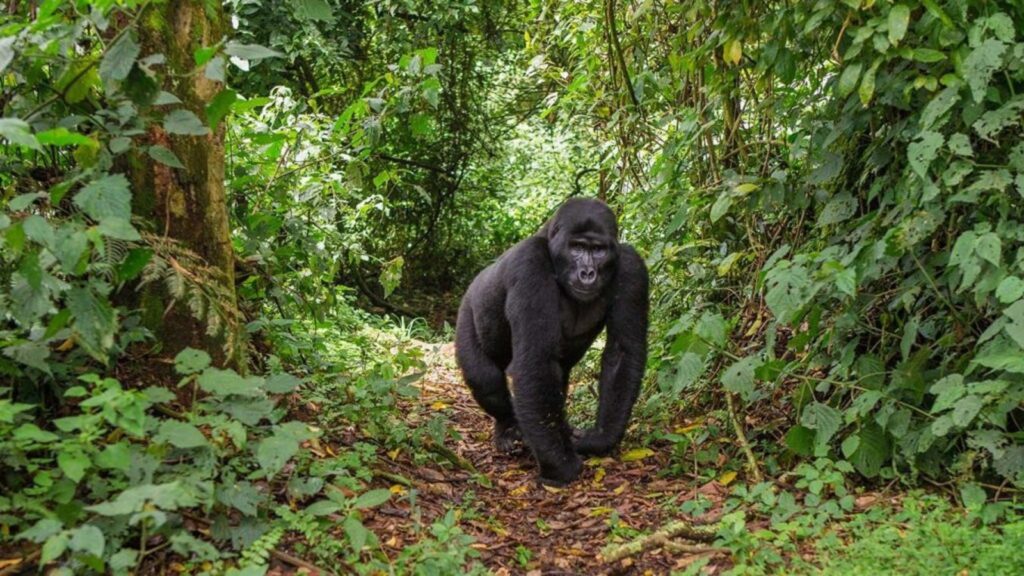
Gorilla trekking takes place in mountainous and forested environments. Trails can include steep slopes, muddy sections, exposed roots, dense vegetation, and slippery ground, particularly after rain. The distance and duration of a trek can also vary because gorillas do not remain in one location.
Experienced trekkers often say that preparation made the biggest difference. Regular walking, hiking, stair climbing, and cardiovascular exercise can help travelers feel more comfortable. Appropriate hiking shoes and clothing also become important once the trail becomes wet or uneven.
However, physical difficulty does not necessarily reduce the quality of the experience. Some travelers later describe the challenging hike as an important part of their story because reaching the gorillas felt like an achievement.
The lesson from these testimonials is simple: travelers should prepare for a genuine forest hike rather than expecting a conventional wildlife viewing experience.
“Hiring a Porter Made a Huge Difference”
Many gorilla trekking testimonials and real stories also highlight the importance of porters. Travelers sometimes assume that porters are only necessary for people who struggle physically, but experienced visitors often describe them as valuable companions for a variety of reasons.
A porter can help carry a backpack, water, camera equipment, rain gear, and other belongings. On difficult sections of the trail, porters may also provide physical assistance and encouragement. Their knowledge of the terrain can make certain parts of the journey easier to navigate.
Hiring a porter also provides direct economic support to people living around the protected area. This creates an additional connection between gorilla tourism and local communities.
Many visitors therefore finish their trek with two memorable experiences: the encounter with the gorillas and the interaction with the people who helped them reach the forest.
For travelers considering whether to hire a porter, these personal experiences can be particularly useful. A porter may make the trek more comfortable while also allowing visitors to contribute directly to the local tourism economy.
“The Forest Was Part of the Experience”
Some travelers initially focus almost entirely on seeing gorillas. After the trek, however, they often realize that the forest itself became one of the highlights.
The mountain forests surrounding gorilla habitats contain much more than gorillas. Visitors may encounter birds, butterflies, insects, plants, primates, and other forms of wildlife during the journey. Mist, sunlight, changing vegetation, and forest sounds create an environment that feels completely different from ordinary city life.
Real testimonials often describe the forest as peaceful, mysterious, challenging, or even overwhelming. The sounds of vegetation moving around the trail can keep trekkers alert, while periods of silence can make the eventual gorilla encounter even more dramatic.
The experience therefore extends beyond the one-hour gorilla observation period. The hike, forest environment, trackers, guides, and anticipation all contribute to the story.
Travelers who approach the trek as a complete forest adventure rather than simply a search for photographs often discover more memorable moments along the way.
“I Was Nervous About Being Near Gorillas”
First-time visitors sometimes admit that they feel nervous before encountering mountain gorillas. Photographs can make the animals appear enormous and intimidating, particularly when showing a large silverback.
Testimonials often reveal that this nervousness changes once visitors observe the gorillas behaving naturally. A silverback may feed calmly, a mother may care for her infant, or younger gorillas may play nearby.
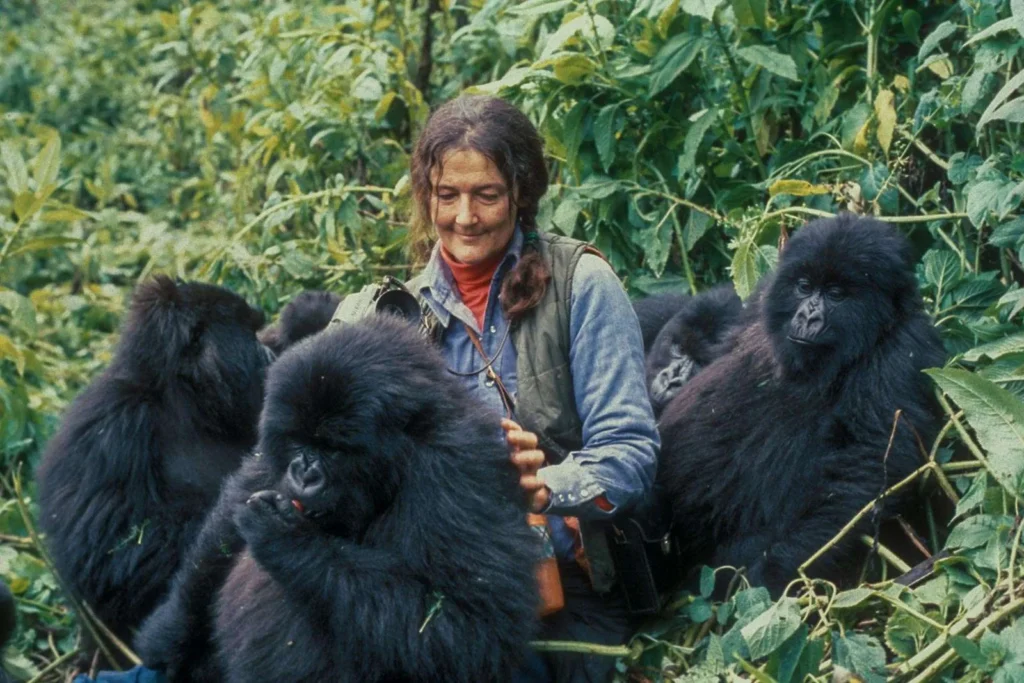
Visitors quickly realize that the encounter involves observing the animals rather than interacting with them. Guides and trackers remain present and explain how visitors should behave around the gorilla family.
The experience teaches travelers the importance of respecting wildlife boundaries. Visitors should follow the instructions of their guides, maintain the required distance, avoid sudden movements, and avoid attempting to touch the gorillas.
For many travelers, the initial nervousness eventually becomes respect and admiration. They leave the forest with a deeper appreciation for the animals and the conservation work protecting them.
“The Gorillas Were Completely Different From My Expectations”
Another interesting theme in gorilla trekking testimonials and real stories is how different the animals can appear in person compared with photographs.
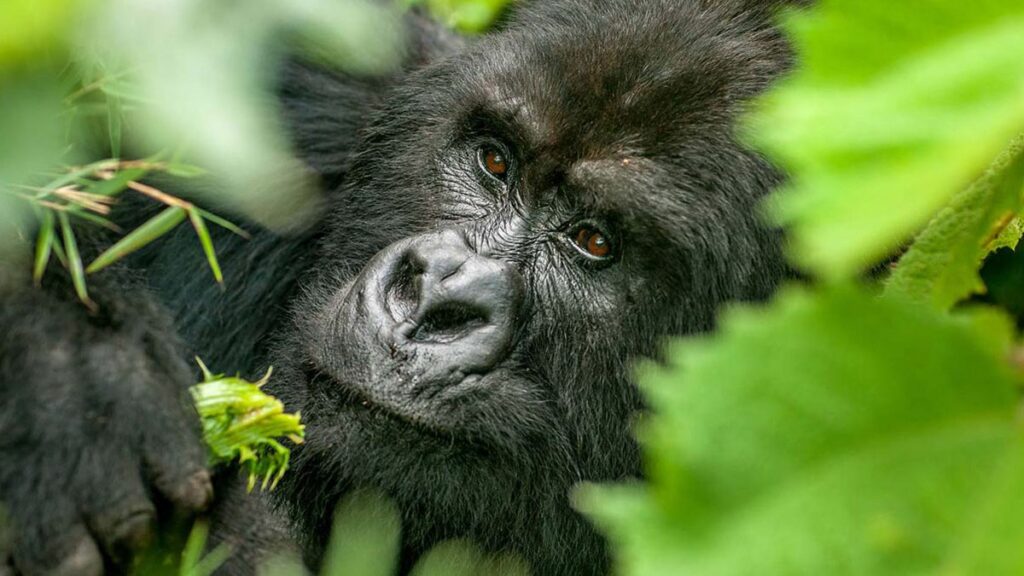
Travel images often show gorillas posing clearly in open vegetation. In reality, gorillas may remain partially hidden beneath leaves, move through thick vegetation, or sit in shaded areas. Their behavior also changes constantly.
A gorilla may spend several minutes feeding before moving to another location. A youngster may suddenly become active and begin playing. A silverback may remain still while observing the surroundings. These natural behaviors create an experience that cannot be controlled or staged.
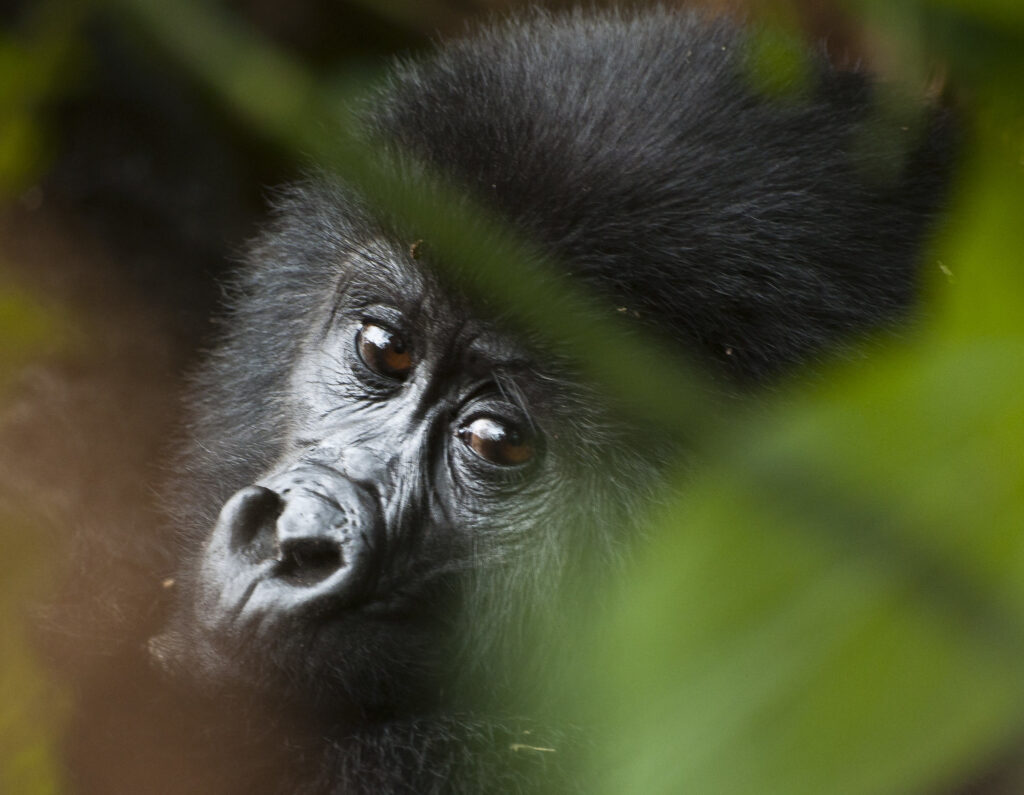
Travelers often discover that imperfect photographs can still represent their best memories. A partially hidden gorilla, a close-up of expressive eyes, or a photograph of vegetation moving around an unseen animal can bring back the excitement of the encounter.
This is why experienced trekkers often recommend putting the camera down occasionally and simply observing.
“The One Hour Went Too Quickly”
The limited gorilla viewing period is one of the most frequently discussed aspects of gorilla trekking testimonials and real stories. After spending hours traveling through the forest, visitors may feel that the actual encounter passes remarkably quickly.
The restricted viewing period exists to reduce the amount of time visitors spend around the gorillas. Conservation rules are designed to protect the animals while allowing people to experience them.
During the encounter, visitors may feel overwhelmed by the number of things happening at once. They may want to photograph the silverback, observe younger gorillas, listen to their sounds, watch feeding behavior, and simply absorb the surroundings.
As the final minutes approach, travelers often realize how quickly the experience has passed. Many describe leaving the forest with a mixture of satisfaction and disappointment that the encounter had ended.
However, the limited time can make the experience feel even more valuable. Visitors know that they are witnessing a rare wildlife encounter rather than spending an unlimited amount of time around captive animals.
“I Stopped Taking Photos and Just Watched”
Photography frequently appears in gorilla trekking testimonials, but many travelers eventually discover that constantly looking through a camera can distract from the experience.
Modern cameras and smartphones make it tempting to photograph every movement. Visitors may spend the entire encounter trying to capture the perfect portrait, particularly after investing significant time and money to reach the gorillas.
Experienced trekkers often recommend taking photographs early in the encounter and then spending some time simply watching. Observing the animals directly allows visitors to notice small details that may be missed through a viewfinder.
A young gorilla interacting with another group member, a mother caring for an infant, or a silverback quietly monitoring the group can become more meaningful when observed without a camera.
The best testimonial is sometimes not about the photograph a traveler captured but about the moment they decided to put the camera away.
“Rain Did Not Ruin the Experience”
Mountain gorilla habitats receive significant rainfall, and changing weather is part of the trekking environment. Travelers often mention rain in their personal stories because wet conditions can transform the forest within minutes.
Rain can make trails muddy and slippery, requiring greater concentration while walking. Clothing may become wet, and cameras require additional protection. Yet some travelers later say that the rain actually made their experience more memorable.
Mist moving through the forest, wet vegetation, and the sound of rainfall can create an atmosphere that feels dramatic and remote. Gorillas continue their normal activities despite changing weather conditions.
Experienced travelers therefore recommend preparing for rain rather than assuming that bad weather will automatically ruin the trek. Waterproof layers, protective bags, and suitable footwear can make a significant difference.
The lesson from these stories is that flexibility matters. Gorilla trekking takes place in a natural environment, and weather is part of the adventure.
“The Experience Changed How I Think About Conservation”
Some of the most powerful gorilla trekking testimonials and real stories go beyond the trek itself. Visitors often return home thinking differently about wildlife conservation.
Seeing mountain gorillas in their natural environment creates a personal connection that is difficult to develop through documentaries or photographs alone. Travelers can see the forest, observe the animals, meet guides and trackers, and understand the effort required to protect the habitat.
The experience also demonstrates the relationship between tourism and conservation. Gorilla tourism generates revenue that supports protected-area management and creates employment opportunities for guides, trackers, porters, drivers, accommodation providers, and other local workers.
Visitors therefore become part of a broader conservation tourism system. Their permit, accommodation, transportation, and other safari expenses can contribute to an economy built around protecting wildlife and natural habitats.
Many travelers say this makes the experience more meaningful because their visit is connected to a larger conservation story.
“Meeting the Trackers Was One of My Favorite Memories”
Travelers often focus on the gorillas themselves, but experienced visitors frequently mention the trackers and guides in their testimonials.
Trackers spend significant time monitoring gorilla families and following their movements through the forest. Their knowledge helps trekking groups locate the animals while respecting conservation procedures.
Visitors may also learn to recognize signs that would otherwise go unnoticed. Broken vegetation, footprints, feeding remains, nests, and other forest clues can provide information about where gorillas have moved.
Following the trackers can therefore transform the trek into a wildlife investigation. Instead of simply walking until gorillas appear, visitors begin to understand how professionals locate and monitor these animals.
For many trekkers, this behind-the-scenes insight becomes an important part of the experience and increases their appreciation for the work involved in gorilla conservation.
What Real Gorilla Trekking Stories Teach Future Travelers
Taken together, gorilla trekking testimonials and real stories reveal several important lessons. First, travelers should prepare for a physically demanding outdoor experience. Second, they should expect uncertainty because gorillas move naturally through the forest. Third, they should listen carefully to guides and trackers throughout the trek.
Travelers should also prepare for changing weather, protect their equipment, and wear suitable clothing and footwear. Hiring a porter can make the experience easier while supporting the local economy.
Perhaps most importantly, visitors should approach the experience with realistic expectations. The gorillas may not appear exactly where travelers expect them, and photographs may not look like professional wildlife images. What matters most is the opportunity to observe these remarkable animals responsibly in their natural environment.
Real testimonials show that the most memorable experiences often come from unexpected moments. A difficult climb, a quiet forest, a sudden gorilla appearance, or a brief interaction with a tracker can become just as important as the photographs.
Frequently Asked Questions About Gorilla Trekking Testimonials
Are gorilla trekking testimonials reliable?
Testimonials can provide valuable personal perspectives, but every trek is different. Travelers should use them to understand possible experiences rather than treating them as guarantees.
Do real trekkers usually find gorillas?
Gorilla trekking takes place with the assistance of trackers who monitor gorilla movements. However, wildlife encounters remain natural, and conditions can vary. Travelers should understand that no wildlife experience can guarantee a specific behavior or viewing situation.
Is gorilla trekking really difficult?
The difficulty varies depending on terrain, weather, gorilla location, and individual fitness. Some treks may be relatively manageable, while others can involve steep and muddy forest trails.
Should I hire a porter?
Many travelers find porters useful because they can carry equipment and provide assistance on challenging terrain. Hiring a porter also supports local communities around the trekking areas.
Is one hour enough to enjoy the gorillas?
Many travelers feel that one hour passes quickly, but the limited encounter helps reduce visitor pressure on the animals. The experience also includes the forest hike, tracking process, and time spent learning from guides and trackers.
What should I remember most from other travelers’ stories?
The strongest lesson is to remain flexible. The weather, trail conditions, gorilla location, and animal behavior can all change. Travelers who focus on enjoying the experience rather than controlling every detail often return with the most meaningful memories.
Conclusion
Reading gorilla trekking testimonials and real stories gives future visitors a valuable window into what a mountain gorilla safari can actually feel like. Real trekkers describe challenging hikes, emotional first sightings, changing weather, memorable encounters with guides and trackers, and moments when they simply stopped taking photographs and watched the gorillas.
These stories also show that gorilla trekking is more than a wildlife viewing activity. It combines physical adventure, conservation, local community involvement, photography, learning, and personal discovery.
Every traveler will create a different story because every gorilla family, forest trail, weather condition, and wildlife encounter is unique. The best preparation is therefore to understand the realities of trekking while remaining open to unexpected moments.
For many visitors, the journey becomes more than a trip to see gorillas. It becomes a memory that stays with them long after they have left the forest.
Suggested Internal Links
This article can naturally link to your existing content about Gorilla Trekking What I Wish I Knew, Gorilla Trekking Experience Diary, Gorilla Trekking Tips from Experienced Trekkers, Gorilla Trekking Packing List 2026, Gorilla Trekking Photography Tips, Gorilla Trekking Briefing What to Expect, Gorilla Trekking Reddit Community Tips, and Gorilla Trekking Accessibility Audit.