Gorilla Trekking Mistakes I Made First Time: Lessons for New Trekkers
My first gorilla trekking experience taught me many things that I could not fully understand from reading safari brochures and travel guides. Before the trek, I thought I had prepared well. I had researched the destination, packed my camera, chosen my clothes, and imagined what it would feel like to stand in a forest with mountain gorillas. However, several small mistakes made the experience more challenging than it needed to be.
Looking back, those mistakes became some of the most useful lessons from my first trek. They showed me that gorilla trekking requires more than simply obtaining a permit and arriving at the park headquarters. Travelers need to prepare for unpredictable weather, steep terrain, changing gorilla locations, and the realities of spending several hours in a mountain forest.
This guide shares the most important gorilla trekking mistakes first-time travelers should avoid. The purpose is not to discourage anyone from trekking. Instead, these lessons can help visitors prepare better, feel more comfortable, and focus on enjoying one of Africa’s most extraordinary wildlife experiences.
I underestimated the physical demands of the trek.
One of my biggest mistakes was assuming that gorilla trekking would be similar to an ordinary nature walk. I knew that I would be hiking, but I underestimated how demanding the forest environment could become.
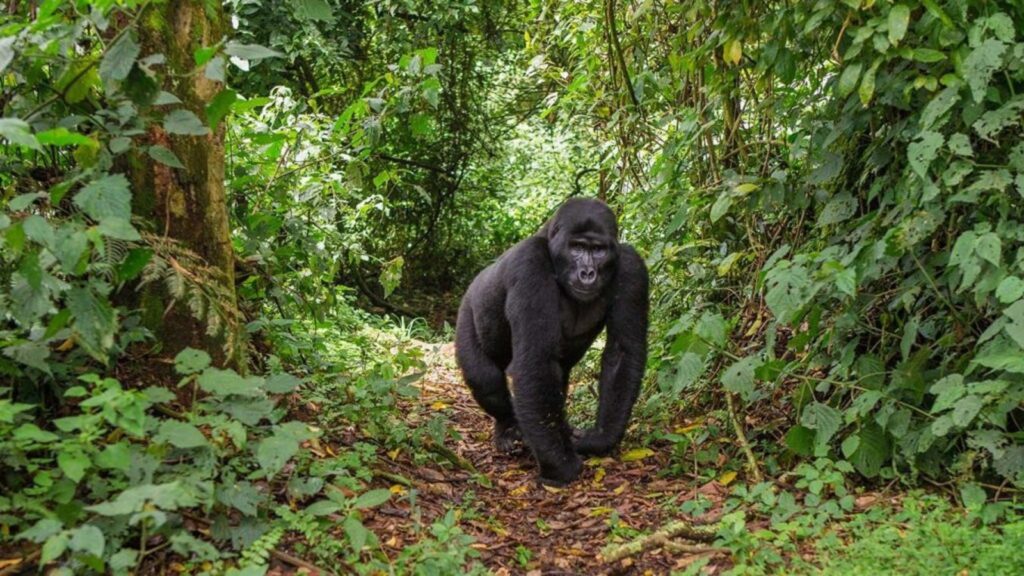
Gorilla trekking takes place in mountainous terrain where trails can become steep, muddy, slippery, and uneven. The distance also depends on where the gorilla family has moved. A group that is relatively close to the starting point one day may be much farther away on another day.
I discovered that being generally active does not necessarily mean being fully prepared for several hours of forest hiking. Walking regularly, climbing stairs, taking longer hikes, and improving cardiovascular fitness before the safari would have made me more comfortable.
First-time trekkers should therefore prepare for a genuine hike. You do not need to be an elite athlete, but improving your fitness before the trip can make a significant difference. Good preparation allows you to spend less energy worrying about the trail and more time appreciating the forest and the wildlife.
I Did Not Break in My Hiking Boots
Another mistake I made was treating my hiking boots as if they only needed to look suitable for the trek. I purchased good-quality boots but did not wear them enough before traveling.
That became a problem once I entered the forest. New footwear can feel comfortable inside a shop but behave very differently after several hours of walking. Even small areas of rubbing can become painful during a long trek.
Experienced trekkers understand that footwear should be tested before the safari. Wearing your boots on walks and hikes allows your feet to adjust while giving you an opportunity to identify uncomfortable pressure points.
Properly broken-in boots also give you more confidence on muddy and uneven trails. You can concentrate on your footing rather than constantly thinking about your shoes.
This became one of the most practical lessons from my first trek. Your hiking boots should be familiar equipment by the time you reach the forest, not something you are testing for the first time.
I Packed Too Much Equipment
Before my first trek, I wanted to be prepared for every possible situation. The result was an unnecessarily heavy backpack.
I carried more camera equipment than I realistically needed, extra clothing, accessories, snacks, and other items that seemed useful during packing but became less appealing after several hours of hiking.
A heavy backpack can make a difficult trail feel even harder. It can also affect balance when walking over slippery ground.
I eventually realized that the best approach is to carry the essentials while keeping the load manageable. Water, rain protection, personal necessities, camera equipment, and other genuinely useful items should take priority.
Travelers who want additional support can also consider hiring a porter. Porters can carry luggage and equipment while providing practical assistance on challenging sections of the trail. Their services can also provide direct economic benefits to communities around gorilla trekking areas.
I Failed to Prepare Properly for Rain
I knew that mountain forests could receive rain, but I still underestimated how quickly weather conditions could change.
A sunny morning does not guarantee a dry trek. Rain can arrive unexpectedly, and forest trails can become muddy and slippery after rainfall. Without adequate protection, clothing and equipment can become uncomfortable or damaged.
One of the biggest gorilla trekking mistakes first-time visitors can make is treating rain as an unlikely inconvenience rather than something they should expect.
Waterproof clothing or a reliable rain jacket can make a major difference. A waterproof backpack cover or dry bags can also protect cameras, phones, documents, and other sensitive items.
Preparing for rain does not mean expecting a bad trek. It simply means accepting that you are entering a natural environment where weather remains outside your control.
I Focused Too Much on Getting the Perfect Photograph
Photography was one of the things I was most excited about before my first trek. I imagined returning home with perfect photographs of silverbacks, mothers, infants, and playful young gorillas.
When I finally encountered the gorillas, however, I realized that trying to photograph everything could distract me from actually experiencing the encounter.
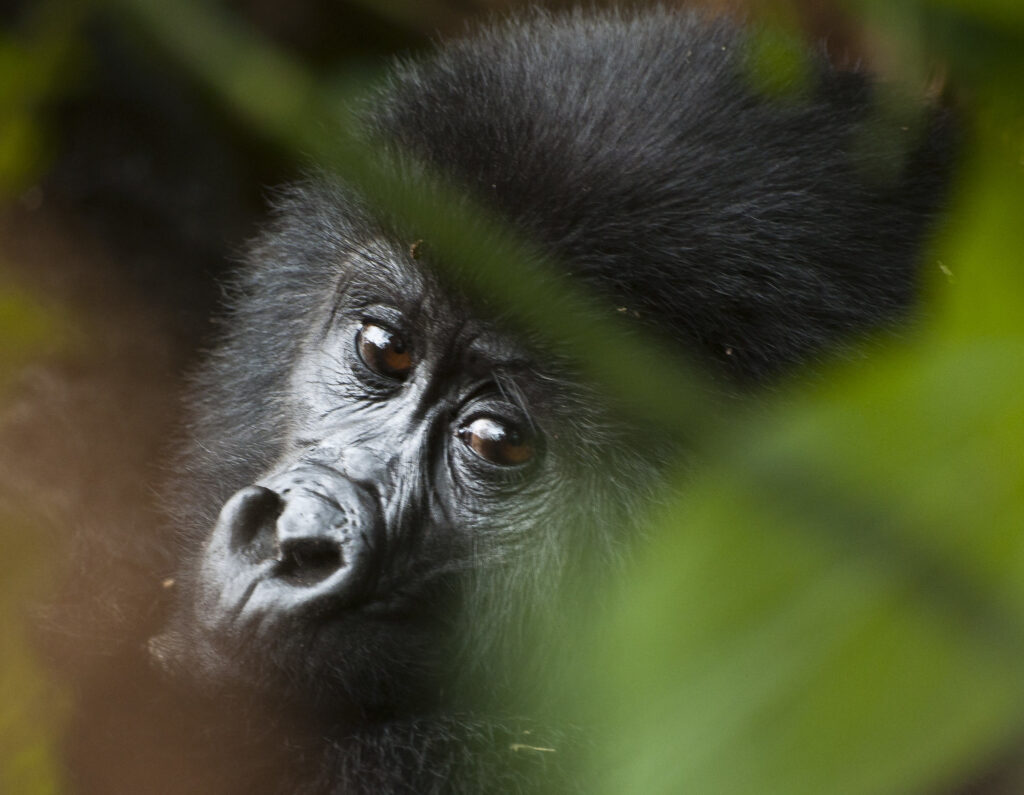
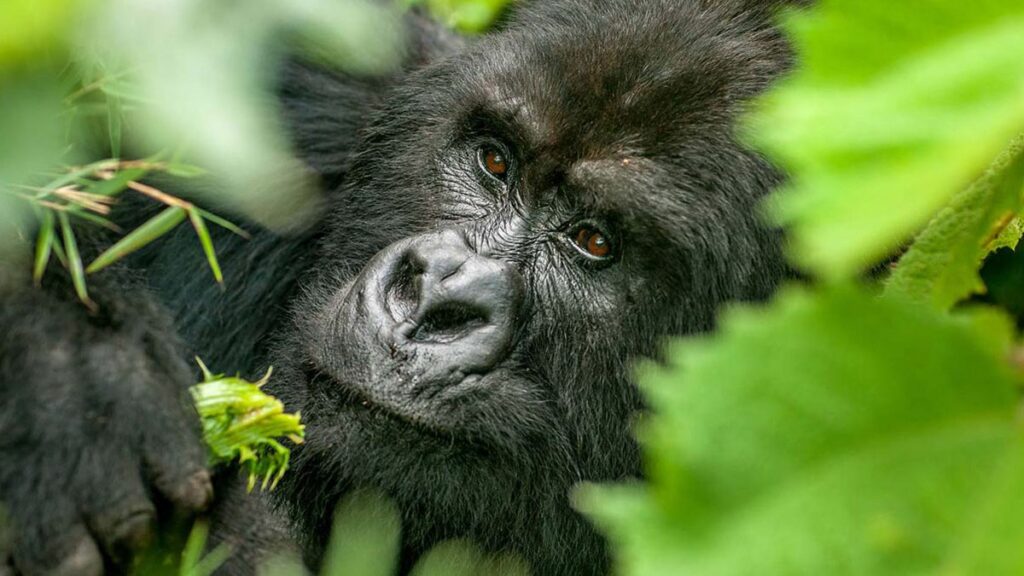
Gorillas do not pose for visitors. They may sit behind vegetation, move unexpectedly, feed quietly, or disappear into thicker forest. Trying to capture every movement can leave you looking through a camera screen instead of observing the animals directly.
Eventually, I began spending more time simply watching. I noticed behaviors and details that I might have missed while concentrating on photography.
The lesson was not to stop taking photographs. Instead, I learned to balance photography with observation. Capture important moments, then put the camera down and experience the encounter with your own eyes.
I Did Not Appreciate How Important the Guides and Trackers Were
Before the trek, I thought mainly about the gorillas. I did not fully understand how important the guides and trackers would become during the journey.
Trackers use their knowledge of the forest and gorilla movements to help locate the animals. They understand signs such as feeding remains, broken vegetation, trails, and other clues that ordinary visitors might not notice.
Following experienced trackers changed the way I understood the forest. The hike became more than walking toward an unknown destination. I began to see the journey as a process of discovering where the gorillas had moved.
The guides also helped explain how to behave around the animals. Their instructions became particularly important once the gorillas were nearby.
First-time visitors should therefore listen carefully to their trekking team. Their knowledge and experience contribute significantly to the safety and quality of the experience.
I Thought I Would Know Exactly How Long the Trek Would Take
Another mistake was assuming that I could predict the exact duration of the trek.
Gorillas move naturally through their habitat. Their location can change, and trekking groups may need to follow trackers for longer than expected before reaching them.
This means travelers should avoid planning important activities too close to the expected end of the trek. Building flexibility into your itinerary is much safer.
The uncertainty can actually make the experience more exciting. You never know when the trackers will indicate that the gorillas are close.
Instead of becoming frustrated by the unpredictability, I learned to see it as part of wildlife tourism. You are entering the animals’ environment rather than visiting a controlled attraction.
I Did Not Take Enough Water
Water became more important as the trek continued. I initially thought that I would not need as much as I actually did.
Walking for several hours through steep or humid forest terrain can be tiring. Staying hydrated helps you maintain energy and remain comfortable during the hike.
Travelers should carry enough drinking water for their planned trek while following the instructions provided by their trekking team. A reusable water bottle or hydration system can make drinking easier while walking.
I also learned that hydration should begin before the trek rather than waiting until you feel extremely thirsty. Starting the morning properly hydrated can make the physical effort easier to manage.
This is a simple preparation step, but it can have a noticeable effect on your overall experience.
I Was Too Worried About the Difficulty Before Seeing the Gorillas
There was another unexpected mistake: I spent too much time worrying about how difficult the trek might become.
The uncertainty was understandable. I had heard stories about steep trails and long hikes, so I kept imagining the most difficult possible scenario.
Once the trek started, however, I realized that the journey involved much more than physical effort. The forest itself provided constant distractions. Birds, plants, sounds, changing vegetation, and the anticipation of finding the gorillas made the journey feel like an adventure rather than simply an exercise session.
When the trackers eventually located the gorillas, the physical challenge seemed less important.
The experience taught me that preparation is better than anxiety. Train beforehand, bring appropriate equipment, and accept that the trek may be demanding. Then allow yourself to enjoy the journey rather than spending the entire morning worrying about what might happen.
I Did Not Understand How Quickly the One-Hour Encounter Would Pass
Before my first trek, one hour sounded like a considerable amount of time. After spending hours traveling through the forest, I discovered that the encounter could feel surprisingly short.
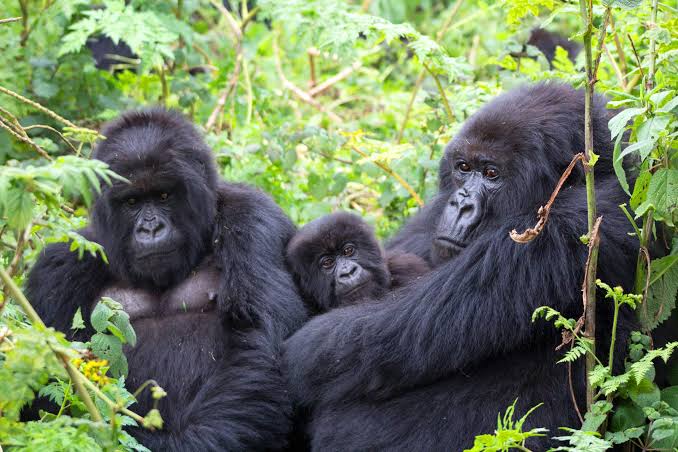
Once the gorillas were nearby, there was so much to observe. A silverback might be resting while younger gorillas played nearby. Another gorilla might move through vegetation. Mothers could interact with their infants while the rest of the group continued feeding.
Trying to photograph, observe, listen, and absorb the moment simultaneously made the time disappear.
This experience taught me to be mentally present. Instead of constantly thinking about how much time remained, I focused on what was happening at that moment.
The limited encounter period exists for conservation reasons, so visitors should make the most of the opportunity while respecting all instructions from guides and park authorities.
I Forgot That the Forest Was Part of the Experience
Another mistake was focusing so strongly on finding gorillas that I initially treated the forest as simply a path leading to the main attraction.
That perspective changed during the trek.
The forest environment became an important part of the adventure. The vegetation, sounds, terrain, weather, and atmosphere created an experience that would have been memorable even without considering photography.
Gorilla trekking is not simply a wildlife viewing activity where visitors travel directly to an animal and leave. The journey through the forest creates anticipation and helps visitors understand the environment where mountain gorillas live.
First-time trekkers should therefore slow down and appreciate their surroundings. The forest deserves attention too.
I Did Not Realize How Useful a Porter Could Be
I initially considered carrying everything myself because I wanted to prove that I could manage the trek independently.
After several hours, I understood why many travelers choose to hire porters.
A porter can carry a backpack, water, camera equipment, rain gear, and other belongings. Depending on the circumstances, a porter can also provide physical support on challenging sections of the trail.
Hiring a porter can therefore improve comfort without taking away from the adventure. It also gives travelers an opportunity to support people living near the protected area.
For older travelers, visitors with limited mobility, or anyone carrying heavy equipment, a porter can be especially valuable. Even fit travelers may appreciate having less weight on their shoulders.
I Did Not Prepare Mentally for Unpredictable Wildlife
Perhaps the biggest lesson from my first trek was that wildlife does not follow a schedule.
I had imagined how the gorillas would appear, where they would sit, and what photographs I would take. Reality was much less predictable.
A gorilla might remain hidden behind vegetation. Another could move suddenly. A young gorilla might become playful while a silverback remains completely still.
This unpredictability is exactly what makes wildlife experiences special. The animals are not performing for visitors.
First-time trekkers should therefore avoid creating a rigid mental picture of the perfect encounter. Instead, prepare yourself to appreciate whatever natural behavior the gorillas display.
I Did Not Listen Carefully Enough During the Briefing
The pre-trek briefing may seem routine when you are excited about entering the forest, but it contains important information.
The guides explain how visitors should behave around the gorillas, what to expect during the hike, and how to respond to different situations.
During my first experience, I realized that information given before the trek could become extremely useful once the gorillas were nearby.
Visitors should therefore pay close attention during the briefing and ask questions if they do not understand something.
Following instructions protects both visitors and gorillas and helps create a respectful wildlife encounter.
I Expected My Experience to Look Like Professional Safari Photographs
Another mistake was comparing my own photographs with professional wildlife images.
Professional photographers often use expensive equipment, specialized lenses, ideal positioning, and considerable experience. They may also spend much longer in the field than an ordinary visitor.
During my trek, some gorillas were partly hidden by vegetation or positioned in difficult lighting. My photographs, therefore, did not always look like the images I had seen online.
Eventually, I stopped worrying about creating perfect photographs. The memories became more important than technical perfection.
Travelers should remember that the purpose of gorilla trekking is to experience the animals responsibly, not to compete with professional wildlife photographers.
I thought the trek was only about seeing gorillas.
My final mistake was underestimating how much the experience would teach me about conservation.
The trek introduced me to the work of guides, trackers, porters, rangers, lodge staff, and other people whose livelihoods connect with gorilla tourism. It also made the importance of protecting mountain gorilla habitat feel much more personal.
Seeing the animals in their natural environment creates a connection that photographs and documentaries cannot completely reproduce.
The experience changed my understanding of why responsible tourism matters. Visitors do not simply travel into the forest for entertainment. Their participation takes place within a larger conservation and community tourism system.
The Biggest Lesson From My First Gorilla Trek
When I look back at my first experience, most of my mistakes came from trying to control an experience that was naturally unpredictable.
I wanted to know exactly how long the hike would take. I wanted perfect photographs. I wanted to know where the gorillas would appear. I wanted to be completely prepared for every possible situation.
The forest taught me something different.
Gorilla trekking becomes more enjoyable when you prepare carefully but remain flexible. Wear appropriate clothing and broken-in boots. Carry enough water and rain protection. Consider hiring a porter. Listen to your guides and trackers. Protect your camera equipment. Prepare physically before the trip.
Then, once you enter the forest, allow the experience to unfold naturally.
How First-Time Trekkers Can Avoid These Mistakes
The best way to avoid common gorilla trekking mistakes first-time visitors make is to prepare for the realities of the experience rather than relying on expectations.
Build your fitness gradually before the safari. Test your hiking boots. Pack only what you genuinely need. Protect your equipment from rain. Carry adequate water. Give yourself flexibility in your itinerary. Consider using a porter if you would benefit from additional support.
Most importantly, understand that the gorillas control the experience. Their movements determine where the trek goes, while their natural behavior determines what you see.
If you accept this from the beginning, you are less likely to become frustrated when the experience differs from your expectations.
Frequently Asked Questions About First-Time Gorilla Trekking Mistakes
What is the biggest mistake first-time gorilla trekkers make?
Underestimating the physical demands of the trek is one of the most common mistakes. Travelers should prepare for steep, uneven, and potentially muddy forest terrain.
Should I buy new hiking boots for gorilla trekking?
Good hiking boots are important, but you should break them in before your trek. Wearing them beforehand helps prevent discomfort and allows you to test their grip and fit.
Should I hire a porter on my first gorilla trek?
Many travelers find porters helpful because they can carry equipment and provide assistance on difficult sections. Hiring one can also support local communities.
Can I take many photographs during the gorilla encounter?
Photography is generally part of the experience, but visitors must follow the rules provided by their guides and park authorities. Avoid flash photography and prioritize responsible observation over getting the perfect photograph.
How should I prepare for rain?
Bring reliable rain protection and protect sensitive equipment with waterproof bags or covers. Forest weather can change quickly, so it is better to prepare for rain even when the morning begins dry.
What should I expect from the trekking duration?
The duration can vary because gorillas move naturally through the forest. Some groups may reach their gorilla family relatively quickly, while others may spend considerably longer hiking and tracking.
Conclusion
My first gorilla trekking experience taught me that preparation and flexibility are equally important. The mistakes I made, from underestimating the hike to carrying too much equipment and focusing too heavily on photography, gave me a much better understanding of what future trekkers should expect.
The most important lesson is that gorilla trekking is a genuine wildlife adventure. The terrain can be challenging, the weather can change, and the gorillas can behave in unexpected ways. These realities should not discourage travelers. They are part of what makes the experience so memorable.
By learning from common gorilla trekking mistakes first-time visitors make, you can arrive better prepared and more confident. Prepare your body, test your equipment, pack sensibly, listen to your guides, and remain open to whatever happens in the forest.
Most importantly, when you finally meet the gorillas, put aside the checklist for a moment and appreciate where you are. The encounter may last only a limited time, but the memory can remain with you for a lifetime.
Suggested Internal Links
You can internally link this article to your existing articles. Gorilla Trekking What I Wish I Knew, Gorilla Trekking Tips from Experienced Trekkers, Gorilla Trekking Experience Diary, Gorilla Trekking Packing List 2026, Gorilla Trekking Briefing What to Expect, Gorilla Trekking Photography Tips, Gorilla Trekking Testimonials (Real Stories), and Gorilla Trekking Accessibility Audit.