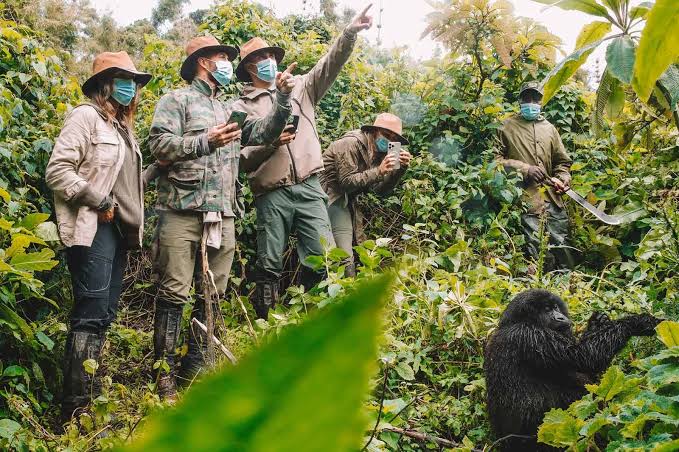
Gorilla Trekking in High Season Pros and Cons: Complete Guide for Travelers
Understanding the high-season pros and cons of gorilla trekking is important when deciding when to visit Uganda or Rwanda for a mountain gorilla safari. High season attracts many travelers because it often coincides with favorable trekking conditions, popular holiday periods, and better opportunities to plan a wider East African safari.
However, high-season travel also comes with disadvantages. Gorilla permits can be harder to secure, accommodation may cost more, and popular trekking dates can fill quickly.
Gorilla trekking takes place throughout the year, so travelers do not necessarily need to visit during the busiest months. The best season depends on your budget, preferred travel conditions, availability, and overall safari plans.
What Is Gorilla Trekking High Season?
“Gorilla trekking high season” generally refers to periods when visitor demand is highest.
In Uganda and Rwanda, the drier months are traditionally popular with international travelers. These periods can offer more favorable conditions for hiking through the forest, although rainfall remains possible because gorilla habitats are tropical rainforest environments.
Demand can also increase around major international holidays and school vacation periods.
Because high-season demand varies by destination and year, travelers should check current permit and accommodation availability before selecting their dates.
Why Is Gorilla Trekking Popular in High Season?
Many travelers prefer high season because they expect easier trekking conditions.
Drier weather can make some forest trails less muddy and slippery than during wetter periods.
Travelers also often combine gorilla trekking with wildlife safaris, cultural experiences, and other outdoor activities. More favorable weather can make a multi-destination itinerary easier to organize.
These advantages make high season particularly attractive to first-time visitors.
High Season Pro: Better Trail Conditions
One of the main advantages of high-season gorilla trekking is the possibility of more manageable trail conditions.
Periods with less rainfall can reduce mud and make some trails easier to navigate.
However, this does not mean the forest will be dry.
Bwindi Impenetrable National Park and Volcanoes National Park experience changing mountain weather, and rain can occur even during traditionally dry periods.
Travelers should always carry appropriate rain protection.
High Season Pro: More Comfortable Hiking
Drier conditions can make hiking more comfortable for some travelers.
Wet vegetation, muddy ground, and slippery trails can make gorilla trekking physically demanding.
When rainfall is lower, certain sections of the trail may be easier to negotiate.
Nevertheless, gorilla trekking remains a challenging outdoor activity regardless of the season.
High Season Pro: Better Conditions for Combined Safaris
High season can be attractive to travelers planning a broader Uganda or Rwanda itinerary.
A traveler may combine gorilla trekking with wildlife viewing, boat cruises, chimpanzee trekking, cultural experiences, or other outdoor activities.
Drier conditions can make road travel and outdoor activities more convenient.
However, weather conditions can still vary considerably between destinations.
High Season Pro: Easier Road Travel
Travelers reaching Bwindi from Kampala, Entebbe, Queen Elizabeth National Park, or other destinations may spend several hours on the road.
Some roads become more difficult during periods of heavy rainfall.
Drier weather can make certain road journeys more comfortable and predictable.
Road conditions still depend on the specific route and current weather.
High Season Pro: More Accommodation Choices If You Book Early
High season has strong demand, but early booking can help travelers secure preferred accommodation.
Booking several months ahead gives travelers more opportunities to compare lodges based on location, comfort, and price.
This is particularly important for travelers who want to stay close to a specific gorilla trekking sector.
High Season Pro: Easier Planning for Families and Groups
Families and organized groups often prefer high season because it can be easier to coordinate holidays and annual leave during popular travel periods.
However, groups should book early because securing multiple gorilla permits for the same trekking date can be more challenging.
Travelers should also understand that large groups may be divided into separate trekking groups.
High Season Pro: Good Photography Conditions
High season can provide favorable conditions for wildlife and landscape photography.
Drier weather may produce clearer views and easier movement through the forest.
However, gorilla photography remains challenging because the animals live in dense vegetation and changing light conditions.
Photographers should prepare for low-light forest environments regardless of the season.
High Season Pro: Easier Packing
Travelers may find it easier to prepare for a predominantly drier-season itinerary.
Lightweight hiking clothing, sturdy footwear, rain protection, and other trekking essentials remain necessary.
The forest environment can still be wet, so travelers should not pack as though they are visiting a completely dry destination.
High Season Con: Higher Demand
The biggest disadvantage of high season is increased demand.
More travelers compete for limited gorilla permits, popular accommodation, transport arrangements, and preferred trekking dates.
This can make advance planning particularly important.
High Season Con: Permits Can Sell Out
Gorilla permits are limited each day.
If you have fixed travel dates, waiting until the last minute can make it difficult to obtain permits.
This is especially important for couples, families, and larger groups who need multiple permits.
Booking early provides greater flexibility.
High Season Con: Higher Accommodation Prices
Accommodation prices can increase during periods of strong demand.
Luxury lodges may become particularly expensive during popular travel periods.
Travelers working with a limited budget may find that a mid-range or budget lodge provides better value.
High Season Con: Higher Overall Safari Costs
The total cost of a high-season safari can increase because accommodation, flights, transportation, and other tourism services may experience stronger demand.
The gorilla permit itself is an official fee and should not be confused with seasonal accommodation pricing.
Travelers should compare the complete safari cost rather than focusing on one expense.
High Season Con: Popular Lodges Fill Quickly
The most conveniently located lodges can become unavailable well in advance.
This can force late planners to choose accommodation farther from the trekking briefing point.
A cheaper lodge that requires a long transfer may not necessarily provide better overall value.
High Season Con: Less Flexibility
Travelers visiting during high season may have fewer options to change their dates.
If your preferred permit date is unavailable, you may need to adjust accommodation, flights, transportation, and other activities.
Flexible travel dates can therefore provide an advantage.
High Season Con: Holiday Crowds
Although gorilla trekking itself is tightly controlled, tourism destinations can feel busier during popular travel periods.
Hotels, airports, roads, restaurants, and other attractions may experience increased visitor numbers.
Travelers seeking a quieter overall holiday may prefer a lower-demand period.
High Season Con: Higher Flight Demand
International and regional flights can become more expensive during popular travel periods.
Travelers should compare flight prices early and consider how flight dates affect the total safari budget.
Booking flights separately from the safari package may also require additional planning.
High Season Con: Busy Tourist Attractions
A gorilla safari often includes attractions beyond gorilla trekking.
Popular wildlife parks, cultural sites, restaurants, and other activities can experience increased demand during high season.
This may make some experiences feel less private.
High Season Does Not Guarantee Dry Weather
One of the most important points to understand is that high season does not guarantee sunshine.
Bwindi and other mountain forests receive rainfall throughout the year.
Even during traditionally drier months, rain can appear unexpectedly.
Travelers should therefore pack waterproof clothing and protect cameras and other electronic equipment.
Is Gorilla Trekking Easier in High Season?
High-season trekking can sometimes feel easier because trails may be less muddy.
However, the difficulty of a particular trek depends on the location of the gorilla family, terrain, altitude, vegetation, and weather on the day.
Gorillas move freely through their habitat, so trekking distance cannot be guaranteed.
A high-season trek can still involve steep slopes and several hours of hiking.
High Season for Experienced Hikers
Experienced hikers may appreciate high season because they can take advantage of potentially better trail conditions while still enjoying the challenge of trekking through a natural forest.
However, physical preparation remains important.
Travelers should train through walking, hiking, or other suitable activities before their safari.
High Season for First-Time Trekkers
First-time trekkers may prefer high season because the possibility of less muddy trails can make the experience feel more manageable.
However, travelers should not underestimate the physical demands of gorilla trekking.
A guide will provide instructions and assistance, but visitors should prepare for uneven terrain and changing conditions.
High Season for Older Travelers
Older travelers should consider their fitness level rather than choosing a season solely because it is popular.
High season may provide favorable trail conditions, but the trek can still be demanding.
Travelers who require additional assistance can discuss options such as hiring a porter or using available assisted trekking services where appropriate.
High Season for Families
Families should plan well ahead.
Gorilla trekking has age restrictions, and families traveling with children should confirm the current rules before booking.
Older children and adults should also be prepared for the physical demands of the trek.
High Season for Budget Travelers
Budget-conscious travelers may find high season less attractive because accommodation and transportation can be more expensive.
However, costs can be controlled through early booking, mid-range accommodation, shared transportation, and careful itinerary planning.
Travelers should compare the total price rather than assuming that low season is automatically cheaper.
High Season for Luxury Travelers
Luxury travelers may enjoy high season because premium lodges and private safari services can provide a comfortable base for the trip.
However, luxury accommodation can become particularly expensive during periods of strong demand.
Booking early is essential for securing preferred properties.
High Season and Gorilla Photography
High season can offer good opportunities for photography, but photographers should prepare for dense vegetation and low light.
A camera with good low-light performance, suitable lenses, spare batteries, and protection from rain can be useful.
Travelers should always follow the park’s photography rules around gorillas.
High Season and Conservation
Gorilla trekking operates under strict conservation regulations regardless of season.
Visitor numbers are controlled, and trekking groups follow established rules designed to reduce disturbance to gorillas.
High season, therefore, does not mean unrestricted access to gorilla families.
The limited number of daily permits remains an important part of conservation management.
High Season vs Low Season
The choice between high and low season ultimately depends on priorities.
High season may provide potentially better hiking and road conditions but usually comes with stronger demand and potentially higher accommodation and travel costs.
Lower-demand periods may provide greater flexibility and potentially better accommodation value, although wetter conditions can make some trekking trails more challenging.
Neither season guarantees a perfect trek.
How to Make High-Season Gorilla Trekking More Affordable
Travelers can reduce costs by booking early, comparing accommodation categories, sharing transportation, avoiding unnecessary luxury upgrades, and planning their itinerary carefully.
Choosing accommodation close to the trekking sector can also reduce transfer costs.
A detailed safari quotation makes it easier to identify which expenses are fixed and which can be adjusted.
How Early Should You Book?
Travelers with fixed high-season dates should begin planning as early as possible.
Early planning is particularly important for groups because several permits must be available on the same date.
It also helps secure preferred accommodation and transportation.
The exact booking window depends on availability and destination, so travelers should check current conditions when planning their trip.
What to Pack for High-Season Gorilla Trekking
Even during the drier season, travelers should pack waterproof clothing.
Essential trekking gear can include sturdy hiking boots, lightweight long-sleeved clothing, a waterproof jacket, comfortable trousers, gardening-style gloves, insect repellent, sunscreen, a backpack, and sufficient drinking water.
A walking stick can also be useful on steep or slippery sections.
Conclusion
Understanding the high-season pros and cons of gorilla trekking helps travelers make a more informed decision about when to visit Uganda or Rwanda.
High season can offer potentially better trail conditions, easier road travel, and favorable opportunities for combining gorilla trekking with other safari activities. However, it can also bring stronger demand, higher accommodation costs, limited permit availability, busy travel periods, and less flexibility.
The best season ultimately depends on your priorities.
If comfortable hiking conditions and predictable travel planning are your main priorities, high season may be an excellent choice. If keeping costs lower and maintaining greater flexibility are more important, a lower-demand period may be worth considering.
Regardless of the season, early booking, appropriate trekking preparation, suitable equipment, and a realistic budget will help you enjoy a safer and more rewarding gorilla trekking experience.