Travel Credit Card for Uganda Rwanda: Complete Guide for Safari Travelers
Choosing the right travel credit card Uganda and Rwanda travelers can use it, which is an important part of preparing for an East African safari. Gorilla trekking, national park visits, accommodation, transportation, restaurants, and other travel expenses can involve a mixture of card payments and cash.
Uganda and Rwanda both have growing electronic payment networks, but card acceptance is not universal, particularly in remote areas around gorilla trekking destinations. Travelers should therefore avoid relying on a credit card as their only payment method.
A good travel credit card can still provide important advantages. It can make larger payments easier, provide an alternative to carrying large amounts of cash, and potentially reduce foreign transaction costs depending on the card issuer.
Why Carry a Travel Credit Card in Uganda and Rwanda?
A travel credit card can be useful for major travel expenses.
Travelers may use cards for hotel payments, safari operators, restaurants, flights, car rentals, and purchases in larger towns and cities.
Cards can also provide an additional source of funds if travelers encounter unexpected expenses.
However, the usefulness of a credit card depends on where you are traveling. A card that works reliably in Kampala or Kigali may not work at a small business near Bwindi or Volcanoes National Park.
Credit Card Acceptance in Uganda
Credit cards are more widely accepted in major Ugandan cities and established tourism businesses.
Hotels, larger restaurants, safari companies, airlines, and some shops may accept international Visa or Mastercard cards.
Acceptance becomes less predictable in rural areas.
Travelers visiting Bwindi Impenetrable National Park or Mgahinga Gorilla National Park should therefore carry some Ugandan Shillings even if they plan to use their credit card for most major expenses.
Credit Card Acceptance in Rwanda
Rwanda has a well-developed tourism sector, particularly around Kigali and Volcanoes National Park.
Major hotels, restaurants, tour operators, and other established businesses may accept international credit cards.
However, smaller businesses and local services may prefer cash.
Travelers visiting Volcanoes National Park should therefore carry some Rwandan Francs in addition to their credit card.
Visa and Mastercard
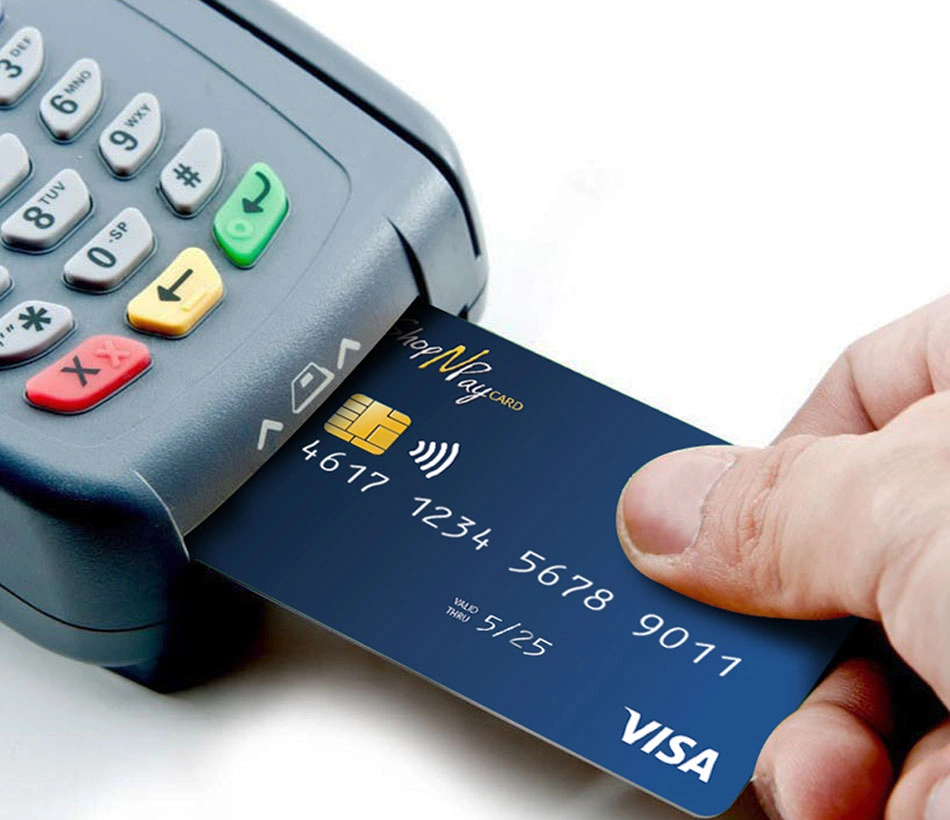
Visa and Mastercard are among the most useful international card networks for travelers visiting Uganda and Rwanda.
Before departure, check which network your card uses and whether your card issuer supports international transactions.
It is also useful to carry a second card on a different network when possible.
This provides a backup if one card is declined or unavailable.
Foreign Transaction Fees
One of the most important features to check when selecting a travel credit card is the foreign transaction fee.
Some cards charge a percentage of every transaction made outside the card’s home country.
Others offer no foreign transaction fee.
A card with no foreign transaction fee can potentially reduce the cost of repeated purchases during a multi-country safari.
However, travelers should check the card’s current terms because fees and benefits can change.
Currency Conversion During Your Safari
Uganda uses the Ugandan shilling, while Rwanda uses the Rwandan franc.
Your credit card account may be denominated in another currency.
When you make a purchase in Uganda or Rwanda, the card network converts the transaction into your billing currency.
The exchange rate used can vary according to the card network and transaction date.
Travelers should understand their card’s currency conversion policy before departure.
Always Pay in the Local Currency
When a card terminal asks whether you want to pay in the local currency or your home currency, paying in the local currency is generally preferable.
Choosing your home currency can trigger dynamic currency conversion.
The merchant or payment processor then determines the conversion rate, which may be less favorable than the rate provided through your card network.
For Uganda, this generally means choosing Ugandan Shillings.
For Rwanda, choose Rwandan Francs.
Credit Cards for Gorilla Permits
Gorilla permit payment procedures depend on how the permit is purchased.
Travelers booking through safari operators should follow the operator’s payment instructions.
Some international safari transactions may be quoted and settled in US dollars rather than Ugandan shillings or Rwandan francs.
Before paying, confirm the accepted currency, payment method, processing fees, and cancellation conditions.
Do not assume that every gorilla permit transaction can be paid directly with a credit card.
Credit Cards at Gorilla Lodges
Many established lodges near Bwindi and Volcanoes National Park accept major international cards.
However, travelers should confirm this before arrival.
Some properties may experience temporary connectivity or payment-processing problems.
A backup payment method is therefore essential.
Credit Cards in Kampala and Entebbe
Travelers arriving in Uganda will find wider card acceptance in Kampala and Entebbe.
International hotels, restaurants, shopping centers, and other established businesses commonly offer card payment facilities.
These cities are also convenient locations for withdrawing Ugandan shillings before traveling to remote safari destinations.
Credit Cards in Kigali
Kigali offers extensive banking and payment facilities compared with rural parts of Rwanda.
Travelers can use credit cards at many hotels, restaurants, shops, and tourism businesses.
Kigali is also a convenient place to organize cash before traveling toward Volcanoes National Park.
Credit Cards in Musanze
Musanze is the main town near Volcanoes National Park.
Travelers can find hotels, restaurants, banks, ATMs, and tourism services in the town.
Card acceptance is possible at many established businesses, but travelers should still carry Rwandan Francs when traveling into more remote areas.
Credit Cards Near Bwindi
The situation around Bwindi is different from Kampala or Entebbe.
The trekking sectors are located in relatively remote areas, and card acceptance varies between lodges and local businesses.
Travelers should not arrive expecting to pay for every small expense by card.
Carrying local cash remains important.
ATM Withdrawals With a Credit Card
Some credit cards allow cash advances from ATMs.
However, this is generally not the best way to obtain local currency.
Cash advances can involve high fees and interest charges that begin immediately.
A debit card designed for international ATM withdrawals is often more suitable for accessing Ugandan shillings or Rwandan francs.
Carry a Backup Debit Card
A travel credit card should ideally be combined with a debit card.
The debit card can be used for ATM withdrawals, while the credit card can handle larger purchases.
Travelers should keep the two cards separately.
If one card is lost, stolen, or blocked, the second card can provide access to funds.
Notify Your Bank Before Traveling
Before leaving home, check whether your card issuer requires travel notifications.
Some banks have automated fraud systems that may flag unusual overseas transactions.
Confirm that international transactions are enabled and that your bank has your current contact information.
Also make sure you know how to contact the bank if your card is lost.
Check Your Credit Card PIN
Travelers should know their card PIN before leaving home.
Some international payment terminals and ATMs require a PIN.
If your card uses a different PIN system or has restrictions on international cash withdrawals, resolve these issues before traveling.
Contactless Payments
Contactless payment is increasingly common in urban areas.
However, travelers should not assume that every safari lodge, restaurant, or rural business has a contactless terminal.
Carry the physical card as well as a mobile wallet when supported.
Mobile Wallets
Travelers may also use services such as Apple Pay or Google Pay where supported by their card issuer and the merchant’s payment terminal.
Mobile payment can be convenient because travelers do not need to remove their physical card for every transaction.
Nevertheless, mobile wallets should be treated as an additional payment option rather than the only method of payment.
Cash Is Still Important
A travel credit card does not eliminate the need for cash.
Cash may be required for porter services, tips, small purchases, local transportation, markets, community experiences, and businesses without card facilities.
Travelers visiting Uganda should carry some Ugandan shillings.
Travelers visiting Rwanda should carry some Rwandan francs.
Using Credit Cards for Tips
Credit cards are not always suitable for tipping.
Some hotels may add tips to a card bill, but guides, porters, drivers, and local service providers may prefer cash.
Carry small denominations of local currency for this purpose.
Using Credit Cards for Restaurants
Major restaurants in Kampala, Entebbe, Kigali, and other developed tourism centers may accept international cards.
Smaller restaurants may accept cash only.
Before ordering at a small establishment, confirm the available payment methods.
Using Credit Cards for Souvenirs
Large souvenir shops and established stores may accept cards.
Local markets and smaller craft businesses may prefer cash.
Rwandan Francs and Ugandan Shillings are useful when shopping locally.
Credit Card Security
Travelers should protect their card information carefully.
Avoid allowing unknown individuals to handle your card unnecessarily.
Check the transaction amount before approving a payment.
Keep transaction notifications enabled so you can identify unusual charges quickly.
Dynamic Currency Conversion
Dynamic currency conversion is an important issue for international travelers.
A merchant may offer to convert a purchase into your home currency instead of charging you in the local currency.
Although this may appear convenient, the exchange rate can be less favorable.
Whenever possible, choose the local currency and allow your card network to handle the conversion.
Credit Card Fraud Prevention
Use ATMs located at reputable banks or secure commercial locations.
Avoid using unfamiliar card terminals in isolated areas.
Keep your card securely stored when it is not being used.
If your card is lost or stolen, contact your issuer immediately.
Travel Credit Card Rewards
Some travel credit cards offer points, miles, cashback, airport lounge access, travel insurance, or other benefits.
These features can be valuable for travelers who spend significant amounts on flights and accommodation.
However, rewards should not be the only factor when choosing a card.
A card with excellent rewards but expensive foreign transaction fees may not be the most economical option for an international safari.
Travel Insurance Benefits
Some premium travel cards include travel insurance or related protections.
These benefits can sometimes include trip cancellation, travel delay, baggage protection, or emergency assistance.
Travelers should read the actual policy terms carefully.
Do not assume that a credit card’s insurance automatically covers gorilla trekking or other adventure activities.
Best Payment Strategy for Uganda and Rwanda
The most reliable approach is to combine several payment methods.
Use a travel credit card for major purchases where cards are accepted.
Use a debit card for ATM withdrawals.
Carry reasonable amounts of Ugandan shillings and Rwandan francs for local transactions.
Keep an emergency payment method separate from your main wallet.
This strategy reduces the risk of being left without access to money.
Sample Payment Plan
A traveler beginning in Uganda could use a credit card for hotel and safari payments, withdraw Ugandan Shillings in Kampala or another major town, and carry the local currency into the Bwindi region.
If the itinerary continues into Rwanda, the traveler can obtain Rwandan Francs in Kigali or Musanze.
The credit card remains available for larger expenses throughout the journey.
Choosing a Travel Credit Card
When comparing cards for an Uganda-Rwanda safari, consider foreign transaction fees, international acceptance, ATM policies, exchange rates, fraud protection, travel insurance, rewards, annual fees, and customer support.
A card with low international costs and reliable customer service can be more useful than one offering attractive rewards but expensive overseas transactions.
Conclusion
Choosing a suitable travel credit card Uganda and Rwanda travelers can rely on can make a gorilla safari more convenient and financially manageable.
Visa and Mastercard cards are useful for many larger businesses, hotels, safari companies, and restaurants, particularly in Kampala, Entebbe, Kigali, and Musanze. However, card acceptance becomes less predictable in remote areas around Bwindi and Volcanoes National Park.
Travelers should therefore combine a travel credit card with a debit card and local cash. Use Ugandan Shillings in Uganda and Rwandan Francs in Rwanda, and whenever a payment terminal offers currency choices, consider paying in the local currency.
Before departure, confirm that your cards allow international transactions, check foreign transaction fees, understand your ATM limits, and keep a backup payment method. Good payment planning allows you to concentrate on the safari rather than worrying about accessing your money.