Gorilla Trekking Bwindi Waterfall: Complete Guide to Gorilla Trekking and Waterfall Hikes
A gorilla trekking Bwindi waterfall adventure combines two remarkable experiences in southwestern Uganda: searching for endangered mountain gorillas in the ancient rainforest and exploring beautiful waterfalls hidden within the forest. While gorilla trekking attracts most visitors to Bwindi Impenetrable National Park, the park’s forest trails, streams, waterfalls, birds, butterflies, and plant life offer plenty of reasons to stay longer.
Adding a waterfall experience to a gorilla safari creates a more varied itinerary. After spending hours walking through steep forest terrain in search of gorillas, travelers can explore a waterfall trail at a different pace. The experience provides opportunities for nature photography, birdwatching, forest exploration, and relaxation.
This combination works especially well for travelers who want to experience Bwindi beyond the famous gorilla encounter.
Where to Find Waterfalls in Bwindi
Bwindi Impenetrable National Park lies in southwestern Uganda and contains several tourism sectors, including Buhoma, Ruhija, Rushaga, and Nkuringo.
The Buhoma area is particularly well known for its waterfall and forest walking experiences. The trails pass through dense rainforest and lead visitors toward streams and cascading waterfalls surrounded by lush vegetation.
The availability, route conditions, and walking arrangements can vary, so travelers should confirm the current trail options with their guide, lodge, or park authorities before planning the activity.
Why Combine Gorilla Trekking With a Bwindi Waterfall Hike?
A gorilla trekking Bwindi itinerary provides a good balance between wildlife and nature exploration.
Gorilla trekking focuses on locating a habituated gorilla family and observing the animals under strict conservation guidelines. A waterfall hike shifts attention toward the wider rainforest ecosystem.
During the waterfall walk, visitors can concentrate on forest trees, birds, butterflies, streams, mosses, and other natural features. The sound of flowing water also creates a peaceful atmosphere after a demanding gorilla trek.
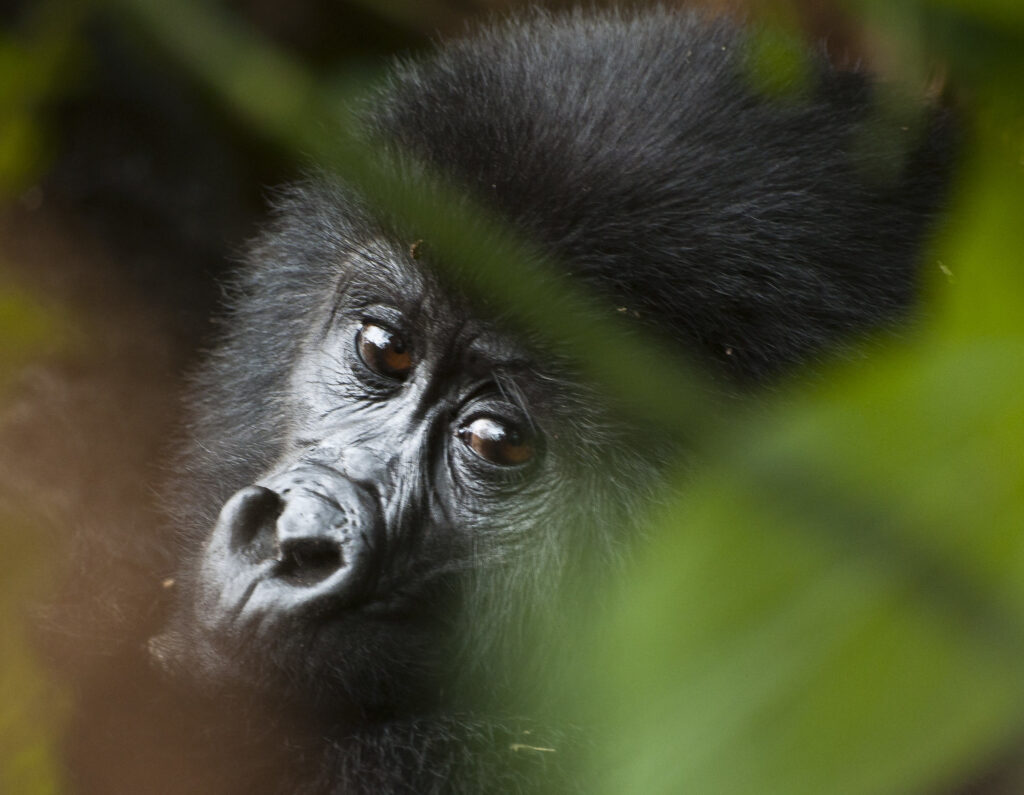
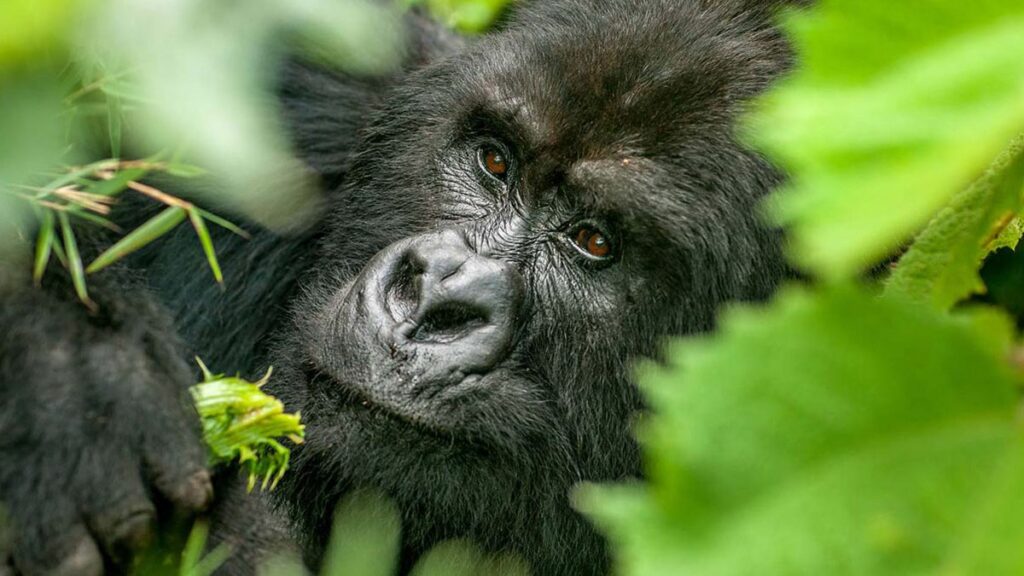
Gorilla Trekking in Bwindi
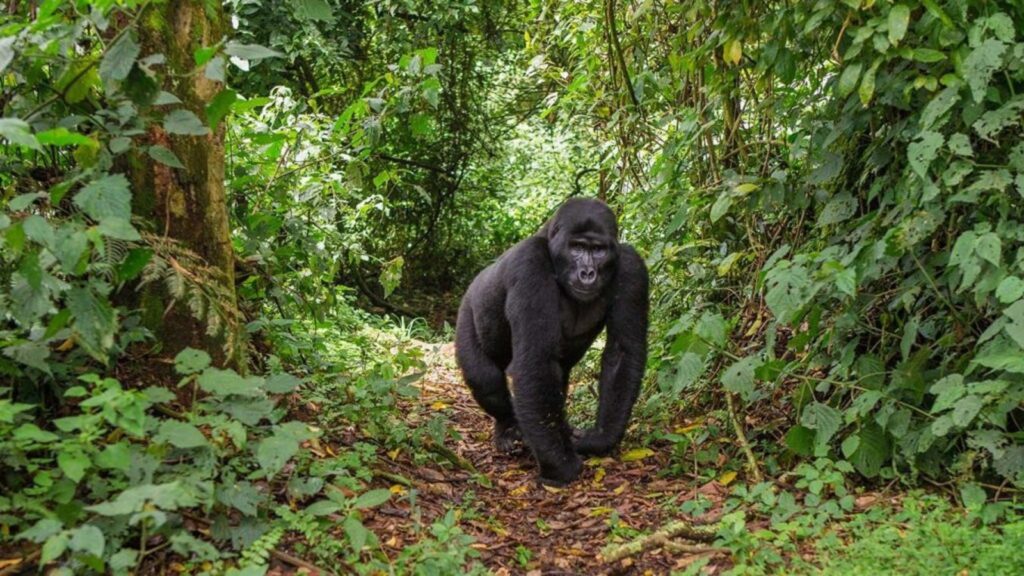
Gorilla trekking remains the main attraction of Bwindi Impenetrable National Park.
Visitors normally begin with a briefing before entering the forest with trained guides and rangers. The team then searches for a habituated gorilla family.
The duration of the trek varies because gorillas move through their natural habitat. Some treks may be relatively short, while others can involve several hours of challenging hiking.
Once the gorillas are located, visitors follow established rules designed to protect the animals and minimize disturbance.
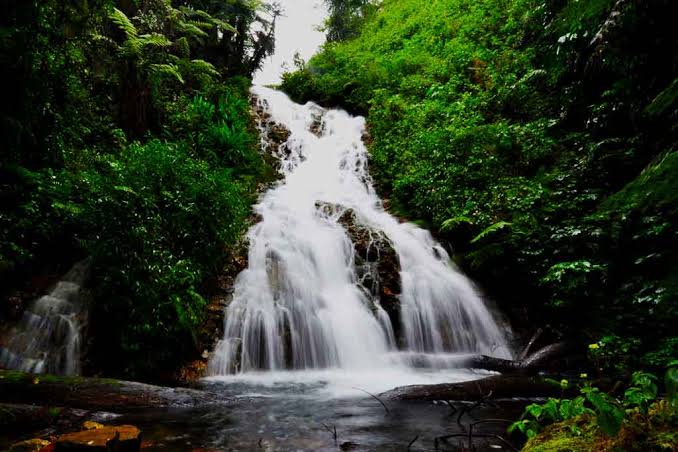
The Bwindi Waterfall Experience
Waterfall walks provide an opportunity to explore the rainforest without tracking a specific animal.
The trail may pass through dense vegetation, streams, steep sections, and areas covered with moss and ferns. As visitors approach the waterfall, the sound of rushing water gradually becomes stronger.
At the waterfall, travelers can enjoy the scenery, take photographs, observe vegetation, and listen to the sounds of the forest before returning along the trail.
Buhoma Waterfall Trail
Buhoma is one of the most popular areas for combining gorilla trekking with a forest waterfall experience.
The waterfall trail leads through the rainforest and provides opportunities to learn about Bwindi’s plants, birds, insects, and ecological systems. Local guides can point out interesting species and explain how the forest supports wildlife and surrounding communities.
The walk also provides a different perspective of the same ecosystem visited during gorilla trekking.
How Difficult Is a Bwindi Waterfall Hike?
The difficulty depends on the selected trail and current conditions.
Bwindi’s terrain is naturally hilly, and rainfall can make trails muddy and slippery. Visitors should expect uneven ground, roots, steep sections, and occasional stream crossings.
Travelers with moderate fitness can often manage suitable routes, while visitors who prefer easier walks should discuss their requirements with the guide before starting.
How Difficult Is Gorilla Trekking?
Gorilla trekking can range from moderate to demanding.
The location of the gorilla family determines the distance hikers must cover. Rangers may not know the exact location until the trek begins, so the walking time can vary.
Travelers should prepare for steep slopes, thick vegetation, muddy trails, and changing weather conditions.
Best Time for Gorilla Trekking and Waterfall Visits
A gorilla trekking trip in Bwindi, Uganda, can take place throughout the year.
The relatively drier periods from June to September and December to February often provide more comfortable hiking conditions. However, Bwindi is a rainforest, and rainfall can occur during any month.
The wetter months can make trails more difficult, but they may also produce stronger waterfall flows and particularly lush forest scenery.
Sample Gorilla and Waterfall Itinerary
Day 1: Travel to Bwindi
Travel to your selected Bwindi sector and check into your accommodation. Spend the evening preparing for the following day’s gorilla trek.
Day 2: Gorilla Trekking
Begin the gorilla trekking experience after the morning briefing. Enter the forest with your guide and ranger team and track a habituated gorilla family.
After returning to your lodge, spend the remainder of the day resting.
Day 3: Bwindi Waterfall Hike
Enjoy breakfast before beginning a guided waterfall walk. Explore the rainforest, observe birds and plants, and spend time around the waterfall before returning to your accommodation.
Day 4: Continue Your Uganda Safari
Travel onward to another destination or extend your stay with Lake Bunyonyi, Mgahinga Gorilla National Park, or Queen Elizabeth National Park.
What to Wear
The Bwindi rainforest can be wet and muddy, so appropriate clothing is important.
Wear sturdy waterproof hiking boots with good grip, long trousers, and a comfortable long-sleeved shirt. A waterproof jacket provides protection against sudden rainfall.
Lightweight clothing that dries quickly is also useful.
What to Pack
A small daypack should contain drinking water, snacks, sunscreen, insect repellent, binoculars, a camera, extra batteries, and waterproof protection for electronic equipment.
Travelers should avoid carrying unnecessary heavy items because the terrain can make even short walks tiring.
Hiring a Porter
A porter can provide useful support during both gorilla trekking and waterfall hiking.
Porters can carry backpacks and equipment and may assist travelers on steep or slippery sections. Hiring a local porter also provides direct economic support to communities around Bwindi.
Even travelers who are physically fit may appreciate having assistance on challenging sections.
Birdwatching Along the Waterfall Trail
The waterfall experience can be especially rewarding for birdwatchers.
Bwindi supports a remarkable range of forest birds, including species associated with the Albertine Rift. Walking slowly through the forest gives visitors opportunities to listen for bird calls and search the vegetation for movement.
A guide with birding knowledge can make the experience much more informative.
Butterflies and Forest Plants
Bwindi’s rainforest contains a remarkable variety of butterflies, trees, ferns, vines, orchids, mosses, and other vegetation.
During a waterfall hike, visitors have more time to observe these smaller features than they normally do during a gorilla trek.
Nature photographers can focus on colorful butterflies, water droplets on leaves, moss-covered branches, and the surrounding waterfall landscape.
Photography Opportunities
A gorilla trekking Bwindi itinerary provides excellent opportunities for both wildlife and landscape photography.
During gorilla trekking, visitors can photograph gorillas while following park regulations and ranger instructions. During the waterfall walk, photographers can capture forest scenery, flowing water, vegetation, birds, and butterflies.
A lightweight camera, waterproof cover, and spare batteries are recommended.
Responsible Tourism
Visitors should protect Bwindi’s fragile environment during both activities.
Do not litter, remove plants, feed animals, or disturb wildlife. Travelers should remain on designated trails and follow instructions from guides and rangers.
Visitors can also support local communities by hiring porters and guides, purchasing authentic local crafts, and using locally operated tourism services.
Conservation Benefits
Tourism plays an important role in supporting Bwindi’s conservation landscape.
Gorilla tourism generates revenue that contributes to protected-area management and creates employment for guides, rangers, porters, lodge staff, drivers, and other tourism workers.
Adding a waterfall experience encourages visitors to stay longer and spend more within the local tourism economy.
Other Activities to Add
Travelers can combine the gorilla trekking Bwindi waterfall experience with other attractions in southwestern Uganda.
Lake Bunyonyi offers canoeing, cycling, birdwatching, and relaxing lakeside experiences. Mgahinga Gorilla National Park provides opportunities for gorilla trekking, golden monkey tracking, and volcano hiking.
Travelers with additional time can continue to Queen Elizabeth National Park for game drives and a Kazinga Channel boat cruise.
Conclusion
A gorilla trekking Bwindi-waterfall experience offers travelers a rewarding way to explore Bwindi beyond its famous mountain gorillas. Gorilla trekking provides an unforgettable wildlife encounter, while waterfall hiking reveals the beauty, biodiversity, and peaceful atmosphere of the ancient rainforest.
The combination works particularly well for travelers who enjoy nature, photography, birdwatching, hiking, and conservation. With suitable equipment, an experienced guide, and enough time to enjoy each activity, adding a Bwindi waterfall experience can make a Uganda gorilla safari considerably more diverse.
For visitors already traveling to Bwindi for gorilla trekking, staying an extra day to explore the forest’s waterfalls can provide another memorable perspective of this remarkable ecosystem.