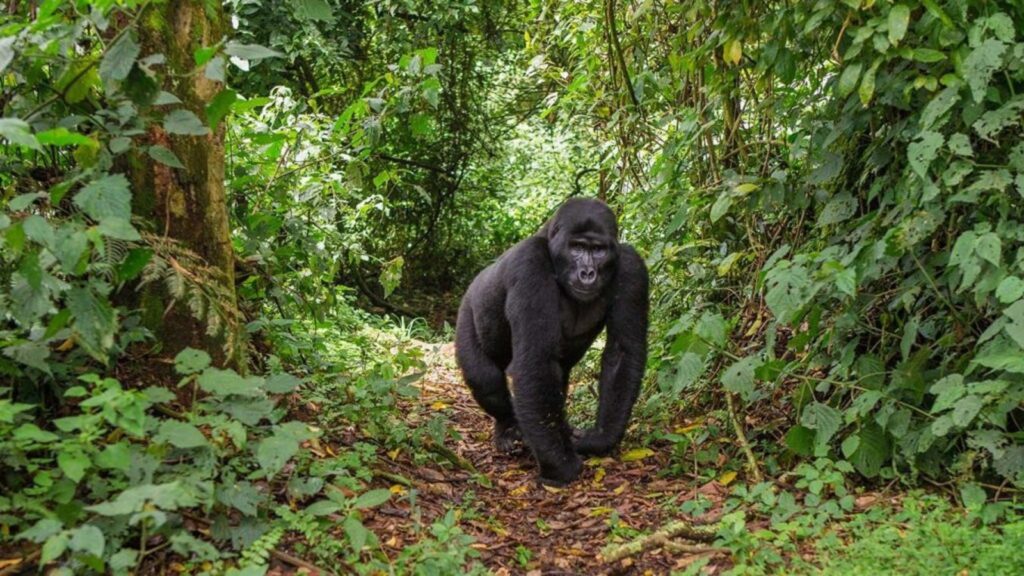

Gorilla Trekking Lost Luggage Park: What to Do If Your Bags Go Missing During Your Safari
A gorilla trekking safari is one of Africa’s most rewarding wildlife experiences, but like any international trip, unexpected travel challenges can arise. One of the most common concerns for travelers is missing or delayed luggage. Whether your bags fail to arrive at the airport, become misplaced during road transfers, or are accidentally left behind at a lodge, knowing how to handle a gorilla trekking lost luggage park situation can help you continue your adventure with minimal disruption.
Uganda and Rwanda have well-established tourism industries, and experienced tour operators regularly assist visitors who experience luggage problems. With the right preparation and a clear understanding of the recovery process, most lost luggage cases are resolved successfully.
Planning ahead allows you to enjoy your gorilla trekking safari with greater confidence.
Why Luggage Problems Can Occur
International travel often involves multiple flights, airport transfers, domestic road journeys, and accommodation changes. Each stage increases the possibility of delayed, misplaced, or lost baggage.
A gorilla trekking lost luggage park situation may occur because of airline transfer delays, baggage handling errors, luggage left in a safari vehicle, incorrect baggage collection, or accidental mix-ups at hotels and lodges. Although these situations are uncommon, understanding the recovery process helps reduce unnecessary stress.
Good organization before departure significantly lowers the likelihood of luggage problems.
Confirm That Your Luggage Is Missing
Before assuming your luggage has been lost, carefully retrace your recent movements.
Check your hotel room, lodge reception, safari vehicle, airport baggage carousel, and any storage areas where your bags may have been placed. Ask your tour guide, driver, or accommodation staff whether anyone has moved or secured your belongings.
Many gorilla trekking lost luggage park cases involve luggage that has simply been stored safely or loaded into another vehicle during transfers.
A careful search often resolves the issue quickly.
Report Lost Luggage Immediately
If your luggage remains missing, report the incident as soon as possible.
When luggage disappears at an airport, notify the airline’s baggage service desk before leaving the terminal. If the loss occurs during your safari, inform your tour operator, lodge manager, or transport provider immediately.
Providing a detailed description of your luggage, including its color, size, brand, luggage tags, and distinctive features, greatly improves the chances of recovery.
Prompt reporting remains one of the most important steps in resolving a gorilla trekking lost luggage park situation.
Work with Your Tour Operator
Professional safari companies regularly assist travelers experiencing luggage issues.
Your operator can contact airlines, accommodation providers, vehicle drivers, or local authorities while coordinating delivery if your bags are located. They may also adjust your itinerary slightly if necessary to accommodate luggage collection.
Experienced operators understand the logistics surrounding gorilla trekking destinations and often resolve gorilla trekking lost luggage park situations much faster than travelers working alone.
Their local knowledge provides valuable support.
Keep Essential Items in Your Carry-On Bag
One of the best ways to reduce the impact of missing luggage is to carry essential items in your cabin baggage.
Important travel documents, passports, medications, gorilla trekking permits, cameras, batteries, chargers, travel insurance documents, and one change of clothing should remain with you throughout your journey.
If checked luggage becomes delayed, these essentials allow you to continue your safari comfortably while waiting for your belongings.
Preparation makes unexpected delays much easier to manage.
Replacing Essential Equipment
If your luggage does not arrive before your scheduled gorilla trek, you may still complete the activity successfully.
Many lodges and nearby towns sell or rent basic trekking equipment such as rain jackets, hiking gloves, walking sticks, waterproof ponchos, socks, and other outdoor essentials. Tour operators can also recommend shops where visitors can purchase emergency supplies.
Although replacing specialized gear may require additional expense, most gorilla trekking park lost luggage situations do not prevent visitors from participating in their trek.
Flexibility helps maintain your travel plans.
Contact Your Travel Insurance Provider
Travel insurance provides valuable financial protection when luggage becomes delayed or permanently lost.
Many policies cover replacement clothing, essential toiletries, hiking equipment, emergency purchases, and compensation for lost baggage. Contact your insurer as soon as you confirm the gorilla trekking lost luggage park incident and ask which expenses qualify for reimbursement.
Insurance companies generally request airline reports, receipts, baggage claim records, and other supporting documents.
Keeping organized records simplifies the claims process.
Preventing Luggage Loss During Your Safari
Several simple precautions reduce the likelihood of luggage problems throughout your gorilla trekking adventure.
Attach clearly labeled identification tags to every bag, use distinctive luggage straps or brightly colored ribbons, photograph your luggage before departure, and keep baggage claim tags until your journey ends. During road transfers, confirm that all bags are loaded before leaving each destination.
Checking your luggage whenever you arrive at a new lodge also prevents accidental mix-ups.
Consistent attention to detail protects your belongings.
Protecting Valuable Items
Expensive equipment deserves extra protection during gorilla trekking.
Visitors should always carry cameras, lenses, binoculars, passports, laptops, drones where permitted, jewelry, prescription medication, and important documents in their hand luggage rather than checked baggage.
These precautions reduce financial risk and ensure that essential items remain available even if larger suitcases become delayed.
Protecting valuables strengthens overall travel security.
What Happens If Luggage Is Permanently Lost?
Most delayed baggage eventually reaches its owner, but occasionally luggage cannot be recovered.
In these situations, airlines, insurance providers, and transport companies follow established compensation procedures depending on the circumstances. Travelers should retain copies of baggage reports, receipts, travel itineraries, and communication records throughout the process.
Understanding your insurance coverage before departure helps establish realistic expectations should a gorilla trekking lost luggage park situation become permanent.
Documentation supports successful claims.
Staying Calm During the Process
Missing luggage can be frustrating, especially when planning a once-in-a-lifetime gorilla trekking experience.
Remaining calm, communicating regularly with your tour operator, following airline procedures, and keeping detailed records all improve the likelihood of a successful outcome. Most luggage delays resolve within a short period, allowing travelers to continue their safari with minimal inconvenience.
A positive attitude and good preparation make unexpected travel challenges much easier to manage.
Conclusion
A gorilla trekking lost luggage park situation can temporarily disrupt your safari, but it rarely prevents you from enjoying Uganda’s or Rwanda’s extraordinary mountain gorilla experience. Prompt reporting, close cooperation with your tour operator, comprehensive travel insurance, and careful preparation significantly improve the chances of recovering missing luggage or receiving appropriate compensation.
By carrying essential items in your hand luggage, labeling your bags clearly, and understanding the recovery process, you can travel with confidence knowing that even unexpected luggage problems can be managed effectively while exploring Africa’s remarkable gorilla habitats.