Gorilla Trekking Uganda Police Emergency: Essential Safety Information for Travelers
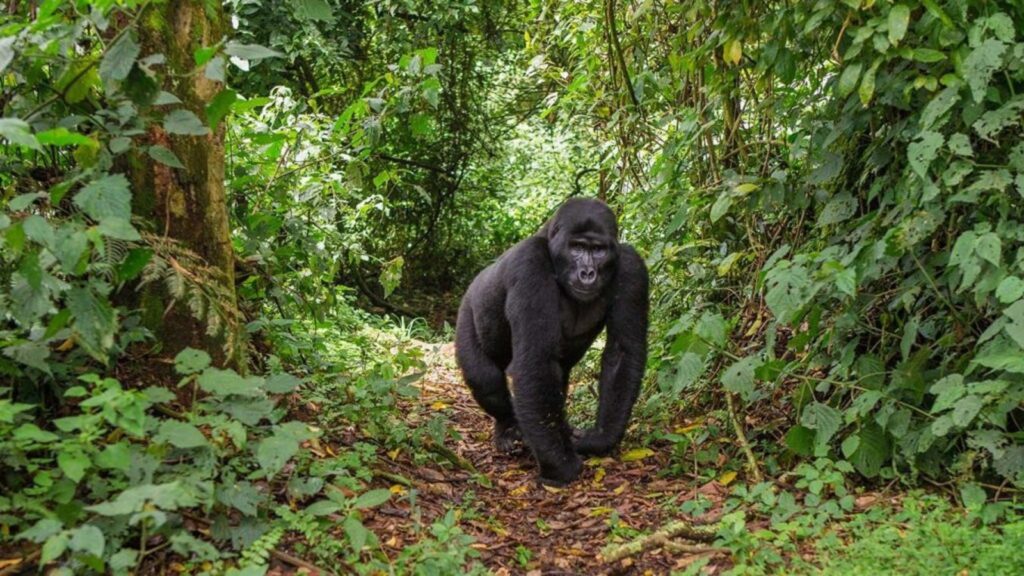
Uganda ranks among the world’s top destinations for mountain gorilla trekking, welcoming thousands of visitors each year to Bwindi Impenetrable National Park and Mgahinga Gorilla National Park. The country’s well-developed tourism sector, experienced ranger guides, and strong conservation programs create a safe environment for international travelers. While most gorilla trekking safaris proceed without incident, every visitor should understand the available emergency services before beginning their adventure. Knowing the gorilla trekking Uganda police emergency contacts forms an important part of responsible travel planning.
The Uganda Police Force works alongside the Uganda Wildlife Authority, local government agencies, healthcare providers, and licensed tour operators to promote visitor safety throughout the country. Although tourists rarely require police assistance during a gorilla safari, understanding how to access emergency services provides valuable peace of mind.
Good preparation allows travelers to enjoy Uganda’s remarkable wildlife experiences with greater confidence.
Why Emergency Planning Matters
Every international trip involves some level of uncertainty, and gorilla trekking takes place in remote mountain forests where quick access to emergency services is important. Visitors may occasionally encounter situations involving lost property, road accidents, medical emergencies, or security concerns while traveling between destinations.
Understanding the gorilla trekking Uganda police emergency procedures helps travelers respond calmly if unexpected situations arise. Professional support from local authorities, combined with assistance from tour operators and park staff, ensures that most issues receive prompt attention.
Preparing emergency contacts before departure helps reduce stress during unforeseen events.
Uganda Police Emergency Services
The Uganda Police Force provides nationwide emergency response services and works to protect residents and visitors across the country. Travelers should save the national police emergency number before beginning their safari so they can request assistance if necessary.
The primary Uganda Police emergency number is 999, while 112 also operates as a national emergency number on many mobile networks. These services connect callers with emergency responders who can coordinate police assistance where required.
Visitors should use these numbers responsibly and provide clear information about their location and the nature of the emergency.
Safety Around Gorilla Trekking Parks
Bwindi Impenetrable National Park and Mgahinga Gorilla National Park maintain strong security measures that support safe tourism. Uganda Wildlife Authority deploys trained ranger guides, trackers, and conservation staff who accompany visitors throughout every gorilla trek.
The gorilla trekking Uganda police emergency system complements these efforts by providing additional law enforcement support whenever required. Local police units cooperate with park authorities and tourism stakeholders to maintain a secure environment around nearby towns, lodges, and access roads.
This coordinated approach has contributed to Uganda’s reputation as one of Africa’s leading wildlife tourism destinations.
When You Should Contact the Police
Most gorilla trekking visitors never need police assistance. However, certain situations may require immediate contact with emergency services.
Examples include road traffic accidents, theft of personal belongings, serious security concerns, missing persons, criminal activity, or situations that place people at immediate risk. In these circumstances, the gorilla trekking Uganda police emergency contacts allow travelers to report incidents quickly and receive professional assistance.
Minor travel concerns can often be resolved through your tour operator or accommodation before police involvement becomes necessary.
Understanding the difference helps ensure emergency resources remain available for urgent situations.
The Role of Uganda Wildlife Authority
The Uganda Wildlife Authority plays the primary role in managing visitor safety inside national parks. Rangers accompany every trekking group, provide safety briefings, monitor visitor well-being, and coordinate emergency responses within protected areas.
If an incident occurs during a gorilla trek, ranger guides usually serve as the first point of contact. They communicate with park headquarters, organize medical assistance if needed, and coordinate with police or other emergency agencies when circumstances require additional support.
This partnership strengthens the overall gorilla trekking Uganda police emergency response system.
How Tour Operators Support Travelers
Licensed safari companies play an important role in visitor safety. Professional operators monitor travel conditions, maintain communication with lodges and park authorities, and assist guests throughout their safari.
If travelers require the gorilla trekking Uganda police emergency services, tour operators can help explain the situation, provide transportation, assist with translation where necessary, and coordinate communication with local authorities.
Choosing a reputable operator ensures that experienced professionals remain available should unexpected situations arise.
Keeping Important Emergency Contacts
Before leaving for Uganda, travelers should save several important emergency contacts on their mobile phones and carry printed copies in case electronic devices become unavailable.
These contacts should include the Uganda Police emergency numbers; your tour operator; accommodation provider; travel insurance company; embassy or high commission; and a trusted family member or friend.
Organizing this information before departure improves your ability to respond efficiently during emergencies.
Preparation often makes a significant difference.
Practical Safety Tips for Gorilla Trekkers
Good travel habits reduce the likelihood of needing emergency assistance. Visitors should keep valuables secure, avoid displaying large amounts of cash, follow guide instructions, remain with their trekking group, and respect local laws throughout their visit.
Travelers should also share their itinerary with family members, carry identification at all times, and ensure their mobile phone remains charged whenever possible.
These simple precautions support personal safety while reducing unnecessary risks during a gorilla trekking safari.
The Importance of Travel Insurance
Travel insurance complements the Ugandan police emergency services for gorilla trekking by providing financial protection for medical treatment, emergency transportation, lost baggage, and travel disruptions.
Visitors should purchase comprehensive insurance before traveling and confirm that their policy covers gorilla trekking and other adventure tourism activities. Insurance providers may also offer emergency assistance services that work alongside local authorities when serious situations occur.
Proper insurance strengthens your overall travel preparedness.
Responsible Travel During Your Safari
Responsible tourism involves respecting both local communities and conservation regulations. Visitors should cooperate with ranger guides, obey park rules, report suspicious activity when appropriate, and treat local authorities with courtesy and respect.
Following official guidance contributes to a safe environment for fellow travelers, park staff, and nearby communities. Responsible behavior also supports the long-term success of Uganda’s gorilla conservation programs.
Safety remains a shared responsibility.
Conclusion
Understanding the gorilla trekking Uganda police emergency contacts is an important part of preparing for a gorilla safari in Uganda. Although emergencies remain uncommon, knowing how to reach the Uganda Police Force, Uganda Wildlife Authority, your tour operator, and other emergency services provides valuable reassurance throughout your journey.
By saving important contact numbers, purchasing comprehensive travel insurance, traveling with a licensed safari operator, and following park safety guidelines, you can confidently enjoy one of Africa’s most unforgettable wildlife experiences while knowing that professional assistance is available whenever necessary.