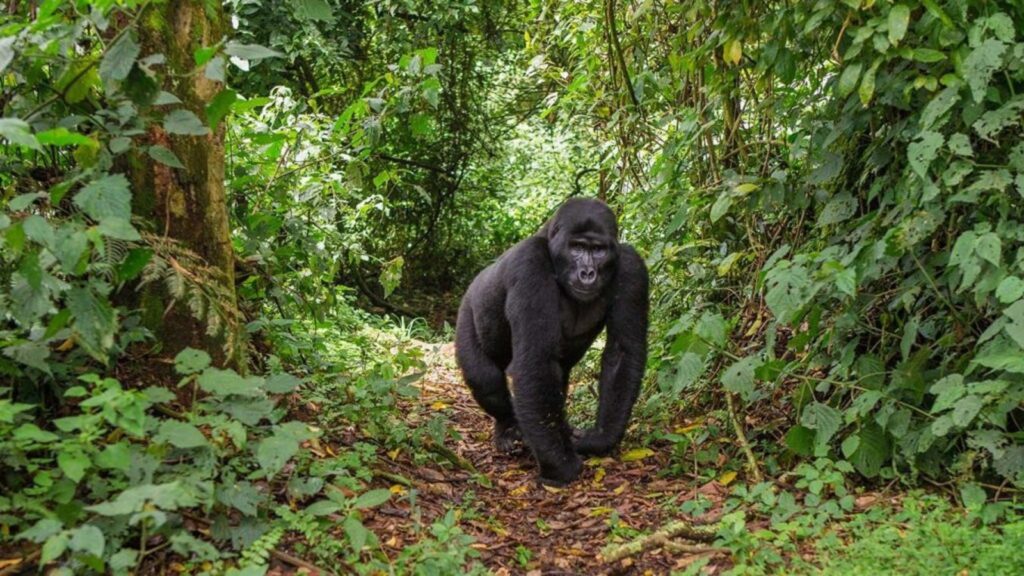

Gorilla Trekking Legal Rights Tourists: Understanding Your Rights During a Gorilla Safari
Gorilla trekking is one of Africa’s most celebrated wildlife experiences, attracting travelers from around the world to Uganda, Rwanda, and the Democratic Republic of Congo. Visitors invest significant time and money into securing permits, arranging transportation, booking accommodation, and planning their safari itineraries. As a result, understanding gorilla trekking legal rights tourists possess is an important part of responsible travel preparation.
Tourists who participate in gorilla trekking have certain rights as consumers, travelers, and visitors to protected areas. These rights help ensure fair treatment, transparent services, and access to accurate information throughout the booking and travel process. At the same time, tourists also have responsibilities that support conservation efforts and the protection of mountain gorillas.
Knowing your legal rights before traveling can help you make informed decisions, avoid misunderstandings, and respond effectively if problems arise during your safari.
What Are Gorilla Trekking Legal Rights for Tourists?
The term “gorilla trekking legal rights tourists” refers to the protections and entitlements available to travelers who purchase gorilla trekking permits, safari packages, accommodation services, and related tourism products.
These rights generally include access to accurate information, transparent pricing, fair treatment, privacy protection, and the ability to seek assistance if a service provider fails to meet agreed obligations. Consumer protection laws, tourism regulations, and contractual agreements often form the foundation of these rights.
Although specific legal frameworks vary by country, the underlying principles remain similar. Tourists should receive the services they paid for, be treated fairly, and have access to complaint and dispute resolution mechanisms when necessary.
Understanding these protections helps travelers navigate the tourism industry with greater confidence.
Right to Accurate Information
One of the most important gorilla trekking legal rights tourists enjoy is the right to accurate and truthful information before making a booking.
Tour operators, accommodation providers, and tourism businesses should clearly explain permit costs, accommodation standards, transportation arrangements, cancellation policies, and package inclusions. Marketing materials should accurately represent the services being offered.
Travelers should not be misled by false claims, hidden fees, or inaccurate descriptions of safari experiences. If information appears unclear, tourists have the right to ask questions and request clarification before making payments.
Accurate information allows travelers to make informed decisions and reduces the risk of disputes later.
Right to Transparent Pricing
Transparent pricing forms a key part of gorilla trekking legal rights tourists should expect when planning a safari.
Before confirming a booking, travelers should receive a clear breakdown of costs, including gorilla permit fees, accommodation charges, transportation expenses, guide services, and any additional costs. Reputable operators explain what is included and excluded from their packages.
Hidden charges can create frustration and damage trust between travelers and service providers. Transparent pricing helps ensure that tourists understand exactly what they are purchasing.
Clear financial information also allows travelers to compare different operators and select services that meet their budgets and expectations.
Right to Receive Booked Services
Another important aspect of gorilla trekking legal rights for tourists involves receiving the services that were promised at the time of booking.
If a traveler purchases a specific safari package, the operator should make reasonable efforts to provide the agreed accommodation, transportation, guiding services, and itinerary components. Significant changes should be communicated promptly and professionally.
While certain circumstances such as weather conditions, wildlife movements, or government regulations may affect operations, service providers should still honor their commitments whenever possible.
Tourists have the right to expect professional service delivery consistent with the terms of their booking agreements.
Right to Safety Information
Safety plays a critical role in gorilla trekking legal rights tourists should understand before entering protected areas.
Travelers have the right to receive safety briefings, health guidance, and information regarding trekking conditions. Park authorities and guides should explain rules designed to protect visitors and mountain gorillas.
Safety information may include trekking procedures, emergency protocols, wildlife viewing guidelines, and health requirements. Visitors should receive these instructions in a manner that allows them to participate responsibly.
Access to accurate safety information contributes to a more enjoyable and secure trekking experience.
Right to Privacy and Data Protection
Privacy considerations are increasingly important within gorilla trekking legal rights tourists possess when booking travel services.
Tour operators often collect personal information such as passport details, contact information, travel dates, and payment records. Businesses should handle this information responsibly and use it only for legitimate tourism-related purposes.
Travelers have the right to expect reasonable protection of their personal data and should be informed about how their information will be used.
Responsible data management helps maintain trust between tourism businesses and their customers.
Right to Fair Complaint Handling
If problems arise during a safari or gorilla trekking, legal rights for tourists include the ability to raise concerns and seek resolution through established complaint procedures.
Tour operators should provide reasonable opportunities for customers to report issues and receive responses. Complaints may involve booking concerns, service quality, accommodation standards, transportation problems, or billing disputes.
Travelers should communicate concerns clearly and provide relevant documentation when necessary. Professional complaint handling benefits both customers and service providers by encouraging accountability and continuous improvement.
A fair complaint process strengthens confidence in the tourism industry.
Right to Request Refunds Under Applicable Policies
Refund rights form an important component of gorilla trekking legal rights tourists should understand before booking a safari.
Eligibility for refunds depends on cancellation policies, permit regulations, and contractual agreements. Travelers should review these conditions carefully before making payments.
In situations where services cannot be delivered as agreed or where specific refund provisions apply, tourists may have the right to request compensation or reimbursement. However, not every cancellation automatically qualifies for a refund.
Understanding applicable policies helps travelers manage expectations and make informed decisions regarding bookings.
Right to Use Licensed Service Providers
Travelers benefit when they exercise their legal gorilla trekking rights as tourists by choosing licensed and authorized operators.
Licensed companies generally operate under tourism regulations and industry standards designed to protect consumers. These operators are often subject to oversight from tourism authorities and professional associations.
Working with licensed providers reduces the risk of fraud, unauthorized permit sales, and misleading business practices.
Verification of licenses and credentials should be part of every traveler’s booking process.
Responsibilities That Accompany Tourist Rights
While discussing gorilla trekking legal rights for tourists, it is important to recognize that rights come with responsibilities.
Visitors must follow park regulations, respect conservation guidelines, and comply with instructions provided by guides and rangers. Tourists should also provide accurate information during the booking process and honor agreed payment terms.
Responsible behavior helps protect mountain gorillas and supports sustainable tourism practices. Respecting local laws and conservation regulations contributes to positive experiences for all visitors.
A balance between rights and responsibilities strengthens the entire tourism system.
Role of Tourism Authorities in Protecting Tourist Rights
Tourism authorities play an important role in supporting gorilla trekking legal rights for tourists through regulations, licensing requirements, and industry oversight.
These organizations help establish standards for tourism businesses and may assist in resolving disputes when necessary. Authorities also monitor compliance with conservation regulations and visitor protection measures.
Their involvement promotes accountability and encourages professional conduct throughout the tourism industry.
Travelers who understand the role of tourism authorities are better prepared to seek assistance if concerns arise.
How Tourists Can Protect Their Rights
Travelers can strengthen their legal rights to gorilla trekking tours by taking proactive steps before and during their safari.
Researching operators, reading reviews, requesting written agreements, and maintaining copies of booking documents all help protect consumer interests. Travelers should ask questions about pricing, cancellation policies, and permit arrangements before making payments.
Documentation becomes especially valuable if a dispute arises later. Clear records help establish facts and support communication with service providers.
Preparation remains one of the most effective forms of consumer protection.
Conclusion
Understanding gorilla trekking legal rights tourists possess helps travelers navigate the gorilla tourism industry with greater confidence and awareness. These rights include access to accurate information, transparent pricing, fair treatment, privacy protection, complaint procedures, and consumer safeguards.
At the same time, tourists share responsibility for following conservation rules and supporting responsible tourism practices. By working with licensed operators, reviewing booking conditions carefully, and maintaining proper documentation, travelers can protect their interests while enjoying one of Africa’s most unforgettable wildlife experiences.
Knowledge of legal rights creates a stronger foundation for a safe, transparent, and rewarding gorilla trekking adventure.