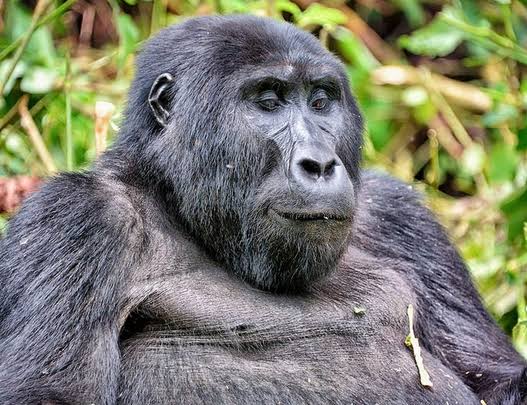
Gorilla Annual Visitor Numbers Rwanda: Understanding Gorilla Trekking Tourism Growth
Gorilla trekking remains one of Rwanda’s most valuable tourism experiences and one of Africa’s most recognized wildlife adventures. Every year, travelers from different parts of the world visit Volcanoes National Park to encounter endangered mountain gorillas in their natural habitat. The growing interest in this experience makes **gorilla annual visitor numbers Rwanda** an important topic for understanding tourism development, conservation funding, and the future of sustainable wildlife travel.
Rwanda has built a strong reputation as a premium gorilla trekking destination because of its well-managed tourism infrastructure, easy access numbers ingali, and exceptional conservation programs. Volcanoes National Park, located in the northern part of the country, protects a significant population of mountain gorillas that attract visitors seeking rare wildlife encounters.
Annual visitor statistics provide valuable information about tourism trends, permit demand, economic contributions, and conservation outcomes. They also help explain how Rwanda manages the balance between increasing tourism interest and protecting endangered gorillas.
Understanding Rwanda’s Gorilla Annual Visitor Numbers
The term “gorilla annual visitor numbers Rwanda” refers to the number of tourists who participate in gorilla trekking activities in Volcanoes National Park each year. These figures help measure the popularity of Rwanda’s gorilla tourism industry and show how international demand has changed over time.
Unlike many wildlife tourism activities, gorilla trekking operates under strict visitor limits. Rwanda does not allow unlimited access to gorilla families because conservation authorities must protect gorilla health and minimize human disturbance.
Visitor numbers depend on factors such as available permits, global travel trends, economic conditions, international marketing, and conservation policies. Because Rwanda positions gorilla trekking as a high-value tourism experience, the country focuses more on quality and sustainability rather than uncontrolled visitor growth.
This approach supports long-term conservation while maintaining the exclusivity of the experience.
Volcanoes National Park and Gorilla Tourism
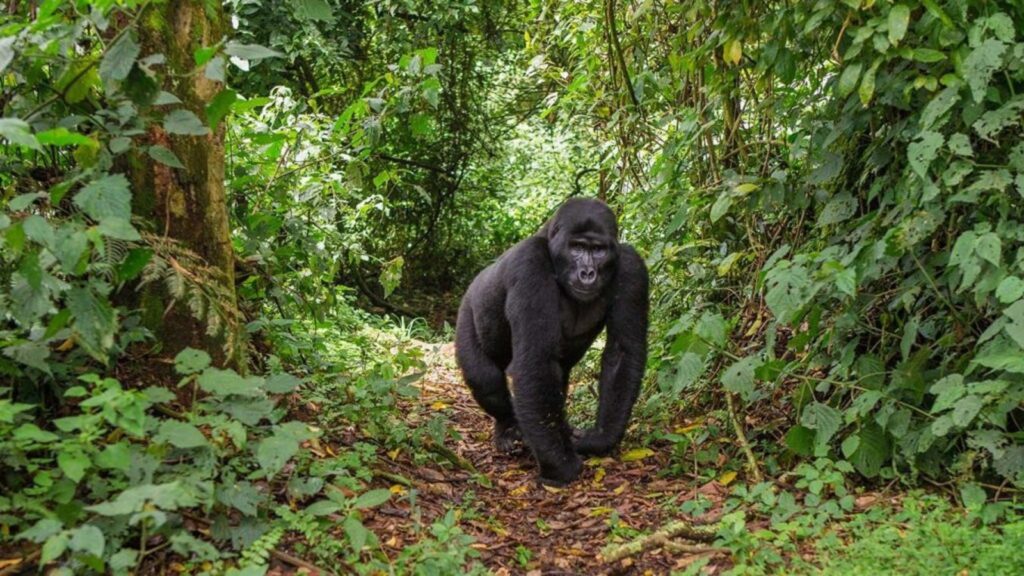
Volcanoes National Park forms the center of Rwanda’s gorilla tourism industry and contributes significantly to Rwanda’s annual gorilla visitor numbers. The park is part of the larger Virunga Mountain ecosystem, which stretches across Rwanda, Uganda, and the Democratic Republic of Congo.
The park contains several habituated gorilla families available for tourism visits. Each day, visitors receive permits that allow them to spend a limited period observing gorillas under the guidance of trained trackers and park staff.
The dramatic volcanic landscape, bamboo forests, and scenic mountain views add to the attraction of trekking in Rwanda. Many visitors combine gorilla trekking with cultural experiences, hiking adventures, and other wildlife activities.
Volcanoes National Park continues to serve as the foundation of Rwanda’s international tourism reputation.
Growth of Gorilla Tourism in Rwanda
The growth of gorilla annual visitor numbers in Rwanda reflects the country’s successful transformation into a leading ecotourism destination. Over the years, Rwanda has invested heavily in tourism promotion, conservation management, and visitor infrastructure.
The country’s “high-value, low-impact” tourism approach has attracted travelers willing to pay premium prices for exclusive wildlife experiences. Improvements in roads, accommodation facilities, airport connections, and tourism services have made gorilla trekking more accessible.
International awareness of Rwanda’s conservation success has also contributed to increasing demand. Many travelers view gorilla trekking as a once-in-a-lifetime adventure and prioritize Rwanda because of its reputation for organization and safety.
This steady growth has strengthened tourism as an important part of Rwanda’s economy.
Factors Affecting Annual Gorilla Visitor Numbers
Several factors influence gorilla annual visitor numbers in Rwanda each year. The availability of gorilla permits remains the biggest factor because Rwanda strictly controls the number of people who can visit gorilla families daily.
Travel seasons also affect visitor numbers. Peak periods often occur during dry seasons when trekking conditions become more favorable. During these periods, permit demand usually increases, and visitors often need to book several months in advance.
International events, airline connections, global economic conditions, and travel restrictions can also influence tourism patterns. Positive media coverage and conservation achievements often increase worldwide interest.
These factors create yearly changes in visitor numbers while maintaining responsible tourism management.
The Role of Gorilla Permits in Visitor Management
Gorilla permits play a central role in controlling annual gorilla visitor numbers in Rwanda. Every person who participates in gorilla trekking must purchase an official permit issued through Rwanda’s tourism authorities.
The permit system limits daily visitors and ensures that gorilla families receive manageable levels of human interaction. This approach reduces stress on the animals and helps protect them from possible disease transmission.
Permit revenue also provides essential funding for conservation programs, park management, research, and community initiatives around Volcanoes National Park.
Although permit prices in Rwanda are among the highest in Africa, the revenue supports a conservation model that prioritizes sustainability and wildlife protection.
Economic Importance of Gorilla Visitor Numbers
The importance of annual gorilla visitor numbers in Rwanda extends beyond tourism statistics. Gorilla trekking generates significant economic benefits for Rwanda through direct and indirect tourism activities.
Visitors spend money on permits, accommodation, transportation, guides, meals, cultural activities, and other travel services. These expenditures support businesses and create employment opportunities for local communities.
Tourism revenue also contributes to conservation programs and community development projects near protected areas. Local residents benefit through jobs, tourism enterprises, and initiatives designed to improve livelihoods.
The success of gorilla tourism demonstrates how wildlife conservation can contribute to national economic development.
Conservation Benefits of Gorilla Tourism
One of the most important reasons for monitoring Rwanda’s annual gorilla visitor numbers is understanding the relationship between tourism and conservation.
Revenue from gorilla trekking supports activities such as habitat protection, ranger patrols, veterinary monitoring, scientific research, and conservation education. These efforts have contributed to the recovery of mountain gorilla populations in the Virunga region.
Tourism also creates financial incentives for protecting forests and maintaining biodiversity. Communities living near Volcanoes National Park increasingly recognize the value of conserving gorilla habitats.
Rwanda’s gorilla tourism model demonstrates how responsible tourism can support endangered species protection.
Challenges of Increasing Visitor Numbers
Although rising annual gorilla visitor numbers in Rwanda create economic opportunities, tourism growth requires careful management. Mountain gorillas remain vulnerable to human-related risks, especially disease transmission and habitat disturbance.
Park authorities must maintain strict trekking rules, including visitor limits, health guidelines, and minimum viewing distances. These regulations ensure that tourism does not negatively affect gorilla welfare.
Rwanda must also manage infrastructure development carefully to prevent environmental damage. Sustainable tourism planning remains essential as global interest continues increasing.
Protecting gorillas requires maintaining a careful balance between tourism benefits and conservation responsibilities.
Rwanda’s High-Value Tourism Strategy
Rwanda’s approach to annual gorilla visitor numbers: Rwanda focuses on maximizing value rather than maximizing visitor volume. Instead of allowing large numbers of tourists, Rwanda emphasizes premium experiences that generate strong conservation returns.
The strategy supports quality accommodation, professional guiding services, and well-managed trekking experiences. It also reduces pressure on gorilla habitats while maintaining tourism revenue.
This model has positioned Rwanda as a luxury wildlife destination and attracted travelers seeking exclusive conservation experiences.
The country’s approach demonstrates how tourism growth can occur without compromising environmental protection.
Future Trends in Rwanda Gorilla Tourism
The future of Rwanda’s annual gorilla visitor numbers will likely depend on global travel trends, conservation policies, and continued demand for wildlife experiences.
As more travelers seek meaningful and sustainable adventures, interest in gorilla trekking is expected to remain strong. Digital marketing, improved connectivity, and international conservation awareness will continue influencing visitor demand.
However, Rwanda will continue prioritizing responsible tourism management. Maintaining healthy gorilla populations and protecting their habitat will remain more important than unlimited visitor growth.
Sustainable tourism will guide the future development of Rwanda’s gorilla industry.
Conclusion
Gorilla annual visitor numbers in Rwanda provide valuable insight into the growth, importance, and sustainability of the country’s gorilla trekking industry. Thousands of visitors travel to Volcanoes National Park each year to experience one of the world’s most remarkable wildlife encounters.
These visitors contribute to conservation funding, community development, and Rwanda’s tourism economy. Through careful permit management and responsible tourism policies, Rwanda continues protecting endangered mountain gorillas while offering unforgettable experiences to travelers.
As global interest in gorilla trekking continues to grow, Rwanda’s commitment to conservation and sustainable tourism will remain essential for protecting these incredible animals for future generations.