Gorilla Trekking Transparency Report: Strengthening Accountability in Uganda’s Gorilla Tourism Sector
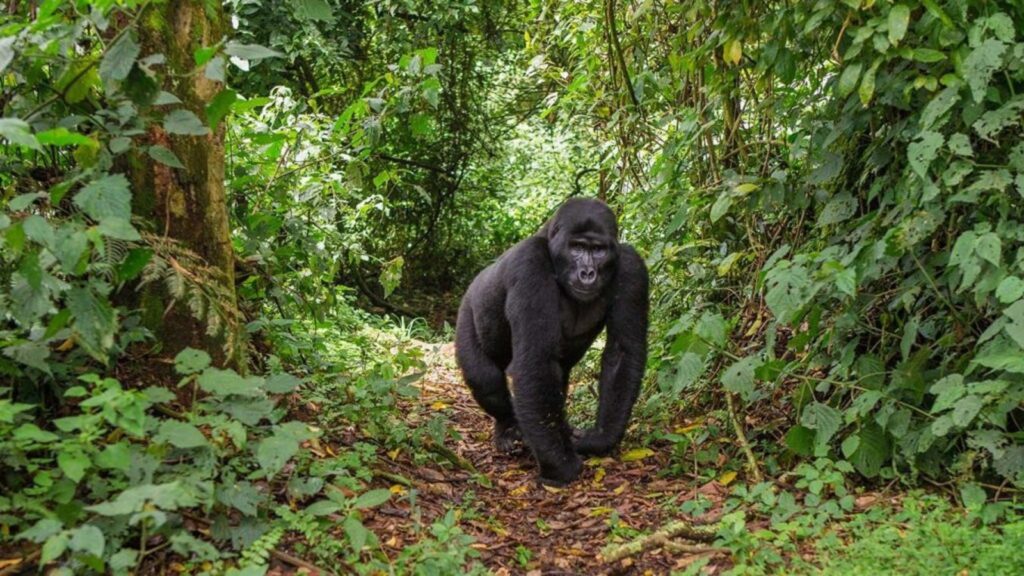
Uganda’s gorilla trekking industry has become one of Africa’s most successful examples of conservation-based tourism. Every year, thousands of visitors travel to Bwindi Impenetrable National Park and Mgahinga Gorilla National Park to observe endangered mountain gorillas in their natural habitat. Revenue generated from gorilla permits, accommodation, transportation, and related tourism services supports wildlife conservation, community development, employment creation, and national economic growth. As the sector continues to expand, transparency and accountability have become increasingly important topics. This has led to growing interest in the concept of a gorilla trekking transparency report.
A transparency report serves as a public accountability tool that provides information about how tourism revenue is generated, managed, and utilized. It allows stakeholders to better understand conservation funding, permit allocation systems, community benefit programs, tourism investments, and governance practices. Transparency helps build trust among visitors, conservation partners, local communities, investors, and government institutions.
In a sector where conservation success depends on public confidence and stakeholder cooperation, transparency reporting plays an important role in ensuring that tourism benefits are managed responsibly and contribute effectively to wildlife protection and sustainable development.
What Is a Gorilla Trekking Transparency Report?
A gorilla trekking transparency report is a document or public disclosure that provides information about the management, operations, finances, and governance of gorilla tourism activities. The purpose of the report is to improve accountability by sharing relevant information with stakeholders and demonstrating responsible management practices.
Transparency reports may include data related to gorilla permit sales, conservation funding, community revenue-sharing programs, visitor statistics, infrastructure development projects, environmental initiatives, and financial performance. The exact contents can vary depending on the organization producing the report.
By making information available to the public, tourism authorities and conservation organizations help create greater confidence in how resources are managed. Transparency reporting also encourages continuous improvement by highlighting achievements, challenges, and future priorities.
The process supports stronger governance and more informed decision-making throughout the tourism sector.
Why Transparency Matters in Gorilla Tourism
The importance of a gorilla trekking transparency report stems from the significant conservation and economic value of gorilla tourism. Gorilla permits generate substantial revenue that supports park operations, wildlife protection, ranger programs, research activities, and community development initiatives.
Visitors often want assurance that the money they spend contributes directly to conservation and local development. Communities living near protected areas also seek confidence that tourism benefits are distributed fairly and effectively. Conservation partners and donors similarly require evidence that resources are being managed responsibly.
Transparency helps address these expectations by providing clear information about tourism performance and resource allocation. It reduces uncertainty, strengthens trust, and promotes greater stakeholder engagement.
A transparent tourism sector is generally more resilient and sustainable over the long term.
Reporting on Gorilla Permit Revenue
One of the most important components of a gorilla trekking transparency report involves reporting on gorilla permit revenue. Gorilla permits represent a major source of funding for conservation and tourism management activities in Uganda.
Transparency reporting may provide information about permit sales, visitor demand, annual revenue trends, and how funds are allocated across various conservation and development programs. While financial details may vary depending on reporting practices, public disclosure helps stakeholders understand the role permit revenue plays in supporting protected areas.
Clear reporting also demonstrates the economic value of gorilla conservation and highlights the importance of sustainable tourism management. This information helps justify continued investment in conservation programs and tourism infrastructure.
Permit revenue reporting strengthens accountability throughout the sector.
Conservation Funding and Resource Allocation
A key objective of a gorilla trekking transparency report is to explain how tourism-generated funds support conservation efforts. Mountain gorilla protection requires ongoing investment in wildlife monitoring, ranger patrols, habitat management, research, veterinary interventions, and infrastructure maintenance.
Transparency reports can provide insights into conservation priorities, funding allocations, and program outcomes. Stakeholders gain a clearer understanding of how tourism contributes to the protection of endangered mountain gorillas and their habitats.
Detailed reporting also highlights the relationship between visitor spending and conservation success. When tourists see evidence of positive conservation impacts, they often feel more connected to the broader mission of wildlife protection.
Transparency therefore strengthens support for long-term conservation initiatives.
Community Revenue Sharing and Development Projects
Community benefits are another important area addressed in a gorilla trekking transparency report. Tourism plays a significant role in supporting communities located near gorilla habitats, making it important to communicate how these benefits are delivered.
Reports may include information about revenue-sharing programs, community infrastructure projects, educational initiatives, healthcare support, livelihood programs, and employment opportunities linked to tourism activities. These disclosures help demonstrate how tourism contributes to local development.
Community-focused reporting also promotes fairness and accountability by showing how tourism benefits are distributed. Clear communication strengthens relationships between conservation authorities, tourism stakeholders, and local residents.
Successful conservation often depends on strong community support and participation.
Visitor Statistics and Tourism Performance
A comprehensive gorilla trekking transparency report often includes tourism performance indicators that help stakeholders understand industry trends. Visitor statistics provide valuable insights into demand patterns, market growth, and tourism performance over time.
Information may include visitor numbers, seasonal trends, source markets, occupancy rates, permit utilization, and tourism growth indicators. These metrics help tourism planners, investors, and policymakers make informed decisions about future development.
Performance reporting also demonstrates the contribution of gorilla tourism to Uganda’s broader tourism economy. Understanding industry trends helps support strategic planning and sustainable growth.
Reliable data improves transparency and strengthens industry confidence.
Governance and Ethical Management
Governance is a central theme within any gorilla trekking transparency report. Stakeholders increasingly expect tourism organizations to demonstrate ethical leadership, accountability, and responsible decision-making.
Transparency reports may outline governance structures, policy frameworks, anti-corruption measures, procurement procedures, audit processes, and risk management practices. These disclosures help show how organizations maintain integrity and manage resources responsibly.
Strong governance contributes to operational efficiency, stakeholder trust, and organizational credibility. It also helps reduce risks associated with financial mismanagement and unethical conduct.
Accountability remains essential for sustainable tourism development.
Environmental Sustainability Reporting
Environmental stewardship is another important element of a gorilla trekking transparency report. Tourism operators and conservation authorities often monitor environmental indicators to assess the impact of tourism activities on protected ecosystems.
Reports may highlight conservation achievements, habitat restoration projects, waste management initiatives, carbon reduction efforts, biodiversity monitoring programs, and sustainable tourism practices. These disclosures demonstrate commitment to environmental responsibility.
Environmental reporting helps stakeholders understand how tourism growth is balanced with ecological protection. It also provides opportunities to celebrate conservation successes and identify areas for improvement.
Sustainability reporting strengthens long-term conservation planning.
Transparency Reporting in Uganda’s Gorilla Parks
The concept of a gorilla trekking transparency report is particularly relevant to Uganda’s leading gorilla tourism destinations. Conservation and tourism activities within Bwindi Impenetrable National Park depend on effective management, public trust, and responsible resource allocation.
Similar transparency priorities apply to Mgahinga Gorilla National Park, where tourism revenue contributes to both conservation programs and community development initiatives.
By promoting accountability and open communication, transparency reporting helps strengthen confidence in Uganda’s gorilla tourism sector while supporting the long-term protection of mountain gorillas and their habitats.
These efforts reinforce Uganda’s reputation as a leading conservation tourism destination.
Conclusion
A gorilla trekking transparency report is an important tool for promoting accountability, trust, and responsible management within Uganda’s gorilla tourism sector. By providing information about permit revenue, conservation funding, community development, governance practices, environmental initiatives, and tourism performance, transparency reports help stakeholders understand how tourism benefits are generated and utilized.
Transparency strengthens public confidence, supports conservation objectives, and encourages more informed decision-making. It also demonstrates a commitment to ethical tourism management and sustainable development.
As gorilla tourism continues to grow in importance, transparency reporting will remain a valuable mechanism for ensuring that tourism contributes effectively to conservation, community well-being, and the long-term success of Uganda’s wildlife tourism industry.