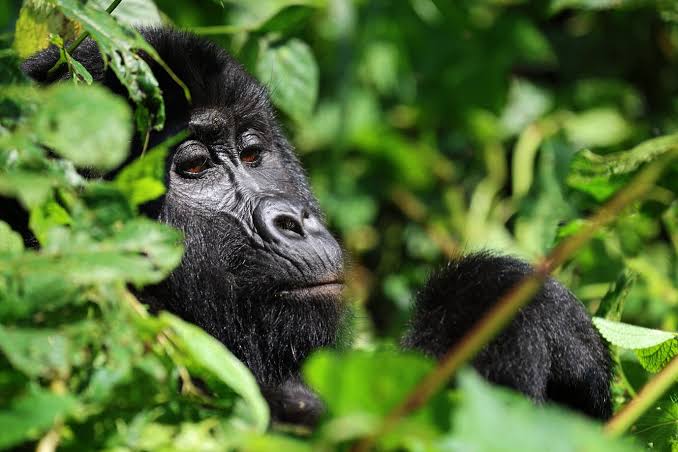
Gorilla Trekking Park Entry Rules: Complete Guide for Gorilla Trekking Visitors
Gorilla trekking is one of Africa’s most extraordinary wildlife experiences, offering visitors a rare opportunity to observe endangered mountain gorillas in their natural forest habitat. To protect both gorillas and visitors, wildlife authorities enforce strict regulations governing access to gorilla trekking destinations. Understanding the gorilla trekking park entry rules is essential for anyone planning a trek in Uganda, Rwanda, or the Democratic Republic of Congo.
These rules are not simply administrative requirements. They play a vital role in conservation by minimizing human impact on gorilla families, reducing the risk of disease transmission, preserving fragile ecosystems, and ensuring visitor safety. Because mountain gorillas share approximately 98 percent of their DNA with humans, they are highly susceptible to many human illnesses. For this reason, gorilla trekking regulations remain among the strictest wildlife tourism guidelines in the world.
Visitors who understand and follow these park entry rules contribute directly to conservation efforts while enhancing their own trekking experience. Compliance helps wildlife authorities maintain sustainable tourism practices and ensures that future generations can continue enjoying encounters with mountain gorillas.
Why Gorilla Trekking Park Entry Rules Are Important
The primary purpose of gorilla trekking park entry rules is to protect mountain gorillas and their habitat. Tourism provides essential funding for conservation, but uncontrolled visitor access could negatively affect gorilla populations and forest ecosystems.
Strict entry regulations help limit visitor numbers, reduce environmental disturbances, and prevent the spread of diseases between humans and gorillas. These measures also ensure that trekking activities remain organized and safe for everyone involved.
Park authorities carefully balance conservation objectives with tourism opportunities. By enforcing entry rules, they can provide visitors with meaningful wildlife encounters while maintaining the health and well-being of gorilla families.
The success of mountain gorilla conservation over recent decades demonstrates the effectiveness of this management approach and highlights the importance of continued compliance with park regulations.
Rule 1: Every Visitor Must Hold a Valid Gorilla Permit
One of the most important gorilla trekking park entry rules is the requirement for every visitor to possess a valid gorilla trekking permit. Entry into gorilla trekking activities is not possible without an officially issued permit.
Permits are issued by wildlife authorities and contain information regarding the trekking date, destination, and visitor details. Because permit numbers are limited, visitors should secure reservations well in advance, particularly during peak travel seasons.
The permit system helps regulate visitor numbers and ensures that only a controlled number of people visit each gorilla family daily. This approach protects gorillas from excessive human interaction while maintaining the quality of the visitor experience.
Visitors should carry identification documents and permit confirmations when reporting to the park headquarters on the day of the trek.
Rule 2: Minimum Age Requirement
Wildlife authorities enforce a minimum age requirement for gorilla trekking participants. In most gorilla trekking destinations, visitors must be at least 15 years old to participate.
This rule exists for several reasons. Gorilla trekking can be physically demanding and may require several hours of hiking through challenging terrain. Younger children may struggle with these conditions and may also find it difficult to follow conservation guidelines consistently.
The age restriction also helps reduce the risk of disease transmission. Children are generally more susceptible to common illnesses that could potentially affect gorillas.
Families traveling with younger children should consider alternative wildlife activities until the child reaches the required trekking age.
Rule 3: Health Screening Before Trekking
Protecting gorillas from human diseases is a major conservation priority. Visitors who are ill may be prohibited from participating in gorilla trekking activities.
Symptoms such as coughing, fever, flu, sore throat, diarrhea, or other contagious illnesses can pose serious risks to mountain gorillas. Park officials may conduct health assessments or ask visitors to disclose any symptoms before trekking begins.
Visitors who feel unwell should inform park authorities immediately. Although missing a trek can be disappointing, protecting endangered gorillas remains the highest priority.
This health-related regulation represents one of the most critical components of gorilla conservation and plays a significant role in maintaining healthy gorilla populations.
Rule 4: Mandatory Briefing Before Entering the Forest
Before every trek, visitors attend a mandatory briefing conducted by park rangers. This briefing explains trekking procedures, safety guidelines, conservation rules, and expected visitor behavior.
Attendance is required because the briefing provides essential information regarding gorilla encounters and park regulations. Rangers explain how to behave around gorillas, what to expect during the trek, and how to respond in different situations.
The briefing also provides an opportunity for visitors to ask questions and receive guidance about trekking conditions. Understanding these instructions helps ensure a safe and enjoyable experience for everyone.
No visitor should enter the forest without participating in the official pre-trek briefing.
Rule 5: Follow Ranger Instructions at All Times
Rangers are responsible for visitor safety and gorilla protection throughout the trekking experience. One of the most important gorilla trekking park entry rules requires visitors to follow ranger instructions at all times.
Rangers possess extensive knowledge of gorilla behavior, forest conditions, and conservation requirements. Their decisions help ensure that interactions remain safe and respectful.
Visitors should remain with their assigned group, avoid wandering away from designated routes, and comply with any instructions regarding movement, photography, or visitor behavior.
Following ranger guidance helps minimize risks while protecting both visitors and gorillas.
Rule 6: Maintain the Required Distance from Gorillas
Visitors must maintain a minimum distance of approximately seven meters from gorillas during encounters. This rule reduces the risk of disease transmission and minimizes stress on gorilla families.
Although gorillas may occasionally move closer to visitors, tourists should not intentionally approach them. Rangers monitor encounters closely and provide guidance when necessary.
Maintaining the recommended distance helps preserve the natural behavior of gorillas while supporting long-term conservation objectives.
Respecting personal space remains one of the most important responsibilities during a gorilla encounter.
Rule 7: Do Not Feed the Gorillas
Feeding wild gorillas is strictly prohibited. Gorillas obtain all necessary nutrition from their natural environment and should never become dependent on human food.
Human food can introduce diseases, alter natural behaviors, and create unnecessary interactions between people and wildlife. Visitors should keep all food securely packed during gorilla encounters.
This rule helps maintain the natural integrity of gorilla populations and supports conservation efforts aimed at preserving authentic wildlife experiences.
Rule 8: Avoid Loud Noise and Sudden Movements
Visitors should remain calm and quiet while observing gorillas. Loud noises, shouting, rapid movements, or disruptive behavior can disturb gorilla families and affect their natural behavior.
Speaking softly and moving slowly helps create a peaceful environment that allows visitors to observe gorillas comfortably. It also reduces stress among the animals and contributes to a more rewarding wildlife experience.
Respectful behavior enhances both visitor safety and gorilla welfare.
Rule 9: Photography Rules Must Be Followed
Photography is generally permitted during gorilla trekking, but specific rules apply. Visitors should avoid using flash photography because sudden flashes can disturb gorillas.
Photographers should follow ranger instructions regarding positioning and movement while taking photographs. Respecting distance regulations remains important even when attempting to capture close-up images.
Visitors should focus on enjoying the experience while documenting memories responsibly.
Rule 10: Respect the Forest Environment
All visitors must help protect the fragile ecosystems that support mountain gorillas. Littering, damaging vegetation, collecting plants, or disturbing wildlife is prohibited.
Visitors should carry reusable water bottles where possible and ensure that all waste is removed from the forest. Conservation depends on maintaining the health of these unique habitats.
Responsible environmental behavior supports long-term sustainability and protects the forests for future generations.
Gorilla Trekking Destinations Enforcing These Rules
Uganda’s Bwindi Impenetrable National Park enforces comprehensive park entry regulations designed to protect its mountain gorilla population and support sustainable tourism.
Mgahinga Gorilla National Park follows similar conservation guidelines while offering visitors a more intimate trekking environment within the Virunga ecosystem.
In Rwanda, Volcanoes National Park applies strict trekking regulations that contribute to the country’s successful conservation and tourism programmes.
These protected areas rely on visitor compliance to maintain conservation success and high-quality wildlife experiences.
Conclusion
Understanding the gorilla trekking park entry rules is essential for every visitor planning a mountain gorilla adventure. These regulations protect endangered gorillas, preserve fragile forest ecosystems, and ensure safe and enjoyable trekking experiences.
Rules regarding permits, health requirements, visitor conduct, photography, environmental protection, and gorilla interactions form the foundation of responsible gorilla tourism. By following these guidelines, visitors contribute directly to conservation efforts while experiencing one of the world’s most remarkable wildlife encounters.
Whether trekking in Bwindi Impenetrable National Park, Mgahinga Gorilla National Park, or Volcanoes National Park, respecting park entry rules helps ensure that mountain gorillas remain protected for generations to come.