Gorilla Trekking Accessibility Audit: Evaluating Inclusive Gorilla Tourism in Uganda
Accessibility has become an important consideration in the global tourism industry as destinations work to ensure that travel experiences are available to a wider range of visitors. In Uganda, gorilla trekking represents one of the country’s most iconic tourism activities, attracting travelers from around the world who seek an unforgettable encounter with mountain gorillas. As the tourism sector evolves, conducting a gorilla trekking accessibility audit helps evaluate how accessible gorilla trekking experiences are for visitors with disabilities, mobility limitations, and special accessibility needs.
An accessibility audit examines the facilities, services, infrastructure, policies, and support systems that influence a visitor’s ability to participate in tourism activities. For gorilla trekking, such assessments help identify strengths, challenges, and opportunities for improvement while promoting inclusive tourism practices.
Although gorilla trekking takes place in natural forest environments where complete accessibility may not always be possible, Uganda has introduced various measures to support visitors with mobility challenges. These efforts demonstrate a growing commitment to ensuring that more travelers can enjoy one of Africa’s most extraordinary wildlife experiences while maintaining conservation standards and visitor safety.
What Is a Gorilla Trekking Accessibility Audit?
A gorilla trekking accessibility audit is a systematic evaluation of how accessible gorilla trekking services and facilities are for people with disabilities and other accessibility requirements. The audit reviews various aspects of the visitor experience, from trip planning and transportation to trekking assistance and accommodation facilities.
The purpose of the audit is to identify barriers that may limit participation and recommend improvements that enhance accessibility without compromising conservation objectives. Audits often assess physical infrastructure, staff training, communication systems, emergency procedures, visitor information, and available support services.
Accessibility audits are valuable because they provide tourism stakeholders with objective information about current accessibility levels. The findings can help wildlife authorities, tour operators, accommodation providers, and community organizations develop strategies that improve inclusivity.
By evaluating accessibility in a structured manner, tourism destinations can better meet the needs of diverse visitors while expanding participation in wildlife tourism experiences.
Why Accessibility Matters in Gorilla Tourism
Accessibility is important because every traveler deserves the opportunity to experience nature and wildlife regardless of physical ability. Gorilla trekking holds deep emotional significance for many visitors, and accessibility initiatives help ensure that people with disabilities are not excluded from these opportunities.
Inclusive tourism also supports broader social and economic goals. When destinations improve accessibility, they expand their potential visitor base and create opportunities for more people to participate in tourism activities. This benefits both travelers and the tourism industry.
The growing demand for accessible travel has encouraged destinations worldwide to examine how tourism experiences can be adapted to accommodate diverse needs. In Uganda, accessibility improvements within the gorilla tourism sector reflect an increasing recognition of these trends.
A well-executed accessibility audit helps identify practical ways to make gorilla trekking more inclusive while respecting the realities of operating within protected natural environments.
Accessibility Challenges in Gorilla Trekking
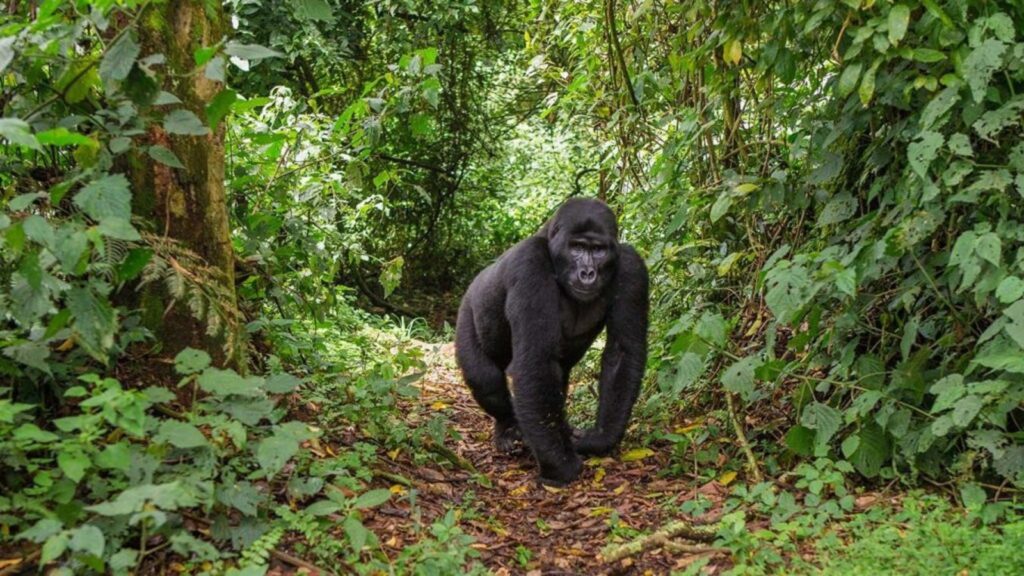
Conducting a gorilla trekking accessibility audit requires acknowledging the unique challenges associated with mountain gorilla tourism. Unlike urban attractions or developed tourism sites, gorilla trekking occurs within dense forests characterized by steep terrain, uneven trails, thick vegetation, and changing weather conditions.
Mountain gorillas move freely through their habitat, which means trekking routes vary daily depending on the location of specific gorilla families. This unpredictability creates challenges for visitors with mobility limitations.
Long hiking distances, muddy paths, and elevation changes can make trekking physically demanding. These environmental factors limit the extent to which traditional accessibility infrastructure can be introduced within protected areas.
However, acknowledging these challenges does not mean accessibility is impossible. Instead, it highlights the importance of creative solutions, specialized support services, and careful planning to help more visitors participate safely and comfortably.
Transportation and Arrival Accessibility
An accessibility audit often begins by examining transportation systems and arrival procedures. The journey to Uganda’s gorilla trekking destinations can involve long road transfers or domestic flights, making transportation an important component of the visitor experience.
Accessible transportation options, vehicle modifications, assistance during transfers, and clear communication regarding travel logistics all contribute to a more inclusive tourism environment. Tour operators that specialize in accessible travel can often provide customized transportation arrangements tailored to individual needs.
Accommodation facilities near trekking destinations also play an important role. Accessible rooms, ramps, adapted bathrooms, and barrier-free common areas can significantly improve comfort for visitors with disabilities.
Evaluating these elements helps identify opportunities for improving accessibility before visitors even reach the trekking starting point.
Trekking Assistance and Specialized Support Services
One of the most important findings in many accessibility assessments is the availability of support services that help visitors overcome mobility challenges. Uganda has introduced several initiatives designed to make gorilla trekking more accessible.
Specialized sedan chair services allow visitors with limited mobility to be carried by trained teams through forest trails to reach mountain gorilla families. These services have enabled many travelers with disabilities to experience gorilla trekking despite challenging terrain.
Porters also provide valuable assistance by supporting visitors during hikes, carrying personal belongings, and helping navigate difficult sections of the trail. Their role contributes significantly to accessibility and visitor comfort.
A comprehensive accessibility audit evaluates the availability, quality, safety, and effectiveness of these services while identifying opportunities for further improvement.
Staff Training and Visitor Support
Accessibility depends not only on physical infrastructure but also on the knowledge and attitudes of tourism staff. Guides, rangers, porters, accommodation personnel, and tour operators all contribute to the visitor experience.
An effective gorilla trekking accessibility audit examines staff training programs related to disability awareness, communication skills, emergency response procedures, and customer service. Well-trained personnel can make a substantial difference in how comfortable and supported visitors feel during their safari.
Staff members who understand accessibility needs are better equipped to provide appropriate assistance, respond to concerns, and adapt services when necessary. Training also promotes a culture of inclusion that benefits all visitors.
Investing in staff development remains one of the most effective ways to improve accessibility throughout the tourism sector.
Visitor Information and Communication Accessibility
Accessible information is another key area examined during accessibility audits. Visitors require accurate and detailed information about trekking conditions, support services, physical requirements, and available accommodations before making travel decisions.
Websites, booking materials, travel guides, and customer communications should provide clear descriptions of accessibility options and limitations. Transparent information helps travelers make informed choices and plan appropriately for their needs.
Communication accessibility may also include providing information in multiple formats, ensuring customer support is responsive, and offering opportunities for visitors to discuss specific requirements before arrival.
Effective communication reduces uncertainty and contributes to a more positive overall travel experience.
Accessibility in Uganda’s Gorilla Parks
Uganda’s gorilla trekking experiences take place primarily within two protected areas. Bwindi Impenetrable National Park serves as the country’s main gorilla trekking destination and welcomes visitors from around the world throughout the year.
The park has increasingly incorporated accessibility considerations through porter services, specialized transport options, and adaptive trekking support. Accessibility audits often focus on evaluating how these services perform in practice and identifying areas for enhancement.
Mgahinga Gorilla National Park also offers opportunities for accessible tourism initiatives. Its smaller size and unique landscape provide additional opportunities to explore adaptive tourism strategies.
Both parks demonstrate Uganda’s commitment to balancing conservation objectives with visitor inclusivity.
Recommendations for Improving Accessibility
A thorough accessibility audit typically concludes with recommendations designed to strengthen inclusion within the gorilla tourism sector. Potential improvements may include expanded accessibility training, increased availability of adaptive equipment, improved visitor information, and enhanced collaboration between tourism providers and disability advocacy organizations.
Continued investment in accessible accommodation facilities and transportation services can further improve the visitor experience. Technology may also play a role through digital information platforms, online accessibility resources, and improved booking systems.
Importantly, accessibility improvements should be implemented in ways that respect conservation priorities and protect the natural integrity of gorilla habitats. Sustainable solutions help ensure that both wildlife and visitors benefit from tourism development.
Ongoing evaluation and stakeholder engagement will remain essential for achieving meaningful progress in accessibility.
Conclusion
A gorilla trekking accessibility audit provides valuable insights into how inclusive and accessible Uganda’s gorilla tourism industry is for visitors with disabilities and mobility challenges. By evaluating transportation, accommodations, support services, staff training, communication systems, and trekking assistance, audits help identify opportunities for improvement while promoting responsible tourism practices.
Uganda’s Bwindi Impenetrable National Park and Mgahinga Gorilla National Park continue to demonstrate growing commitment to accessibility through adaptive services and visitor support initiatives.
As inclusive tourism gains greater importance worldwide, accessibility audits will play an increasingly valuable role in ensuring that gorilla trekking remains available to a broader range of travelers while maintaining the conservation principles that protect mountain gorillas and their habitats.