
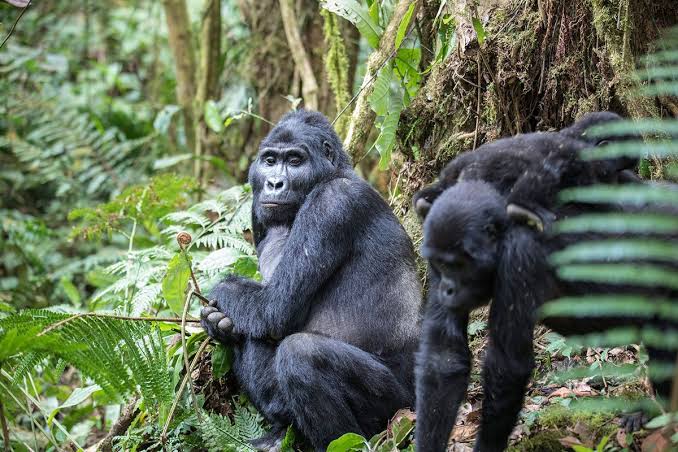
Gorilla Safari Annual Report: Understanding Tourism Performance and Industry Growth
The gorilla tourism industry has become one of the most important contributors to wildlife conservation and tourism revenue in East Africa. Every year, tourism boards, wildlife authorities, conservation organizations, and industry stakeholders analyze visitor numbers, permit sales, tourism revenue, conservation achievements, and market trends to evaluate the performance of the sector. A comprehensive gorilla safari annual report provides valuable insights into how gorilla tourism contributes to national economies, supports local communities, and protects endangered mountain gorillas.
Gorilla trekking remains one of Africa’s most exclusive wildlife experiences. The activity attracts international visitors seeking a rare opportunity to encounter mountain gorillas in their natural habitat. Through carefully managed tourism programs, destinations such as Uganda and Rwanda have successfully balanced conservation objectives with economic development, creating one of the world’s leading examples of sustainable wildlife tourism.
An annual report serves as a critical tool for measuring progress, identifying opportunities, and guiding future decision-making. By reviewing industry performance on a yearly basis, tourism boards can assess growth trends, evaluate conservation outcomes, and develop strategies that strengthen the long-term sustainability of gorilla tourism.
Purpose of a Gorilla Safari Annual Report
A gorilla safari annual report provides a detailed overview of the industry’s performance during a specific year. The report typically examines key indicators that help stakeholders understand how gorilla tourism is evolving and where future opportunities may exist.
Tourism boards use annual reports to monitor visitor arrivals, permit sales, tourism revenue, accommodation occupancy rates, and visitor spending patterns. These statistics provide a clear picture of market performance and help identify emerging trends.
Annual reports also evaluate conservation achievements. Mountain gorilla population monitoring, anti-poaching activities, habitat protection efforts, and community engagement programs often feature prominently in these assessments. Since tourism revenue directly supports conservation, understanding the relationship between visitor activity and conservation outcomes remains essential.
The findings contained within annual reports help governments, investors, tour operators, conservation organizations, and local communities make informed decisions that support both tourism growth and environmental protection.
Visitor Numbers and Tourism Growth
One of the most closely watched sections of any gorilla tourism annual report focuses on visitor numbers. Tracking annual visitation helps stakeholders understand market demand and identify changes in traveler behavior.
Over recent years, gorilla tourism has experienced steady growth driven by increasing international awareness, improved accessibility, and rising demand for experiential travel. Visitors from North America, Europe, Asia, Australia, and Africa continue to contribute significantly to the sector’s success.
Annual reports often analyze visitor demographics, including age groups, nationalities, travel motivations, and average length of stay. This information helps tourism boards tailor marketing campaigns and improve tourism products for specific market segments.
Strong visitor growth often indicates increased confidence in a destination, successful marketing efforts, and growing global interest in conservation tourism. These trends provide valuable insights for forecasting future industry performance and planning tourism investments.
Gorilla Permit Sales and Revenue Performance
Permit sales remain one of the most important indicators within a gorilla safari annual report. Gorilla permits generate substantial revenue that directly supports wildlife conservation and protected area management.
Annual reports typically examine the total number of permits sold, occupancy rates, seasonal demand patterns, and revenue generated throughout the year. These statistics help wildlife authorities evaluate the effectiveness of permit allocation systems and pricing strategies.
Revenue generated through permit sales supports ranger patrols, habitat protection programs, veterinary interventions, conservation research, and community development initiatives. As a result, permit sales represent both a tourism success metric and a conservation funding mechanism.
Strong permit sales often indicate healthy demand and positive market conditions. They also provide confidence that conservation programmes will continue receiving the financial resources necessary for long-term success.
Economic Contribution of Gorilla Tourism
Beyond permit revenue, annual reports assess the broader economic impact of gorilla tourism. Visitors contribute to numerous sectors of the economy through spending on accommodations, transportation, guiding services, meals, cultural experiences, and souvenirs.
Hotels, lodges, tour operators, airlines, vehicle operators, and local businesses all benefit from tourism activity generated by gorilla trekking. This spending creates employment opportunities and stimulates economic development in regions surrounding protected areas.
Annual reports often estimate the total economic value generated by gorilla tourism, highlighting its importance to national tourism strategies and rural development programs. These analyses demonstrate how conservation-based tourism can create significant economic benefits while protecting natural resources.
The multiplier effect of tourism spending further increases the overall value of the industry, making gorilla tourism a key contributor to regional economic growth.
Conservation Achievements and Wildlife Protection
Conservation outcomes form a central component of every gorilla safari annual report. Tourism and conservation are closely connected within the gorilla sector, and annual reporting helps demonstrate how tourism revenue supports wildlife protection.
Reports commonly include updates on mountain gorilla population monitoring, veterinary interventions, anti-poaching operations, habitat conservation efforts, and ranger training programs. These activities help ensure the long-term survival of mountain gorillas and maintain the integrity of their forest ecosystems.
Positive conservation results often strengthen the reputation of gorilla tourism destinations and attract environmentally conscious travelers. Visitors increasingly seek experiences that contribute directly to conservation success, making these achievements valuable marketing assets as well.
Annual reporting allows stakeholders to measure conservation progress and identify areas where additional investment or intervention may be required.
Community Benefits and Social Impact
Local communities play a vital role in the success of gorilla tourism. Annual reports frequently examine how tourism revenue supports community development and improves livelihoods near protected areas.
Revenue-sharing programs often fund schools, health centers, water projects, roads, and community enterprises. Tourism also creates employment opportunities in guiding, hospitality, transportation, security, and cultural tourism.
By documenting these benefits, annual reports demonstrate the social value of conservation-based tourism. Community support remains essential for reducing human-wildlife conflict and encouraging long-term conservation success.
When local residents experience tangible benefits from tourism, they become important partners in protecting mountain gorillas and their habitats. This relationship forms a cornerstone of sustainable tourism development.
Market Trends and Industry Insights
Annual reports provide valuable information about evolving tourism trends. Changes in traveler preferences, booking patterns, accommodation demand, and source markets help shape future tourism strategies.
The growth of luxury tourism, sustainable travel, and experiential tourism has significantly influenced gorilla safari development in recent years. Annual reports help identify these trends and evaluate their impact on industry performance.
Digital marketing, online booking systems, and social media engagement also receive increasing attention. Understanding how travelers discover and book gorilla safaris helps tourism boards allocate resources more effectively.
Market trend analysis enables stakeholders to adapt to changing conditions and capitalize on emerging opportunities within the global tourism industry.
Key Destinations Featured in Annual Reports
Uganda and Rwanda remain the primary focus of most gorilla tourism reports due to their importance within the industry. Uganda’s Bwindi Impenetrable National Park consistently generates significant tourism activity and remains one of the world’s most important mountain gorilla habitats.
Mgahinga Gorilla National Park also contributes to tourism performance while offering visitors opportunities to combine gorilla trekking with other wildlife experiences.
In Rwanda, Volcanoes National Park continues to attract high-spending international visitors and serves as a leading example of premium conservation tourism.
These destinations frequently feature in annual tourism assessments because of their economic, conservation, and social contributions.
Future Outlook and Strategic Planning
A comprehensive gorilla safari annual report does more than review past performance. It also helps shape future strategies by identifying opportunities, challenges, and priorities for the coming years.
Stakeholders use annual reports to guide investments in infrastructure, conservation programs, marketing initiatives, and community development projects. Forecasting future demand and assessing market trends allow tourism boards to plan more effectively for sustainable growth.
The continued success of gorilla tourism depends on maintaining a careful balance between visitor experiences, conservation objectives, and community benefits. Annual reporting provides the information necessary to achieve this balance while supporting long-term industry resilience.
As demand for sustainable tourism continues to grow, annual reports will remain essential tools for guiding the future development of gorilla tourism.
Conclusion
The gorilla safari annual report serves as a vital resource for understanding the performance, impact, and future direction of the gorilla tourism industry. By analyzing visitor numbers, permit sales, conservation achievements, community benefits, and economic contributions, these reports provide a comprehensive picture of one of Africa’s most successful wildlife tourism sectors.
Destinations such as Bwindi Impenetrable National Park, Mgahinga Gorilla National Park, and Volcanoes National Park continue to demonstrate how conservation and tourism can work together to generate lasting environmental and economic benefits.
As the industry evolves, annual reporting will remain essential for measuring success, guiding strategic decisions, and ensuring that gorilla tourism continues to support both wildlife conservation and sustainable development.



