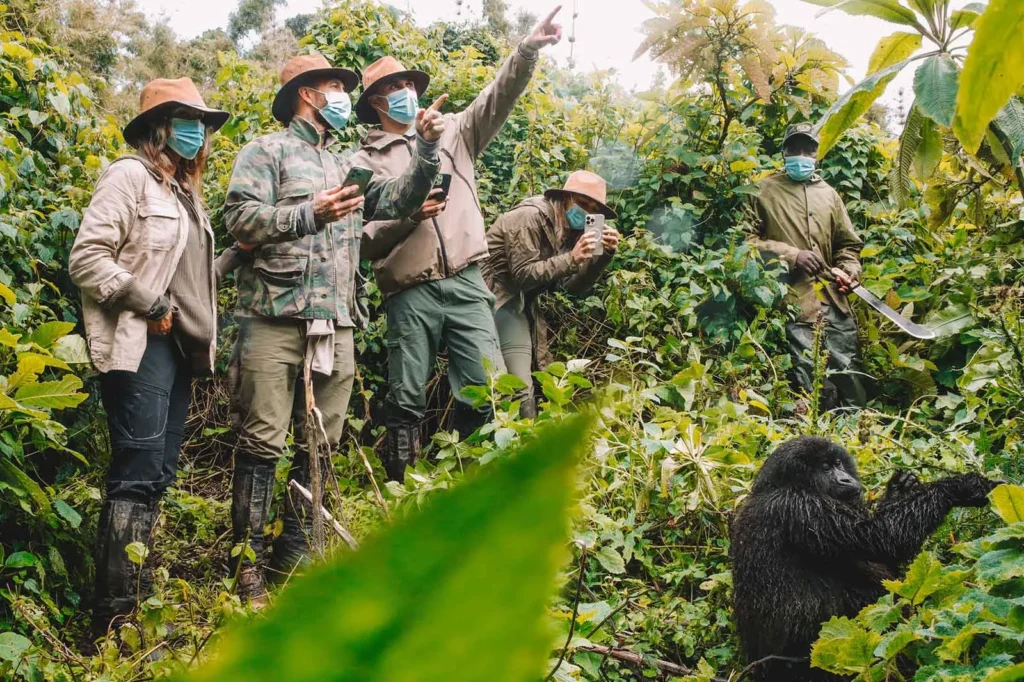
Gorilla Trekking Growth Trends Africa: The Rise of Gorilla Tourism in East Africa
Gorilla trekking has become one of the most remarkable success stories in African tourism. Once considered a niche wildlife activity reserved for adventurous travelers, it has evolved into a globally recognized tourism product that attracts thousands of visitors each year. The gorilla trekking growth trends in Africa reveal a tourism sector that continues to expand through conservation success, increasing international awareness, improved infrastructure, and growing demand for sustainable travel experiences.
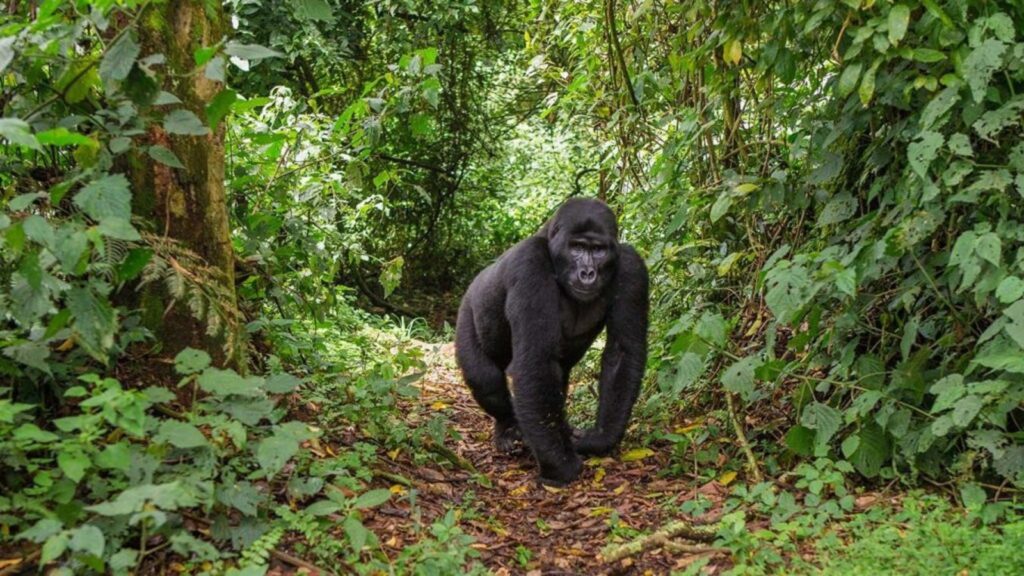
The unique opportunity to observe endangered mountain gorillas in their natural habitat has transformed Uganda and Rwanda into premier wildlife destinations. Gorilla trekking not only generates substantial tourism revenue but also supports conservation programs, creates employment opportunities, and contributes to community development. As global tourism continues to recover and evolve, gorilla trekking remains one of Africa’s most resilient and valuable tourism sectors.
Understanding the growth trends shaping gorilla tourism helps governments, investors, tour operators, conservation organizations, and travelers appreciate the industry’s future potential. From changing visitor demographics to rising luxury tourism demand, several key factors continue to drive the expansion of gorilla trekking across East Africa.
The Evolution of Gorilla Tourism in Africa
The story of gorilla tourism growth begins with conservation. During the twentieth century, mountain gorilla populations faced severe threats from habitat loss, poaching, civil unrest, and human encroachment. Conservation organizations, governments, and local communities worked together to protect these endangered primates and preserve their forest habitats.
As conservation efforts gained momentum, carefully managed tourism emerged as a sustainable funding mechanism. Wildlife authorities introduced gorilla trekking permits, limited visitor numbers, and established strict conservation regulations. These measures allowed tourists to visit gorilla families while minimizing environmental impacts.
Over time, successful conservation outcomes increased confidence in the tourism sector. International media coverage, wildlife documentaries, and growing interest in conservation tourism helped raise awareness of mountain gorillas among global audiences. As a result, visitor numbers steadily increased while the quality of tourism products continued to improve.
Today, gorilla trekking stands as one of Africa’s most successful examples of conservation-based tourism, demonstrating how wildlife protection and economic development can work together to create sustainable growth.
Rising International Demand for Gorilla Trekking
One of the most significant gorilla trekking growth trends in Africa is the consistent increase in international demand. Travelers from North America, Europe, Asia, Australia, and other regions continue to show strong interest in mountain gorilla experiences.
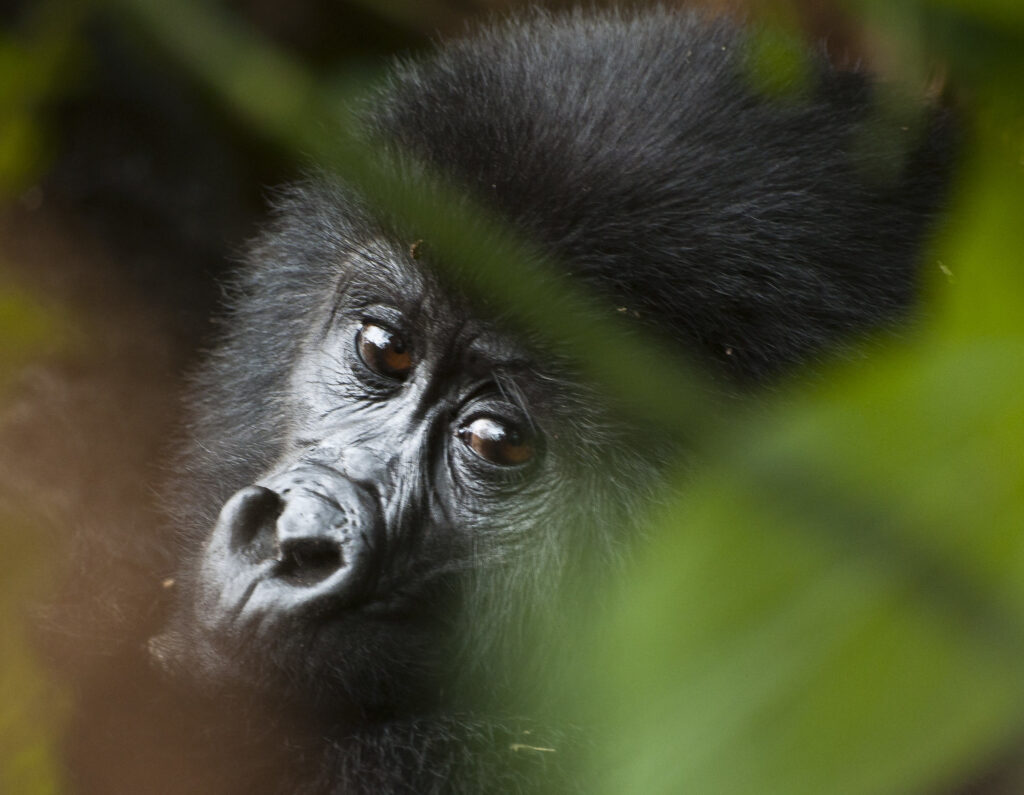
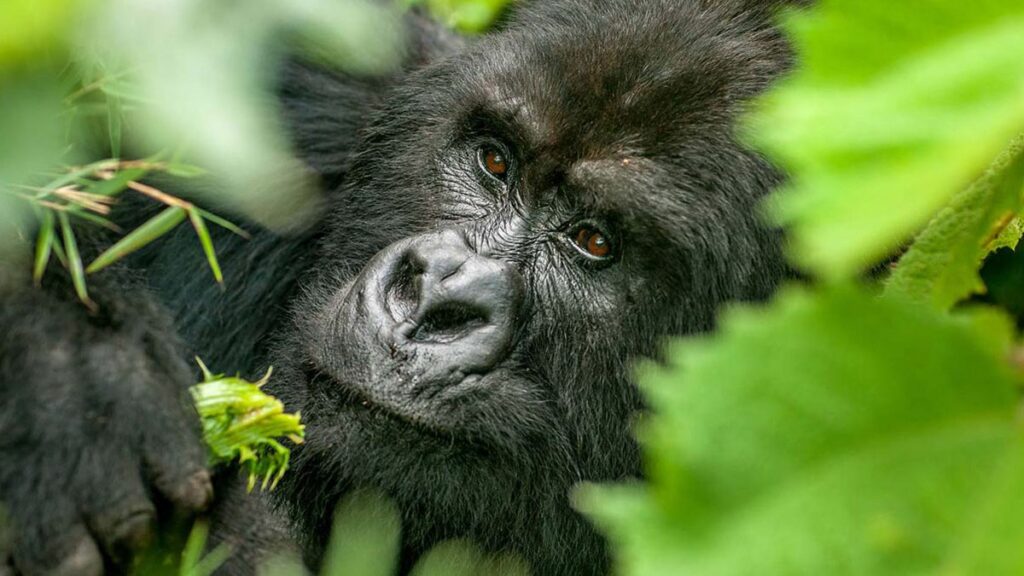
Several factors contribute to this demand. Travelers increasingly seek authentic and meaningful experiences that provide deeper connections with nature. Gorilla trekking offers a rare opportunity to spend time with one of humanity’s closest relatives in a natural environment. Few wildlife experiences can match the emotional impact of observing mountain gorillas at close range.
Social media has also played a major role in promoting gorilla tourism. Visitors frequently share photographs, videos, and personal stories that inspire others to consider similar adventures. These digital platforms have expanded awareness far beyond traditional tourism marketing channels.
In addition, many travelers now prioritize bucket-list experiences over conventional vacations. Gorilla trekking consistently ranks among the world’s most memorable wildlife encounters, making it highly attractive to international travelers seeking extraordinary experiences.
Growth of Sustainable and Conservation Tourism
The global shift toward sustainable tourism represents another important growth driver. Modern travelers increasingly want their tourism spending to contribute positively to conservation and local communities. Gorilla trekking aligns perfectly with these expectations.
Permit revenues directly support conservation initiatives, including ranger patrols, habitat protection, veterinary programs, research projects, and anti-poaching efforts. Community revenue-sharing programmes also ensure that local residents benefit from tourism, creating incentives to support wildlife conservation.
This conservation-centered model appeals strongly to programstally conscious travelers. Many visitors appreciate knowing that their safari contributes directly to the survival of mountain gorillas and the protection of fragile forest ecosystems.
As sustainability becomes a key consideration in travel decisions, gorilla tourism is likely to benefit from continued growth in demand. The industry’s strong conservation credentials distinguish it from many other tourism products and strengthen its long-term market position.
Expansion of Luxury Gorilla Tourism
Luxury tourism has emerged as one of the fastest-growing segments within the gorilla trekking industry. Wealthy travelers increasingly seek exclusive wildlife experiences combined with exceptional accommodations, personalized services, and seamless travel arrangements.
Rwanda has positioned itself particularly well within the luxury market through its premium tourism strategy. High-end lodges, private guides, helicopter transfers, and customized itineraries attract affluent travelers willing to pay significant amounts for comfort and convenience.
Uganda has also experienced growth in luxury tourism. Several upscale lodges near gorilla trekking destinations now offer world-class hospitality while maintaining strong sustainability commitments. This expansion has broadened the country’s appeal to international luxury travelers.
The growth of luxury tourism increases overall visitor spending and strengthens the economic contribution of gorilla trekking without requiring substantial increases in visitor numbers. This approach supports conservation objectives while maximizing tourism revenue.
Infrastructure Development Supporting Growth
Infrastructure improvements have played a crucial role in supporting gorilla tourism expansion. Governments and private investors continue to improve roads, airports, communication networks, and tourism facilities across key gorilla trekking regions.
Better transportation reduces travel times and improves accessibility for international visitors. Domestic aviation services have expanded significantly, allowing travelers to reach gorilla trekking destinations more efficiently. These developments make gorilla tourism more attractive to travelers with limited time.
Accommodation infrastructure has also improved considerably. Visitors now enjoy a wide range of lodging options, from budget guesthouses to luxury eco-lodges. This diversity allows destinations to attract multiple market segments while maintaining high service standards.
Technology has further enhanced accessibility. Online permit booking systems, digital marketing platforms, and virtual travel planning tools simplify the process of organizing gorilla safaris and reaching global audiences.
Emerging Visitor Markets
Another important trend involves the diversification of source markets. Historically, visitors from Europe and North America dominated gorilla tourism. While these regions remain critical markets, new visitor segments continue to emerge.
Asian markets, particularly China, India, Japan, Singapore, and South Korea, are becoming increasingly important. Rising incomes and expanding international travel opportunities have introduced more Asian travelers to African wildlife tourism.
Regional tourism is also growing. East African residents increasingly participate in gorilla trekking through domestic tourism initiatives and regional permit pricing structures. This trend helps reduce dependence on international markets and strengthens industry resilience.
The expansion of visitor markets contributes to more stable long-term growth and creates new opportunities for tourism businesses across the region.
Conservation Success Driving Tourism Growth
One of the most encouraging growth trends involves the relationship between conservation success and tourism demand. Mountain gorilla populations have shown positive growth over recent decades due to sustained conservation efforts supported by tourism revenue.
The recovery of mountain gorilla numbers has generated international recognition and strengthened confidence in the sustainability of gorilla tourism. Conservation achievements often attract positive media coverage, which further increases awareness and visitor interest.
Travelers are increasingly drawn to destinations where tourism contributes directly to conservation success. The mountain gorilla story serves as one of the world’s most inspiring examples of how wildlife tourism can support species recovery and habitat protection.
As conservation achievements continue, they are likely to reinforce tourism growth and encourage further investment in the sector.
Leading Gorilla Tourism Destinations
Uganda and Rwanda remain at the center of the gorilla trekking growth trends in Africa’s story. Uganda’s Bwindi Impenetrable National Park continues to attract growing numbers of visitors due to its large mountain gorilla population and diverse accommodation options.
Mgahinga Gorilla National Park has also gained popularity among travelers seeking quieter trekking experiences and opportunities to combine gorilla trekking with other wildlife activities.
In Rwanda, Volcanoes National Park remains one of Africa’s most prestigious wildlife destinations. Its proximity to Kigali and strong luxury tourism infrastructure continue to attract high-spending international visitors.
Together, these destinations drive the majority of growth within the global gorilla tourism industry.
Future Outlook for Gorilla Trekking Growth
The future outlook for gorilla tourism remains highly positive. Growing demand for experiential travel, increasing conservation awareness, expanding luxury tourism markets, and improved accessibility all support continued growth over the coming years.
While conservation regulations will continue to limit permit numbers, overall economic value is likely to increase through higher visitor spending, enhanced tourism products, and broader market reach. Sustainable tourism practices will remain central to maintaining this growth while protecting mountain gorillas and their habitats.
Industry stakeholders increasingly recognize that long-term success depends on balancing tourism expansion with conservation objectives. This approach positions gorilla trekking for sustainable growth well into the future.
Conclusion
The gorilla trekking growth trends in Africa highlight a tourism sector that continues to expand through conservation success, strong international demand, and evolving traveler preferences. What began as a conservation initiative has become one of Africa’s most valuable wildlife tourism industries.
Destinations such as Bwindi Impenetrable National Park, Mgahinga Gorilla National Park, and Volcanoes National Park remain at the forefront of this growth, demonstrating how conservation and tourism can create lasting economic and environmental benefits.
As sustainable travel continues to gain momentum worldwide, gorilla trekking is likely to strengthen its position as one of Africa’s most successful and inspiring tourism products.