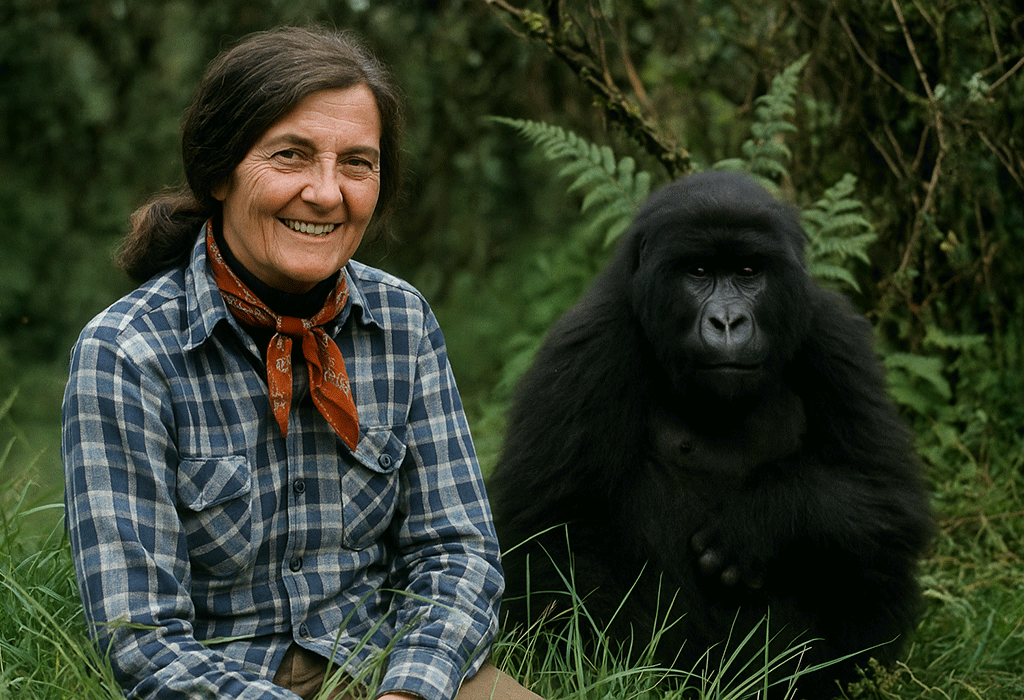
Gorilla Primate Trail Certificate: Celebrating Your Gorilla Trekking Achievement
Gorilla trekking is more than just a wildlife activity. It is a remarkable journey through some of Africa’s most spectacular rainforests and an opportunity to encounter one of the world’s most endangered primates in its natural habitat. For many travelers, the experience represents the fulfillment of a lifelong dream. After spending hours hiking through dense vegetation and finally meeting a mountain gorilla family face to face, visitors often want a lasting reminder of their achievement. This is where the **gorilla primate trail certificate** becomes a meaningful souvenir and symbol of an unforgettable adventure.
Across gorilla trekking destinations in Uganda and Rwanda, certificates have become popular commemorative items that recognize participation in gorilla trekking and other primate-tracking experiences. While the format and availability may vary between tour operators, lodges, and conservation organizations, these certificates serve as tangible proof that a traveler successfully completed one of Africa’s most iconic wildlife activities. Beyond being a keepsake, they also celebrate an individual’s contribution to conservation efforts that help protect mountain gorillas and their habitats.
what Is a Gorilla Primate Trail Certificate?
A gorilla primate trail certificate is a commemorative document awarded to visitors who complete a gorilla trekking experience or, in some cases, a broader primate-tracking adventure. The certificate typically includes the participant’s name, the trekking destination, the date of the trek, and recognition of their contribution to wildlife conservation through responsible tourism.
Many travelers value the certificate because it represents more than a simple tourist activity. Gorilla trekking often requires months of planning, securing permits, arranging transportation, and preparing physically for the trek. The certificate serves as a reminder of the effort invested in reaching one of Africa’s remote rainforest destinations and successfully completing the experience. For wildlife enthusiasts, photographers, and adventure travelers, it becomes a treasured memento that reflects a unique achievement.
Some tour operators provide customized certificates as part of their safari packages, while certain lodges may present guests with framed versions upon request. Although official gorilla trekking permits remain the primary documentation for the activity, commemorative certificates add a personal touch that many visitors appreciate long after returning home.
Why Gorilla Trekking Is Worth Celebrating
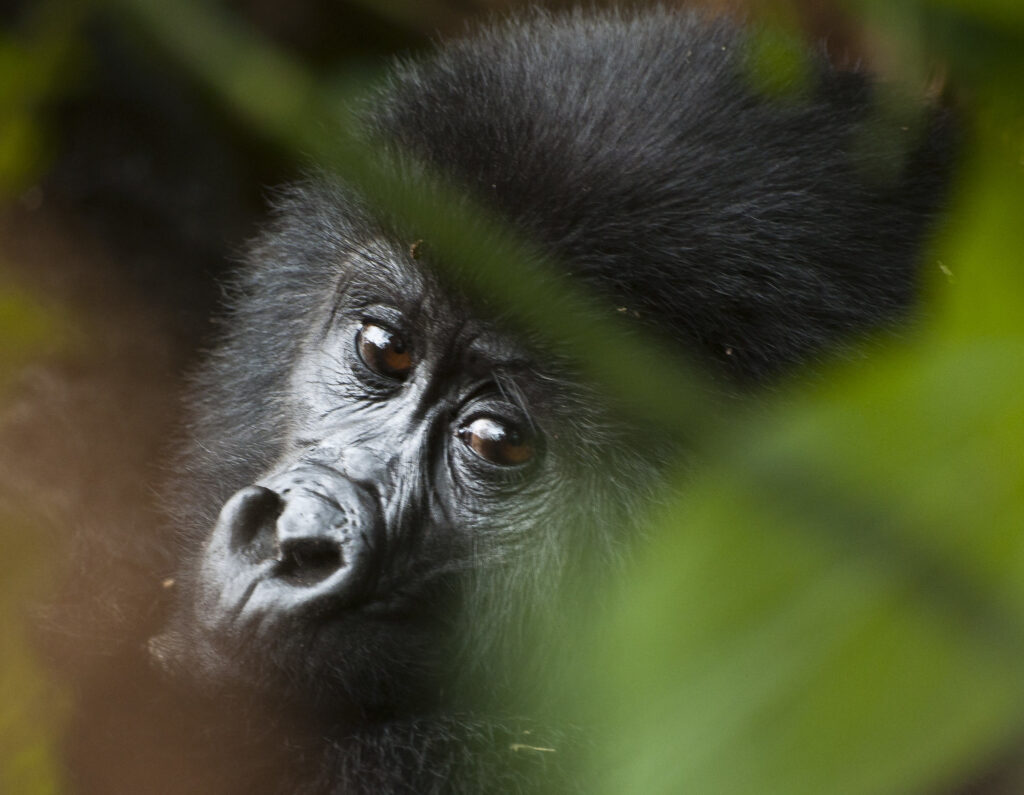
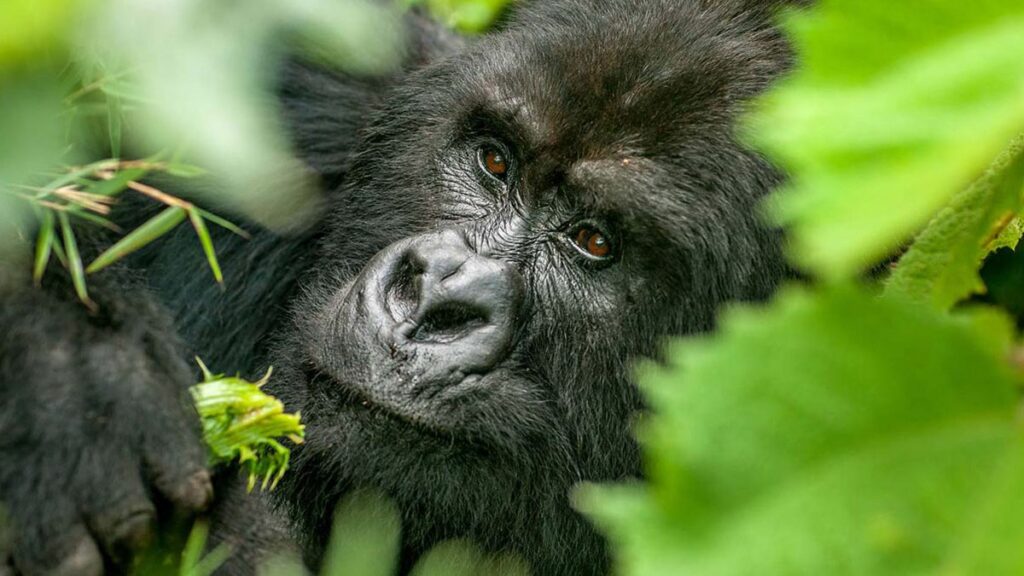
Few wildlife encounters create the same emotional impact as meeting mountain gorillas in their natural environment. Unlike traditional game drives where animals may be observed from a distance, gorilla trekking places visitors within a short viewing range of these extraordinary primates. Watching a silverback quietly supervise his family or seeing young gorillas play among the vegetation often leaves a lasting impression on trekkers.
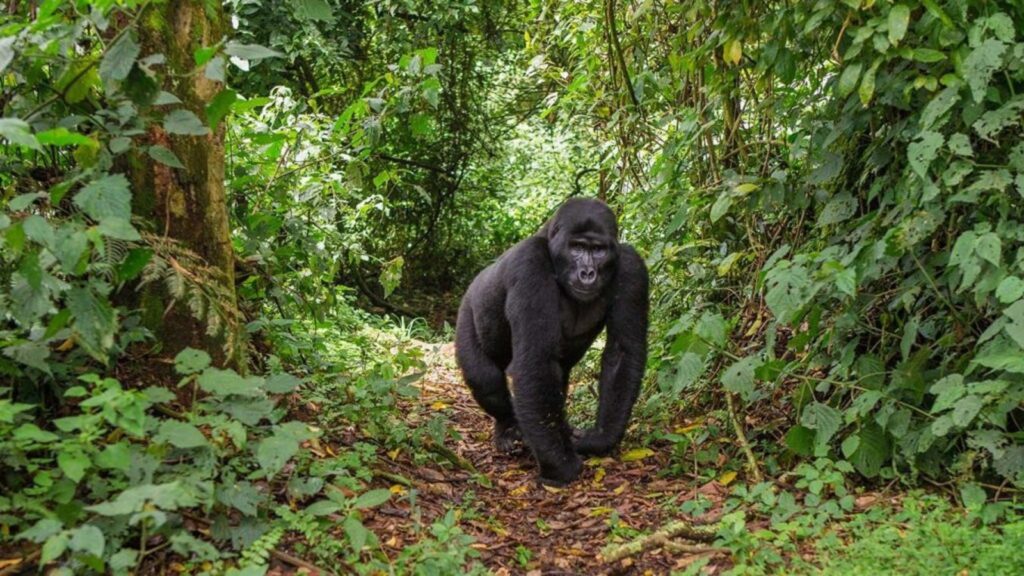
The journey itself contributes significantly to the sense of accomplishment. Treks can range from relatively easy walks to challenging hikes through steep terrain and dense rainforest. Weather conditions may change quickly, and the search for gorillas can require determination and patience. When visitors finally encounter a gorilla family after hours of trekking, the experience often feels deeply rewarding.
A gorilla primate trail certificate** recognizes this achievement and provides a lasting reminder of the adventure. Many travelers display their certificates alongside photographs and other travel memorabilia, using them to share stories of their experience with family and friends. The certificate becomes a symbol of exploration, perseverance, and a meaningful connection with nature.
The Connection Between Certificates and Conservation
While certificates serve as personal souvenirs, they also highlight the broader conservation story behind gorilla trekking. Mountain gorillas once faced severe threats from habitat loss, poaching, and regional instability. Through sustained conservation efforts, their population has gradually increased, making them one of the few great ape species showing positive recovery trends.
Tourism has played a major role in this success. Revenue generated from gorilla permits supports ranger patrols, veterinary programs, habitat protection, and community development initiatives. Every visitor who participates in gorilla trekking contributes directly to these efforts. A certificate therefore represents not only a personal achievement but also participation in a conservation model that benefits both wildlife and local communities.
Many travelers appreciate this aspect of the experience because it allows them to become active supporters of conservation. Rather than simply observing wildlife, they contribute to its protection. The certificate serves as a reminder that responsible tourism can create positive environmental and social impacts while providing unforgettable travel experiences.
Where Can You Earn a Gorilla Primate Trail Certificate?
Visitors can potentially receive a commemorative certificate after trekking in some of Africa’s leading gorilla destinations. Uganda remains the most popular location due to its large gorilla population and diverse trekking opportunities. Trekkers visiting Bwindi Impenetrable National Park often regard their experience as the highlight of an East African safari. The park hosts multiple habituated gorilla families and offers a variety of trekking routes that cater to different fitness levels.
Another important destination is Mgahinga Gorilla National Park, which forms part of the larger Virunga Conservation Area. This park combines gorilla trekking with opportunities for golden monkey tracking and volcanic hiking, making it an attractive option for primate enthusiasts.
In Rwanda, Volcanoes National Park offers one of Africa’s most accessible gorilla trekking experiences. Its proximity to Kigali allows travelers to reach the park within a few hours of arrival, making it a popular destination for luxury and short-stay safaris. Depending on the safari operator and travel package, visitors may receive personalized certificates commemorating their trek.
How to Preserve Your Gorilla Trekking Memories
Although a certificate is a wonderful keepsake, it is only one part of preserving the memories of a gorilla trekking adventure. Many travelers combine their certificate with photographs, travel journals, and videos that document their journey. Creating a travel album or displaying framed photographs alongside the certificate can help keep those memories alive for years to come.
Some visitors also choose to share their experiences through blogs, social media posts, or conservation fundraising efforts. By telling their stories, they help raise awareness about the importance of protecting mountain gorillas and their rainforest habitats. The certificate often becomes the centerpiece of these stories because it symbolizes both the adventure and the conservation impact of the experience.
The lasting value of a gorilla trekking certificate lies in what it represents. It is not merely a piece of paper but a reminder of an encounter that few people in the world will ever experience. Each time travelers look at the certificate, they remember the sights, sounds, and emotions of standing among mountain gorillas in the wild.
Conclusion
A gorilla primate trail certificate is a meaningful way to commemorate one of Africa’s most extraordinary wildlife experiences. It celebrates the effort, adventure, and conservation contribution involved in gorilla trekking while providing a lasting reminder of a truly unforgettable journey. Whether you trek in Bwindi Impenetrable National Park, Mgahinga Gorilla National Park, or Volcanoes National Park, the memories created during your encounter with mountain gorillas will remain long after the trek ends.
For many travelers, the certificate becomes more than a souvenir. It symbolizes a personal achievement, a connection with one of the world’s most remarkable species, and a contribution to conservation efforts that continue to protect mountain gorillas for future generations. As gorilla tourism grows in popularity, the value of these experiences and the stories they create will continue to inspire wildlife enthusiasts around the world.