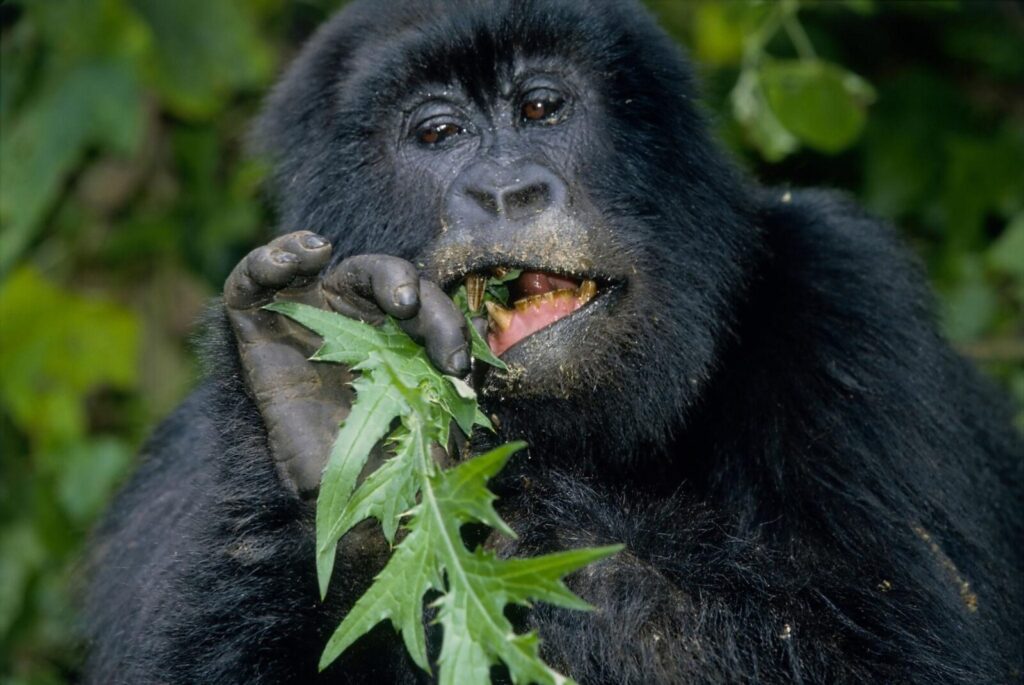
Snacks to Bring Gorilla Trekking: Complete Food Guide for Your Gorilla Safari
Preparing for a gorilla trekking adventure involves more than securing permits, packing hiking boots, and choosing the right clothing. Food and energy management also play an important role in ensuring a successful trek. Knowing the best snacks to bring gorilla trekking can help you stay energized, hydrated, and comfortable while hiking through some of Africa’s most spectacular rainforests.
Gorilla trekking often requires several hours of walking through mountainous terrain, dense vegetation, and uneven trails. While some treks may be relatively short, others can last most of the day depending on the location of the gorilla family. During these hikes, maintaining energy levels becomes essential.
Whether you are trekking in Bwindi Impenetrable National Park, Mgahinga Gorilla National Park, Volcanoes National Park, or Virunga National Park, carrying appropriate snacks can make your experience much more enjoyable.
This guide explains what foods to bring, what to avoid, and how to pack snacks effectively for your gorilla trek.
Why Snacks Are Important During Gorilla Trekking
Many first-time visitors underestimate the physical demands of gorilla trekking.
The trek may involve climbing steep hills, navigating muddy trails, crossing streams, and walking for several hours. Even individuals with good fitness levels can become hungry during the hike.
Healthy snacks provide:
Sustained energy.
Improved endurance.
Better concentration.
Enhanced comfort.
A more enjoyable trekking experience.
Carrying a few lightweight snacks can make a significant difference during longer treks.
Do Gorilla Trekking Tours Provide Food?
Most gorilla trekking operators provide breakfast before departure.
Some lodges also prepare packed lunches for guests, especially when longer treks are expected.
However, it is always wise to carry personal snacks.
Trek durations are unpredictable, and having additional food available offers flexibility and peace of mind.
Many experienced trekkers consider snacks an essential part of their daypack.
Characteristics of Good Gorilla Trekking Snacks
Lightweight
The best trekking snacks are easy to carry.
Heavy foods add unnecessary weight to your backpack and may become inconvenient during the hike.
Energy-Rich
Choose foods that provide lasting energy rather than quick sugar spikes.
Balanced nutrition helps maintain stamina throughout the trek.
Easy to Eat
Snacks should be simple to consume during short breaks.
Complicated meals are impractical on rainforest trails.
Non-Perishable
Foods that remain fresh without refrigeration are ideal for trekking.
This is especially important in warm and humid environments.
Easy to Pack
Compact packaging reduces bulk and simplifies transport.
Convenient snacks improve the overall trekking experience.
Best Snacks to Bring Gorilla Trekking
Energy Bars
Energy bars are among the most popular trekking snacks.
They provide a combination of carbohydrates, protein, and healthy fats in a compact package.
Most energy bars are easy to carry and require no preparation.
They work well during both short and long treks.
Granola Bars
Granola bars offer a convenient source of energy.
They are lightweight, easy to eat, and widely available.
Many trekkers carry several bars for longer hikes.
Nuts
Nuts provide healthy fats, protein, and sustained energy.
Popular options include:
Almonds.
Cashews.
Peanuts.
Walnuts.
Mixed nuts often offer the best variety and nutritional balance.
Dried Fruit
Dried fruit supplies natural sugars and carbohydrates that help maintain energy levels.
Popular choices include:
Raisins.
Mango.
Pineapple.
Apricots.
Dates.
These snacks are lightweight and easy to store.
Trail Mix
Trail mix combines nuts, dried fruit, and sometimes seeds or chocolate.
It provides a balanced source of energy and remains one of the best choices for outdoor adventures.
Many hikers consider it an ideal trekking snack.
Fresh Fruit
Bananas, apples, and oranges can work well for shorter treks.
They provide hydration and natural energy.
However, they are bulkier than dried alternatives and may bruise during transport.
Crackers and Biscuits
Simple crackers and biscuits can provide additional carbohydrates.
They pair well with other snacks and travel easily.
Choose options that do not crumble excessively.
Packed Lunches for Gorilla Trekking
Long treks often require more than snacks alone.
Many safari lodges prepare packed lunches containing:
Sandwiches.
Fruit.
Juice.
Boiled eggs.
Pastries.
Light meals.
These lunches are usually sufficient for most trekking situations.
If your lodge offers a packed lunch, ask about the contents before departure.
Foods to Avoid During Gorilla Trekking
Heavy Meals
Large meals may cause discomfort during strenuous activity.
Keep food light and easy to digest.
Highly Perishable Foods
Foods requiring refrigeration may spoil in warm conditions.
Avoid items that deteriorate quickly.
Excessively Sugary Snacks
While sugar provides quick energy, it can also lead to rapid energy crashes.
Balanced snacks generally perform better.
Messy Foods
Sticky or difficult-to-handle foods can become inconvenient in rainforest environments.
Choose practical options instead.
Hydration and Snacks
Food and hydration work together.
Always carry sufficient drinking water alongside your snacks.
Most guides recommend carrying at least two liters of water.
Proper hydration improves energy levels and overall comfort.
Snacks are most effective when combined with adequate fluid intake.
Gorilla Trekking Destinations and Food Considerations
Bwindi Impenetrable National Park
Bwindi Impenetrable National Park often involves longer treks through steep terrain.
Energy-rich snacks are highly recommended.
Mgahinga Gorilla National Park
Mgahinga Gorilla National Park offers mountainous trails where maintaining energy levels is important.
Volcanoes National Park
Volcanoes National Park includes hikes on volcanic slopes where snacks can provide valuable support during the trek.
Virunga National Park
Virunga National Park features rugged terrain that may require several hours of hiking.
Carrying food is a sensible precaution.
Packing Snacks Responsibly
Responsible tourism is important in gorilla habitats.
Always keep food securely stored inside your backpack.
Do not leave food wrappers or waste in the forest.
Carry all litter back to designated disposal areas.
Protecting gorilla habitats helps preserve these ecosystems for future generations.
Can You Eat During the Gorilla Encounter?
No.
Once you reach the gorillas, guides typically instruct visitors to avoid eating.
Food may attract unwanted attention from wildlife and could interfere with the experience.
Most trekkers eat snacks during breaks before or after the gorilla viewing session.
Follow your guide’s instructions at all times.
Should You Hire a Porter?
A porter can carry your backpack, water, snacks, and other personal items.
Many visitors find porter services helpful, especially during longer treks.
Hiring a porter also supports local communities living near gorilla conservation areas.
The service often enhances comfort throughout the trek.
Other Essential Items to Pack with Your Snacks
Alongside food, your daypack should include:
Water bottle.
Rain jacket.
Hiking boots.
Long-sleeved shirt.
Long trousers.
Gardening gloves.
Insect repellent.
Sunscreen.
Camera equipment.
Extra socks.
These items contribute to a comfortable and successful gorilla trekking experience.
Conclusion
Choosing the right snacks to bring gorilla trekking can help maintain your energy, improve comfort, and make the trek more enjoyable. Energy bars, nuts, dried fruit, trail mix, and packed lunches provide excellent options for sustaining energy during rainforest hikes.
While many lodges provide meals and packed lunches, carrying personal snacks offers additional flexibility, especially when trek durations vary. Combined with proper hydration and suitable trekking gear, nutritious snacks help ensure you are prepared for one of Africa’s most unforgettable wildlife experiences.
A well-stocked daypack allows you to focus on the remarkable moment when you finally come face-to-face with a mountain gorilla in its natural habitat.