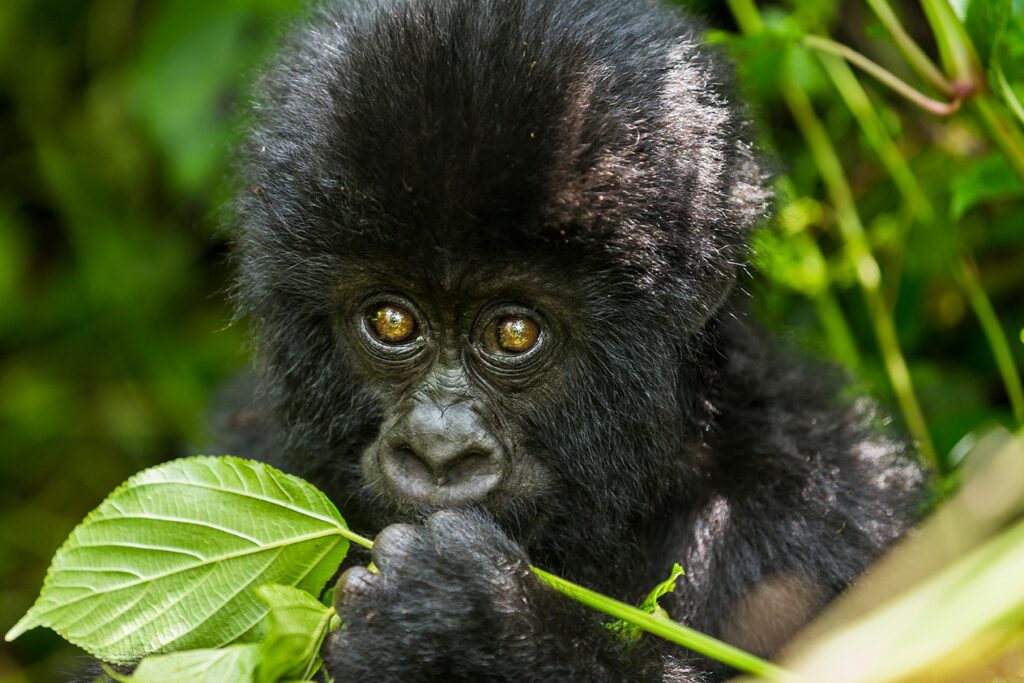
Gloves for Gorilla Trekking: Complete Guide for a Comfortable and Safe Trek
When preparing for a gorilla trekking adventure, many travelers focus on permits, hiking boots, rain jackets, and accommodation while overlooking one small but essential piece of equipment—gloves. A good pair of gloves for gorilla trekking can significantly improve your comfort and safety while navigating dense rainforest terrain.
Mountain gorilla trekking takes place in rugged environments filled with thick vegetation, thorny plants, slippery slopes, and muddy trails. During the trek, visitors often grab branches, vines, tree trunks, and vegetation for balance and support. Without proper hand protection, scratches, cuts, blisters, and discomfort can quickly become part of the experience.
Whether you plan to trek in Bwindi Impenetrable National Park, Mgahinga Gorilla National Park, Volcanoes National Park, or Virunga National Park, the right gloves can make your trek more comfortable and enjoyable.
This guide explains why gloves matter, which types work best, and how to choose the ideal pair for your gorilla trekking safari.
Why Are Gloves Important for Gorilla Trekking?
Many first-time trekkers are surprised by the terrain encountered during gorilla trekking.
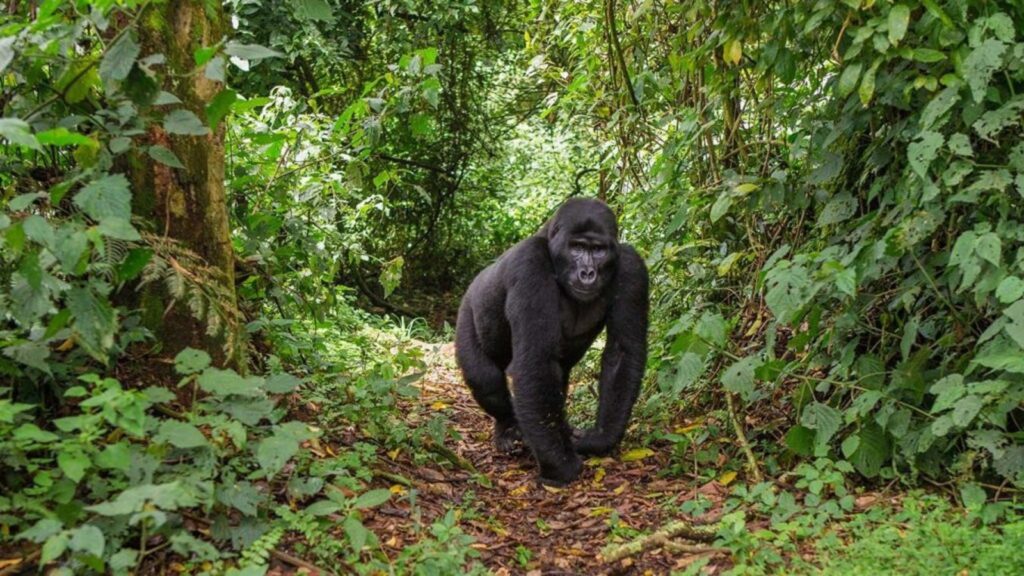
Mountain gorillas live in dense forests where guides often create pathways through thick vegetation. Trekkers regularly use their hands to steady themselves while climbing steep slopes, crossing slippery sections, or moving through bamboo and undergrowth.
Gloves protect your hands from:
Thorns and sharp branches.
Rough tree bark.
Stinging plants.
Blisters caused by gripping vegetation.
Mud and dirt.
Minor cuts and scratches.
They also provide better grip when trails become wet and slippery.
Although gloves are not mandatory, experienced guides strongly recommend them.
What Type of Gloves Are Best for Gorilla Trekking?
Gardening Gloves
Gardening gloves are the most popular option for gorilla trekking.
They are affordable, lightweight, durable, and designed specifically for handling vegetation. Most gardening gloves offer sufficient protection while maintaining flexibility and comfort.
Many local guides recommend simple gardening gloves because they perform exceptionally well in rainforest conditions.
They are often considered the ideal choice.
Lightweight Work Gloves
Lightweight work gloves provide excellent protection and grip.
They are particularly useful for travelers who prefer more durable materials without sacrificing comfort.
These gloves often perform well in muddy environments.
Outdoor Trekking Gloves
Some hikers prefer specialized trekking gloves designed for outdoor activities.
These gloves often include breathable materials and reinforced palms for additional durability.
They work well for travelers planning multiple hiking adventures during their trip.
Features to Look for in Gorilla Trekking Gloves
Good Grip
Rainforest conditions can be slippery.
Choose gloves with textured palms that improve grip when holding branches or climbing steep trails.
A secure grip enhances confidence and stability.
Breathability
Gorilla trekking can be physically demanding.
Breathable gloves help prevent excessive sweating and improve comfort throughout the hike.
Hands remain cooler and more comfortable during long treks.
Lightweight Construction
Heavy gloves may become uncomfortable during extended use.
Lightweight designs offer sufficient protection without restricting movement.
Most trekkers prefer gloves that feel natural and flexible.
Durability
Dense rainforest vegetation can be tough on equipment.
Strong stitching and durable materials help gloves withstand repeated contact with branches and rough surfaces.
Quality gloves often last for multiple treks.
Comfortable Fit
Proper fit is essential.
Gloves should fit snugly without being too tight.
A comfortable fit improves dexterity and overall performance.
Why Gardening Gloves Are So Popular
Gardening gloves have become the standard recommendation for gorilla trekking.
They offer several advantages:
They are inexpensive.
Provide excellent protection from vegetation.
Dry quickly.
They are lightweight and easy to pack.
They allow natural hand movement.
Many safari operators even include them in recommended packing lists.
Their simplicity makes them highly effective.
Gorilla Trekking Terrain and Hand Protection
Dense Vegetation
Mountain gorilla habitats contain thick undergrowth and dense foliage.
Trekkers often push aside branches and vines while following guides through the forest.
Gloves reduce direct contact with rough vegetation.
Steep Slopes
Some gorilla treks involve climbing steep hillsides.
Hands frequently assist with balance and support.
Gloves improve grip and reduce friction.
Wet Conditions
Rain is common throughout gorilla habitats.
Wet vegetation can become slippery.
Proper gloves help maintain control and confidence on difficult sections of the trail.
Gloves for Different Gorilla Trekking Destinations
Bwindi Impenetrable National Park
Bwindi Impenetrable National Park is famous for its dense vegetation and steep terrain.
Hand protection is particularly useful in many trekking sectors.
Volcanoes National Park
Volcanoes National Park features bamboo forests and volcanic slopes where gloves can improve comfort and stability.
Mgahinga Gorilla National Park
Mgahinga Gorilla National Park offers rugged mountain terrain that often requires additional support from hands during climbs.
Virunga National Park
Virunga National Park presents challenging trekking conditions where gloves are especially beneficial.
Should You Buy Gloves Before Traveling?
Yes.
Purchasing gloves before your trip allows you to choose a comfortable pair and test them during walks or hikes.
Many outdoor stores carry suitable options.
Some safari lodges and local shops also sell gloves, but selection may be limited.
Buying them in advance ensures you arrive fully prepared.
Can You Rent Gloves for Gorilla Trekking?
In some destinations, gloves may be available for purchase or occasionally provided by safari operators.
However, availability is not guaranteed.
Travelers should bring their own gloves whenever possible.
Personal gloves usually provide a better fit and greater comfort.
How to Pack Your Gloves
Gloves require very little luggage space.
Place them inside your daypack where they remain easily accessible before the trek begins.
Many trekkers keep them in an outer pocket for convenience.
Since they are lightweight, they add virtually no extra baggage weight.
Additional Gear That Complements Trekking Gloves
Gloves work best when combined with other essential gorilla trekking equipment.
Hiking Boots
Waterproof hiking boots provide stability and traction on muddy trails.
Rain Jacket
A waterproof jacket protects against sudden rainforest showers.
Long-Sleeved Shirt
Long sleeves help protect arms from insects and vegetation.
Long Trousers
Trousers provide protection from scratches and stinging plants.
Daypack
A small backpack allows you to carry water, snacks, and personal items.
Together, these items create a complete trekking setup.
Common Mistakes to Avoid
Bringing Thick Winter Gloves
Heavy winter gloves are unnecessary in East African rainforests.
They can become hot and uncomfortable.
Choosing Gloves That Are Too Loose
Loose gloves reduce grip and make handling vegetation more difficult.
Always select the correct size.
Ignoring Comfort
Comfort matters as much as protection.
Uncomfortable gloves can become distracting during a long trek.
Waiting Until the Last Minute
Purchasing gloves shortly before departure may limit your choices.
Plan ahead and include them in your packing list.
Are Gloves Mandatory for Gorilla Trekking?
No.
Park authorities do not require gloves for participation.
However, most experienced guides and tour operators strongly recommend them.
The benefits greatly outweigh the small cost and minimal packing space required.
Many travelers who initially question their importance later appreciate having them during the trek.
Conclusion
Choosing the right gloves for gorilla trekking is a simple but valuable step when preparing for your gorilla safari. Gloves protect your hands from scratches, thorns, rough vegetation, mud, and slippery conditions while improving grip and overall comfort during the trek.
Lightweight gardening gloves remain the most practical and widely recommended option for gorilla trekking in Uganda, Rwanda, and the Democratic Republic of the Congo. Combined with proper hiking boots, a rain jacket, and suitable trekking clothing, they help ensure a safe and enjoyable adventure.
When you finally stand face-to-face with a mountain gorilla in its natural habitat, you will be grateful for every piece of gear that made the journey more comfortable—including a reliable pair of trekking gloves.