Public Transport to Bwindi: Complete Guide to Reaching Bwindi Impenetrable National Park Without a Private Safari Vehicle
Many travelers assume that visiting Bwindi Impenetrable National Park requires an expensive private safari vehicle or organized tour. However, public transport to Bwindi is a viable option for budget-conscious travelers who want to experience gorilla trekking in Uganda without the high cost of a private safari package.
Bwindi Impenetrable National Park is located in southwestern Uganda near the borders of Rwanda and the Democratic Republic of Congo. Although the park lies far from major cities, public buses, minibuses, and motorcycle taxis can help travelers reach the various gorilla trekking sectors.
Planning a journey using public transport requires flexibility and patience. Unlike private safaris, public transportation involves multiple connections and longer travel times. Nevertheless, many independent travelers successfully use this option every year.
This guide explains how to use public transport to Bwindi, the routes available, costs, travel times, challenges, and practical tips for reaching Uganda’s most famous gorilla trekking destination.
Can You Reach Bwindi Using Public Transport?
Yes, it is possible to reach Bwindi Impenetrable National Park using public transportation.
Several bus companies operate daily services from Kampala to towns near Bwindi. From these towns, travelers can continue their journey using shared taxis, minibuses, or motorcycle taxis known locally as boda bodas.
The process requires careful planning.
Travelers should allow extra time for connections and unexpected delays.
Where Is Bwindi Impenetrable National Park Located?
Bwindi Impenetrable National Park is situated in southwestern Uganda.
The park covers a mountainous region characterized by dense rainforest, steep valleys, and rugged terrain. Bwindi contains four gorilla trekking sectors:
Buhoma Sector
Buhoma Sector lies in the northern section of the park.
Ruhija Sector
Ruhija Sector is located in the eastern region.
Rushaga Sector
Rushaga Sector occupies the southern part of the park.
Nkuringo Sector
Nkuringo Sector lies in the southwestern corner.
Your gorilla permit determines which sector you must reach.
Transportation planning should begin with your permit allocation.
Starting the Journey from Kampala
Most travelers using public transport begin their trip in Kampala.
Kampala serves as Uganda’s primary transportation hub and offers daily bus services to southwestern Uganda. Travelers arriving through Entebbe usually transfer to Kampala before continuing their journey.
An early departure is highly recommended.
Most long-distance buses leave in the morning.
Bus Routes to Southwestern Uganda
Several major bus companies operate routes from Kampala to western Uganda.
Most buses travel through the following route:
Kampala → Masaka → Mbarara → Ntungamo → Kabale or Rukungiri
These towns serve as gateways to Bwindi.
Travelers usually complete the final stage using local transportation.
Traveling to Buhoma Sector
Buhoma is one of the easiest Bwindi sectors to reach using public transport.
Travelers can take a bus from Kampala to Rukungiri or nearby towns before continuing by shared taxi or local vehicle toward Buhoma.
The final transfer may require some coordination.
Many lodges can assist with pickup arrangements.
Traveling to Ruhija Sector
Visitors trekking in Ruhija usually travel through Kabale.
Kabale has regular public transportation connections from Kampala. From Kabale, travelers can hire local transport to reach Ruhija.
The mountain roads can be challenging.
Allow sufficient travel time for the final transfer.
Traveling to Rushaga Sector
Rushaga is commonly accessed through Kabale or Kisoro.
Travelers typically take a long-distance bus from Kampala to Kisoro and then arrange local transportation to the trekking sector.
The journey is longer than travel to Buhoma.
However, public transport options remain available.
Traveling to Nkuringo Sector
Nkuringo is one of the most remote sectors of Bwindi.
Most travelers first reach Kisoro and then continue using local transport. Some lodges provide transfers from Kisoro for guests arriving by public bus.
Advance communication with accommodation providers is beneficial.
Many properties offer transport assistance.
Public Transport from Entebbe to Bwindi
Travelers arriving through Entebbe International Airport can connect to Kampala before boarding a bus to southwestern Uganda.
Several transportation options link Entebbe and Kampala, including taxis, airport transfers, and shared minibuses.
The transfer to Kampala is relatively straightforward.
Most travelers complete it within a few hours.
How Long Does the Journey Take?
Using public transport requires more time than traveling by private vehicle.
Most journeys from Kampala to Bwindi take between 10 and 14 hours depending on the destination sector, transfer connections, weather, and road conditions.
Some travelers choose to break the trip into two days.
An overnight stop in western Uganda can reduce travel fatigue.
Approximate Travel Costs
Public transportation is considerably cheaper than private safari transport.
Bus fares between Kampala and southwestern Uganda are generally affordable. Additional costs include shared taxis, local transport, and transfers from nearby towns to your lodge.
Overall transportation expenses remain significantly lower than private safari arrangements.
Budget travelers often find this option attractive.
Challenges of Using Public Transport
Although public transportation is affordable, it presents several challenges.
Schedules may change without notice. Connections can involve waiting periods, and some roads near Bwindi are difficult to navigate using standard public vehicles.
Travelers should remain flexible.
Patience is an important part of the experience.
Accommodation Assistance
Many lodges near Bwindi assist guests arriving by public transport.
Accommodation providers often arrange pickups from Kabale, Kisoro, Rukungiri, or nearby trading centers. These services help simplify the final stage of the journey.
Contact your lodge before traveling.
Advance planning improves coordination.
Safety Tips for Public Transport Travelers
Public transportation in Uganda is widely used and generally reliable.
Travelers should keep valuables secure, travel during daylight hours when possible, and carry sufficient cash for local transportation needs. Keeping your gorilla permit details accessible is also important.
Preparation helps prevent unnecessary complications.
Awareness enhances travel comfort.
Alternative Option: Domestic Flights
Travelers who want to avoid long bus journeys can choose domestic flights.
Flights operate from Entebbe to:
Kihihi Airstrip
This airstrip serves Buhoma and Ruhija sectors.
Kisoro Airstrip
This airstrip serves Rushaga, Nkuringo, and Mgahinga.
Flights reduce travel time dramatically.
However, they cost significantly more than public transport.
Is Public Transport a Good Option for Gorilla Trekking?
For budget-conscious travelers, public transport can be an excellent option.
It provides a more affordable way to access Bwindi while allowing visitors to experience everyday life in Uganda. Travelers who enjoy independent adventures often appreciate the flexibility and authenticity of this approach.
The journey requires more effort.
The financial savings can be substantial.
Best Time to Travel
Public transportation operates throughout the year.
However, drier months generally provide more predictable road conditions. During rainy periods, some roads leading to Bwindi may become muddy and slower to navigate.
Checking weather conditions before departure is advisable.
Flexibility remains important.
Conclusion
Public transport to Bwindi offers an affordable alternative for travelers who want to experience gorilla trekking without the expense of a private safari vehicle. Although the journey requires multiple connections and careful planning, it remains entirely possible to reach all four gorilla trekking sectors using buses, shared taxis, and local transportation.
With proper preparation, flexible scheduling, and assistance from accommodation providers, independent travelers can successfully navigate the route to Bwindi Impenetrable National Park. For backpackers, budget travelers, and adventurous visitors, public transportation provides a practical gateway to one of Africa’s most remarkable wildlife experiences.
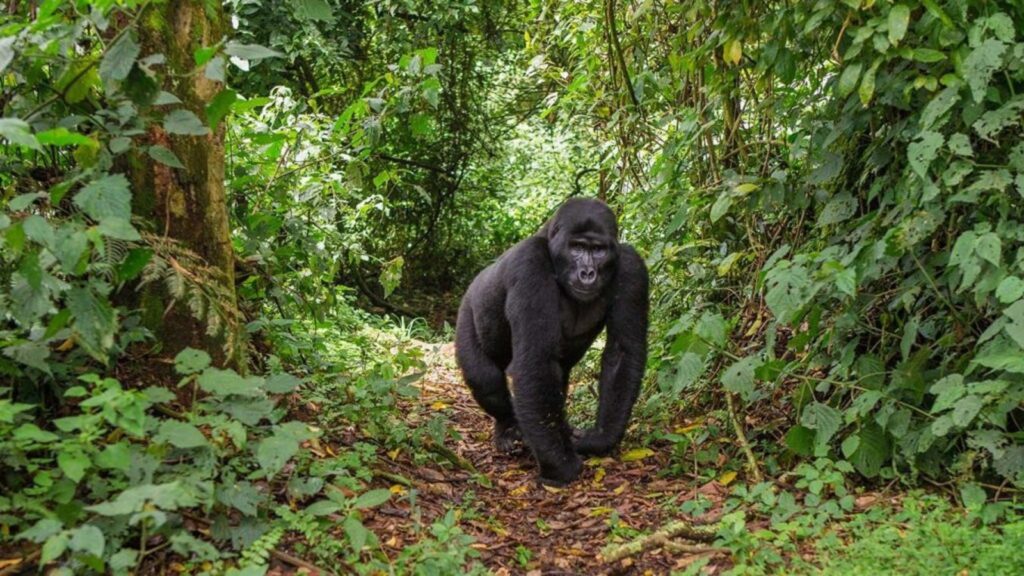
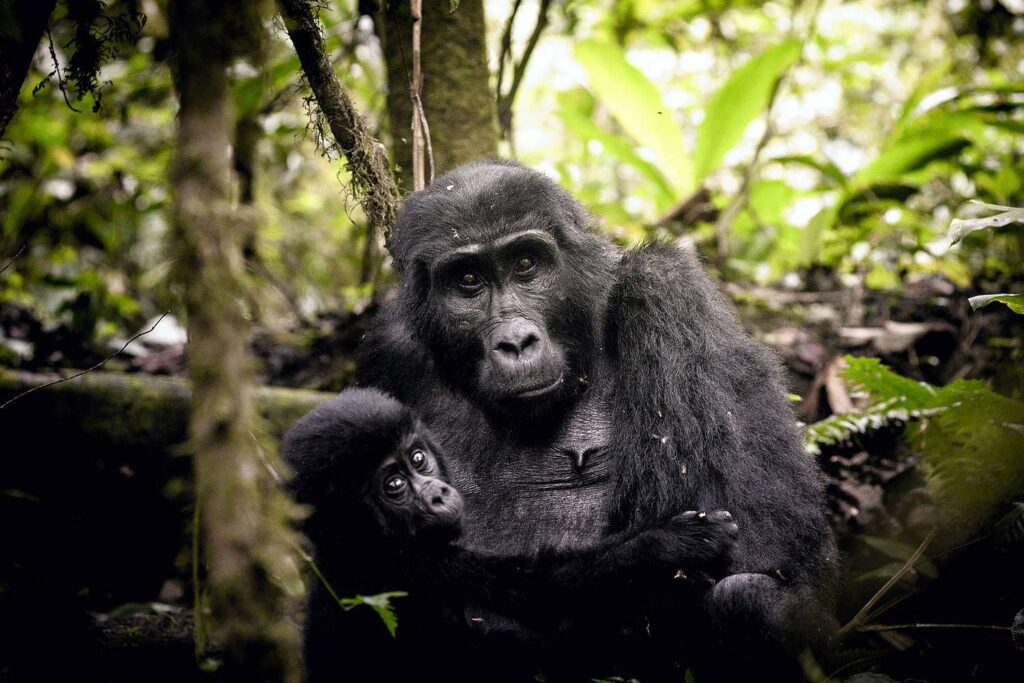
The effort involved in reaching Bwindi is often rewarded by the unforgettable experience of standing face-to-face with endangered mountain gorillas in their natural forest home.