Self-Drive Gorilla Safari Uganda: Complete Guide for Independent Travelers
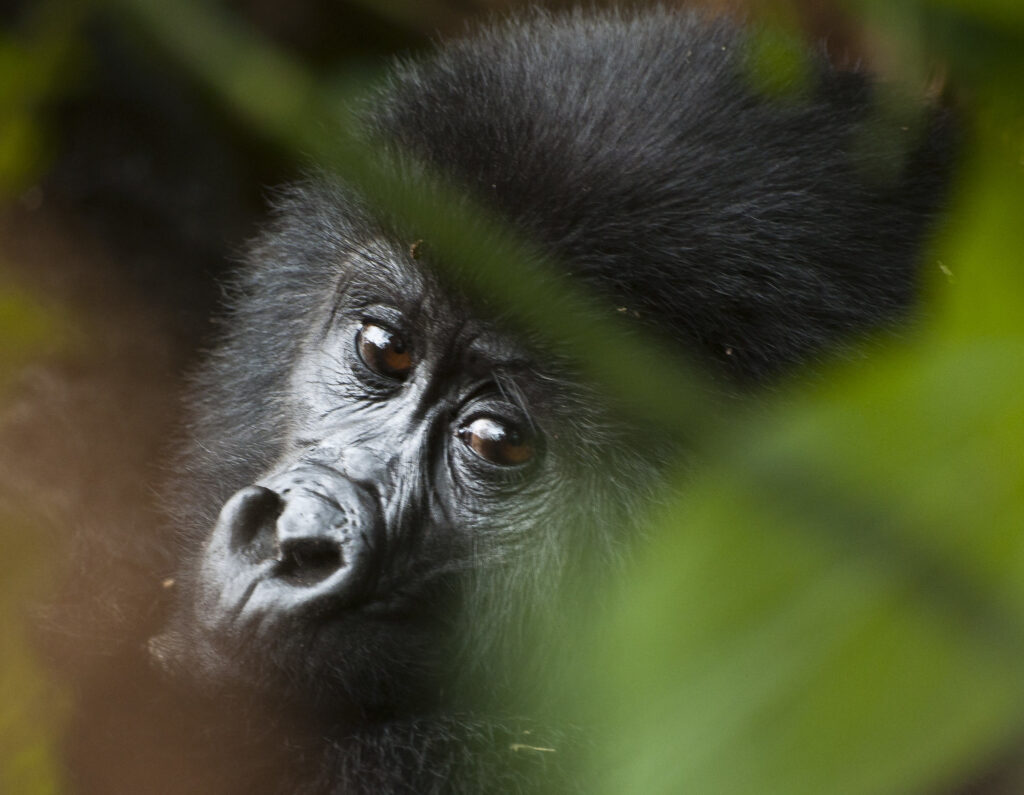
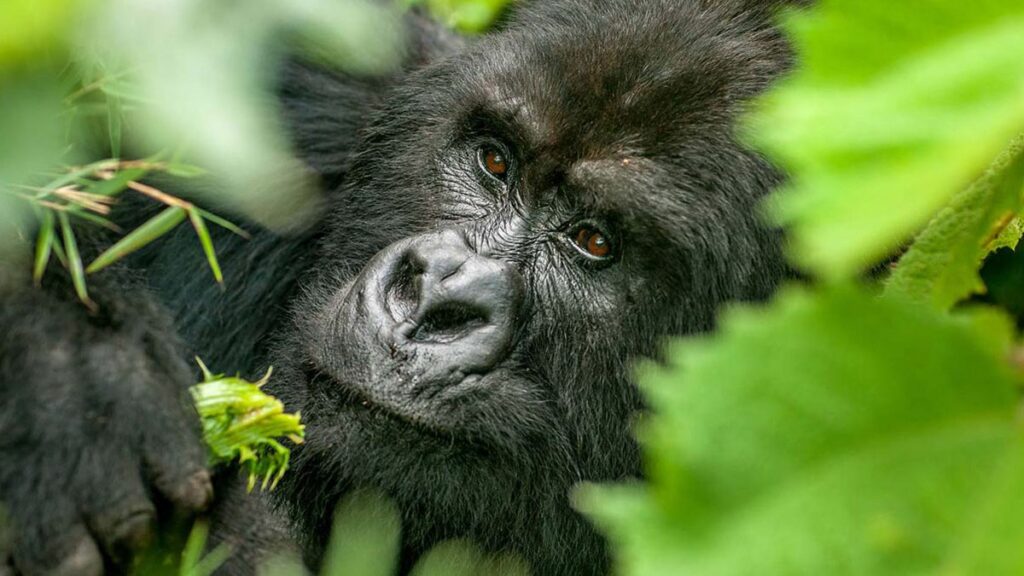
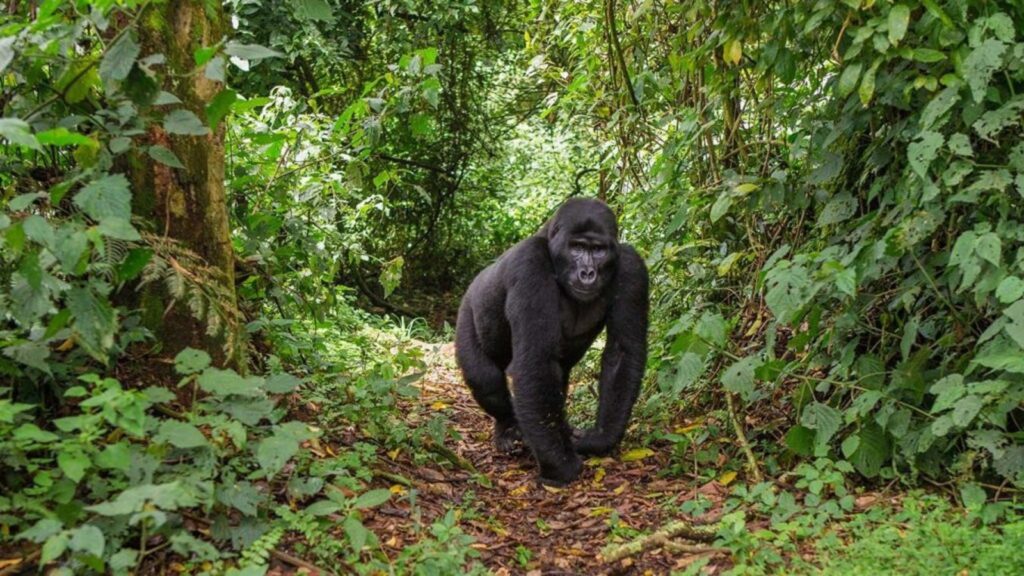
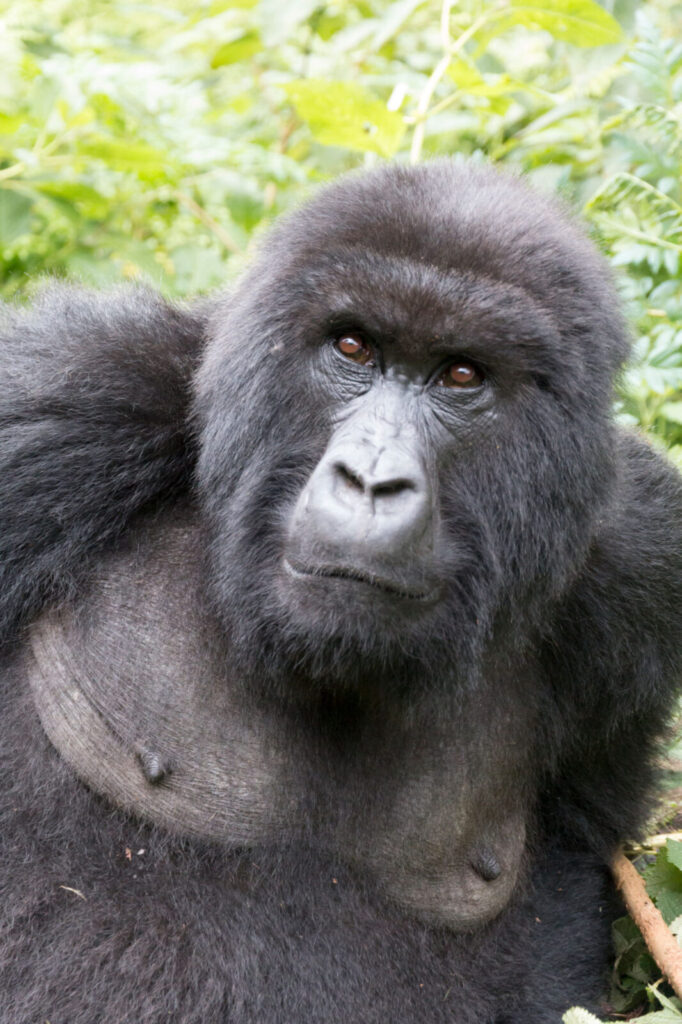
A self-drive gorilla safari Uganda offers adventurous travelers the freedom to explore the country at their own pace while experiencing one of Africa’s most extraordinary wildlife encounters. Uganda is home to nearly half of the world’s remaining mountain gorillas, making it one of the best destinations for gorilla trekking. Many visitors choose guided tours, but a growing number of travelers prefer the flexibility and independence of a self-drive adventure.
Driving yourself through Uganda allows you to discover scenic landscapes, interact with local communities, and customize your itinerary according to your interests. From the bustling streets of Kampala and Entebbe to the rolling hills of southwestern Uganda, a self-drive safari provides a unique perspective on the country.
This guide covers everything you need to know about planning a self-drive gorilla safari Uganda, including vehicle requirements, routes, gorilla permits, accommodation, road conditions, safety considerations, and practical travel tips.
Why Choose a Self-Drive Gorilla Safari in Uganda?
Many travelers choose self-drive safaris because they offer flexibility and independence.
You can decide when to depart, where to stop, and how long to spend at each destination. Unlike fixed group tours, a self-drive safari allows you to create a personalized travel experience that matches your schedule and interests.
Independent travel also creates opportunities for spontaneous discoveries.
Many visitors enjoy exploring Uganda beyond the typical safari circuit.
Where Does Gorilla Trekking Take Place?
Uganda offers gorilla trekking in two national parks.
Bwindi Impenetrable National Park
Bwindi Impenetrable National Park is the most popular gorilla trekking destination in Uganda.
The park contains four trekking sectors: Buhoma, Ruhija, Rushaga, and Nkuringo. Each sector offers access to habituated gorilla families and a range of accommodation options.
Mgahinga Gorilla National Park
Mgahinga Gorilla National Park lies within the Virunga Mountains and provides a more intimate gorilla trekking experience.
The park also offers golden monkey tracking and volcano hiking opportunities.
Planning Your Self-Drive Gorilla Safari
Successful planning is essential for an enjoyable trip.
The first step involves securing a gorilla trekking permit before making any travel arrangements. Gorilla permits are limited and often sell out months in advance, particularly during peak travel seasons.
Your permit determines the trekking sector and date.
Accommodation and driving routes should align with your permit location.
Choosing the Right Vehicle
A reliable vehicle is one of the most important components of a self-drive safari.
Most travelers choose a four-wheel-drive vehicle because some roads near gorilla trekking sectors can become challenging during rainy periods. Vehicles with good ground clearance provide additional comfort and safety.
Popular choices include safari Land Cruisers, Prado models, and rugged SUVs.
Vehicle reliability becomes especially important in remote areas.
Driving from Entebbe or Kampala to Bwindi
Most self-drive gorilla safaris begin in either Entebbe or Kampala.
The journey to southwestern Uganda covers approximately 460 to 550 kilometers depending on the gorilla trekking sector. Travel times range from 8 to 11 hours.
The route generally follows:
Entebbe → Kampala → Masaka → Mbarara → Ntungamo → Kabale or Rukungiri → Bwindi Impenetrable National Park
The drive passes through some of Uganda’s most scenic countryside.
Many travelers consider the journey part of the adventure.
Understanding the Different Bwindi Sectors
Selecting the correct sector is important because driving times vary significantly.
Buhoma Sector
Buhoma Sector is located in northern Bwindi and is generally the easiest sector to access by road.
Ruhija Sector
Ruhija Sector sits in eastern Bwindi and offers excellent gorilla trekking opportunities.
Rushaga Sector
Rushaga Sector contains the largest number of habituated gorilla families.
Nkuringo Sector
Nkuringo Sector offers spectacular scenery and challenging terrain.
Your accommodation should be located near your assigned trekking sector.
Road Conditions in Southwestern Uganda
Uganda’s major highways are generally in good condition.
The road from Kampala to Mbarara is paved and well maintained. Conditions become more variable as you approach Bwindi and other remote destinations.
Mountain roads can be steep and winding.
Rain may create muddy conditions on some access roads.
Driving cautiously improves safety and comfort.
Navigation and Maps
Modern navigation tools make self-drive travel easier than ever.
Offline maps are highly recommended because mobile network coverage can vary in remote areas. Many travelers use smartphone navigation apps alongside printed route information.
Planning your route before departure reduces stress.
It also helps avoid unnecessary detours.
Accommodation Options
Uganda offers accommodation for every budget.
Many lodges, guesthouses, camps, and luxury properties operate near gorilla trekking sectors. Choosing accommodation close to your briefing point reduces travel time on trekking day.
Early booking is advisable.
Popular lodges often fill up during peak seasons.
What Happens on Gorilla Trekking Day?
Gorilla trekking begins early in the morning.
Visitors report to the designated park headquarters for registration and a briefing from park rangers. Groups are then assigned to specific gorilla families and guided into the forest.
The trek can last anywhere from one to several hours.
The difficulty level depends on gorilla movements and terrain.
Rules for Gorilla Trekking
All trekkers must follow established conservation guidelines.
Visitors must maintain a safe distance from gorillas, avoid sudden movements, and follow ranger instructions at all times. These rules help protect both gorillas and visitors.
Responsible behavior contributes to conservation efforts.
It also enhances the trekking experience.
Combining Gorilla Trekking with Other Destinations
A self-drive safari makes it easy to visit multiple attractions.
Queen Elizabeth National Park
Queen Elizabeth National Park offers wildlife viewing, boat safaris, and tree-climbing lions.
Lake Mburo National Park
It provides opportunities for walking safaris and wildlife encounters.
Lake Bunyonyi
It is an ideal destination for relaxation after gorilla trekking.
These destinations complement a gorilla safari perfectly.
Fuel and Service Stations
Fuel stations are readily available along major highways.
However, service stations become less common in remote regions. Travelers should refuel whenever opportunities arise, especially before entering mountainous areas.
Keeping the fuel tank well supplied is a simple precaution.
It prevents unnecessary travel interruptions.
Safety Tips for Self-Drive Travelers
Uganda remains one of East Africa’s most popular tourism destinations.
Travelers should drive carefully, obey local traffic regulations, and avoid night driving in unfamiliar areas whenever possible. Secure storage for valuables and routine vehicle checks further enhance safety.
Preparation contributes significantly to a successful journey.
Most self-drive safaris proceed without problems.
Best Time for a Self-Drive Gorilla Safari
Gorilla trekking takes place throughout the year.
Many travelers prefer drier periods because road conditions and trekking trails tend to be easier. However, Uganda’s mountain forests remain beautiful and rewarding in every season.
Weather conditions can change quickly.
Appropriate clothing and preparation are important.
Advantages of Self-Drive Travel
A self-drive gorilla safari offers several benefits.
Travelers enjoy greater flexibility, privacy, and freedom to explore Uganda independently. The experience often feels more immersive because visitors engage directly with the country and its landscapes.
Many travelers appreciate the sense of adventure.
The journey becomes part of the overall safari experience.
Challenges of Self-Drive Safaris
Independent travel also requires greater responsibility.
Drivers must navigate unfamiliar roads, manage logistics, and coordinate accommodation and permits. Good planning helps overcome these challenges and ensures a smooth experience.
Preparation is the key to success.
The rewards often outweigh the effort.
Conclusion
A self-drive gorilla safari Uganda offers an exciting and rewarding way to experience one of Africa’s most remarkable wildlife adventures. With careful planning, a reliable vehicle, and a valid gorilla trekking permit, travelers can enjoy the freedom to explore Uganda at their own pace while visiting the country’s world-famous mountain gorilla habitats.
From the scenic highways of western Uganda to the ancient forests of Bwindi and the volcanic landscapes of Mgahinga, every stage of the journey contributes to an unforgettable experience. For independent travelers seeking flexibility, adventure, and close encounters with endangered mountain gorillas, a self-drive safari remains one of the most rewarding ways to discover Uganda.