How Altitude Affects Gorilla Trekking.
Altitude plays a major role in shaping the gorilla trekking experience in East and Central Africa. Mountain gorillas live in some of the highest forested regions on the continent, and trekkers must climb through these elevations to reach them. The change in altitude affects breathing, stamina, temperature, trekking speed, and even how long it takes to find a gorilla family.
In destinations like Bwindi Impenetrable National Park, Volcanoes National Park, and Mgahinga Gorilla National Park, altitudes vary from around 1,160 meters to over 4,000 meters above sea level. This variation creates different trekking conditions, even within the same park.
Understanding how altitude affects your body and your trek helps you prepare better and enjoy the experience without unnecessary discomfort.
What Altitude Means in Gorilla Trekking Areas
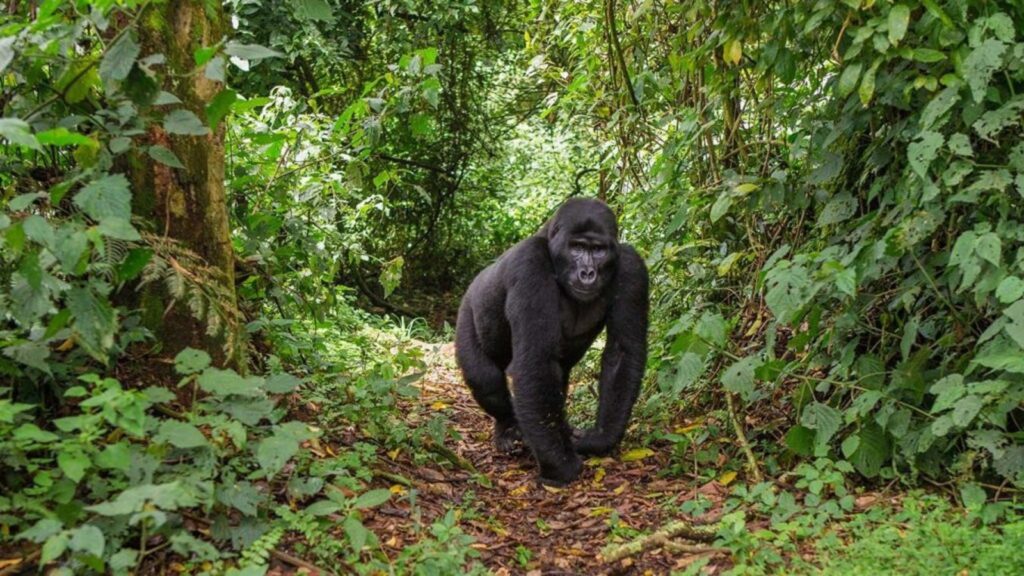
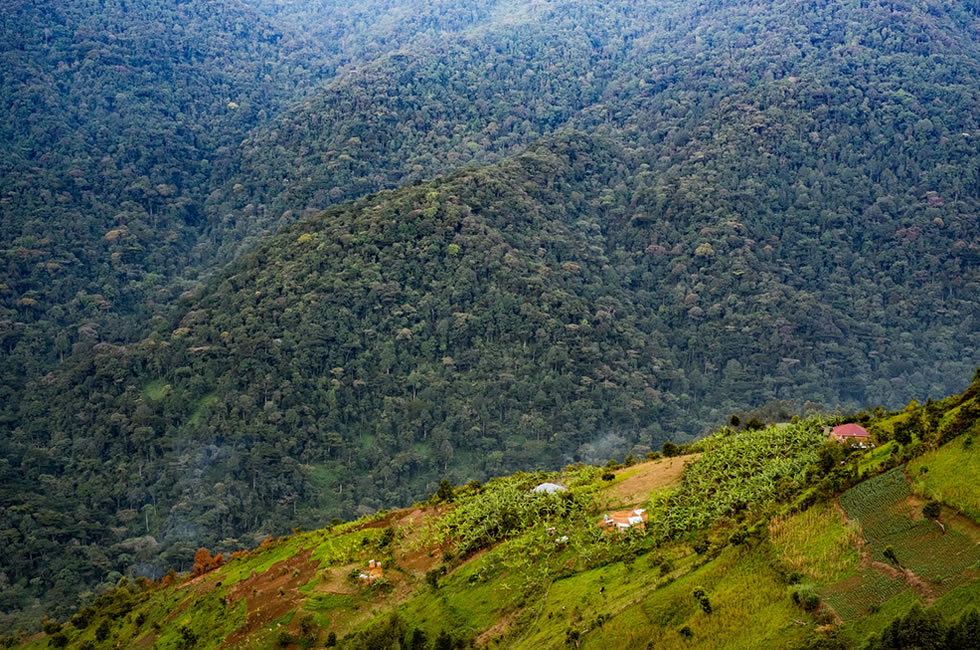
Gorilla habitats sit in mountainous and highland forest zones. These are not flat safari plains like savannah parks. Instead, the terrain rises and falls constantly, with steep ridges, valleys, and dense vegetation.
Bwindi Impenetrable Forest ranges from about 1,160 to 2,600 meters above sea level. Volcanoes National Park sits even higher, ranging from about 2,400 to over 4,500 meters depending on the volcano slopes.
At these elevations, the air contains less oxygen compared to lowland areas. This does not make trekking dangerous for most visitors, but it does change how the body performs during physical activity.
How Altitude Affects Breathing and Energy
One of the first things trekkers notice is that breathing becomes faster and deeper during climbs. The body works harder to take in enough oxygen because the air pressure is lower at higher altitudes.
Even people who are physically fit may feel short of breath earlier than expected. This is a normal response and not a sign of poor fitness.
Energy levels also decrease more quickly during uphill trekking. Simple movements feel more demanding, especially when combined with uneven terrain and humidity in the forest.
Taking short breaks and maintaining a steady pace helps the body adjust more effectively.
How Altitude Influences Trekking Difficulty
Altitude does not act alone. It combines with terrain to determine overall trekking difficulty.
In Bwindi, steep slopes and dense vegetation often make treks physically demanding even at moderate altitude zones. In Volcanoes National Park, higher elevations combine with open volcanic slopes, which can feel more exposed and cooler.
Gorilla trekking is rarely flat. Even short distances can involve climbing, descending, and walking through thick forest undergrowth.
At higher altitudes, these movements feel more intense because the body uses more oxygen per step.
Temperature Changes With Altitude
Temperature drops as altitude increases. For every 1,000 meters gained, the temperature can decrease noticeably.
In Volcanoes National Park, early mornings can feel cold, especially near the higher slopes of the Virunga volcanoes. Mist and fog are also common, which adds to the cool and damp conditions.
Bwindi is generally warmer but still experiences cool temperatures in higher sections of the forest.
These shifting temperatures mean trekkers often experience multiple climate zones in a single day, moving from warm valleys to cool, misty hills.
Altitude and Trekking Time
Altitude also influences how long it takes to locate gorilla families.
Gorillas move through different elevation zones while feeding. Rangers must track them each morning based on nesting sites and movement patterns.
At higher elevations, movement becomes slower for both gorillas and humans. This can extend trekking time, especially when groups are deep in remote forest areas.
Some treks may take just one hour, while others extend to several hours depending on location and altitude range.
The Effect on Physical Fitness Requirements
Gorilla trekking does not require extreme athletic ability, but altitude increases the importance of stamina and steady endurance.
At higher elevations, even moderate walking becomes more demanding. Visitors who are not used to hiking may feel fatigue more quickly.
However, trekking teams adjust pace according to visitor ability. Rangers often stop for breaks and choose routes that match group fitness levels when possible.
Porters are also available in most trekking destinations to assist with carrying backpacks, reducing physical strain at altitude.
How to Prepare for Altitude Before Trekking
Proper preparation helps reduce the impact of altitude during gorilla trekking.
Arriving a day or two early allows the body to begin adjusting naturally. Staying hydrated also supports better oxygen circulation.
Light physical activity such as walking or gentle hiking before the trip improves endurance.
Avoiding alcohol before trekking helps the body cope better with reduced oxygen levels.
These simple steps make altitude effects easier to manage during the trek.
Altitude and Gorilla Behavior
Altitude does not only affect humans. It also influences gorilla movement and feeding patterns.
In higher zones, vegetation becomes more specific, with bamboo forests and montane plants dominating the landscape. Gorillas adapt their diet based on what grows at each altitude level.
Mountain gorillas often move between different elevation zones depending on food availability and weather conditions.
This movement pattern is one of the reasons trekking locations change daily.
Differences Between Bwindi and Volcanoes in Altitude Experience
Bwindi offers a more mixed altitude experience. Trekkers may move through valleys and ridges within a dense rainforest environment. The variation in elevation feels gradual but continuous.
Volcanoes National Park presents higher overall altitude, especially on volcanic slopes. The air feels thinner, and the terrain can be more open in some sections.
Both environments challenge the body in different ways. Bwindi emphasizes dense forest navigation, while Volcanoes emphasizes elevation and open slope climbing.
Signs of Altitude Discomfort
Most visitors adapt well, but some may experience mild altitude effects.
These can include faster breathing, light fatigue, or mild headache during steep climbs. These symptoms are usually temporary and reduce with rest and hydration.
Serious altitude sickness is rare in gorilla trekking areas because most treks remain below extreme high-altitude thresholds.
Guides and rangers monitor visitors closely and adjust pace when needed.
Why Altitude Makes the Experience Special
Although altitude increases physical effort, it also enhances the overall gorilla trekking experience.
High-altitude forests create misty, dramatic landscapes that feel untouched and ancient. The cool air, thick vegetation, and volcanic scenery add a sense of adventure and isolation.
Reaching a gorilla family after trekking through these conditions often feels more rewarding and emotional.
The effort required helps deepen appreciation for the encounter.
Conclusion
Altitude plays a major role in shaping gorilla trekking experiences across Uganda and Rwanda. It affects breathing, energy levels, temperature, trekking duration, and overall physical demand.
However, with proper preparation and a steady pace, most visitors handle these conditions comfortably. The combination of altitude, forest terrain, and wildlife creates one of the most immersive safari experiences in the world.
Understanding how altitude works helps travelers prepare better and enjoy every moment of their journey into the gorillas’ mountain habitat.