How Difficult Is Gorilla Trekking? Honest Assessment by Trek Level
Gorilla trekking often sounds more intimidating than it actually is. Travelers hear about steep mountains, dense forest, and long hikes, which creates uncertainty about whether they can manage it. The reality sits somewhere in the middle. Gorilla trekking can feel easy, moderate, or demanding depending on several factors.
This guide gives an honest breakdown of gorilla trekking difficulty based on real trekking levels. It explains what each level feels like, what affects the challenge, and how to choose the right experience for your ability.
What Determines Gorilla Trekking Difficulty
Terrain and Forest Conditions
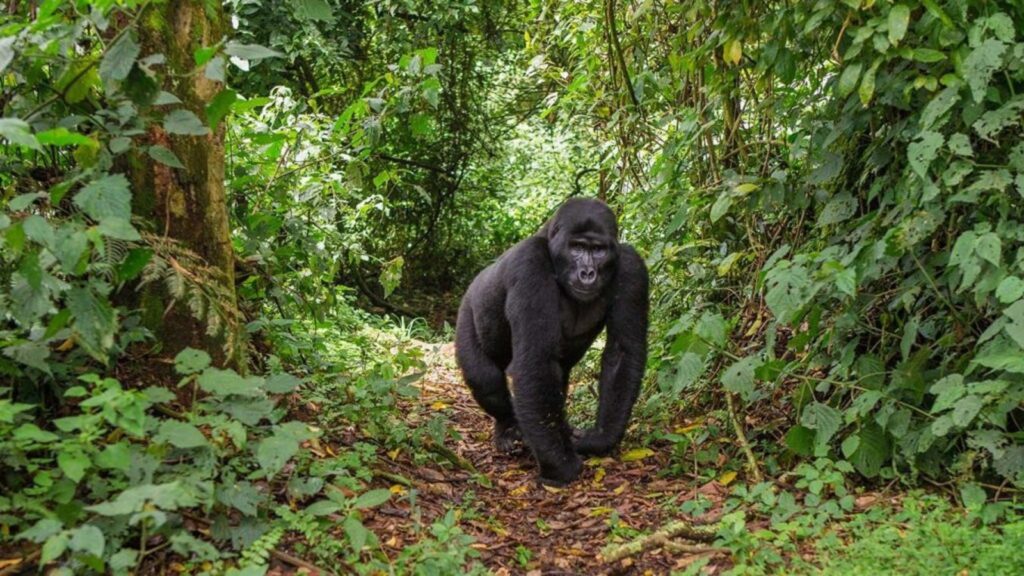
The terrain plays the biggest role in how difficult a trek feels. Gorilla habitats include thick rainforest, steep slopes, and uneven ground. You may walk through narrow trails, climb hills, descend valleys, and step over roots or mud.
Bwindi in Uganda feels denser and more rugged, while Volcanoes National Park in Rwanda offers more open sections in some areas. These differences directly affect gorilla trekking difficulty.
Distance to Gorilla Families
Gorillas move freely within the forest, so their location changes daily. Some families stay close to the starting point, while others move deeper into the forest.
A nearby group creates a shorter and easier trek. A distant group increases the time and effort required.
Weather Conditions
Rain makes trails slippery and increases the effort needed to walk safely. Dry conditions improve footing and make trekking easier.
Even in dry months, the forest remains humid, which can add to physical fatigue.
Altitude and Elevation Changes
Gorilla trekking takes place at elevations above 1,000 meters. Climbing uphill can feel more demanding at these altitudes, especially for travelers not used to it.
Easy Gorilla Trekking Level
What It Feels Like
An easy trek usually involves a short hike on relatively gentle terrain. The gorilla family stays close to the starting point, and the route avoids steep climbs.
You may walk for one to two hours with manageable effort. The trail can still include uneven ground, but it does not feel physically intense.
Who It Suits
This level suits beginners, older travelers, or anyone concerned about fitness. It also works well for those who want a comfortable experience without too much strain.
What to Expect
Even an easy trek still takes place in a natural forest. You should expect some mud, light climbing, and the need for steady footing.
Moderate Gorilla Trekking Level
What It Feels Like
A moderate trek involves longer walking distances and some uphill sections. You may hike for two to four hours before reaching the gorillas.
The terrain becomes more varied, with a mix of slopes, forest paths, and occasional steep sections.
Who It Suits
This level suits most travelers with average fitness. If you can walk for several hours and handle some uphill movement, you can manage a moderate trek.
What to Expect
You will feel the physical effort, especially on climbs. However, the pace remains steady, and guides allow breaks when needed. This level represents the most common gorilla trekking difficulty experienced by visitors.
Difficult Gorilla Trekking Level
What It Feels Like
A difficult trek involves long hours, steep climbs, and dense vegetation. You may hike for four to six hours or more before finding the gorillas.
The terrain can feel demanding, especially in Bwindi, where steep slopes and thick forest create a more intense experience.
Who It Suits
This level suits physically active travelers who enjoy hiking and outdoor challenges. It also appeals to those who want a deeper and more adventurous experience.
What to Expect
You will need endurance, patience, and steady movement. The reward remains the same, but the journey requires more effort.
Uganda vs Rwanda: Difficulty Comparison
Uganda
Uganda generally offers more challenging treks. Bwindi’s terrain includes steep hills, dense forest, and varied landscapes. Trek difficulty can change significantly depending on the sector.
Rwanda
Rwanda offers slightly easier trekking conditions. The terrain includes more open areas and less dense vegetation in some sections.
Treks can still be demanding, but they often feel more manageable compared to Uganda.
How Guides Manage Trek Difficulty
Group Assignment
Guides assign trekking groups based on fitness levels and preferences. Travelers who request easier treks are usually placed with gorilla families located closer to the starting point.
Pace Control
Guides set a comfortable pace and allow regular breaks. You are not expected to rush or keep up with a fast group.
Support During the Trek
Rangers and porters assist you along the way. Porters can carry your bag and help you navigate difficult sections. This support reduces the overall gorilla trekking difficulty.
How to Make Gorilla Trekking Easier
Prepare Physically
Regular walking and light hiking help build endurance. Strong legs and good balance make a noticeable difference during the trek.
Hire a Porter
A porter reduces physical strain and provides support on steep or slippery sections. This makes the trek more comfortable.
Use Proper Gear
Good hiking boots, gloves, and a walking stick improve stability and reduce fatigue.
Stay Hydrated and Take Breaks
Carrying water and taking breaks when needed helps maintain energy throughout the trek.
Common Misconceptions About Trek Difficulty
“It Is Too Hard for Most People”
This is not true. Most travelers complete the trek successfully with average fitness and proper support.
“All Treks Are Extremely Difficult”
Difficulty varies widely. Some treks feel easy, while others are more demanding. Your assigned group often determines the experience.
“You Need Hiking Experience”
Previous hiking experience helps, but it is not required. Preparation and a steady pace matter more.
Conclusion
Gorilla trekking difficulty ranges from easy to demanding depending on terrain, distance, and conditions. Most travelers experience a moderate level, which requires effort but remains manageable.
Uganda offers more challenging terrain, while Rwanda provides slightly easier trekking conditions. Guides adjust the experience to match your ability, and support systems make the trek accessible to a wide range of travelers.
With realistic expectations and simple preparation, gorilla trekking becomes less about difficulty and more about the incredible moment of standing face-to-face with mountain gorillas.