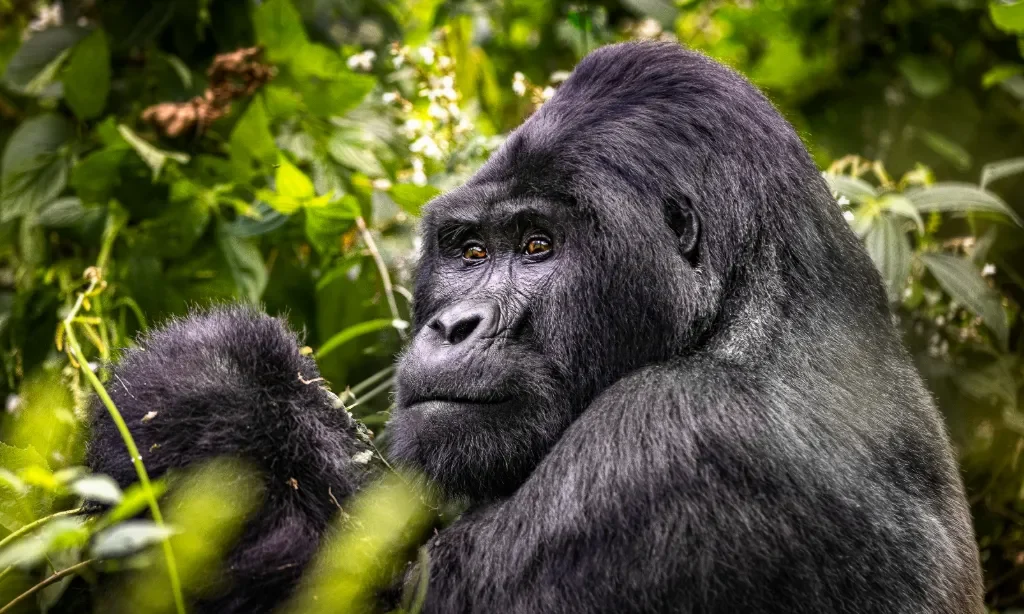
Uganda vs Rwanda Gorilla Trekking: Which Country Should You Choose?
Choosing between Uganda and Rwanda for gorilla trekking often feels difficult. Both countries protect the same mountain gorilla population within the Virunga region, yet the experience on the ground differs in cost, terrain, logistics, and overall travel style.
This guide explains uganda vs rwanda gorilla trekking in a clear and practical way. It compares real conditions, not marketing promises, so you can decide which destination fits your budget, expectations, and travel goals.
Gorilla Trekking Experience in Uganda
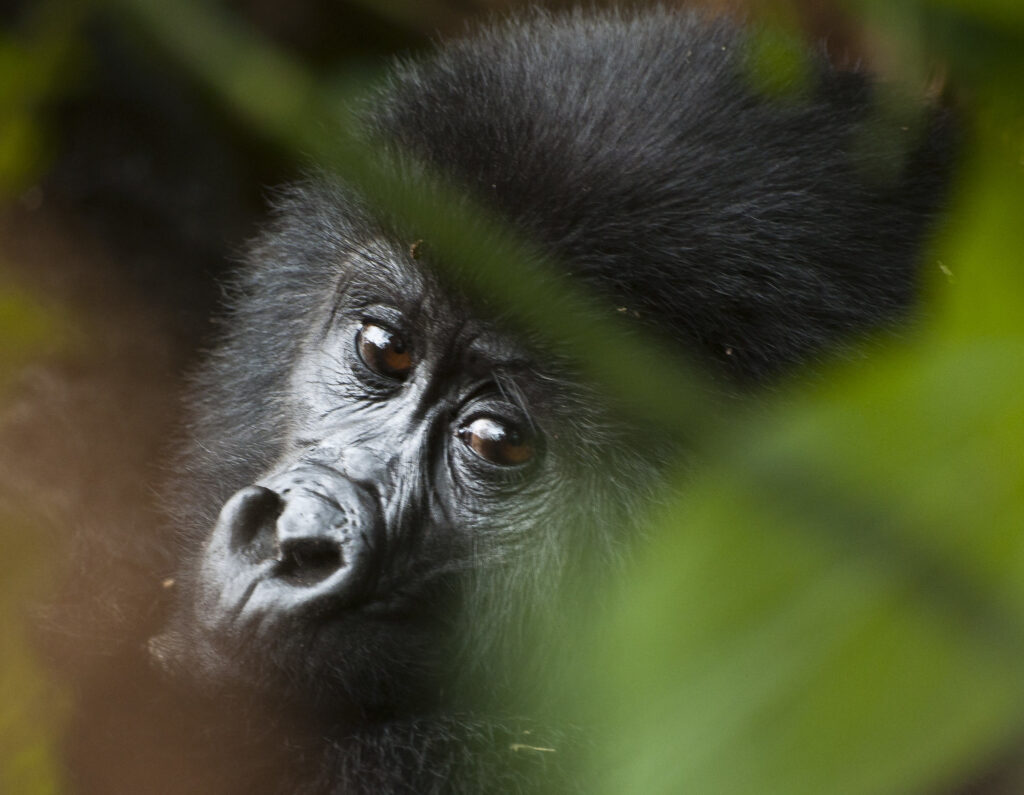
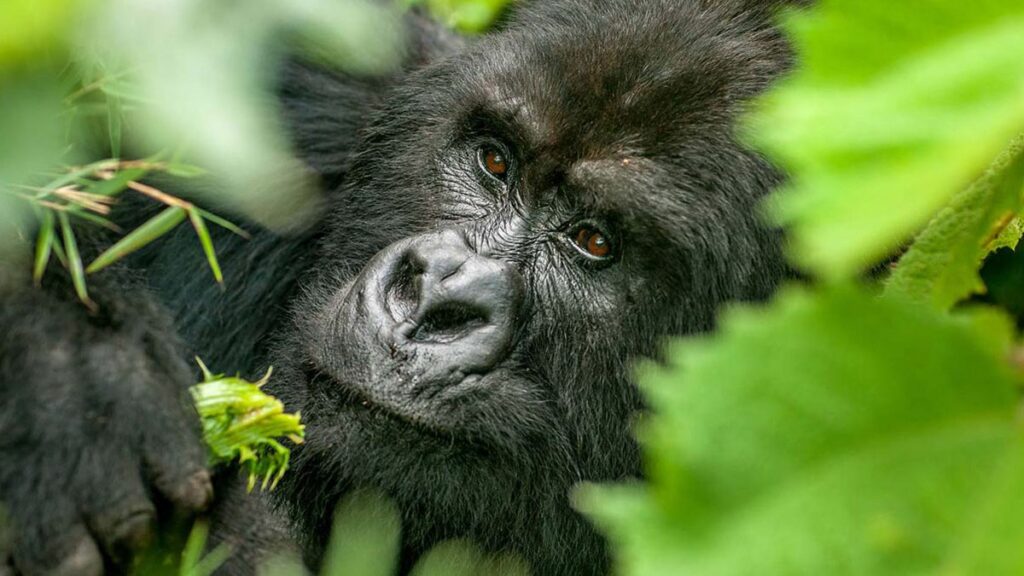
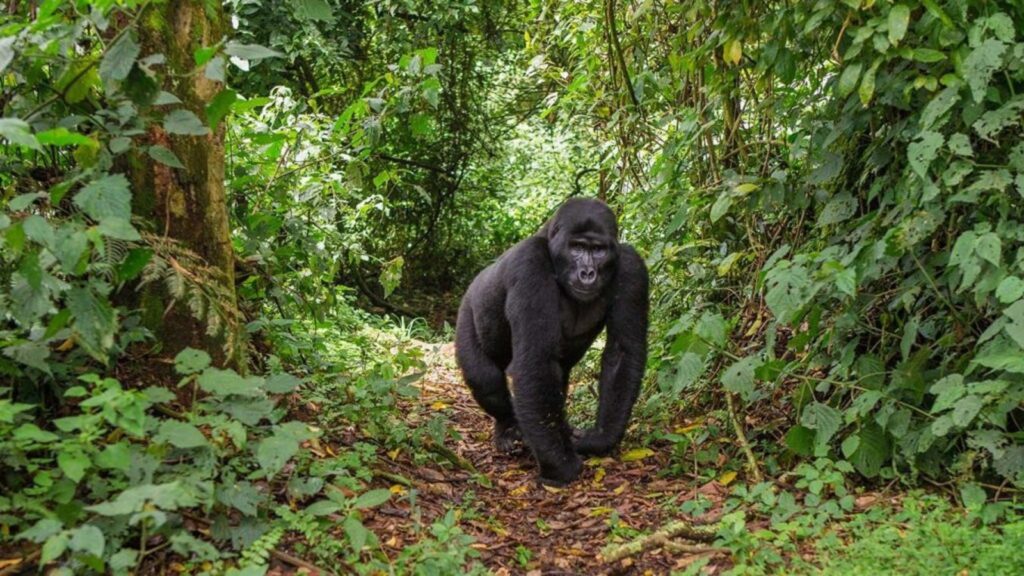
Uganda offers a deep, immersive forest experience. Bwindi Impenetrable National Park and Mgahinga Gorilla National Park host nearly half of the world’s mountain gorillas. The trekking here feels raw, dense, and highly natural.
Terrain and Trek Difficulty
Bwindi lives up to its name. The forest feels thick, steep, and unpredictable. Trails move through valleys, ridges, and dense vegetation. Some treks feel short, while others take several hours depending on where the gorillas move.
This terrain suits travelers who want a true jungle experience. It also means you should prepare for a physically engaging trek. Guides assign groups based on fitness level, which helps manage the challenge.
Gorilla Families and Availability
Uganda offers more habituated gorilla families than Rwanda. This increases your chances of finding permits even during busy months. The park divides into sectors such as Buhoma, Ruhija, Rushaga, and Nkuringo, each with its own trekking routes and lodge options.
Overall Experience Style
Uganda feels less commercial and more adventurous. The forest surrounds you fully, and the trek often feels longer and more varied. This creates a strong sense of discovery during the experience.
Gorilla Trekking Experience in Rwanda
Rwanda delivers a more refined and accessible gorilla trekking experience. Volcanoes National Park lies within a few hours of Kigali, which makes travel quick and efficient.
Terrain and Trek Difficulty
The terrain in Rwanda includes bamboo forests and open slopes along volcanic foothills. The environment feels less dense compared to Bwindi. Treks often take less time, although difficulty still varies depending on gorilla movement.
This setting suits travelers who prefer a more manageable hike without losing the core experience of encountering gorillas in the wild.
Gorilla Families and Management
Rwanda manages a smaller number of habituated gorilla families. Demand remains high, which means permits sell out quickly.
The system feels organized and structured. Rangers guide each group efficiently, and the experience follows a well-managed routine.
Overall Experience Style
Rwanda focuses on a premium experience. The trekking feels more controlled, with shorter travel times and easier logistics. This appeals to travelers who value comfort and efficiency.
Cost Comparison: Uganda vs Rwanda
Permit Prices
The biggest difference in uganda vs rwanda gorilla trekking comes from permit cost. Uganda charges USD 800 per person in 2026, while Rwanda charges USD 1,500.
This price gap significantly affects overall safari budgets.
Total Safari Cost
Uganda requires longer travel distances from Entebbe, which can increase transport costs. However, the lower permit price often balances the total budget.
Rwanda reduces travel time with quick access from Kigali, but higher permit costs increase the overall trip expense.
Value for Money
Uganda offers stronger value for travelers who want a full safari experience at a controlled cost. Rwanda delivers value through convenience, time efficiency, and high-end service.
Accessibility and Travel Logistics
Getting There
Rwanda provides the easiest access. You can land in Kigali and reach Volcanoes National Park within two to three hours by road. Some travelers even complete trekking within a short itinerary.
Uganda requires longer travel to Bwindi, often ranging from eight to ten hours by road from Entebbe. Domestic flights reduce travel time but add cost.
Ease of Planning
Rwanda simplifies logistics. Short distances make planning straightforward. Uganda requires more coordination between flights, road transfers, and accommodation near your trekking sector.
Accommodation and Safari Experience
Uganda Accommodation Options
Uganda offers a wide range of lodges across different sectors. You find both midrange and luxury options with strong views of the forest and surrounding hills.
Because the park spreads across multiple regions, accommodation choices feel more varied and location-specific.
Rwanda Accommodation Options
Rwanda focuses on high-end lodges near Volcanoes National Park. Luxury properties dominate the landscape, offering premium service, design, and comfort.
This creates a more polished safari environment compared to Uganda’s broader mix of options.
Trekking Atmosphere and Crowd Levels
Uganda
Uganda spreads visitors across several sectors, which reduces crowd concentration. Even during peak seasons, the experience often feels more dispersed.
Rwanda
Rwanda operates from a single park area, which can feel busier despite strict visitor limits. The system remains controlled, but demand concentrates in one location.
Which Country Fits Your Travel Style?
Choose Uganda If You Want Depth and Value
Uganda suits travelers who want a richer, more immersive trekking experience. The forest feels wilder, the permit price remains lower, and the variety of trekking sectors provides flexibility.
This option works well for those combining gorilla trekking with other Ugandan safaris such as Queen Elizabeth National Park or Kibale Forest.
Choose Rwanda If You Want Convenience and Comfort
Rwanda suits travelers who value time, ease of access, and premium service. The shorter travel distance and structured system create a smoother experience.
This option works best for shorter trips or luxury-focused itineraries.
Key Differences That Matter Most
Experience Depth
Uganda offers a deeper jungle experience with more varied trekking routes. Rwanda provides a more controlled and accessible environment.
Cost
Uganda remains significantly more affordable. Rwanda positions itself at the premium end of the market.
Travel Time
Rwanda saves time with quick access from Kigali. Uganda requires longer travel but offers broader safari opportunities.
Conclusion
The decision between uganda vs rwanda gorilla trekking depends on what you value most in your safari. Uganda delivers affordability, variety, and a raw forest experience. Rwanda offers convenience, shorter travel time, and a refined approach to trekking.
Both destinations provide the same core moment of standing face-to-face with mountain gorillas. The difference lies in how you reach that moment and how your overall journey unfolds.
With clear priorities and proper planning, either country can deliver an exceptional and unforgettable gorilla trekking experience.