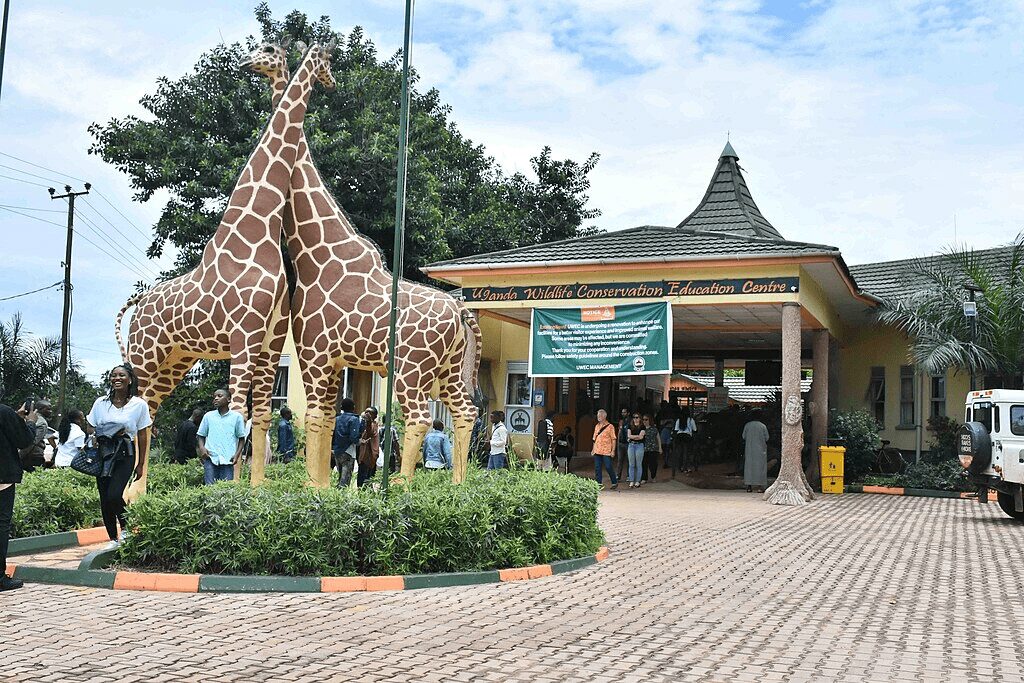
Uganda Wildlife Education Center (UWEC)
The Uganda Wildlife Education Center is Uganda’s leading wildlife conservation, education, and rescue facility. Located in Entebbe along the shores of Lake Victoria, it plays a vital role in wildlife awareness, animal rehabilitation, and conservation education. For many visitors, UWEC offers the first close look at Uganda’s wildlife before heading into national parks.
Overview of the Uganda Wildlife Education Center
The Uganda Wildlife Education Center, commonly known as UWEC, operates as a semi-natural sanctuary where rescued, orphaned, and confiscated wild animals receive care. Unlike a traditional zoo, UWEC focuses on education, conservation, and rehabilitation rather than entertainment. Animals live in spacious enclosures designed to reflect their natural habitats as closely as possible.
UWEC works closely with the Uganda Wildlife Authority to support wildlife protection efforts across the country.
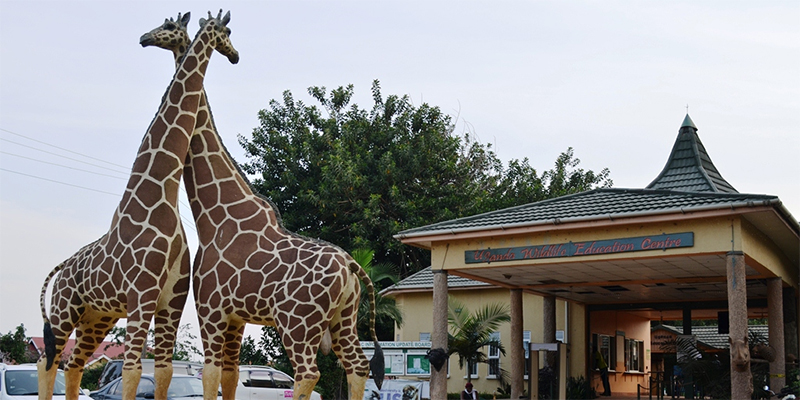
Location and Accessibility
UWEC is located in Entebbe, about 5 minutes’ drive from Entebbe International Airport. Its convenient location makes it an ideal first or last stop on a Uganda safari, especially for travelers with limited time or those waiting for flights.
The center is easily accessible by road and fits well into city tours around Entebbe.
Wildlife You Can See at UWEC
UWEC hosts a wide range of Uganda’s iconic wildlife species. Visitors can see lions, leopards, giraffes, zebras, rhinos, chimpanzees, various monkey species, crocodiles, snakes, birds of prey, and many smaller mammals. Each animal has a story, often linked to rescue from illegal wildlife trade, injury, or habitat conflict.
The center provides interpretive signage and guided explanations that help visitors understand animal behavior and conservation challenges.
Conservation and Rescue Role
One of UWEC’s most important roles is wildlife rescue and rehabilitation. Animals that cannot be returned to the wild are given lifetime care, while others undergo rehabilitation with the goal of eventual release. UWEC also serves as Uganda’s main wildlife veterinary and quarantine center.
This behind-the-scenes conservation work makes UWEC a key pillar in Uganda’s broader wildlife protection system.
Educational Programs and Experiences
Education is central to UWEC’s mission. The center runs conservation education programs for schools, universities, and community groups. Visitors can join guided tours, keeper talks, and special behind-the-scenes experiences that explain wildlife conservation in a clear and practical way.
Children and first-time visitors especially benefit from these interactive learning opportunities.
Chimpanzee and Primate Experiences
UWEC is well known for its chimpanzee enclosure, which allows visitors to observe chimp behavior up close in a naturalistic setting. Educational talks focus on primate intelligence, social structure, and threats such as habitat loss and illegal trade.
These experiences complement chimpanzee trekking in Uganda’s forests by providing context before or after a safari.
Best Time to Visit UWEC
The Uganda Wildlife Education Center is open year-round. Morning visits are generally best, as animals are more active during cooler hours. Because most exhibits are outdoors, dry weather offers the most comfortable experience, though visits remain enjoyable in light rain.
A typical visit lasts two to three hours.
Why Visit UWEC Before or After a Safari
UWEC helps visitors understand Uganda’s wildlife before encountering animals in the wild. It is also ideal for travelers who do not have time to visit multiple national parks but still want meaningful wildlife exposure. For families, it offers a relaxed and educational alternative to long game drives.
Plan Your Safari
The Uganda Wildlife Education Center provides a strong foundation for any Uganda wildlife journey. By visiting UWEC, travelers gain insight into conservation efforts, animal behavior, and the challenges facing wildlife today. It is a rewarding, informative stop that adds depth and understanding to a wider safari experience in Uganda.