Why Do Silverbacks Fight?
Silverback gorillas rarely fight without reason. Their conflicts grow from responsibility, survival, and social order rather than aggression alone. In the wild, every movement a silverback makes protects his family group, his territory, and his position. Fighting becomes a last resort when communication, displays, and intimidation fail to resolve tension.
Understanding why silverbacks fight requires looking closely at gorilla society and how leadership works inside a group.

The Role of a Silverback in Gorilla Society
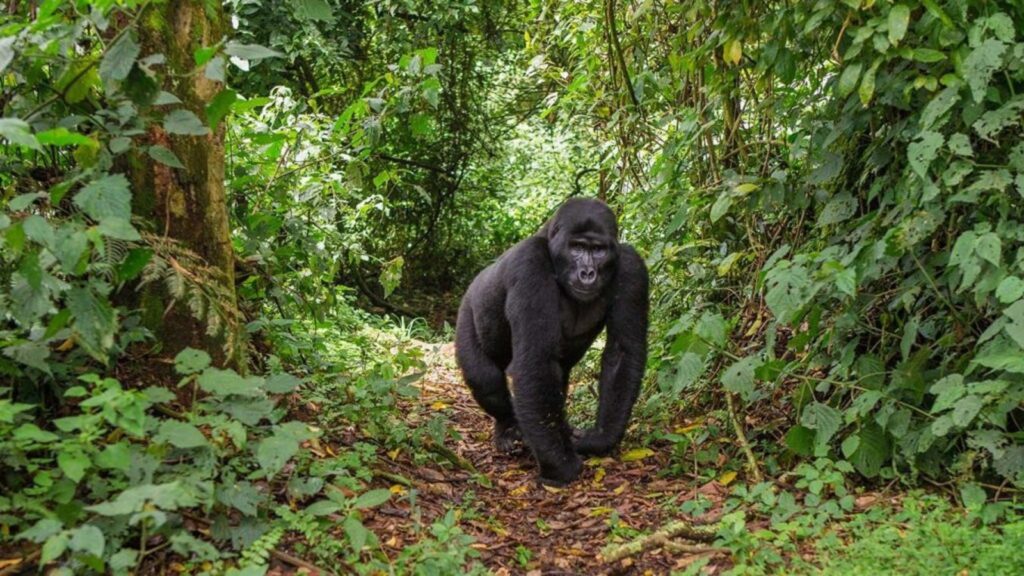
A silverback leads and protects a gorilla family. His role extends beyond dominance. He decides where the group feeds, when it moves, and how it responds to danger. Females rely on him for safety, and young gorillas depend on him for stability.
This responsibility creates pressure. Any challenge to his authority threatens the safety and structure of the group. When another male tests this authority, conflict can emerge.
Competition for Leadership and Females
One of the main reasons silverbacks fight involves leadership disputes. Young adult males, known as blackbacks, eventually leave their birth groups. Over time, some return or form rival groups. When a mature male challenges an established silverback, tension rises quickly.
Females often follow the strongest and most confident leader. If a rival male shows strength and persistence, females may show interest. The dominant silverback responds by defending his position. Fights occur when neither male backs down after displays and vocal warnings.
Defending the Group from Rival Males
Silverbacks fight to protect their families from outside males. Lone males may attempt to take over a group by forcing the resident silverback to retreat. If successful, the new male may control access to females.
This situation carries serious consequences. A defeated silverback risks losing his group. The group itself faces instability. Because of this, silverbacks take threats seriously and may fight fiercely to maintain control and safety.
Protecting Infants from Harm
Infant protection drives some of the most intense silverback conflicts. When a new male takes over a group, infants fathered by the previous leader face danger. This behavior increases the female’s chance of reproducing again sooner.
The resident silverback understands this risk instinctively. He fights to prevent rival males from harming young gorillas. These fights serve as a defense of genetic legacy and group survival.
Establishing Dominance Through Displays Before Fighting
Silverbacks prefer to avoid physical combat. Fighting causes injuries that weaken leadership. Before any physical clash, silverbacks rely on dramatic displays.
These displays include chest beating, roaring, ground slapping, and charging. The goal involves intimidation rather than contact. In many cases, one male retreats after recognizing the strength of the other. Physical fights happen only when both males refuse to submit.
Territorial Pressure and Limited Space
Habitat pressure also increases conflict. As forests shrink and gorilla ranges overlap, encounters between groups become more frequent. Silverbacks defend feeding areas and travel routes that sustain their families.
When space becomes limited, tolerance drops. Even calm silverbacks respond aggressively when rivals threaten essential resources.
How Often Do Silverbacks Actually Fight?
Despite their size and power, serious fights remain uncommon. Most disputes end through displays rather than physical contact. When fights do occur, they tend to be brief but intense.
Scars on silverbacks tell stories of past conflicts. These marks often symbolize survival, leadership, and experience rather than constant aggression.
What These Fights Mean for Gorilla Conservation
Silverback fights reflect natural behavior, not violence caused by tourism. However, human pressure can increase stress within gorilla populations. Habitat loss and fragmentation force gorillas into closer contact, raising the risk of conflict.
Responsible tourism and conservation protect space and reduce stress. Stable habitats allow silverbacks to maintain territories without constant confrontation.
Plan Your Stay
Watching silverbacks in the wild offers a rare chance to observe leadership, protection, and communication firsthand. Gorilla trekking destinations in Uganda, Rwanda, and Congo follow strict rules that limit stress on gorilla families.
Visitors should follow guide instructions carefully, keep a respectful distance, and avoid sudden movements. Choosing responsible tour operators ensures encounters remain safe for both gorillas and people.
A well-planned visit supports conservation while allowing travelers to witness the strength and intelligence behind silverback behavior.