Which Is the Largest Gorilla Species?
Gorillas attract global attention because of their intelligence, complex social life, and sheer physical presence. Their size often surprises people who only know them from photographs or documentaries. In reality, body size varies widely among gorilla species, shaped by geography, food availability, and long-term adaptation to different forest environments.
Understanding which gorilla species grows the largest requires looking beyond names and into how each group lives in the wild.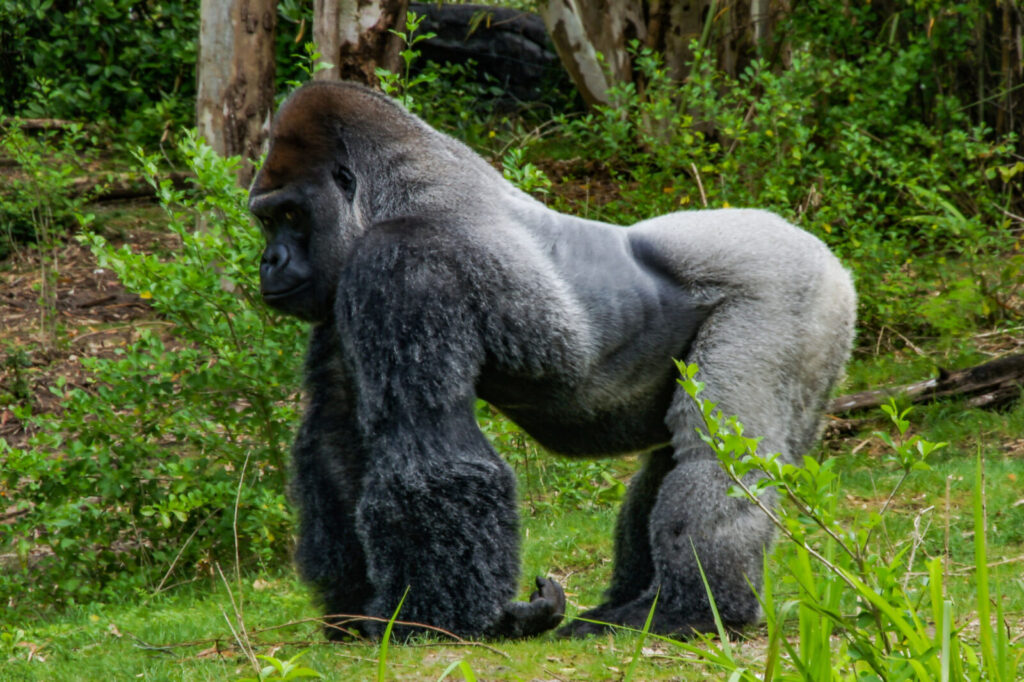
How Gorilla Species Are Classified
Gorilla classification follows clear genetic and geographic patterns. Over thousands of years, populations became separated by distance, terrain, and climate. This separation allowed distinct physical traits to develop.
Two major species exist today, each occupying different regions of Africa. Within these species, smaller subspecies formed, each adapting to its specific environment. These adaptations explain why some gorillas developed heavier bones and larger muscle mass, while others evolved lighter frames that favor movement and flexibility.
The Eastern Gorilla and Its Exceptional Body Size
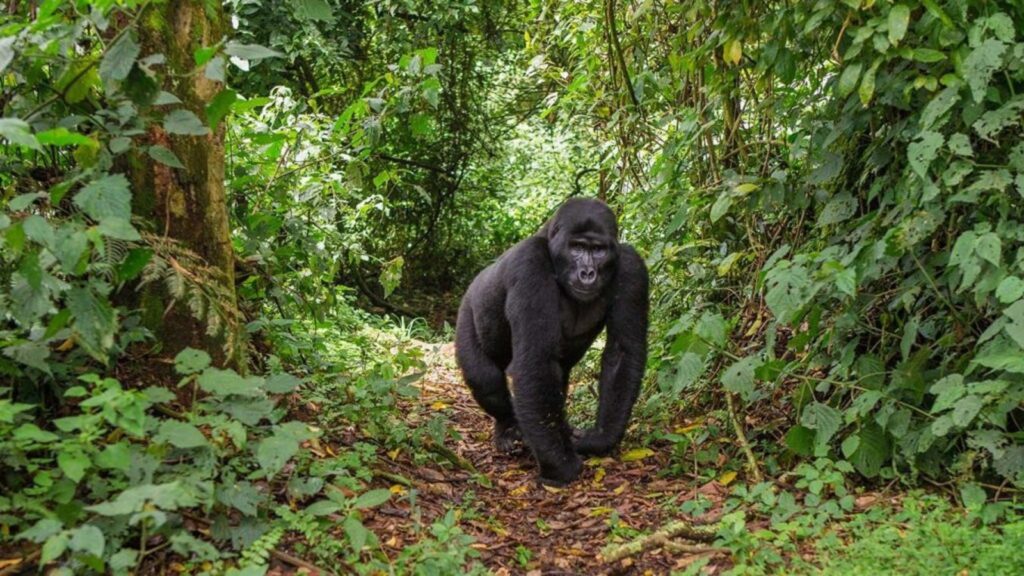
Eastern gorillas developed in landscapes where food sources remain abundant and competition within groups remains intense. Their bodies reflect this reality through broad chests, dense skeletal structure, and heavy muscle distribution.
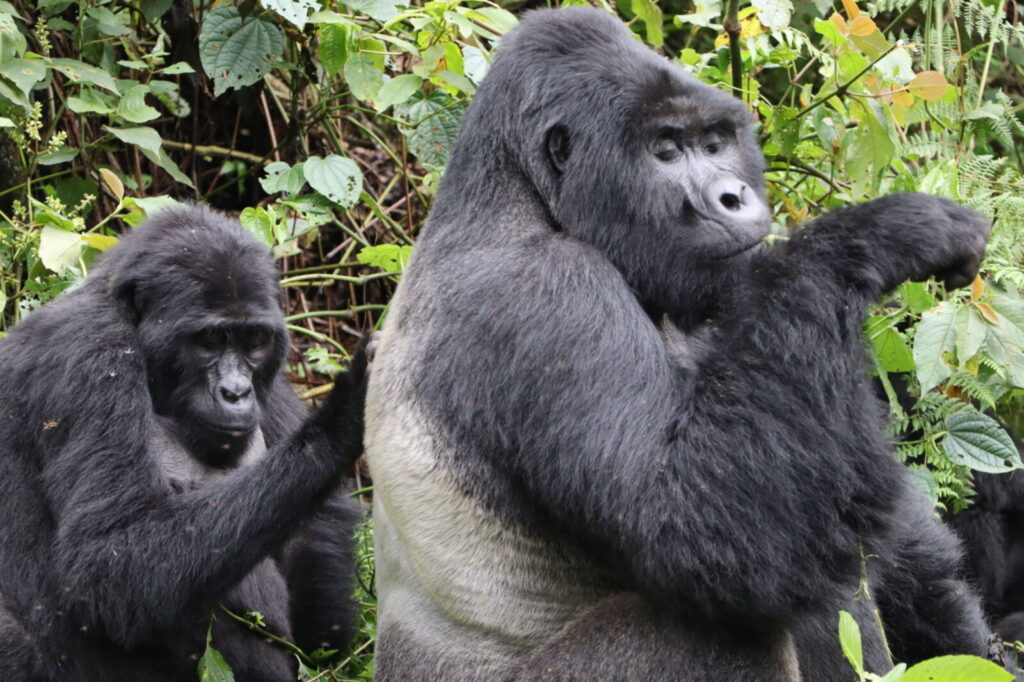
Adult males grow large shoulders and powerful arms that support dominance displays and group protection. Their digestive systems handle large quantities of fibrous vegetation, which supports continued growth over many years. These physical traits combine to produce the largest gorilla species found anywhere in the world today.
Grauer’s Gorilla and Why It Grows the Largest
Grauer’s gorillas evolved in lowland and montane forests where plant life grows year-round. This constant access to food allows individuals to gain significant body mass over time. Their diet includes leaves, stems, bark, and seasonal fruits, all consumed in large volumes.
The result appears in their overall build. Adult males develop long, thick limbs, wide skulls, and extremely powerful jaws. Their bodies look less compact than those of mountain gorillas but noticeably heavier. This combination places Grauer’s gorillas at the top in terms of total size and weight among all gorilla subspecies.
Mountain Gorillas and Their Powerful Build
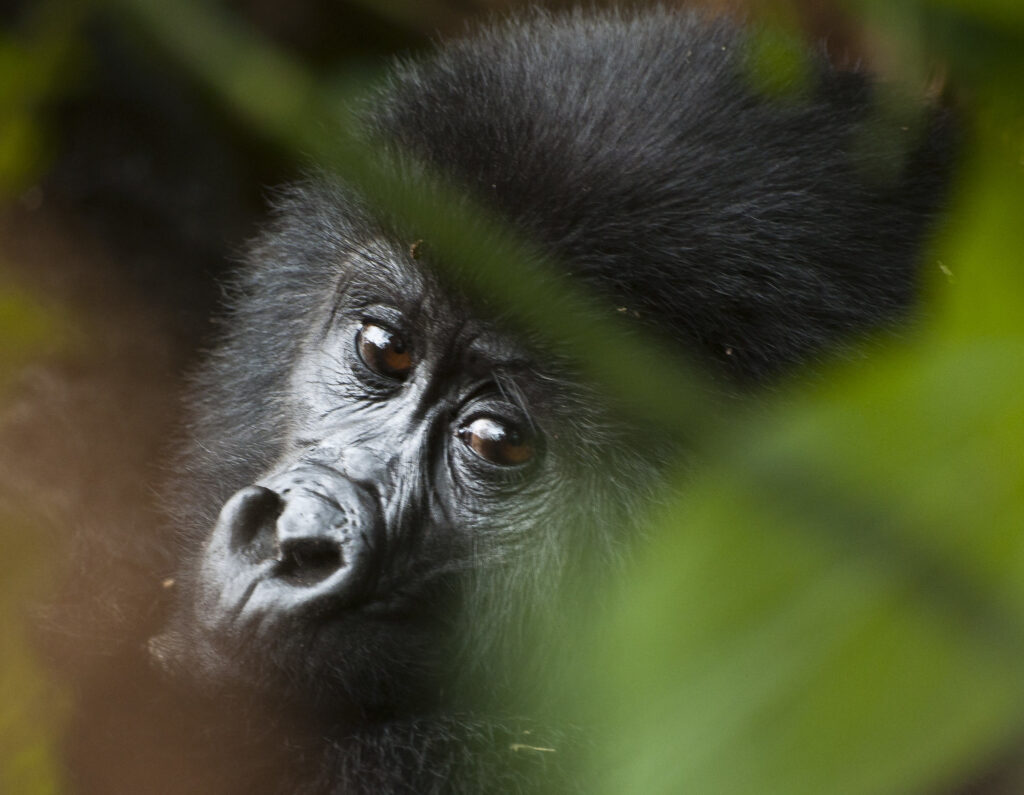
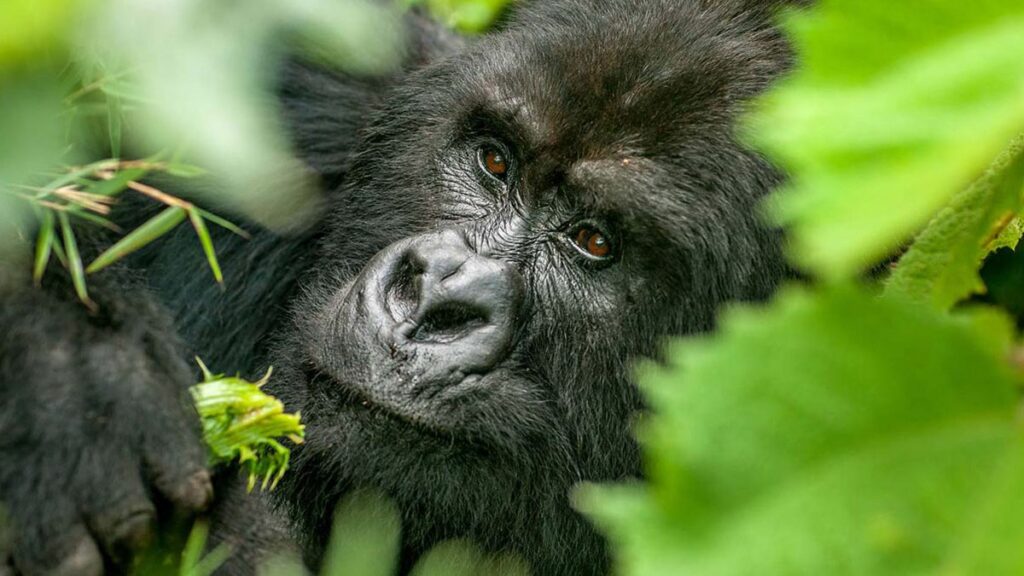
Life at high altitude places unique demands on mountain gorillas. Cold temperatures, steep terrain, and dense vegetation influence how their bodies develop. Thick fur protects them from low temperatures, while compact muscle structure helps conserve energy.
Their strength shows clearly during daily movement and social interactions. Adult males do not reach the same maximum weight as Grauer’s gorillas, yet their muscular build gives them immense power. This physical balance allows them to thrive in some of Africa’s most challenging forest environments.
Western Gorillas and Their Lighter Frame
Dense rainforest conditions shape how Western gorillas move and feed. Thick undergrowth, climbing opportunities, and longer travel distances favor a body structure that supports agility rather than extreme mass.
Their frames appear slimmer, with narrower faces and lighter bone structure. This build allows efficient movement through tangled vegetation while foraging across wide areas. Even with a lighter body, their strength remains remarkable, especially when climbing or breaking vegetation during feeding.
What Shapes Gorilla Size in the Wild
Environmental conditions play a major role in how gorilla bodies develop. Forest type, altitude, and food consistency influence muscle growth and overall mass. Lowland forests support larger bodies because food remains available throughout the year. Mountain environments reward compact strength and insulation.
Genetics reinforce these adaptations over generations. Isolated populations slowly develop physical traits that match their surroundings, resulting in the visible size differences seen among gorilla species today.
Why Gorilla Size Matters for Conservation
Large-bodied animals require stable habitats and reliable food sources. Habitat loss affects bigger gorillas more quickly because their daily needs remain high. Protecting them also protects entire ecosystems that support countless other species.
Wildlife tourism depends on healthy gorilla populations. Visitors who encounter these massive animals often leave with a deeper understanding of conservation and community-based protection efforts. This awareness supports long-term survival for gorillas and the forests they inhabit.
Plan Your Stay
Planning a visit to see gorillas in the wild involves more than choosing a destination. Eastern gorillas live mainly in Congo, Uganda, and Rwanda, each offering different trekking conditions and permit systems. Travel logistics, physical fitness, and time allocation all influence the quality of the experience.
Permits should be secured early, especially during peak seasons. Choosing experienced guides ensures safe treks and respectful encounters. Staying at lodges that support conservation and local communities strengthens protection efforts while enhancing the overall journey.
A well-planned stay creates a meaningful wildlife experience and directly contributes to the survival of the world’s largest gorilla species.