Chimpanzee Tracking in Kibale and Nyungwe National Parks
Chimpanzee tracking in Kibale and Nyungwe National Parks offers one of the most dynamic and intellectually engaging wildlife experiences in Africa. Unlike gorilla trekking, which often unfolds in quiet stillness, chimpanzee tracking feels fast, vocal, and unpredictable. These forests echo with sound, movement, and social energy, drawing you into a primate world shaped by intelligence, hierarchy, and constant interaction.
Both parks protect critical rainforest ecosystems and provide two distinct but complementary chimpanzee experiences.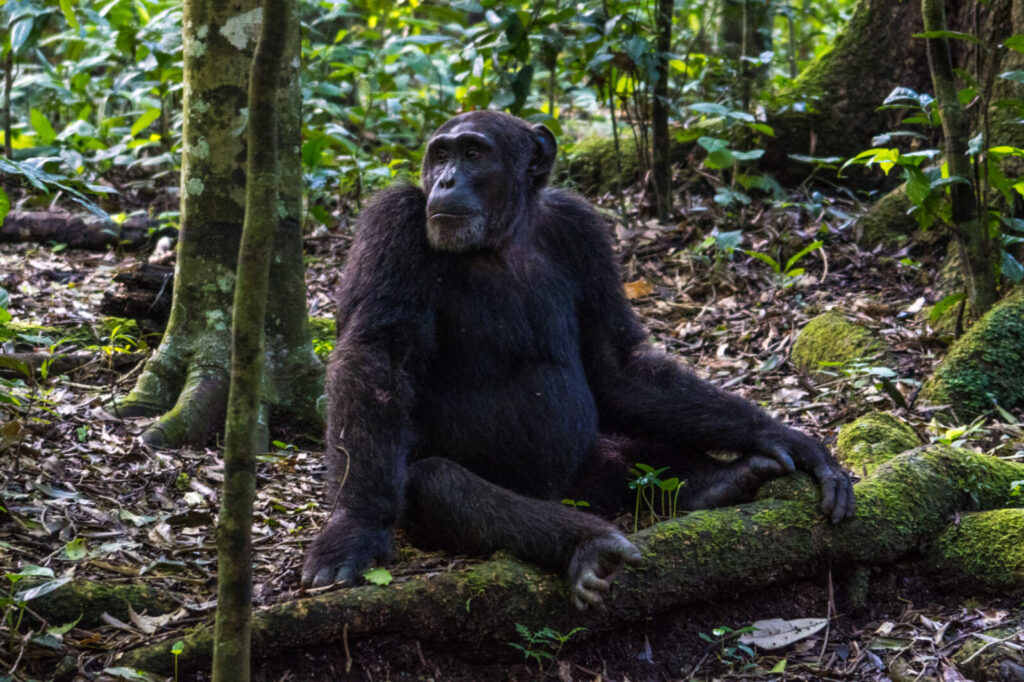
Understanding Chimpanzee Tracking as an Experience
Chimpanzees live in fluid social groups and cover wide territories. Tracking them requires alertness, patience, and flexibility. Rangers follow vocalizations, broken branches, and fresh feeding signs to locate the group.
Once found, the experience unfolds quickly. Chimps move through the forest canopy and along the ground, calling loudly, grooming, chasing, and asserting dominance. You do not observe from a fixed point. You move with the forest.
This sense of movement defines chimpanzee tracking and makes it deeply immersive.
Kibale National Park: The Primate Capital of Africa
Kibale National Park holds the highest concentration of primates in East Africa and remains the most reliable destination for chimpanzee tracking. The forest is dense but accessible, with well-established trail systems and experienced ranger teams.
Chimpanzee sightings here occur frequently, and encounters often last the full permitted hour. Chimps in Kibale display complex behavior at close range, offering insight into communication, cooperation, and social tension.
Kibale’s landscape, a mix of tall forest and open understory, allows clearer viewing than many other chimp habitats.
The Atmosphere of Tracking in Kibale
Tracking in Kibale feels energetic and grounded at the same time. Calls echo overhead. Leaves fall suddenly as chimps move through branches. Rangers communicate calmly as they adjust direction.
The forest feels alive and responsive. Every sound matters. This constant engagement keeps trackers alert and emotionally present.
Kibale offers an ideal introduction to chimpanzee behavior without overwhelming first-time trackers.
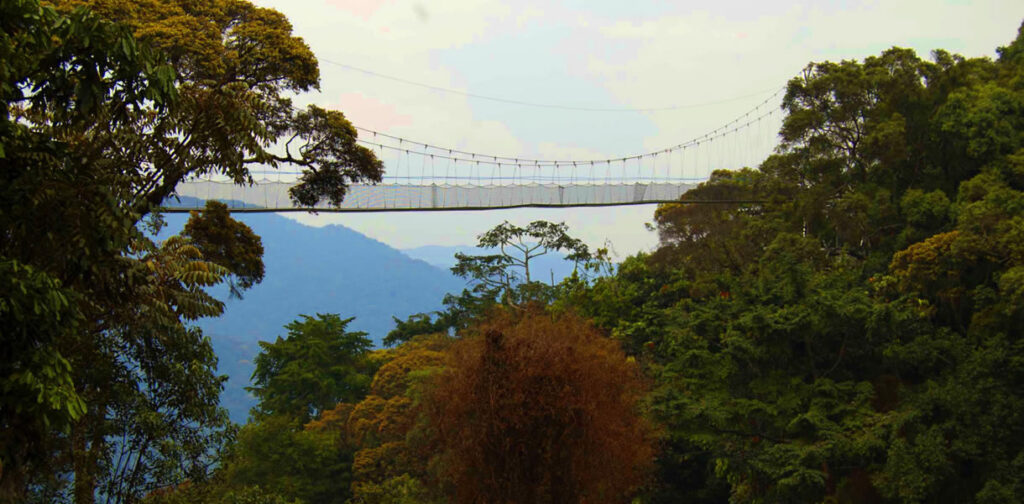
Nyungwe Forest National Park: Deep Rainforest Immersion
Nyungwe Forest National Park delivers a very different chimpanzee tracking experience. The forest here feels older, steeper, and more expansive. Tracking requires stronger fitness and greater patience, but rewards those who commit.
Chimpanzees in Nyungwe often remain higher in the canopy, moving rapidly through tall trees. Tracking may involve longer hikes and more elevation change, creating a sense of exploration rather than predictability.
Nyungwe suits travelers who value challenge, wilderness, and immersive rainforest environments.
Comparing Kibale and Nyungwe Experiences
Kibale offers consistency, accessibility, and frequent close-range encounters. Nyungwe offers depth, challenge, and dramatic forest scenery.
In Kibale, chimpanzees often remain visible for extended periods. In Nyungwe, sightings may feel fleeting but powerful, framed by ancient forest and steep terrain. Both experiences feel authentic. The difference lies in pace, landscape, and physical demand rather than quality.
The Behavior That Makes Chimpanzees Unique
Chimpanzees fascinate because they mirror human behavior so closely. They form alliances, resolve conflict, show empathy, and display clear social hierarchies.
During tracking, you may witness grooming rituals, dominance displays, playful juveniles, or tense confrontations between males. These moments unfold naturally, without performance or predictability.
Watching chimpanzees often feels like observing fragments of early human social evolution.
Conservation Importance of Chimpanzee Tracking
Chimpanzee tracking supports rainforest protection through tourism revenue, research funding, and ranger employment. Both Kibale and Nyungwe rely on tracking permits to fund patrols, habitat monitoring, and conservation education.
By valuing living chimpanzees, tourism reduces pressure on forests threatened by agriculture and logging. Communities surrounding these parks benefit directly through employment and development projects. Tracking protects both species and ecosystems.
Best Time for Chimpanzee Tracking
Tracking occurs year-round in both parks. Drier months offer easier hiking conditions, while wetter periods bring lush forest growth and fewer visitors.
Chimpanzee behavior changes with fruiting seasons, influencing movement patterns. Rangers adjust tracking strategies accordingly.
Regardless of season, encounters remain genuine and rewarding.
Who Chimpanzee Tracking Is Best For
Chimpanzee tracking suits travelers who enjoy active exploration, learning, and unpredictability. It works well for those interested in primate behavior, ecology, and conservation.
Good fitness helps, especially in Nyungwe. Curiosity and patience matter more than speed. This experience rewards engagement rather than expectation.
Plan Your Safari
Planning a chimpanzee tracking safari requires thoughtful timing and realistic expectations. Choosing the right park based on fitness level, travel pace, and interests ensures a more meaningful experience. Securing permits early, allowing extra time in each forest, and combining tracking with guided nature walks or cultural visits deepens understanding of these ecosystems. A well-planned safari allows you to focus less on logistics and more on the experience itself—following sound, movement, and instinct through some of Africa’s most important rainforests.