How Gorilla Tourism Supports Conservation in East & Central Africa
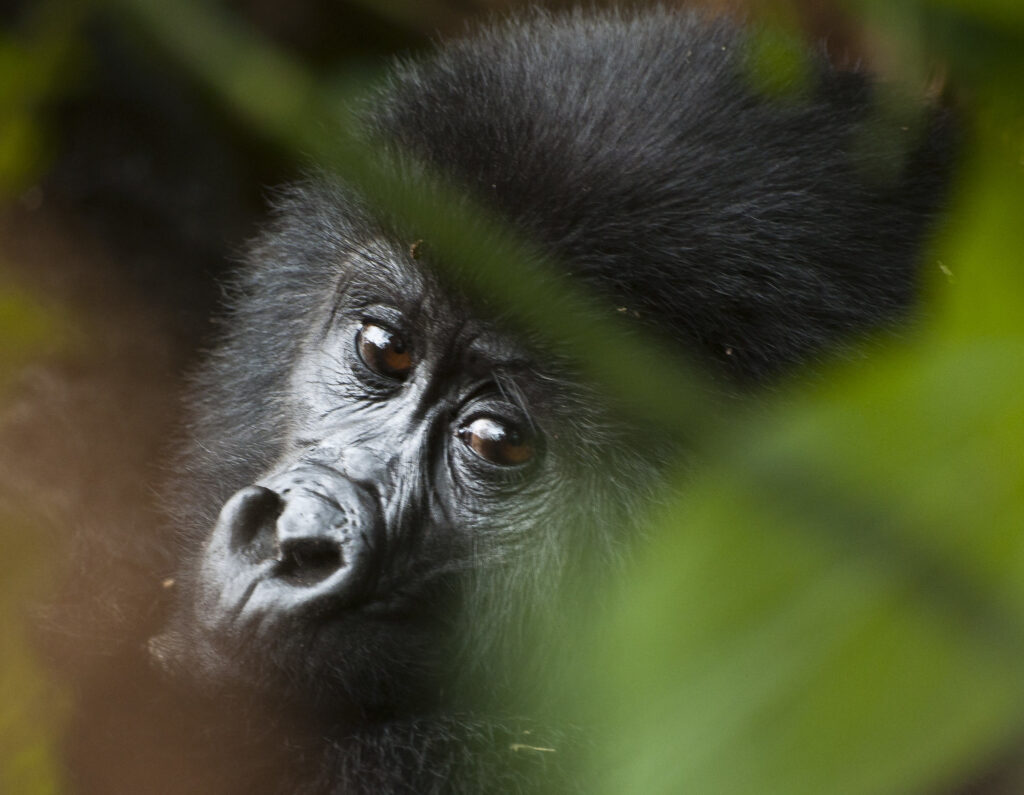
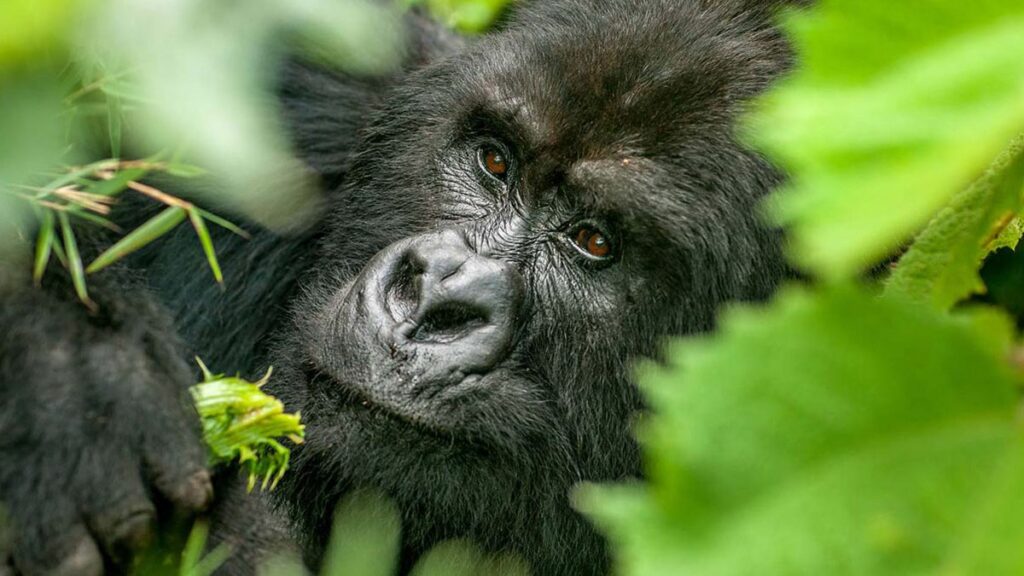
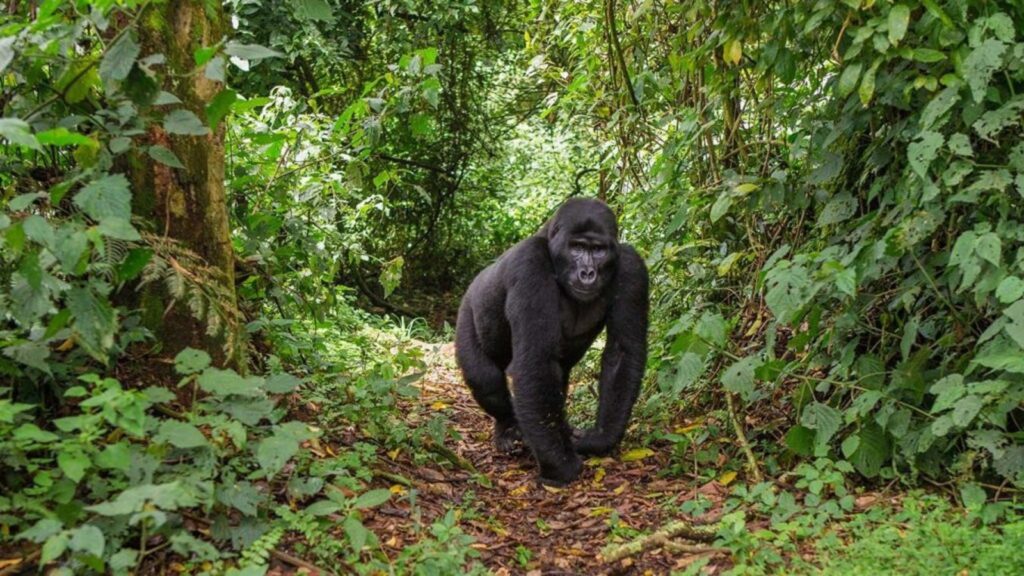
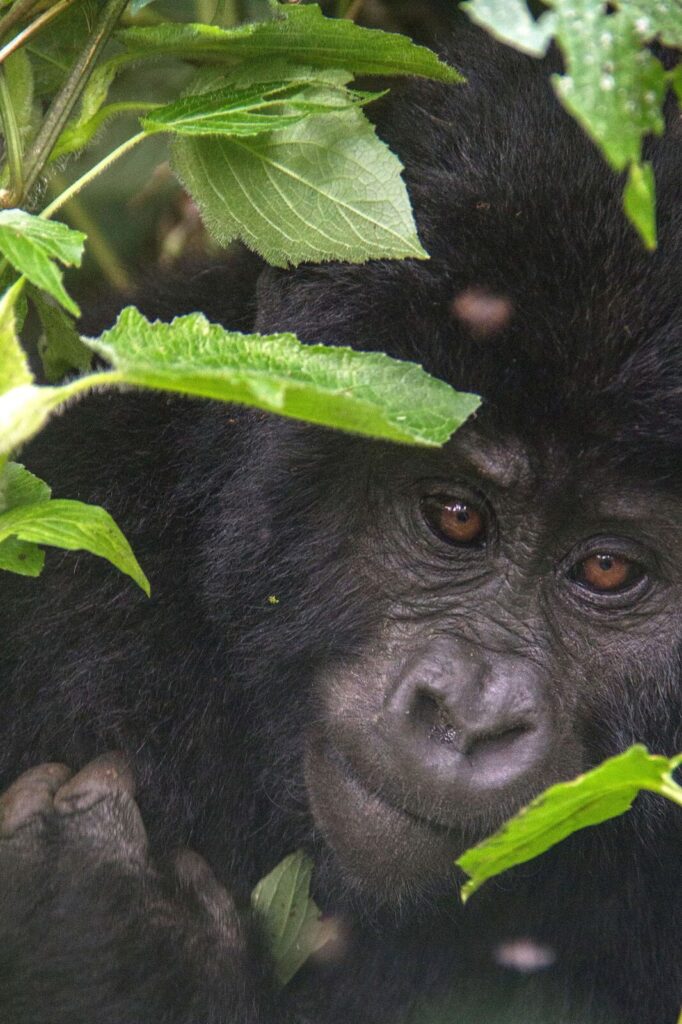
Gorilla tourism stands among the most effective conservation models in Africa today. In East and Central Africa, carefully managed tourism has transformed mountain gorillas from a critically endangered species into one with a cautiously growing population. This success did not happen by chance. It resulted from deliberate policies that link wildlife protection directly to community livelihoods, national conservation funding, and long-term habitat preservation.
In regions where people and gorillas share fragile landscapes, tourism has become the bridge that allows both to survive.
Gorilla Tourism as a Conservation Tool
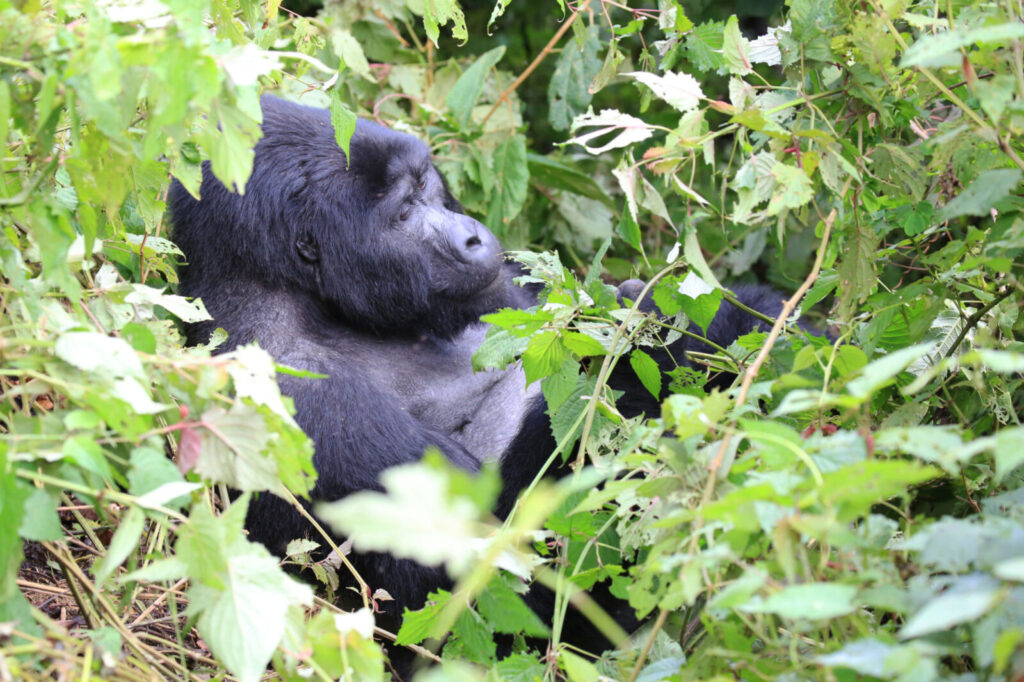
Gorilla tourism operates on a simple but powerful principle: wildlife must have tangible value to the people living alongside it. By limiting visitor numbers and charging high-value permit fees, governments ensure that gorilla encounters remain low-impact while generating substantial conservation revenue.
This model prioritizes quality over quantity. Small trekking groups reduce stress on gorillas, protect forest ecosystems, and maintain the integrity of each encounter. At the same time, tourism income creates a financial incentive to keep gorillas alive and their habitats intact.
Conservation shifts from enforcement alone to shared responsibility.
Funding Protected Areas and Ranger Programs
Revenue from gorilla permits plays a critical role in funding national parks such as Bwindi Impenetrable National Park, Volcanoes National Park, and Virunga National Park. These funds support ranger salaries, patrol operations, equipment, and ongoing monitoring of gorilla families.
Rangers act as the frontline of conservation. They track gorilla movements, deter poaching, and respond to health threats such as disease transmission from humans. Tourism revenue ensures that ranger programs remain professional, well-trained, and motivated.
Without tourism, many of these protected areas would struggle to survive.
Supporting Local Communities Around Gorilla Parks
Conservation succeeds only when local communities benefit. Gorilla tourism directly supports villages surrounding protected areas through employment, revenue-sharing programs, and community enterprises.
Local residents work as guides, porters, lodge staff, trackers, drivers, and artisans. Income from these roles pays school fees, improves healthcare access, and reduces reliance on forest resources. When families see tangible benefits from tourism, they become active partners in protecting gorillas rather than passive observers.
This relationship transforms conservation from restriction into opportunity.
Community Projects Funded by Gorilla Tourism
Across East and Central Africa, tourism revenue funds community projects that improve quality of life. Schools, clinics, water systems, and roads receive support through formal revenue-sharing schemes linked to park income.
In areas surrounding Bwindi and Mgahinga, community tourism initiatives such as cultural trails and village visits provide additional income streams. These projects preserve cultural heritage while reinforcing conservation goals.
When communities feel invested, conservation gains long-term stability.
Reducing Poaching and Habitat Loss
Before tourism, gorilla habitats faced constant pressure from poaching, logging, and agricultural expansion. Gorilla tourism changed that dynamic by increasing the perceived value of living gorillas.
Communities now report illegal activities rather than participate in them. Former poachers find alternative livelihoods within tourism and conservation programs. Forests gain protection because they support income, not because they are fenced off.
Tourism turns protection into shared interest.
Conservation Beyond Borders
Gorilla conservation does not follow political boundaries. The Virunga Massif spans Uganda, Rwanda, and the Democratic Republic of Congo, requiring regional cooperation.
Tourism strengthens this collaboration. Shared research, coordinated ranger patrols, and cross-border monitoring efforts protect gorillas across their entire range. Success in one country supports conservation in neighboring regions.
This transboundary approach has become a global conservation model.
Health Monitoring and Research Through Tourism
Tourism supports scientific research and veterinary programs that monitor gorilla health. Rangers and trackers collect daily data on behavior, movement, and signs of illness.
Veterinary interventions, when necessary, save individual gorillas and protect entire families. These programs depend heavily on tourism funding and international partnerships. Healthy gorillas mean stable populations and stronger ecosystems.
Why Gorilla Tourism Must Remain Regulated
The success of gorilla tourism depends on strict regulation. Visitor limits, trekking rules, minimum distance requirements, and health screenings protect gorillas from stress and disease.
Relaxing these standards would undermine decades of conservation progress. Responsible tourism prioritizes long-term survival over short-term profit. Sustainable success requires discipline.
The Role of Travelers in Conservation
Every traveler plays a role in conservation outcomes. Choosing licensed operators, following trekking rules, and respecting ranger guidance directly protects gorillas.
Responsible behavior reduces environmental impact and supports ethical tourism practices. Visitors become contributors to conservation rather than passive consumers of experience. Awareness strengthens protection.
Long-Term Impact of Gorilla Tourism
The recovery of mountain gorilla populations stands as one of conservation’s rare success stories. Tourism funding, community engagement, and regional cooperation continue to drive this progress.
Challenges remain, including population pressure, climate change, and political instability in some regions. Yet the foundation built through tourism provides resilience.Gorilla tourism proves that conservation can work when people benefit alongside wildlife.
Plan Your Safari
Planning a gorilla safari is more than arranging permits and accommodation. It is a choice to support a conservation system that protects wildlife, empowers communities, and preserves critical ecosystems. Booking early, traveling with experienced operators, and allowing time to engage with local communities all strengthen the positive impact of your journey. A well-planned safari ensures that your presence contributes directly to conservation while offering a deeper, more meaningful experience in some of Africa’s most important landscapes.