Lake Kivu & Local Life
Lake Kivu does not announce itself with spectacle. It reveals itself slowly, through routine, rhythm, and quiet human connection. After the intensity of gorilla trekking and forest travel, arriving at Lake Kivu feels like exhaling. The pace softens. Voices lower. Life stretches out along the water. This is not a destination you rush through. It is a place you settle into.
A Lake Shaped by People, Not Just Scenery
Lake Kivu lies along Rwanda’s western border, framed by steep green hills and small lakeside towns. The lake looks calm, almost still, but it supports thousands of lives every single day.
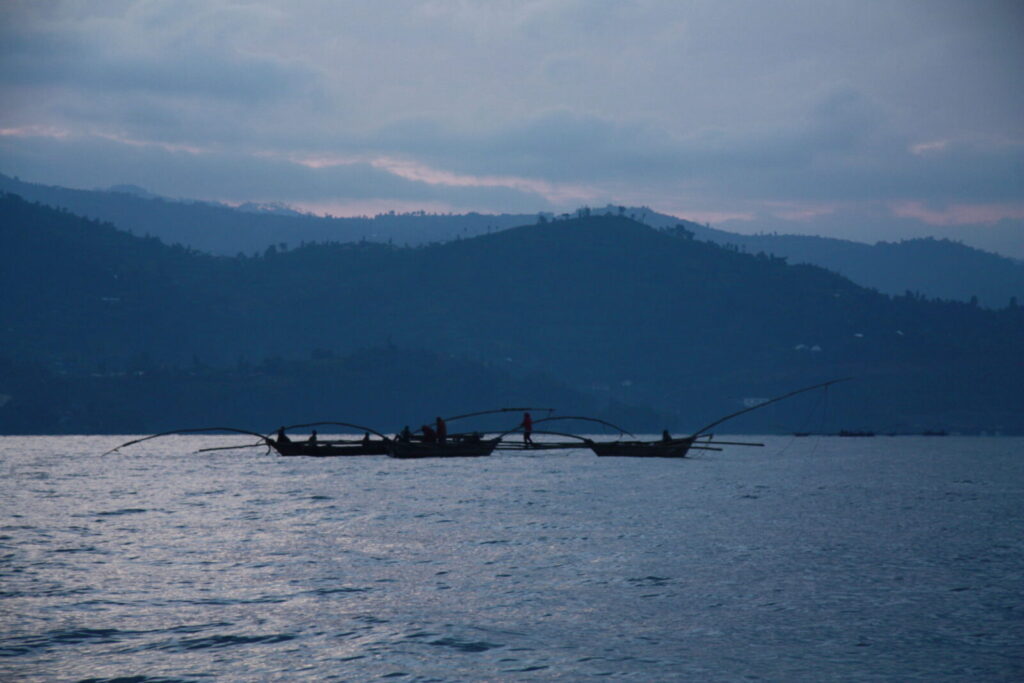
For communities here, Lake Kivu is not a backdrop. It is food, income, transport, and identity. Fishing boats leave before sunrise. Markets form as the boats return. Children grow up knowing the water as naturally as the land.
You feel this immediately. The lake is lived in, not looked at.
Morning on the Water
Early mornings reveal Lake Kivu at its most honest. Fishermen return from night fishing in long wooden boats, often singing in rhythm as they paddle toward shore. Nets come up heavy with isambaza, the small sardine-like fish that sustains the local economy.
Women wait along the shoreline. Fish are sorted, cleaned, and prepared for market. Smoke rises from simple cooking fires. The day begins without urgency, but with purpose.
As a visitor, standing quietly and watching this routine feels like being allowed into something private and real.
Life in the Lakeside Towns
Towns such as Gisenyi and Kibuye (Karongi) carry the social heartbeat of the lake. These are not resort towns built for tourists. They are working towns that happen to welcome visitors.
Markets buzz with conversation. Small cafés overlook the water. Motorbikes weave through narrow streets. Children play football near the shore.
Conversations happen easily here. People ask where you are from. They tell you about the weather, the fishing, the lake. There is curiosity, but no pressure.
Farming, Food, and Everyday Routine
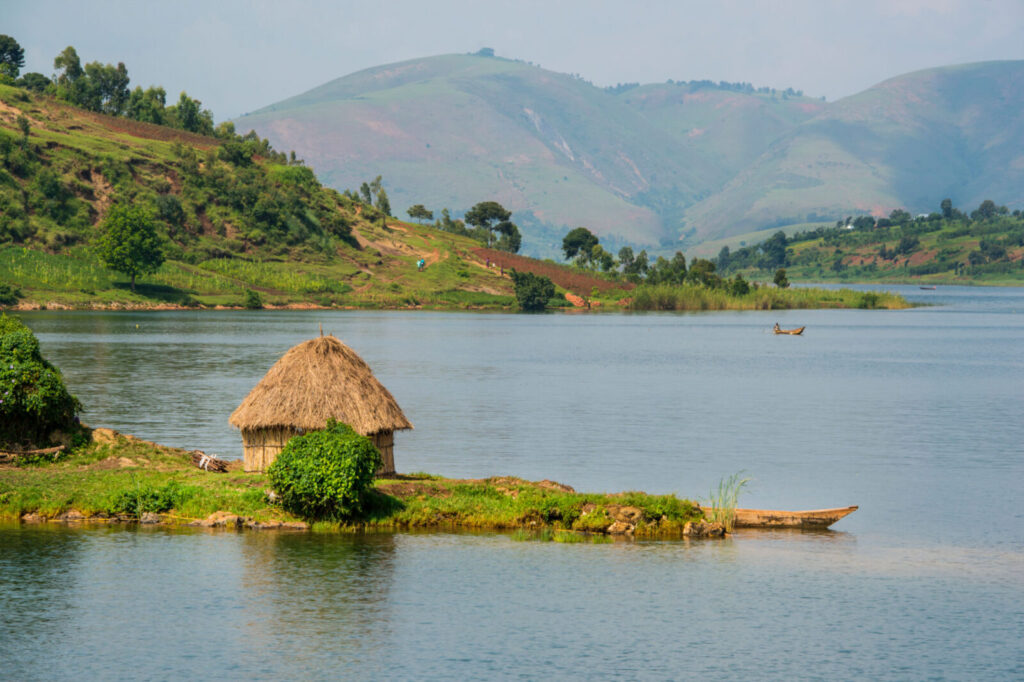
The hills above Lake Kivu hold terraced farms where bananas, cassava, beans, and vegetables grow. Many families balance farming with fishing, spreading risk and ensuring food security.
Meals reflect this balance. Fresh fish, plantains, simple stews, and local vegetables dominate. Food feels seasonal, practical, and honest.
Eating near the lake does not feel like dining out. It feels like sharing in local rhythm.
Slow Movement, Deeper Connection
Lake Kivu rewards slow travel. Kayaking along the shoreline allows you to pass fishing boats, children swimming, and women washing clothes at the water’s edge. Nothing feels staged.
Walking or cycling along lakeside roads reveals daily life in fragments. A school bell rings. A radio plays music. Someone waves as you pass.
These moments do not demand attention. They invite it.
Culture Without Performance
What stands out around Lake Kivu is the absence of performance culture. Music, storytelling, and social gathering happen naturally, not for an audience.
In the evenings, people gather to talk, laugh, and sing. Drums appear during celebrations, not on schedules. Culture here lives because people live it, not because visitors expect it.
This makes every interaction feel grounded and sincere.
The Lake and Conservation Awareness
Communities around Lake Kivu understand the importance of balance. Overfishing, erosion, and water quality matter because they affect survival.
Local initiatives promote sustainable fishing practices and shoreline protection. Tourism supports this quietly. When visitors respect local life, spend locally, and move gently, the lake benefits.
Sustainability here is not a slogan. It is necessity.
Why Lake Kivu Completes a Gorilla Journey
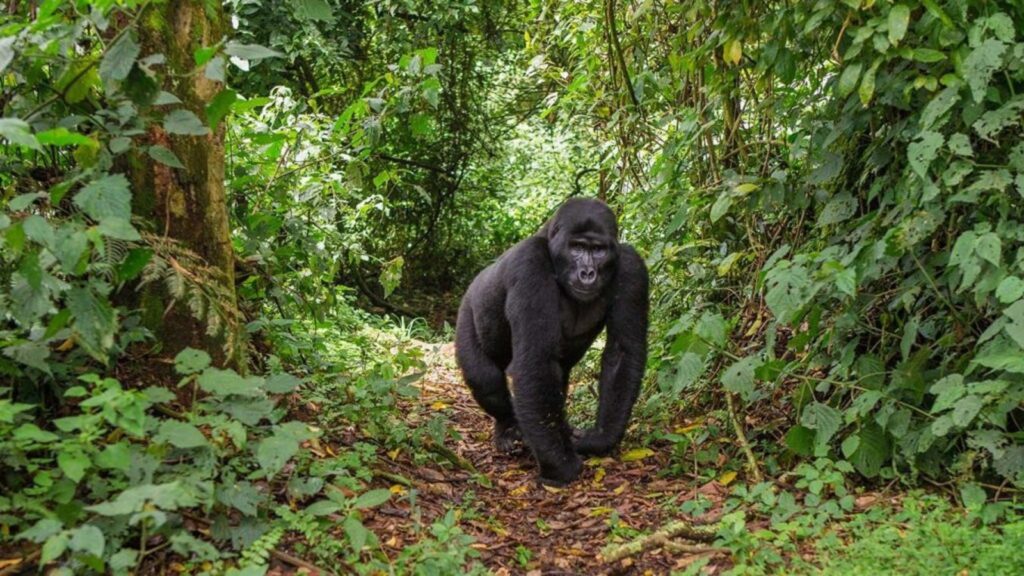
Many travelers come to Lake Kivu after visiting Volcanoes National Park. The contrast matters.
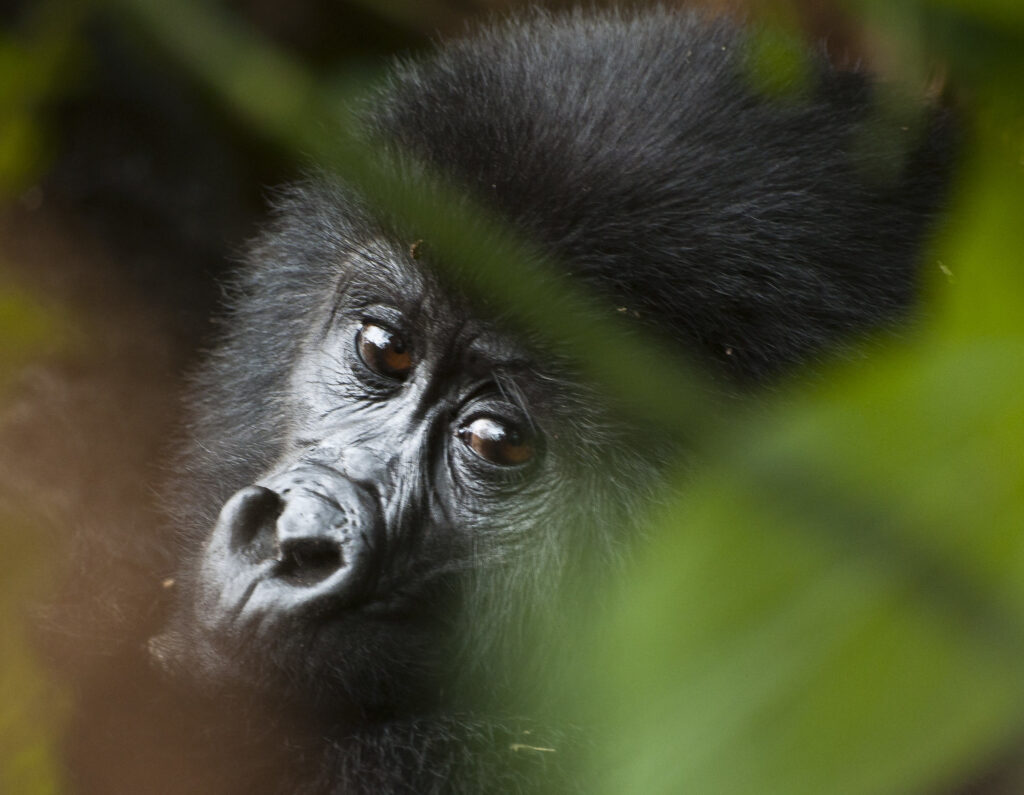
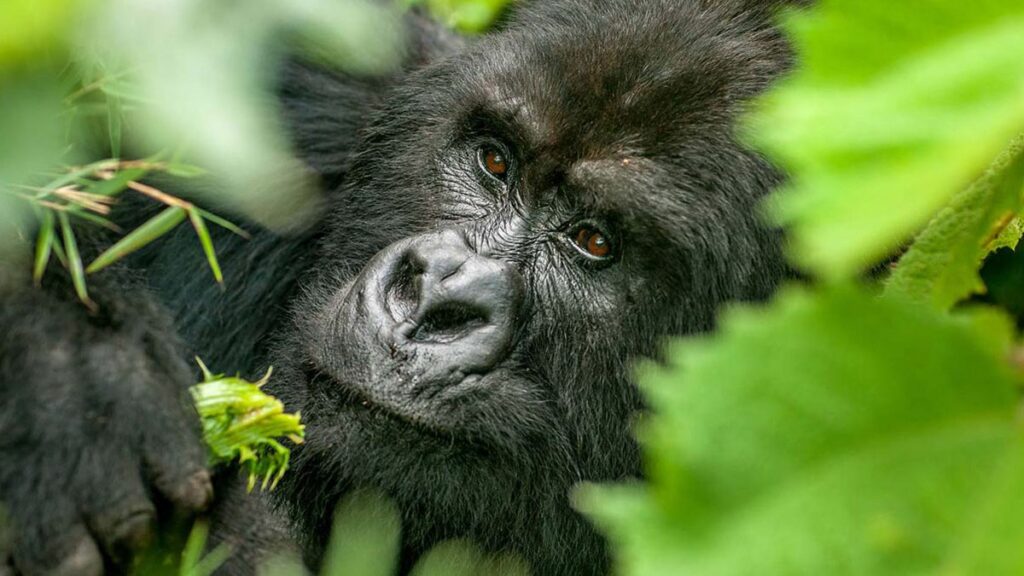
Gorilla trekking feels intense and emotional. Lake Kivu feels grounding and reflective. One experience heightens awareness. The other allows it to settle.
Together, they offer a fuller understanding of Rwanda—not just its wildlife, but its people.
How It Feels to Spend Time Here
Lake Kivu makes you less hurried. You start noticing small things. Light on the water. The rhythm of paddles. Conversations that wander.
You stop measuring time by activities and start measuring it by moments.
That shift stays with you long after you leave.
Final Reflection
Lake Kivu does not compete for attention. It earns it through quiet presence.
Local life unfolds without performance, shaped by water, work, and community. When you allow yourself to slow down here, you do not just see Rwanda. You feel it. Lake Kivu reminds you that travel does not always need highlights.