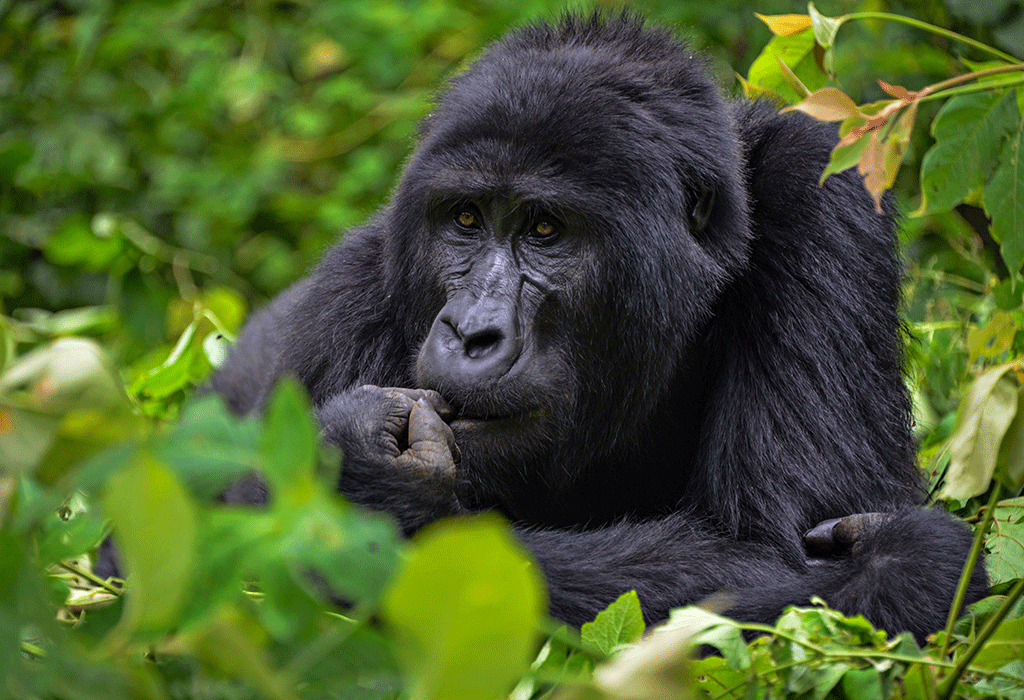
Community Tourism Success Stories in Bwindi and Mgahinga
Community tourism in Bwindi and Mgahinga did not emerge by accident. It grew out of necessity, tension, and gradual trust between people and protected forests. Today, these two gorilla regions stand as some of the strongest examples in Africa of how conservation works best when local communities are not pushed aside, but brought to the center.
Here, tourism does not only protect gorillas. It changes lives in visible, lasting ways.
Living Beside the Forest: Where It All Began
For decades, communities around Bwindi Impenetrable National Park and Mgahinga Gorilla National Park lived directly from the forest. People gathered firewood, hunted small game, and relied on forest resources to survive.
When these areas became national parks, access stopped almost overnight. Conservation protected wildlife, but it also removed livelihoods. Conflict followed. Trust took time.
Community tourism became the bridge.
Rather than viewing local people as threats, park authorities and partners began to see them as protectors, storytellers, and hosts. That shift changed everything.
Bwindi: When Tourism Reached the Household Level
In Bwindi, community tourism works because benefits reach ordinary families, not just businesses. Local people work as guides, porters, lodge staff, craft makers, and farmers supplying food to lodges.
Community-owned and community-partnered lodges created stable income where subsistence farming once dominated. Wages pay school fees. Tips cover medical bills. Reliable income reduces pressure on the forest.
What makes Bwindi stand out is scale. Tourism here supports entire villages, not isolated projects. People see tangible results: new classrooms, better roads, cleaner water sources.
Conservation stopped being something “done to them” and became something they actively defend.
Batwa Communities: From Margins to Voices
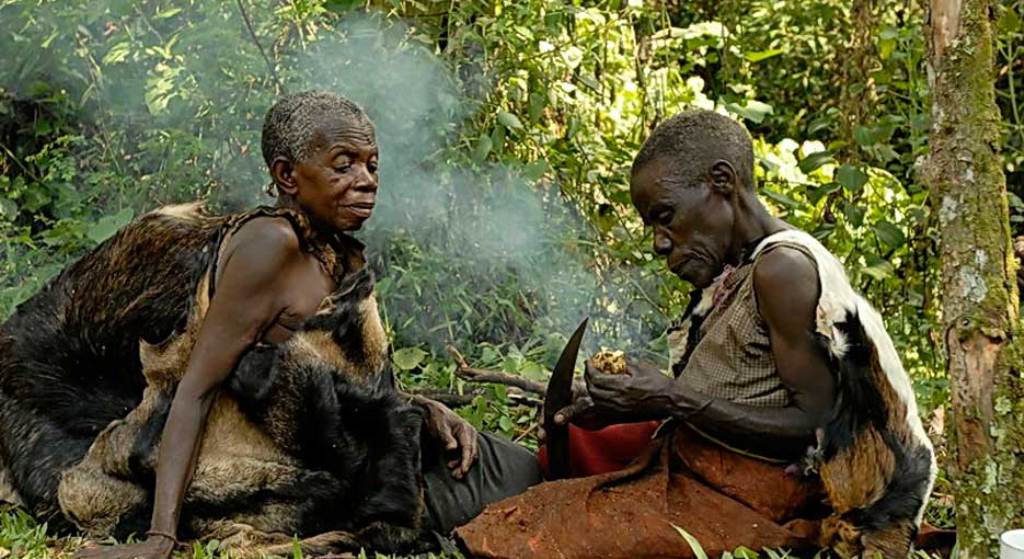
One of the most visible success stories in both Bwindi and Mgahinga involves the Batwa people. Once forest dwellers, the Batwa lost access to their ancestral land when the parks were created. For years, they remained marginalized.
Community tourism gave them a platform.
Through guided cultural experiences and storytelling initiatives, Batwa communities now share their history in their own words. Income from tourism supports housing, education, healthcare, and cultural preservation.
The change is not just economic. It is psychological. Pride has returned. Young Batwa grow up seeing their identity valued rather than erased.
Tourism did not solve everything, but it gave dignity back.
Mgahinga: Small Park, Deep Impact
Mgahinga is Uganda’s smallest gorilla park, but its community impact runs deep. With fewer visitors than Bwindi, every community initiative here carries weight.
The Batwa Trail in Mgahinga became a turning point. Instead of excluding Batwa voices from conservation, the park integrated them. Batwa guides now lead visitors through forest knowledge, survival skills, and oral history.
Beyond the trail, local residents work as porters, guides, and lodge staff. Craft groups sell baskets and carvings directly to visitors. Money circulates locally.
In a small park, even modest tourism numbers create noticeable change.
Women and Youth at the Center of Change
Community tourism has reshaped social roles in both regions. Women’s groups around Bwindi now run catering services, craft cooperatives, and agricultural supply projects linked to lodges.
Income has increased independence. Women contribute directly to household decisions. Education rates among children improve as fees become manageable.
Youth benefit through training programs tied to tourism. Guiding, hospitality, and conservation skills create alternatives to migration or forest exploitation.
Tourism becomes a future people can plan around.
Education, Health, and Shared Responsibility
Revenue-sharing programs linked to gorilla tourism fund schools and clinics across both regions. Classrooms rise where children once walked long distances. Clinics reduce maternal risk and treat preventable illness.
These improvements create loyalty to conservation. When families see schools and health centers tied directly to tourism, protecting gorillas becomes personal.
People report poaching. They discourage illegal logging. They cooperate with park authorities because conservation now protects their own future.
What Travelers Notice Immediately
Visitors often feel the difference without knowing why. Guides speak confidently. Interactions feel genuine. Cultural experiences feel grounded, not staged.
Travelers sense that communities are not tolerating tourism. They are shaping it.
Many describe community visits as highlights equal to gorilla trekking. Understanding who lives beside the forest deepens the wildlife experience rather than distracting from it.
Why These Stories Matter Beyond Uganda
Bwindi and Mgahinga prove a global lesson: conservation enforced without community benefit does not last. Conservation built with people endures.
These regions show that wildlife protection and human development are not opposing goals. They are interdependent.
Gorillas survive because people benefit. People benefit because gorillas survive.
The Future of Community Tourism in Bwindi and Mgahinga
Community tourism continues to evolve. New cooperatives form. Young leaders emerge. Partnerships strengthen.
Challenges remain, but trust is now rooted in shared success rather than imposed rules. That foundation gives conservation resilience.
Bwindi and Mgahinga no longer represent parks surrounded by conflict. They represent landscapes where people and wildlife move forward together.
Final Reflection
Community tourism success in Bwindi and Mgahinga is not measured in visitor numbers. It is measured in classrooms built, families supported, cultures preserved, and forests protected.
These stories remind us that the most powerful conservation tool is not fencing or force.