Iby’Iwacu Cultural Village
Iby Iwacu Village. This Village does not feel like a performance staged for visitors. It feels like a place where a community decided to tell its own story—openly, confidently, and on its own terms.
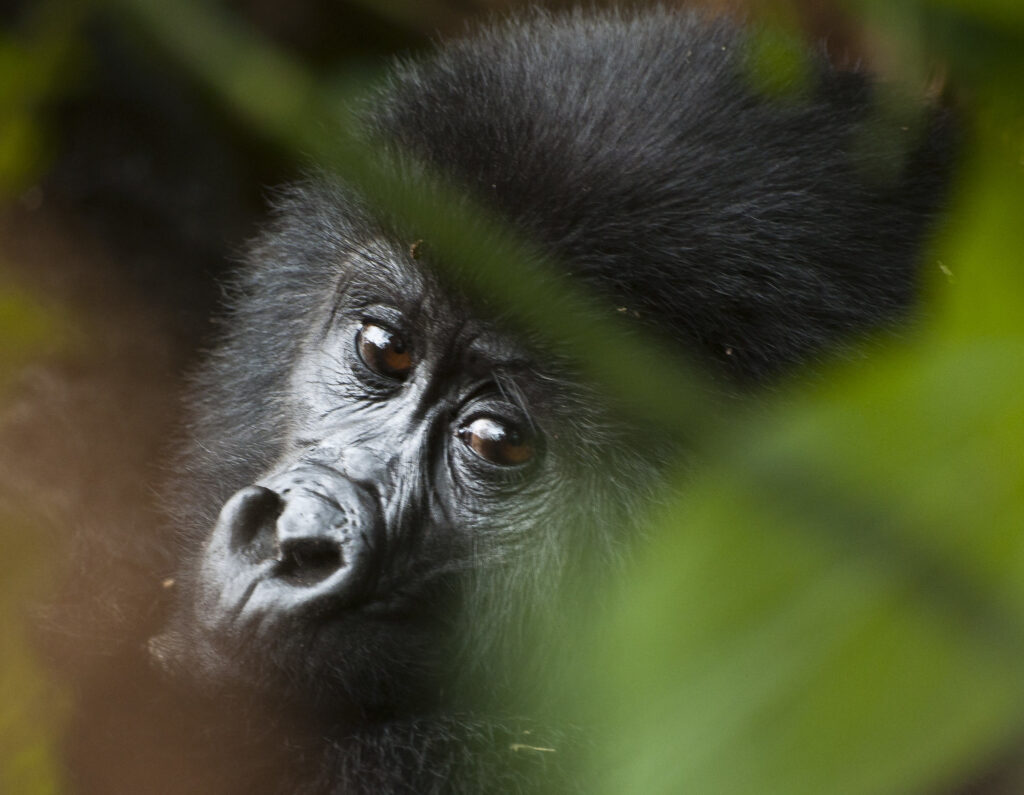
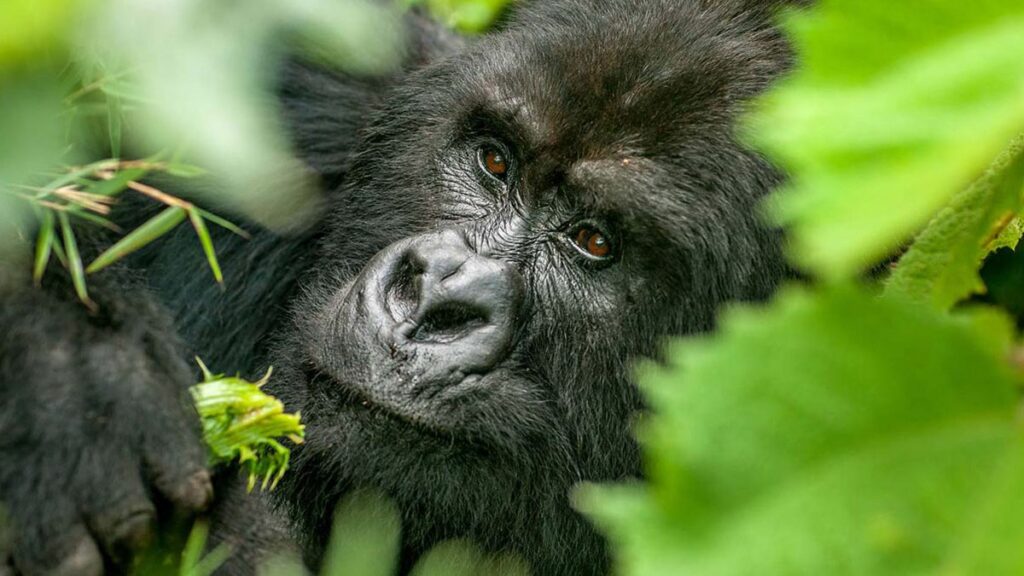
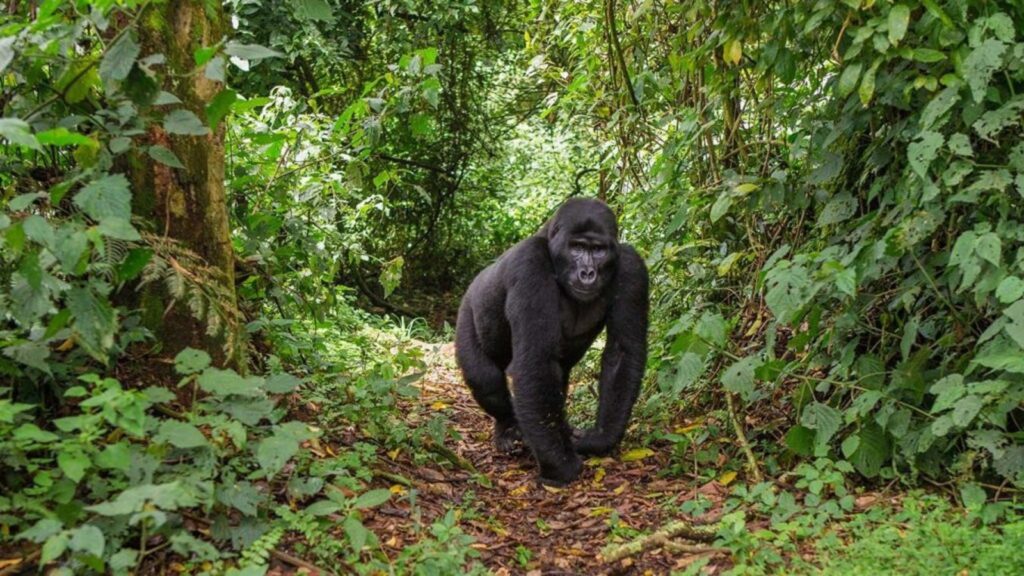
Set just outside Volcanoes National Park, near Musanze, the village offers a powerful counterpoint to gorilla trekking. Where the forest experience feels quiet and introspective, Iby’Iwacu feels vibrant, expressive, and deeply human. Together, they complete the story of conservation in Rwanda.
From Survival to Stewardship
The story of Iby’Iwacu begins with change. Many of the people you meet here once depended on the forest for survival. Some hunted illegally. Others collected resources inside what is now protected land. Conservation, while necessary, disrupted lives.
Iby’Iwacu emerged as a solution rooted in dignity rather than punishment.
Instead of excluding communities, the project invited them to become guardians of culture and conservation. Former poachers became performers, storytellers, guides, and artisans. The forest gained protectors. Families gained stability. Identity found a new voice.
That transformation shapes everything you experience here.
Arriving at the Village
The welcome feels immediate and warm. Songs rise as you enter. Smiles come easily. There is laughter, movement, and energy, but nothing feels forced.
A guide introduces the village and explains its purpose. From the start, the message is clear: this is not about reenacting the past for entertainment. It is about sharing culture as living knowledge.
You move through open spaces, traditional huts, and gathering areas. Each step brings a new story.
Music, Dance, and Expression
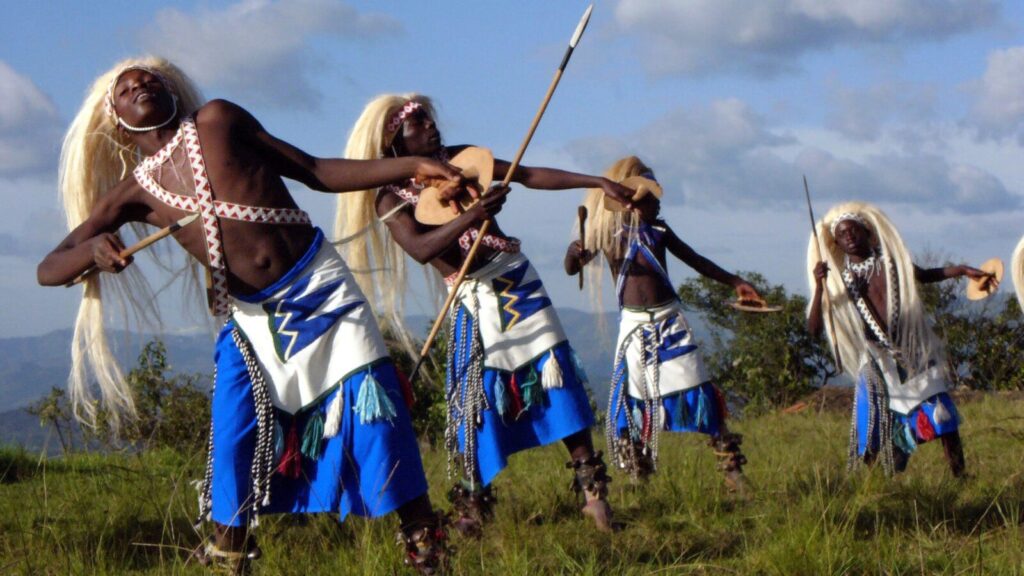
Dance and music form the heartbeat of Iby’Iwacu. Intore dancers perform with precision and pride, their movements sharp and expressive. Drums set a steady rhythm that feels both celebratory and grounded.
These performances communicate values—strength, unity, leadership, resilience. They are not meant to impress alone. They are meant to explain.
At times, visitors are invited to join. Participation feels lighthearted, not obligatory. Laughter bridges language and background effortlessly.
Daily Life and Cultural Practice
Beyond dance, the village reveals everyday traditions. You learn how food was prepared, how banana beer was brewed, and how traditional medicine relied on deep plant knowledge.
There is archery, storytelling, and explanation of social roles. One moment stands out for many visitors: the symbolic crowning ceremony. It offers insight into Rwanda’s traditional leadership structures and respect for elders, delivered with humor and meaning.
These activities ground culture in daily life, not history books.
Craft, Skill, and Pride
Artisans work openly within the village. Baskets, carvings, beadwork, and textiles reflect techniques passed down through generations.
Buying directly from makers feels different from shopping at a market. You understand what your purchase supports: school fees, healthcare, household income, and pride in skill.
Craft here is not decoration. It is livelihood.
Conservation Through Community
Iby’Iwacu stands as proof that conservation works best when people benefit directly. Tourism income supports families, education, and healthcare. More importantly, it changes relationships with the forest.
The community now protects the gorillas and the park because conservation sustains them. Former poachers speak openly about this shift, often with striking honesty.
This is conservation grounded in reality, not theory.
How the Experience Feels
Visitors often arrive expecting a cultural “stop.” They leave with perspective.
The experience feels uplifting without being simplistic. It acknowledges hardship without dwelling in it. It celebrates culture without freezing it in the past.
Iby’Iwacu leaves you with the sense that conservation is not only about saving wildlife. It is about giving people a future connected to that protection.
Visiting with Respect
Respect shapes the experience. Listening matters more than filming. Guides advise when photography fits and when presence matters more.
Questions are welcome. Comparison is not. Approaching the village with curiosity rather than judgment deepens every interaction.
Why Iby’Iwacu Belongs in a Gorilla Itinerary
Gorilla trekking shows you Rwanda’s commitment to wildlife. Iby’Iwacu shows you its commitment to people.
Together, they explain why conservation succeeds here.
The forest protects gorillas. The community protects the forest. Iby’Iwacu stands at that intersection—alive, resilient, and proud.
Final Reflection
Iby’Iwacu Cultural Village is not a cultural display. It is a conversation.
It reminds you that behind every protected landscape are people whose lives changed so wildlife could survive. When those people share in the benefits, conservation becomes sustainable.
You leave not just entertained, but informed—and quietly hopeful.