The Batwa Trail
The Batwa Trail is not an activity you “do” and move on from. It is an experience that asks you to slow down, listen carefully, and reconsider what conservation really means when people and forests share the same history.
Walking the Batwa Trail near Mgahinga Gorilla National Park feels like stepping into a living memory. This forest was once home to the Batwa people for generations. Long before borders, permits, or park gates existed, they lived entirely from the forest, guided by deep ecological knowledge rather than written rules.
Today, the trail allows that story to be told by the Batwa themselves.
Walking With the Original Forest Keepers
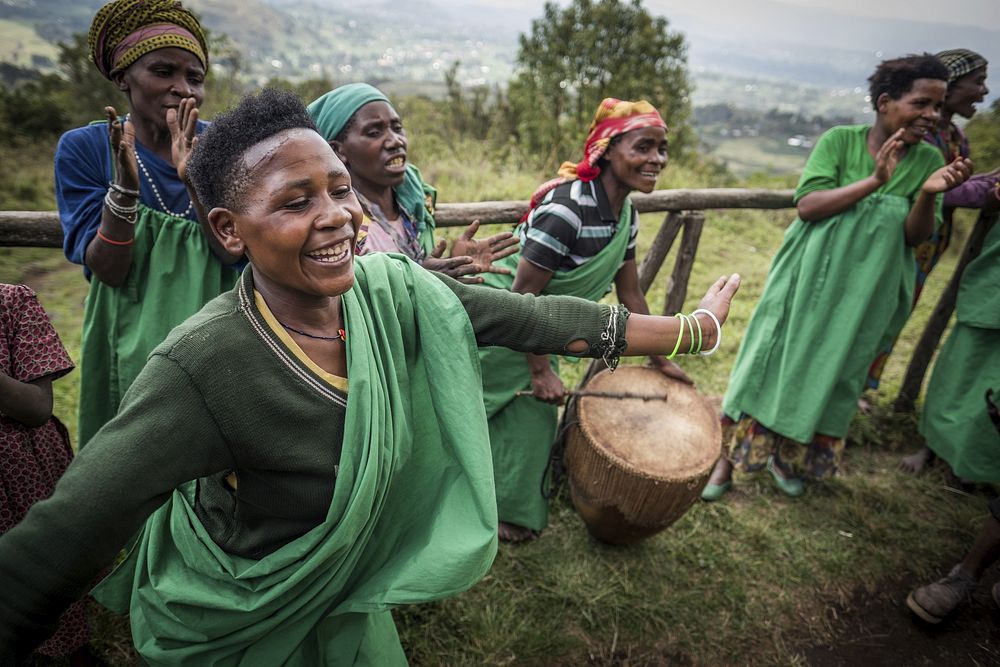
The experience begins quietly. There is no stage, no dramatic entrance. Batwa guides welcome you calmly, often with soft smiles and steady voices. From the first steps, it becomes clear that this walk is about understanding rather than performance.
As you move along forest paths, the guides explain how life once worked here. Where food came from. How honey was harvested. How medicinal plants treated illness long before clinics existed. Their explanations feel natural, spoken from lived experience rather than rehearsed narration.
The forest stops being scenery. It becomes a source of survival, memory, and identity.
Life in the Forest: Skills, Survival, and Knowledge
Along the trail, Batwa guides demonstrate traditional skills that once sustained entire families. You see how simple tools were made and used. How fire was created and protected. How hunting and gathering followed strict knowledge of seasons and animal behavior.
These demonstrations do not glorify hardship. They explain balance. Nothing was taken without purpose. Nothing was wasted.
Standing there, it becomes clear that conservation did not begin with national parks. It existed long before, practiced quietly through respect and restraint.
The Cave: Understanding Home, Not Shelter
One of the most powerful moments on the Batwa Trail comes when you visit a forest cave. This was not a temporary hideout. It was home.
Inside, guides explain how families lived together, cooked, slept, and raised children in these spaces. The cave tells a story of adaptation rather than deprivation. Life here relied on cooperation, shared responsibility, and intimate knowledge of the forest.
Many visitors fall silent at this point. The realization settles slowly: conservation success today came at the cost of displacement for people who once belonged entirely to this place.
Storytelling, Music, and Memory
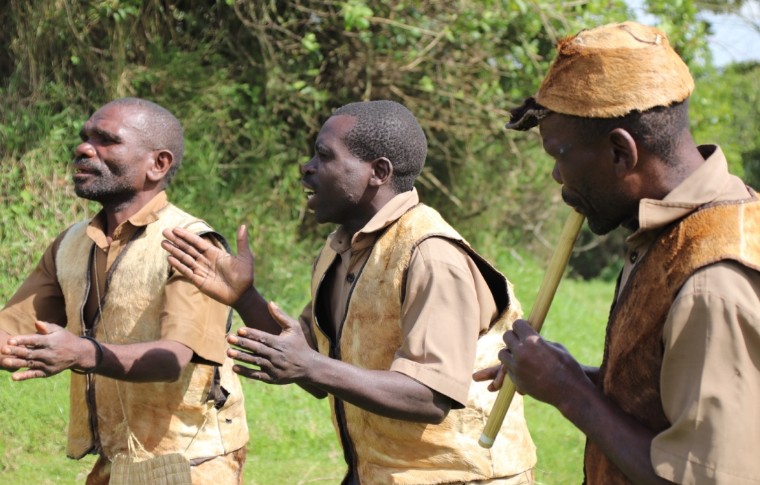
The walk often ends with music and storytelling. Batwa songs carry rhythm and emotion rather than spectacle. Drumming, dance, and voices echo stories of ancestors, forest spirits, and daily life.
This moment does not feel staged. It feels like remembrance.
You may feel joy, sadness, and admiration all at once. The Batwa do not ask for pity. They ask to be seen, heard, and respected.
Why the Batwa Trail Truly Matters
The Batwa Trail exists because conservation alone is not enough. Wildlife protection must include people to succeed.
Through this experience, Batwa communities earn income, rebuild cultural pride, and pass knowledge to younger generations. Tourism supports education, healthcare, and skills training while preserving identity.
For travelers, the trail reframes gorilla tourism. It adds human depth to the forest experience. It reminds you that conservation carries history, consequences, and responsibility.
How This Experience Feels as a Visitor
Most visitors arrive curious. They leave reflective.
The Batwa Trail does not overwhelm with facts. It stays with you because it feels honest. You walk away understanding that true responsible travel is not about observing culture, but respecting it.
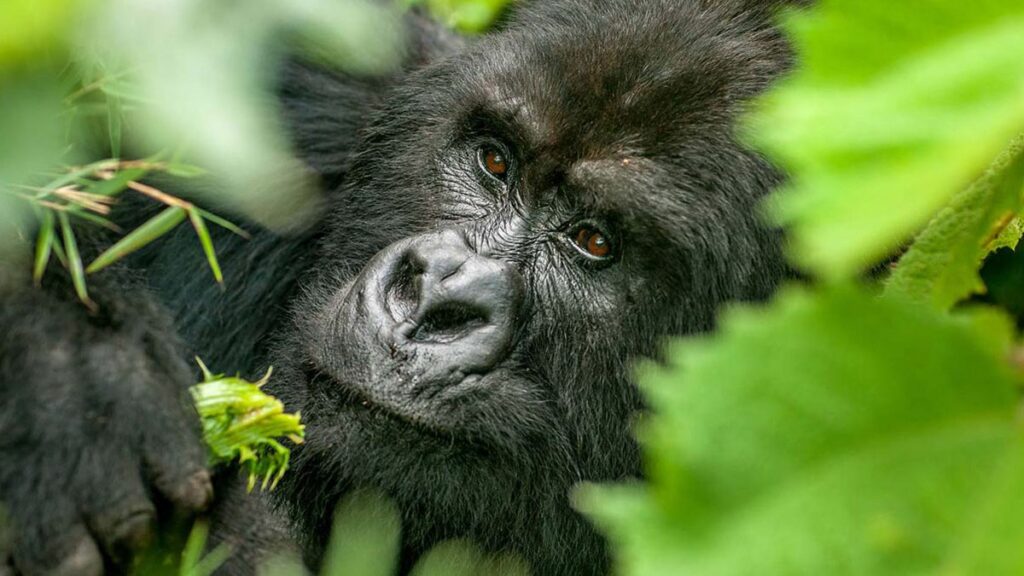
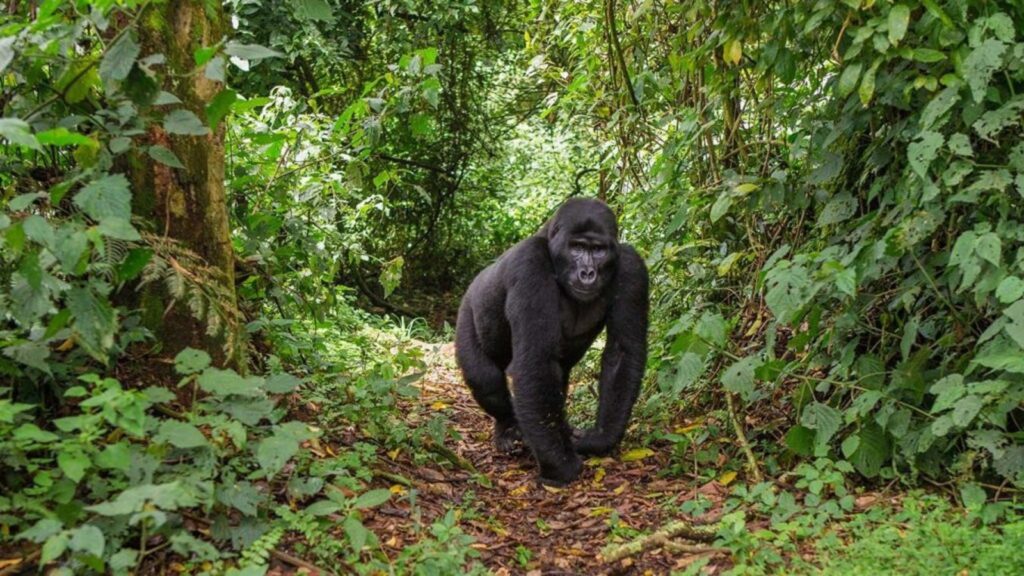
This experience balances gorilla trekking perfectly. Gorillas show you the power of protection. The Batwa Trail shows you the cost—and the resilience that followed.
Visiting the Batwa Trail Respectfully
Listening matters more than photographing. Questions should come from curiosity, not comparison. Guides often advise when photos are appropriate.
Supporting Batwa crafts and community initiatives helps sustain the program without creating dependency. Respect, more than money, defines a meaningful visit.
Final Reflection
The Batwa Trail is not entertainment. It is testimony.
It teaches that forests remember people just as people remember forests. Conservation succeeds best when those stories are allowed to coexist.
If gorilla trekking shows you why forests must be protected, the Batwa Trail shows you who lived there first—and why their voices still matter.