Cultural Etiquette for Travelers Visiting Gorilla Regions
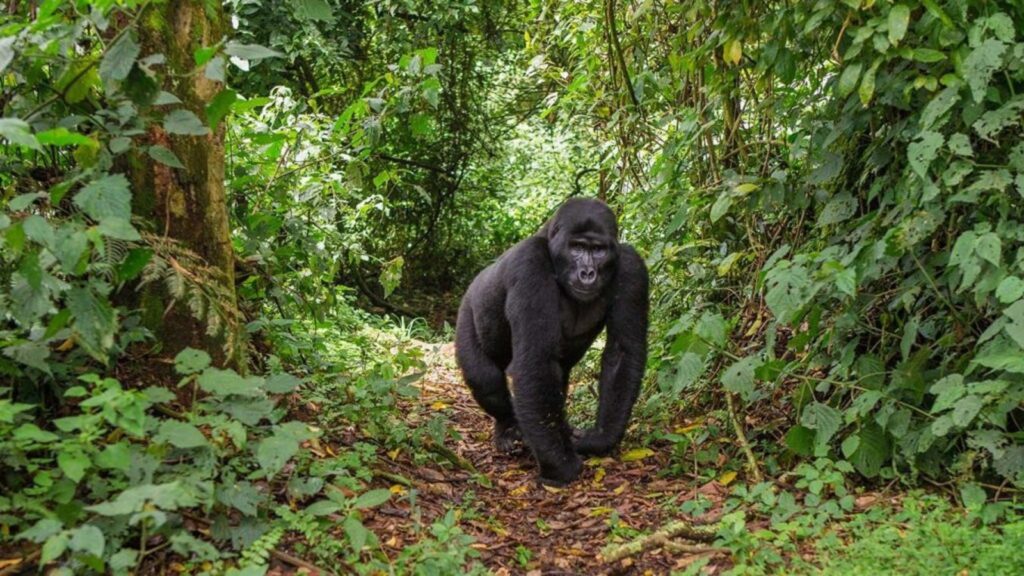
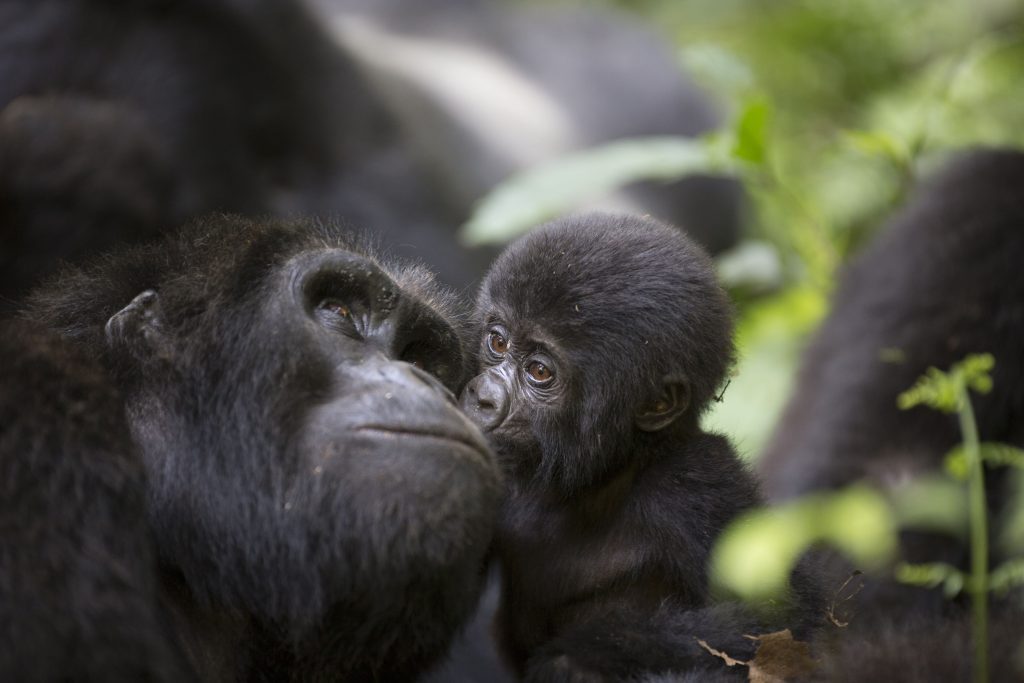
Cultural etiquette plays a vital role when traveling to gorilla regions in East Africa. Communities living near gorilla parks share landscapes, resources, and daily life with protected wildlife. Respectful behavior builds trust, supports conservation, and creates meaningful connections beyond the forest.
Understanding local customs helps travelers move confidently and respectfully through villages surrounding gorilla habitats. Small actions make a big difference.
Overview of Culture in Gorilla Regions
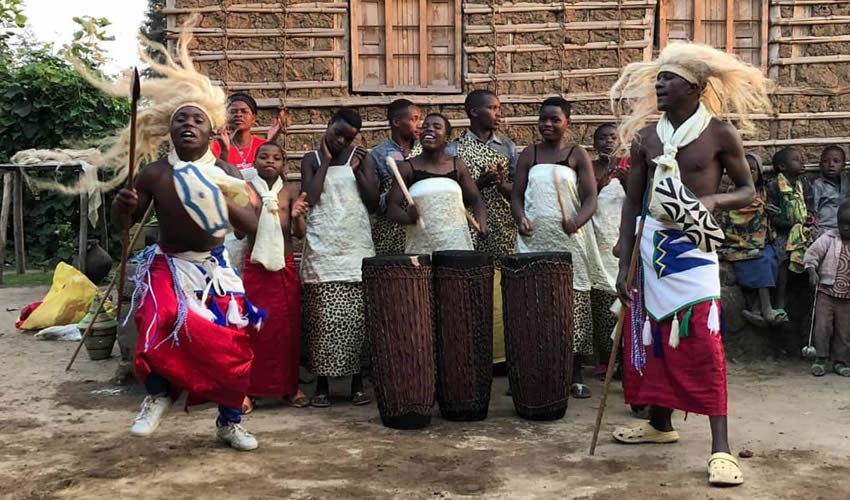
Gorilla regions in Uganda, Rwanda, and Congo remain deeply rooted in tradition. Most communities rely on farming, local trade, and strong family structures. Life moves at a steady pace shaped by the land and seasons.
Visitors often pass through villages on the way to parks such as Bwindi Impenetrable National Park and Volcanoes National Park. These encounters offer opportunities for cultural exchange when approached with respect and awareness.
Greeting and Everyday Interaction
Greetings matter greatly in gorilla regions. A simple verbal greeting shows respect and openness. In Uganda and Rwanda, people appreciate being acknowledged before conversation begins.
Smiling, making eye contact, and using polite language set a positive tone. Handshakes remain common, often offered gently and without haste. Taking a moment to greet elders first reflects good manners and cultural awareness.
Rushing past people without acknowledgment may feel disrespectful in rural settings.
Dress Code and Appearance
Modest dress shows respect in villages and community spaces. Clothing that covers shoulders and knees works best, especially for women. This standard applies even in warm weather.
While safari attire works well inside parks, villages prefer simple and modest clothing. Neutral colors blend better and avoid drawing unnecessary attention.
Dressing respectfully helps travelers feel more comfortable and welcomed.
Photography and Asking Permission
Photography requires sensitivity in cultural settings. Always ask before photographing people, homes, or community activities. Some individuals may decline, and their choice deserves respect.
Children often feel curious around visitors. Photographing them without consent from parents or guardians should be avoided.
In many communities, photos hold personal or cultural significance. Asking permission builds trust and prevents misunderstanding.
Respecting Local Traditions and Beliefs
Local traditions shape daily life in gorilla regions. Religious practices, community gatherings, and cultural ceremonies remain important.
Visitors should observe quietly when encountering such moments. Interrupting or treating ceremonies as entertainment can feel disrespectful.
Listening and learning without judgment enriches the travel experience and deepens understanding.
Visiting Indigenous and Community Groups
Some gorilla regions include indigenous communities such as the Batwa. Cultural visits often occur through organized community programs.
When visiting these communities, follow guide instructions carefully. Respect storytelling, demonstrations, and boundaries. Avoid giving handouts directly to children, as this can create dependency.
Supporting community-led initiatives ensures dignity and long-term benefit.
Tipping and Gift-Giving Etiquette
Tipping remains appreciated but not mandatory. Guides, porters, and lodge staff often rely on tips as part of their income.
Gifts should remain thoughtful and appropriate. School supplies or community donations work better than cash handouts. Organized donation programs through lodges or community groups provide a more responsible option.
Giving respectfully maintains balance and fairness.
Language and Communication
English works widely in tourism areas, but learning a few local words creates goodwill. Simple greetings in local languages show effort and respect.
Tone matters as much as words. Speaking calmly and patiently helps overcome language differences. Avoid raising your voice, which may feel confrontational.
Communication becomes smoother with kindness and patience.
Supporting Local Economies Respectfully
Buying crafts, produce, and services directly from local vendors supports household income. Bargaining should remain fair and friendly rather than aggressive.
Choosing community tours and locally owned lodges increases the positive impact of tourism. Spending responsibly strengthens the connection between conservation and livelihoods.
Respectful economic interaction builds mutual benefit.
Cultural Etiquette Inside Gorilla Parks
Inside gorilla parks, cultural etiquette aligns closely with conservation rules. Following ranger instructions shows respect for both wildlife and the people protecting it.
Listening carefully, staying quiet, and respecting group limits demonstrate understanding of the shared responsibility to protect gorillas and their habitat.
Behavior inside the park reflects attitudes outside it.
Why Cultural Etiquette Matters for Conservation
Communities living near gorillas bear the daily responsibility of coexistence. When travelers show respect, communities feel valued and supported.
Positive visitor behavior strengthens conservation support. It reduces conflict and builds pride in protecting gorillas and natural heritage.
Cultural respect directly supports long-term conservation success.
Who Benefits from Respectful Travel
Local families gain dignity and opportunity. Travelers gain richer experiences and deeper connections. Conservation efforts gain community backing.
Everyone benefits when travel respects culture.
Preparing for Cultural Interaction
Before visiting gorilla regions, learning basic etiquette helps avoid mistakes. Asking questions respectfully during the trip also helps.
Guides often provide valuable cultural insight. Listening to their advice ensures smooth and respectful interaction. Prepared travelers leave positive footprints behind.