Women in Gorilla Conservation
Women play a vital and often under-recognized role in gorilla conservation across Uganda and Rwanda. From frontline protection and scientific research to community leadership and education, women contribute directly to the survival of mountain gorillas and the ecosystems they depend on. Their work strengthens conservation outcomes while transforming social structures in regions surrounding gorilla habitats.
Understanding the role of women in gorilla conservation reveals how protecting wildlife and empowering communities move forward together.
The Growing Role of Women in Gorilla Protection
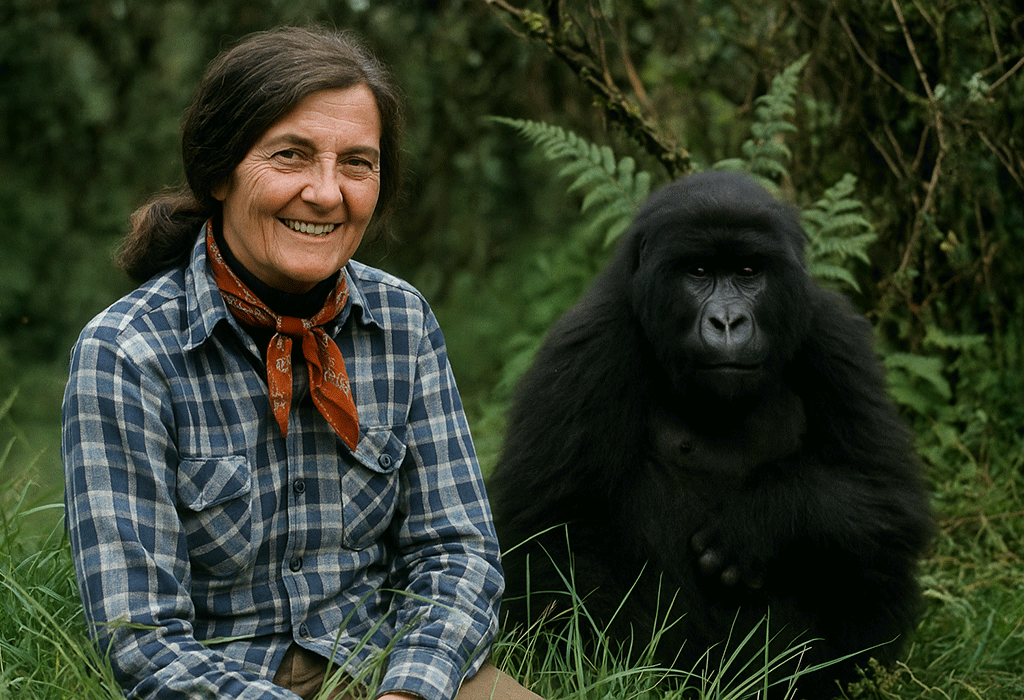
For many years, conservation work in gorilla regions was dominated by men, especially in physically demanding roles such as ranger patrols and forest monitoring. This has changed significantly. Today, women serve as rangers, trackers, veterinarians, researchers, tourism professionals, and community conservation leaders.
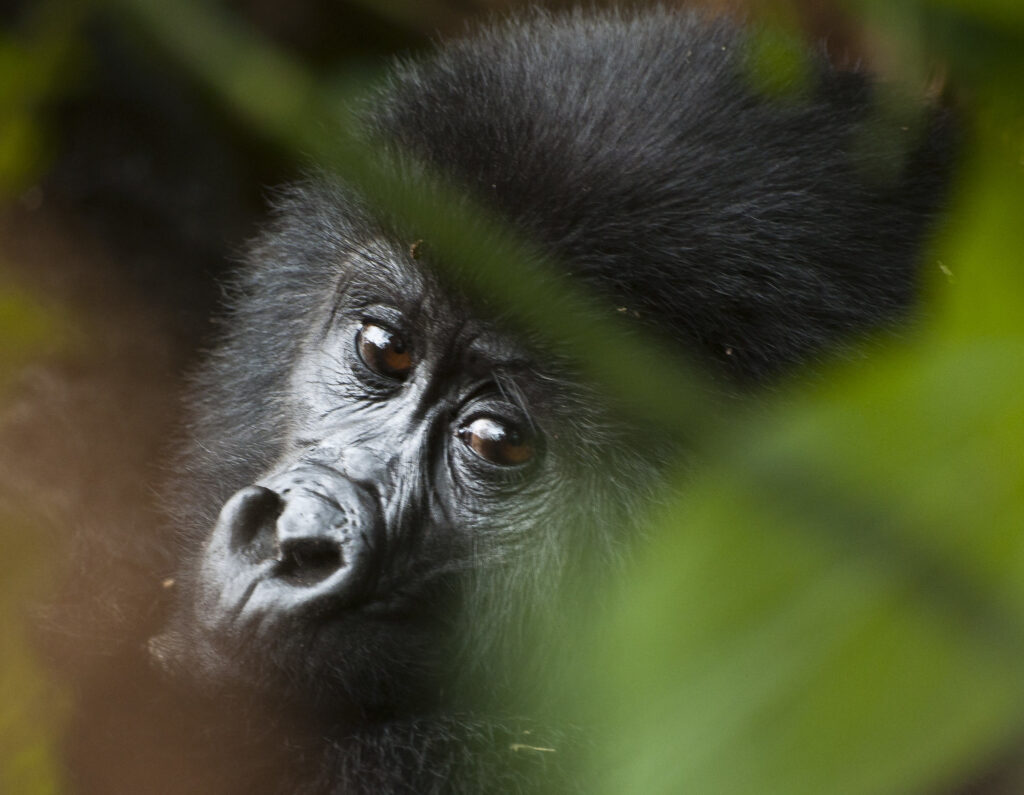
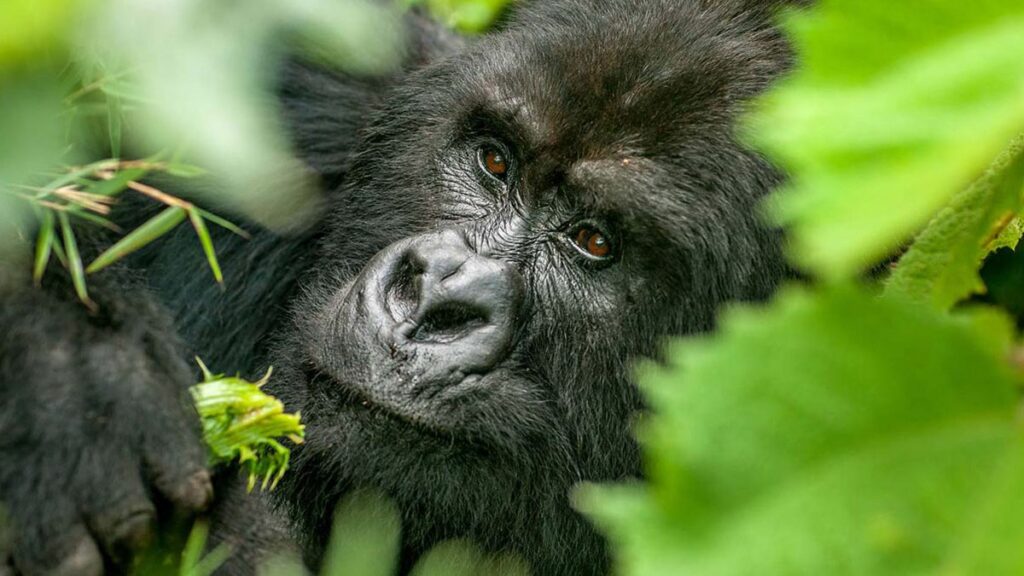
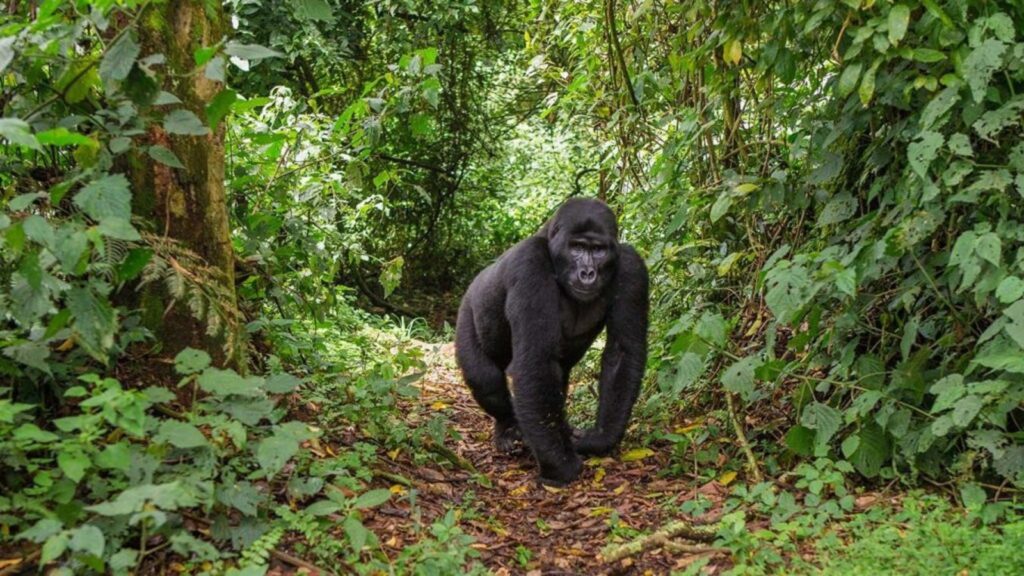
In parks such as Bwindi Impenetrable National Park and Volcanoes National Park, women now participate directly in daily gorilla protection activities, including patrols, data collection, and visitor management.
Their presence strengthens conservation by bringing diverse perspectives, communication styles, and community trust into wildlife protection.
Women as Rangers and Field Officers
Female rangers work on the frontlines of gorilla conservation. Their responsibilities include tracking gorilla groups, enforcing park regulations, monitoring forest boundaries, and ensuring visitor compliance during trekking activities.
Women rangers often excel in community-facing roles, where calm communication and mediation matter as much as physical endurance. Their involvement has helped reduce conflict between parks and surrounding communities while maintaining strict conservation standards.
The visibility of women in uniform also challenges traditional gender roles, inspiring young girls in nearby villages to view conservation as a viable and respected career path.
Women in Gorilla Research and Veterinary Care
Scientific research and veterinary intervention play a critical role in gorilla survival. Female scientists and veterinarians contribute to long-term studies on gorilla behavior, health, genetics, and habitat use.
Their work supports disease prevention, population monitoring, and emergency response when gorillas are injured or ill. Research findings guide policy decisions and improve management practices across gorilla parks.
Women researchers often work closely with local communities, combining scientific knowledge with cultural understanding to support sustainable conservation.
Community Conservation Led by Women
Women are central to community-based conservation programs around gorilla parks. Many initiatives focus on alternative livelihoods, education, and sustainable resource use, areas where women often lead.
Women’s groups run craft cooperatives, eco-tourism initiatives, tree-planting programs, and conservation education projects. These efforts reduce dependence on forest resources and create income that supports families without harming wildlife.
Because women often manage households, their involvement ensures conservation benefits reach children, education, and healthcare, strengthening long-term community support for gorilla protection.
Education and Awareness Driven by Women
Women play a key role in conservation education, working as teachers, outreach officers, and community trainers. They help explain the value of gorillas, forests, and tourism income to local families, especially younger generations.
Education programs led by women often focus on practical outcomes, such as school attendance, health awareness, and sustainable livelihoods, linking conservation success to everyday life.
This grassroots education builds local pride in gorilla conservation and reduces threats such as poaching or illegal resource use.
Overcoming Barriers in Conservation Work
Despite progress, women in conservation still face challenges. These include cultural expectations, physical demands, limited access to training, and balancing work with family responsibilities.
Governments, NGOs, and conservation organizations increasingly address these barriers through targeted recruitment, training programs, mentorship, and leadership opportunities for women.
Supporting women in conservation strengthens institutions and improves resilience across conservation systems.
Women, Conservation, and Tourism
Tourism has expanded opportunities for women in gorilla regions. Women work as guides, lodge managers, hospitality professionals, conservation communicators, and cultural interpreters.
Their roles help shape visitor experiences, ensuring tourism remains respectful, educational, and conservation-focused. Women’s involvement also increases income distribution within communities, reinforcing positive attitudes toward wildlife protection.
Tourists often cite interactions with female rangers and guides as meaningful highlights of their gorilla trekking experience.
Why Women’s Involvement Strengthens Gorilla Conservation
Research consistently shows that conservation programs inclusive of women achieve stronger, longer-lasting results. Women bring collaborative leadership, community insight, and long-term thinking to conservation planning.
In gorilla regions, this translates into improved compliance with park regulations, stronger community partnerships, and increased protection for endangered species.
Empowering women is not separate from conservation success; it is central to it.
Supporting Women in Gorilla Conservation as a Traveler
Travelers support women in conservation through responsible tourism choices. Staying at lodges that employ and train women, booking community-led experiences, and respecting park regulations all contribute to sustainable outcomes.
Tourism revenue supports ranger salaries, education programs, and community initiatives where women play leadership roles. Every permit purchased helps fund this conservation network.
The Future of Women in Gorilla Conservation
The future of gorilla conservation increasingly depends on inclusive leadership. As more women enter conservation careers, programs grow stronger, more adaptive, and more connected to local realities.
Young women in gorilla regions now see conservation not as an exception, but as a respected path forward. This shift promises lasting benefits for both people and wildlife.
Plan Your Safari With Us
Our safaris support conservation systems where women play active and respected roles. We work with partners who prioritize gender inclusion, fair employment, and community empowerment alongside wildlife protection.
Enquire now and let us plan a gorilla safari that supports women on the frontlines of conservation while delivering a meaningful, responsible travel experience.