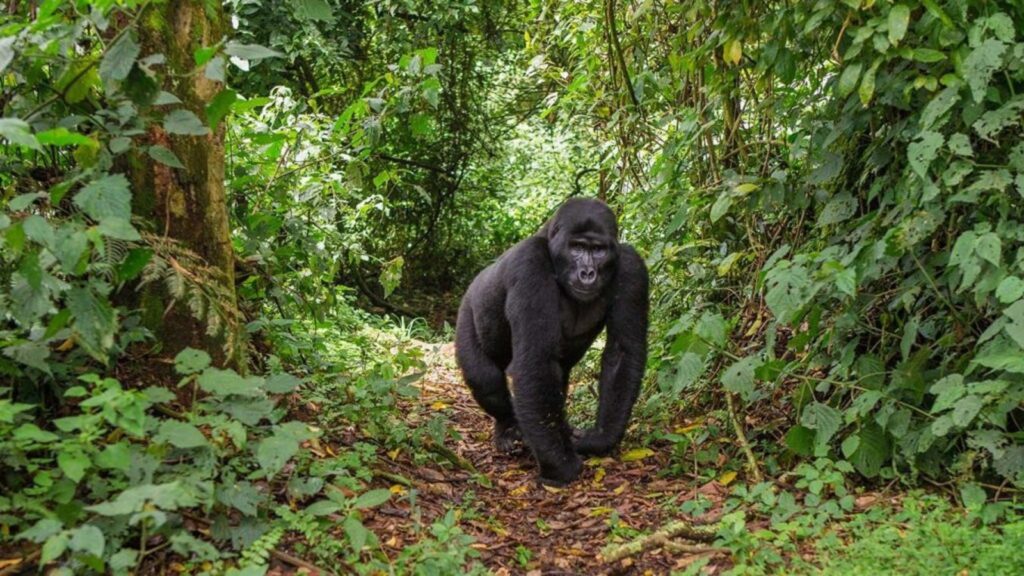
How to Engage with Local Communities Respectfully
Engaging with local communities respectfully is one of the most rewarding parts of traveling through gorilla regions. These areas are not only protected landscapes for wildlife; they are living homelands shaped by culture, history, and daily routines. Travelers who approach communities with humility and awareness often experience deeper connections and more meaningful exchanges than those who rush through encounters.
Respectful engagement is not about perfection. It is about intention, patience, and understanding that you are a guest in someone else’s world.
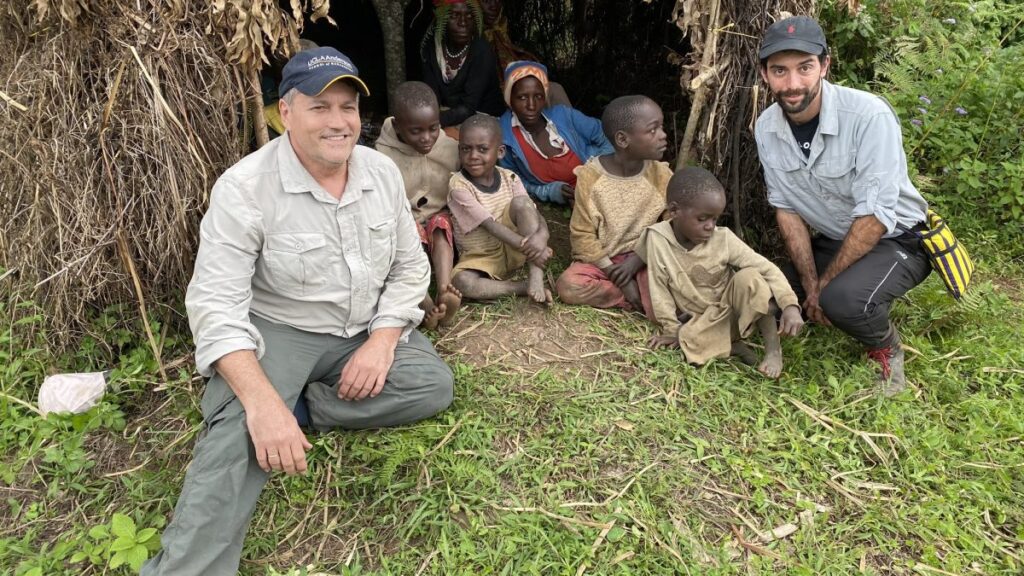
Understanding the Context of Local Communities
Communities living near gorilla parks have long-standing relationships with the land and the forests. Conservation has brought both opportunity and challenge, influencing livelihoods, access to resources, and cultural practices. When you visit areas near Bwindi Impenetrable National Park or Volcanoes National Park, you step into places where tourism plays a role in daily life but does not define it entirely.
Recognizing this context helps travelers avoid treating communities as attractions. People live, work, raise families, and navigate modern realities alongside tradition. Respect begins with seeing communities as equals, not experiences to consume.
Arriving with the Right Mindset
Respectful engagement starts with mindset rather than action. Travelers who arrive curious rather than judgmental create space for genuine interaction. This means listening more than speaking and observing before acting.
Letting go of assumptions about poverty, simplicity, or happiness allows conversations to unfold naturally. Communities are diverse, dynamic, and evolving, and no single story represents everyone you meet.
The Importance of Greetings and Acknowledgment
Greeting people properly matters deeply in rural Uganda and Rwanda. Taking time to say hello before asking questions or taking photos shows courtesy and recognition. A calm greeting, a smile, and eye contact establish trust and goodwill.
Rushing into conversations without acknowledgment can feel dismissive. Slowing down and greeting people as individuals rather than part of a group sets a respectful tone for the interaction.
Dressing and Behaving with Awareness
Respectful engagement includes awareness of how you present yourself. Modest, practical clothing aligns well with rural norms and helps travelers blend in comfortably. Behavior matters just as much. Speaking calmly, moving patiently, and avoiding exaggerated gestures help interactions feel relaxed rather than intrusive.
Adapting your behavior to the local pace of life shows sensitivity. Many communities value patience and politeness over efficiency.
Asking Permission and Respecting Boundaries
Permission is central to respectful engagement. Whether entering a village space, taking photographs, or joining an activity, asking first allows people to choose how they interact with you. Accepting a refusal gracefully matters as much as receiving permission.
Boundaries protect dignity. Respecting them builds trust and prevents interactions from feeling extractive or uncomfortable.
Listening More Than Talking
One of the most respectful ways to engage is to listen. When community members share stories, experiences, or perspectives, listening without interrupting or correcting shows genuine interest.
Avoid comparing their lives to your own or offering unsolicited opinions. Shared understanding grows when travelers create space for local voices rather than dominating conversations.
Supporting Communities Through Ethical Choices
Engagement becomes meaningful when it supports local wellbeing. Participating in community-led visits, purchasing crafts directly from artisans, and using local guides ensure that benefits remain within the community.
Respectful support focuses on fairness rather than charity. Communities value dignity, skill, and collaboration more than handouts or pity-driven gestures.
Managing Photography and Social Media Responsibly
Photography should never lead engagement. When photos are taken, they should follow permission and respect privacy. Sharing images later requires the same care. Captions and context matter, as images shape how others perceive these communities.
Responsible sharing avoids stereotypes and portrays people with dignity rather than as symbols of hardship or novelty.
Understanding Time, Pace, and Daily Life
Life in rural communities often follows natural rhythms rather than strict schedules. Meetings may start later than expected, conversations may take longer, and plans may change.
Adapting to this pace shows respect. Impatience signals misunderstanding rather than efficiency. Allowing time for interaction often leads to richer experiences.
Learning Through Observation
Observation teaches more than instruction. Watching how people greet each other, share space, and resolve small interactions offers insight into local values. Travelers who observe first tend to adapt more smoothly and avoid unintentional offense.
Guides can help interpret these observations and provide cultural context when questions arise.
Avoiding Common Pitfalls
Common mistakes include assuming communities exist for visitor enjoyment, giving gifts directly to children, or treating cultural interactions as performances. These actions often stem from good intentions but can cause harm.
Awareness and preparation help travelers avoid these pitfalls and engage in ways that feel mutually respectful.
Plan Your Safari With Us
Respectful community engagement does not happen by accident. We prepare travelers with cultural context, local guidance, and ethical community experiences that prioritize dignity and mutual respect. Our itineraries connect you with communities in ways that are meaningful, responsible, and welcomed.
Enquire now and let us plan a gorilla safari where genuine connection with local communities becomes a defining part of your journey.