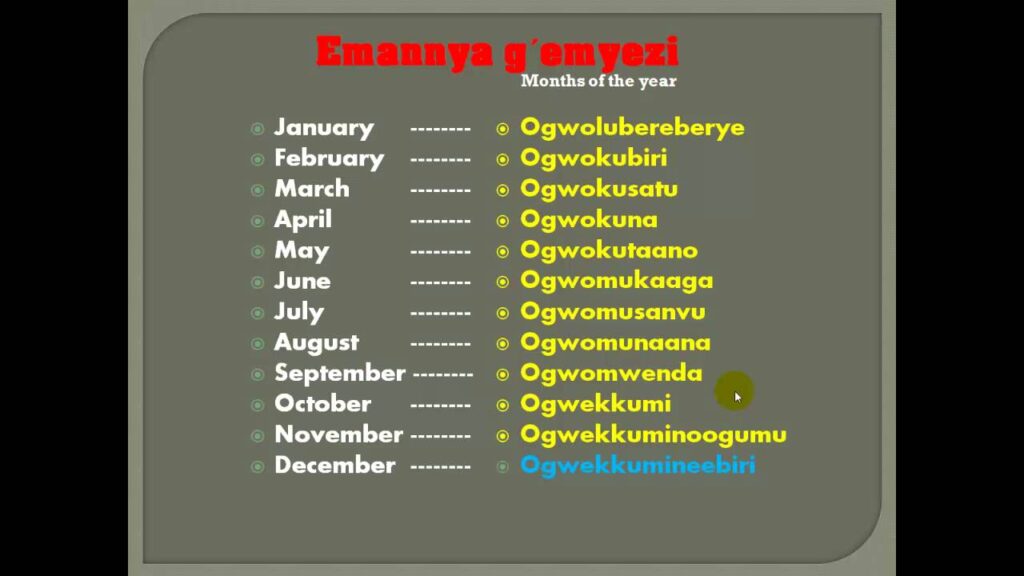
Learning a Few Words in Kinyarwanda, Kiswahili & Luganda
Learning a few local words before traveling to gorilla regions in East Africa may seem like a small gesture, but it carries deep cultural meaning. In Uganda and Rwanda, language represents respect, connection, and effort. Even a simple greeting spoken in the local language can open conversations, soften interactions, and create warmth that no guidebook can replace.
You do not need fluency to make an impact. A few well-used words in Kinyarwanda, Kiswahili, or Luganda show humility and genuine interest in the people who live alongside the gorilla forests you have come to explore.
Why Language Matters in Gorilla Regions
Rural communities near gorilla parks value personal interaction. Taking time to greet someone properly signals that you recognize them as more than part of the scenery. It shows that you have made an effort to meet people halfway rather than expecting everyone to adapt to you.
Around Bwindi Impenetrable National Park and Volcanoes National Park, tourism is common, but language effort still stands out. Locals often respond with smiles, encouragement, and patience when travelers attempt even the simplest phrases.
Kinyarwanda and Everyday Interaction in Rwanda
Kinyarwanda is spoken by nearly everyone in Rwanda and plays a central role in daily life. While many people involved in tourism speak English, greeting someone in Kinyarwanda creates immediate rapport. It signals respect for national identity and cultural pride.
Simple greetings used in the morning, afternoon, or evening are often enough to transform an interaction. Locals appreciate the attempt even when pronunciation is imperfect. In rural areas, this effort can turn a formal exchange into a friendly conversation.
Kiswahili as a Regional Connector
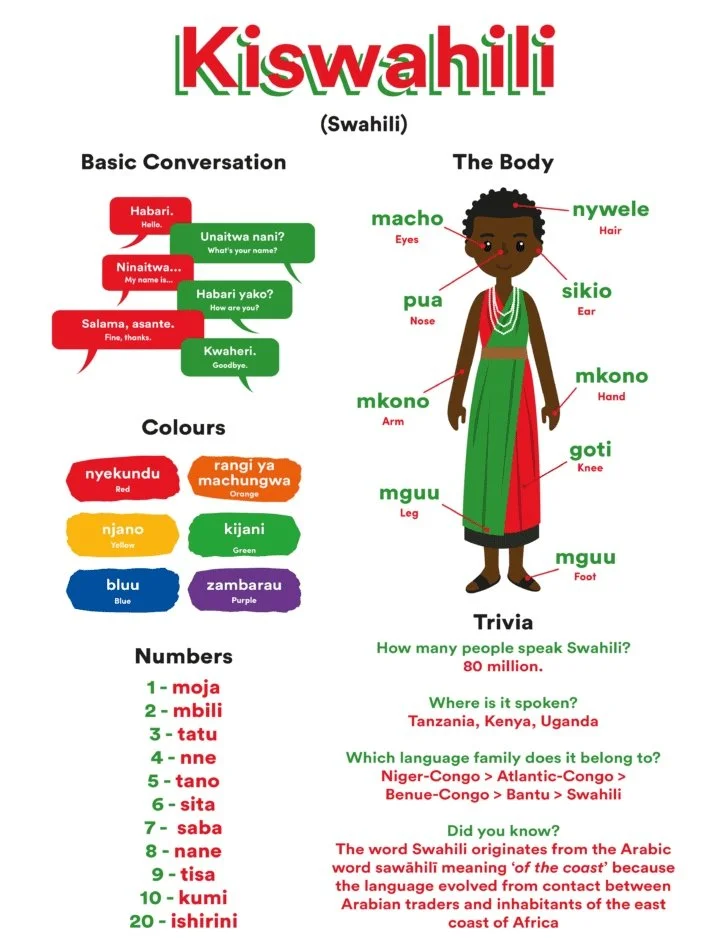
Kiswahili acts as a bridge language across East Africa. It is widely understood in Uganda and increasingly used in Rwanda, especially in towns and among people involved in trade and travel.
Using Kiswahili helps travelers connect across borders and regions without switching languages constantly. It also reflects awareness of East Africa as a shared cultural space rather than a collection of separate destinations.
Luganda and Cultural Respect in Central Uganda
Luganda is one of the most widely spoken local languages in Uganda, particularly in central regions and around major towns. While gorilla trekking areas host many different ethnic groups, Luganda greetings are often recognized and appreciated.
Using Luganda in greetings or polite expressions shows respect for local culture and adds depth to interactions beyond basic tourism exchanges.
How Locals Respond to Language Effort
Locals rarely expect travelers to speak their language fluently. What they value is effort. Attempting a greeting or a polite phrase often leads to laughter, encouragement, and friendly correction.
This interaction breaks down barriers. It shifts the dynamic from visitor and host to two people meeting with curiosity and mutual respect.
When and Where Using Local Words Matters Most
Using local language matters most in villages, markets, community visits, and informal encounters. These are spaces where people interact naturally rather than professionally.
In lodges and formal tourism settings, English is widely used. Outside those spaces, a local greeting can change the tone of an entire interaction and make you feel more welcomed.
Language and Cultural Humility
Learning a few words also encourages cultural humility. It reminds travelers that they are guests in a place with its own rhythms, history, and identity. Language effort reflects listening rather than assuming.
Mistakes are part of the process. Locals rarely judge errors harshly when they come from a place of respect.
Avoiding Common Misunderstandings
Some travelers worry about mispronunciation or using the wrong phrase. In practice, this concern often prevents meaningful connection. Using a phrase imperfectly is better than not trying at all.
The key is tone. Speaking calmly, smiling, and remaining open to correction matters more than accuracy.
Learning Beyond Words
Language learning naturally leads to deeper curiosity. Travelers who start with greetings often end up asking about meanings, traditions, and local life. These conversations create memories that go beyond photographs.
The words become gateways to stories and shared laughter.
Preparing Before You Travel
Learning a few words before departure helps build confidence. Writing phrases down, practicing pronunciation, or listening to audio examples makes it easier to use them naturally on arrival.
Even carrying a small note with greetings can be helpful during the first days of travel.
Plan Your Safari With Us
Cultural connection begins with preparation. We brief our travelers on local languages, greetings, and respectful communication before arrival. Our guides also help you practice and use these words naturally during your journey.
Enquire now and let us plan a gorilla safari where language, respect, and meaningful human connection enrich every step of your experience.